Jones Bart, Zhan Xiaoyan, Mishin Vasiliy, Slobod Karen S, Surman Sherri, Russell Charles J, Portner Allen, Hurwitz Julia L
Department of Infectious Diseases, St. Jude Children's Research Hospital, Memphis, TN 38105, United States.
Vaccine. 2009 Mar 13;27(12):1848-57. doi: 10.1016/j.vaccine.2009.01.041. Epub 2009 Feb 4.
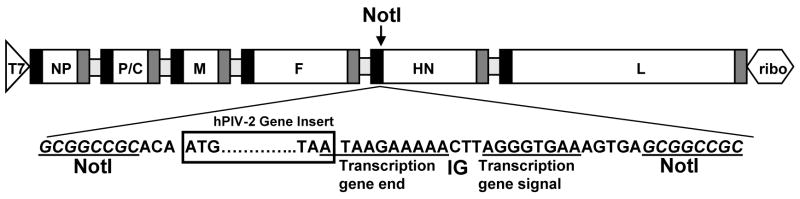
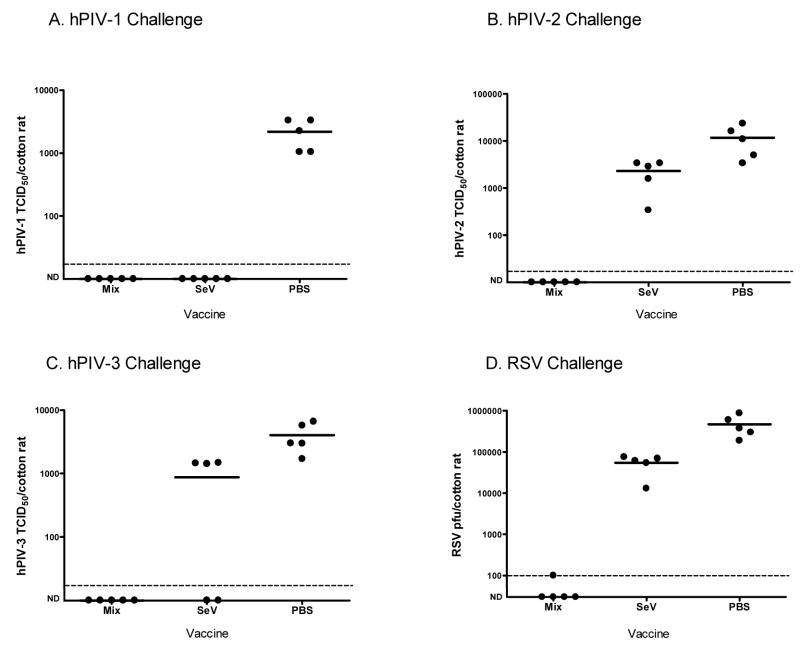
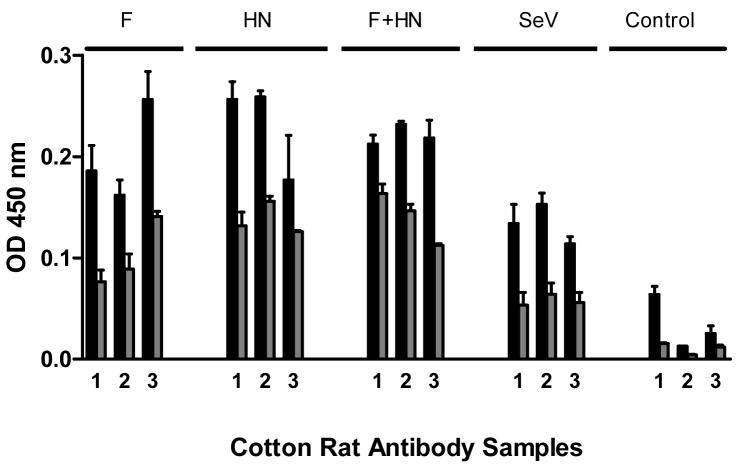
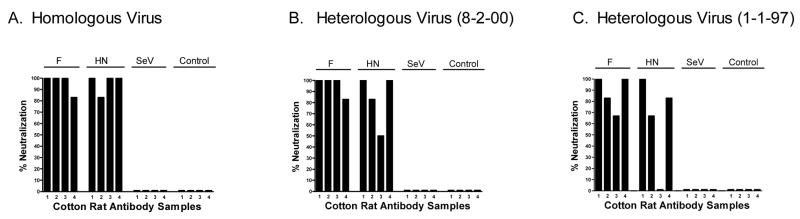
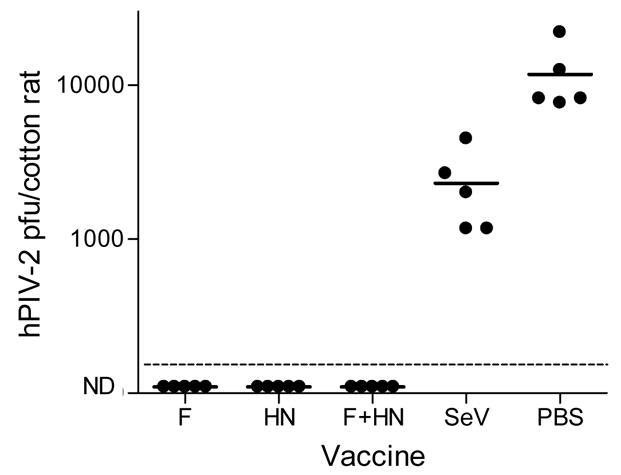
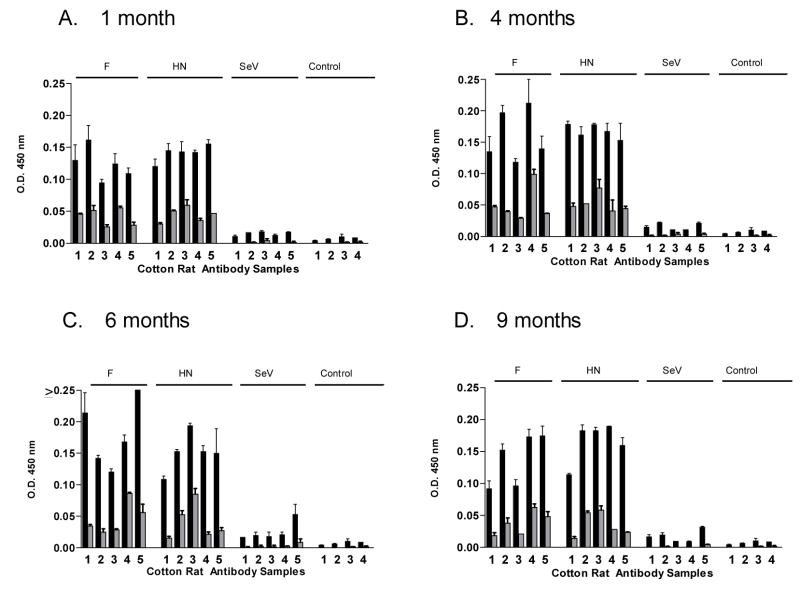
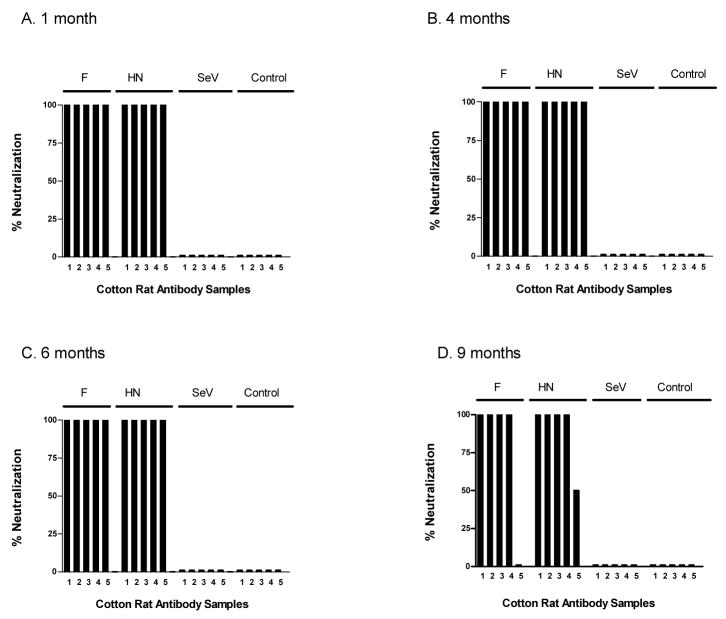
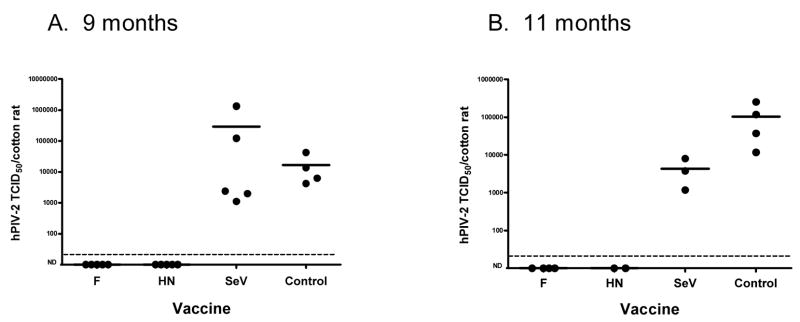
The human parainfluenza viruses (hPIVs) and respiratory syncytial viruses (RSVs) are the leading causes of hospitalizations due to respiratory viral disease in infants and young children, but no vaccines are yet available. Here we describe the use of recombinant Sendai viruses (rSeVs) as candidate vaccine vectors for these respiratory viruses in a cotton rat model. Two new Sendai virus (SeV)-based hPIV-2 vaccine constructs were generated by inserting the fusion (F) gene or the hemagglutinin-neuraminidase (HN) gene from hPIV-2 into the rSeV genome. The inoculation of either vaccine into cotton rats elicited neutralizing antibodies toward both homologous and heterologous hPIV-2 virus isolates. The vaccines elicited robust and durable antibodies toward hPIV-2, and cotton rats immunized with individual or mixed vaccines were fully protected against hPIV-2 infections of the lower respiratory tract. The immune responses toward a single inoculation with rSeV vaccines were long-lasting and cotton rats were protected against viral challenge for as long as 11 months after vaccination. One inoculation with a mixture of the hPIV-2-HN-expressing construct and two additional rSeVs (expressing the F protein of RSV and the HN protein of hPIV-3) resulted in protection against challenge viruses hPIV-1, hPIV-2, hPIV-3, and RSV. Results identify SeV vectors as promising vaccine candidates for four different paramyxoviruses, each responsible for serious respiratory infections in children.
人副流感病毒(hPIVs)和呼吸道合胞病毒(RSVs)是导致婴幼儿因呼吸道病毒疾病住院的主要原因,但目前尚无可用疫苗。在此,我们描述了在棉鼠模型中使用重组仙台病毒(rSeVs)作为这些呼吸道病毒的候选疫苗载体。通过将hPIV-2的融合(F)基因或血凝素神经氨酸酶(HN)基因插入rSeV基因组,构建了两种基于仙台病毒(SeV)的新型hPIV-2疫苗。将任何一种疫苗接种到棉鼠体内,均可诱导产生针对同源和异源hPIV-2病毒分离株的中和抗体。这些疫苗诱导产生了针对hPIV-2的强大且持久的抗体,用单独或混合疫苗免疫的棉鼠对下呼吸道的hPIV-2感染具有完全的保护作用。对rSeV疫苗单次接种的免疫反应持久,接种后长达11个月棉鼠都能抵御病毒攻击。用表达hPIV-2-HN的构建体与另外两种rSeVs(分别表达RSV的F蛋白和hPIV-3的HN蛋白)的混合物进行单次接种,可使棉鼠抵御hPIV-1、hPIV-2、hPIV-3和RSV等攻击病毒。结果表明,SeV载体是四种不同副粘病毒有前景的候选疫苗,每种副粘病毒都可导致儿童严重的呼吸道感染。