Moreno Pedro M D, Wenska Malgorzata, Lundin Karin E, Wrange Orjan, Strömberg Roger, Smith C I Edvard
Department of Laboratory Medicine, Clinical Research Center, Karolinska Institutet, Karolinska University Hospital, SE-141 86 Huddinge, Sweden.
Nucleic Acids Res. 2009 Apr;37(6):1925-35. doi: 10.1093/nar/gkp048. Epub 2009 Feb 10.
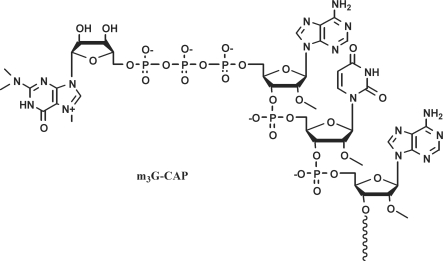
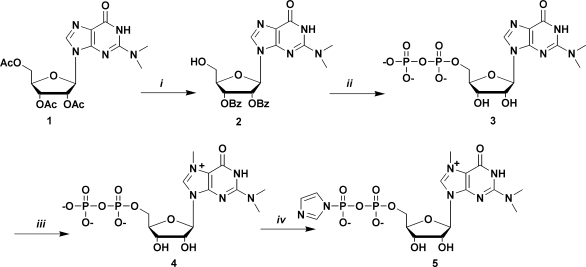
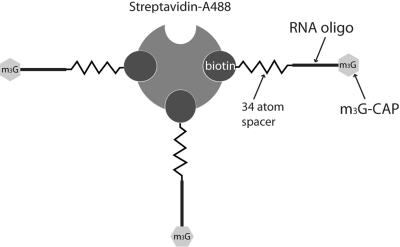
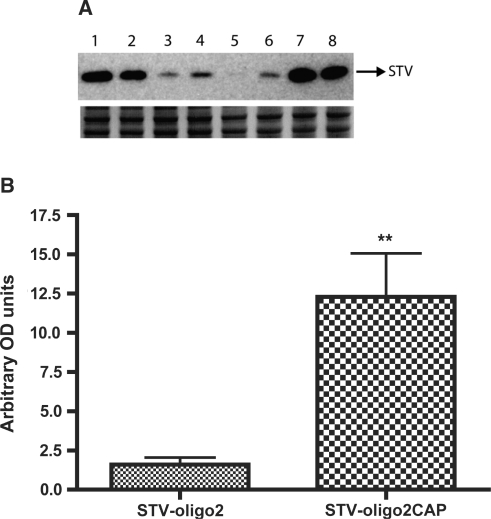
Accessing the nucleus through the surrounding membrane poses one of the major obstacles for therapeutic molecules large enough to be excluded due to nuclear pore size limits. In some therapeutic applications the large size of some nucleic acids, like plasmid DNA, hampers their access to the nuclear compartment. However, also for small oligonucleotides, achieving higher nuclear concentrations could be of great benefit. We report on the synthesis and possible applications of a natural RNA 5'-end nuclear localization signal composed of a 2,2,7-trimethylguanosine cap (m(3)G-CAP). The cap is found in the small nuclear RNAs that are constitutive part of the small nuclear ribonucleoprotein complexes involved in nuclear splicing. We demonstrate the use of the m(3)G signal as an adaptor that can be attached to different oligonucleotides, thereby conferring nuclear targeting capabilities with capacity to transport large-size cargo molecules. The synthetic capping of oligos interfering with splicing may have immediate clinical applications.
由于核孔大小限制,对于那些因体积太大而被排除在外的治疗性分子来说,穿过周围的膜进入细胞核是主要障碍之一。在一些治疗应用中,某些核酸(如质粒DNA)的大尺寸阻碍了它们进入核区室。然而,即使对于小的寡核苷酸,实现更高的核浓度也可能大有裨益。我们报道了一种由2,2,7-三甲基鸟苷帽(m(3)G-CAP)组成的天然RNA 5'-端核定位信号的合成及其可能的应用。这种帽存在于小核RNA中,小核RNA是参与核剪接的小核糖核蛋白复合体的组成部分。我们证明了m(3)G信号作为一种接头的用途,它可以连接到不同的寡核苷酸上,从而赋予核靶向能力以及运输大尺寸货物分子的能力。干扰剪接的寡核苷酸的合成加帽可能具有直接的临床应用。