Papaioannou Georgia, Sebire Neil J, McHugh Kieran
Department of Radiology, Great Ormond Street Hospital, Great Ormond Street, London, WC1N 3JH, UK.
Cancer Imaging. 2009 Feb 2;9(1):1-11. doi: 10.1102/1470-7330.2009.0001.
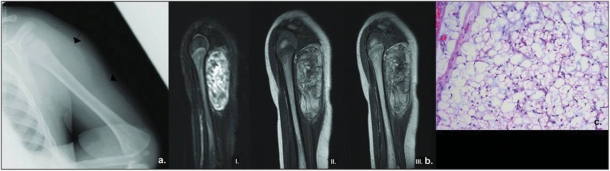
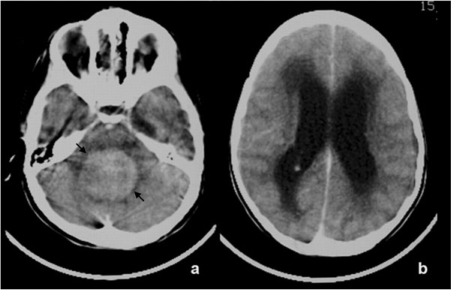
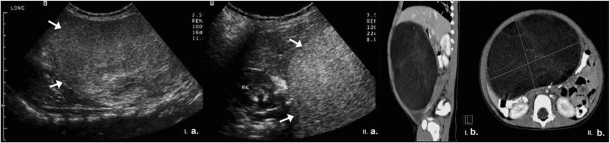
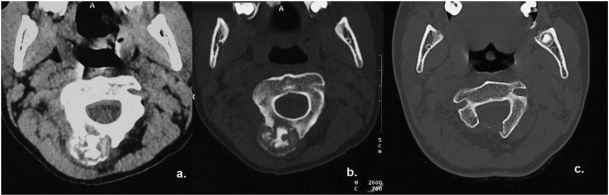
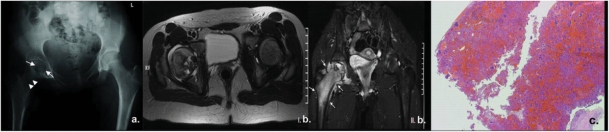
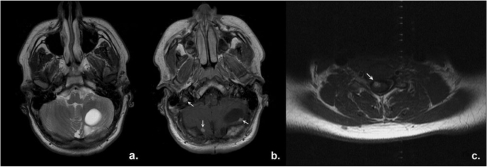
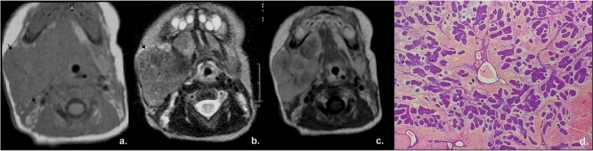
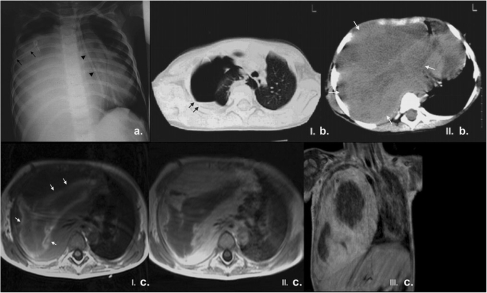
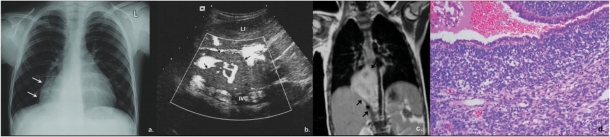
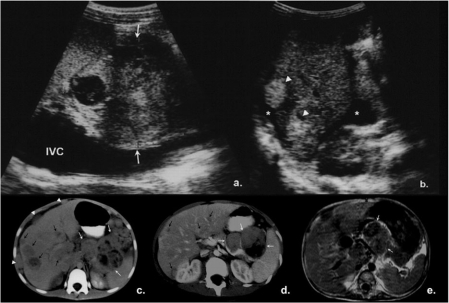
'Blastomas' are tumors virtually unique to childhood. Controversy surrounds their nomenclature and there is no globally accepted classification. They are thought to arise from immature, primitive tissues that present persistent embryonal elements on histology, affect a younger pediatric population and are usually malignant. The 'commoner' blastomas (neuroblastoma, nephroblastoma, hepatoblastoma, medulloblastoma) account for approximately 25% of solid tumors in the pediatric age range. We present examples of the more unusual blastematous pediatric tumors (lipoblastoma, osteoblastoma, chondroblastoma, hemangioblastoma, gonadoblastoma, sialoblastoma, pleuropulmonary blastoma, pancreatoblastoma, pineoblastoma, and medullomyoblastoma) that were recorded in our institution. Although these rare types of blastomas individually account for <1% of pediatric malignancies, collectively they may be responsible for up to 5% of pediatric tumors in a given population of young children. Imaging is often non-specific but plays an important role in their identification, management and follow-up. Some characteristic imaging features at diagnosis, encountered in cases diagnosed and treated in our institution, are described and reviewed.
“母细胞瘤”实际上是儿童特有的肿瘤。围绕它们的命名存在争议,且没有全球公认的分类。人们认为它们起源于未成熟的原始组织,这些组织在组织学上呈现持续的胚胎成分,影响较年幼的儿科人群,并且通常是恶性的。“较常见的”母细胞瘤(神经母细胞瘤、肾母细胞瘤、肝母细胞瘤、髓母细胞瘤)约占儿科年龄段实体瘤的25%。我们展示了在我们机构记录的更不常见的小儿母细胞瘤性肿瘤(脂肪母细胞瘤、成骨细胞瘤、成软骨细胞瘤、血管母细胞瘤、性腺母细胞瘤、涎腺母细胞瘤、胸膜肺母细胞瘤、胰腺母细胞瘤、松果体母细胞瘤和髓肌母细胞瘤)的病例。尽管这些罕见类型的母细胞瘤各自占小儿恶性肿瘤的比例不到1%,但在特定的幼儿群体中,它们合计可能占小儿肿瘤的5%。影像学表现通常不具有特异性,但在其识别、管理和随访中起着重要作用。本文描述并回顾了在我们机构诊断和治疗的病例中,诊断时遇到的一些特征性影像学表现。