Engelmann Jan B, Capra C Monica, Noussair Charles, Berns Gregory S
Department of Psychiatry & Behavioral Sciences, Emory University School of Medicine, Atlanta, Georgia, United States of America.
PLoS One. 2009;4(3):e4957. doi: 10.1371/journal.pone.0004957. Epub 2009 Mar 24.
Financial advice from experts is commonly sought during times of uncertainty. While the field of neuroeconomics has made considerable progress in understanding the neurobiological basis of risky decision-making, the neural mechanisms through which external information, such as advice, is integrated during decision-making are poorly understood. In the current experiment, we investigated the neurobiological basis of the influence of expert advice on financial decisions under risk.
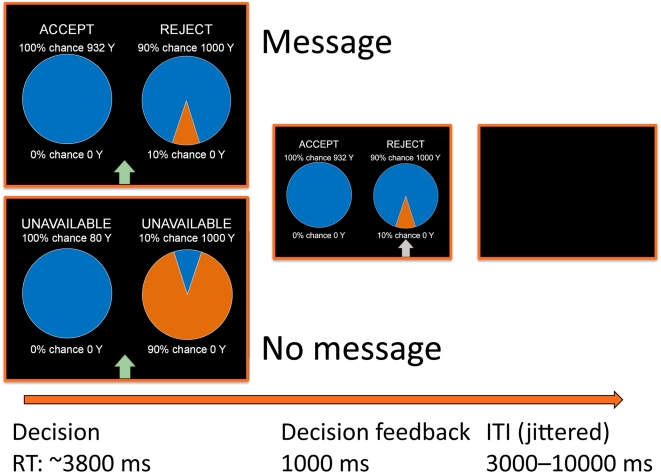
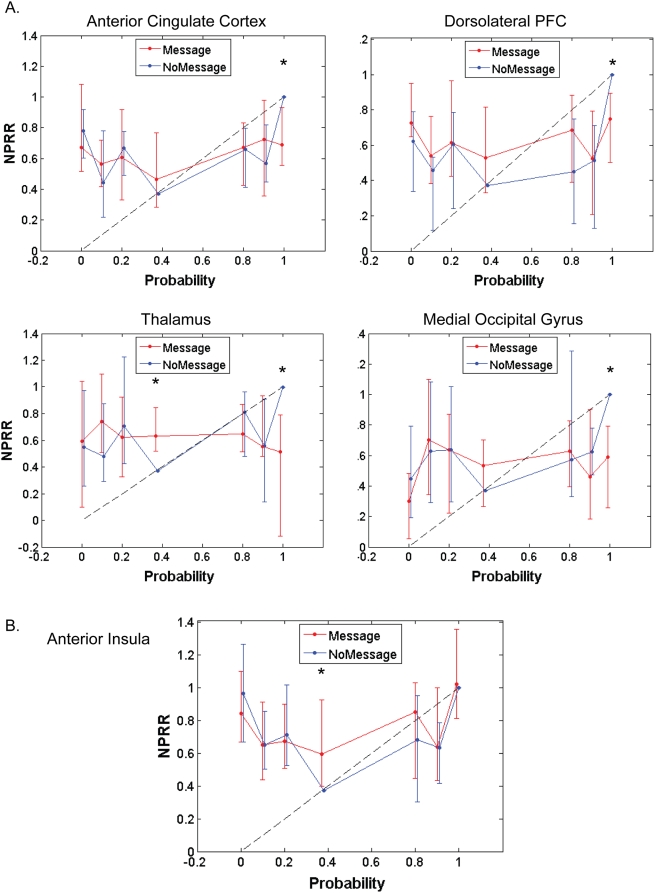
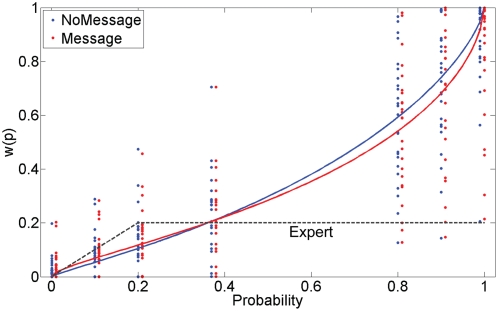
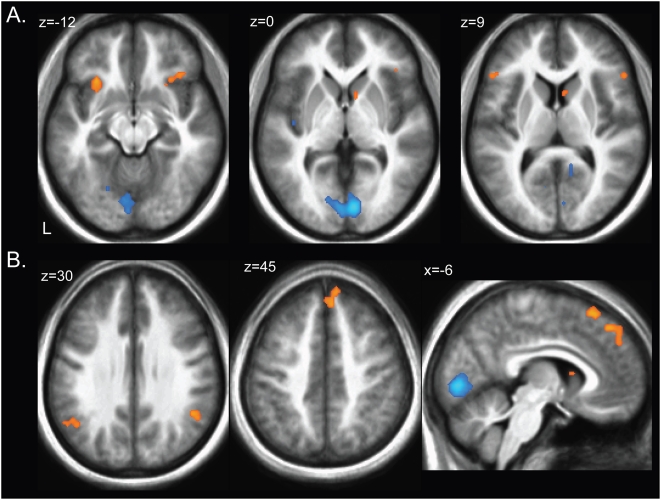
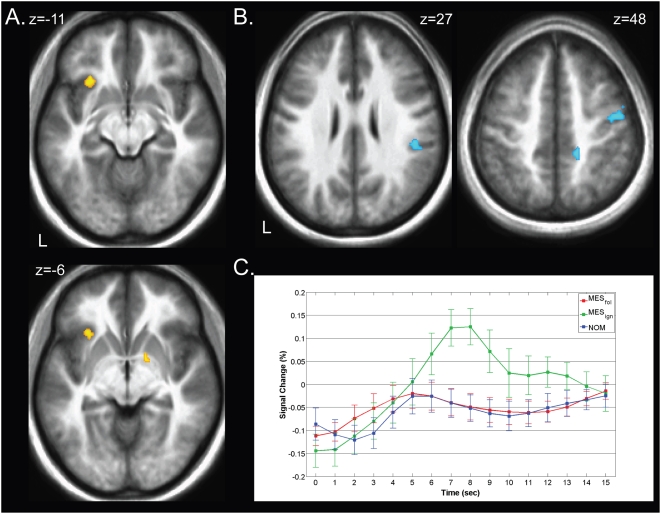
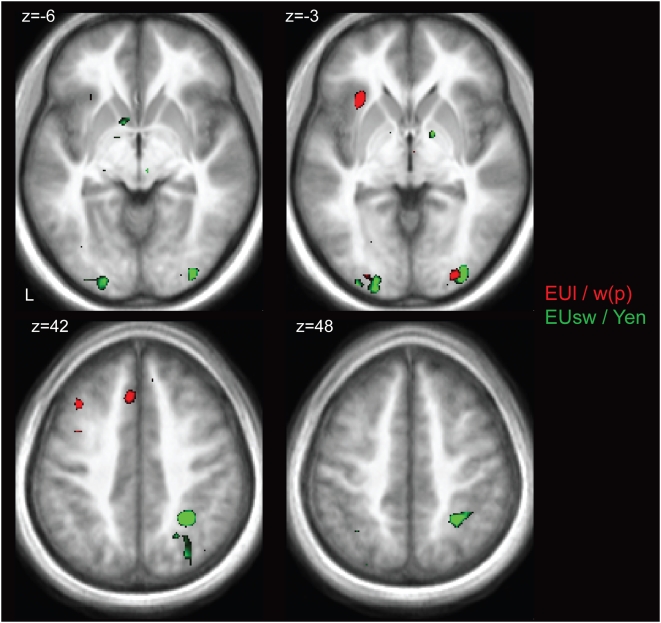
METHODOLOGY/PRINCIPAL FINDINGS: While undergoing fMRI scanning, participants made a series of financial choices between a certain payment and a lottery. Choices were made in two conditions: 1) advice from a financial expert about which choice to make was displayed (MES condition); and 2) no advice was displayed (NOM condition). Behavioral results showed a significant effect of expert advice. Specifically, probability weighting functions changed in the direction of the expert's advice. This was paralleled by neural activation patterns. Brain activations showing significant correlations with valuation (parametric modulation by value of lottery/sure win) were obtained in the absence of the expert's advice (NOM) in intraparietal sulcus, posterior cingulate cortex, cuneus, precuneus, inferior frontal gyrus and middle temporal gyrus. Notably, no significant correlations with value were obtained in the presence of advice (MES). These findings were corroborated by region of interest analyses. Neural equivalents of probability weighting functions showed significant flattening in the MES compared to the NOM condition in regions associated with probability weighting, including anterior cingulate cortex, dorsolateral PFC, thalamus, medial occipital gyrus and anterior insula. Finally, during the MES condition, significant activations in temporoparietal junction and medial PFC were obtained.
CONCLUSIONS/SIGNIFICANCE: These results support the hypothesis that one effect of expert advice is to "offload" the calculation of value of decision options from the individual's brain.
在不确定时期,人们通常会寻求专家的财务建议。虽然神经经济学领域在理解风险决策的神经生物学基础方面取得了相当大的进展,但对于诸如建议等外部信息在决策过程中是如何整合的神经机制,我们却知之甚少。在当前的实验中,我们研究了专家建议对风险下财务决策影响的神经生物学基础。
方法/主要发现:在进行功能磁共振成像扫描时,参与者在确定的报酬和彩票之间做出一系列财务选择。选择在两种条件下进行:1)显示来自金融专家关于做出何种选择的建议(MES条件);2)不显示建议(NOM条件)。行为结果显示专家建议有显著影响。具体而言,概率加权函数朝着专家建议的方向变化。神经激活模式也与之平行。在没有专家建议(NOM)的情况下,在顶内沟、后扣带回皮质、楔叶、楔前叶、额下回和颞中回中获得了与估值(由彩票/确定获胜的价值进行参数调制)有显著相关性的脑激活。值得注意的是,在有建议(MES)的情况下,未获得与价值的显著相关性。这些发现通过感兴趣区域分析得到了证实。与概率加权相关的区域中,概率加权函数的神经等效物在MES条件下比NOM条件下显著变平,包括前扣带回皮质、背外侧前额叶皮质、丘脑、枕内侧回和前岛叶。最后,在MES条件下,颞顶联合区和内侧前额叶皮质有显著激活。
结论/意义:这些结果支持了这样一种假设,即专家建议的一个作用是将决策选项价值的计算从个体大脑中“卸载”。