Hermann Gregory M, Miller Rachel L, Erkonen Gwen E, Dallas Lindsay M, Hsu Elise, Zhu Vivian, Roghair Robert D
Department of Pediatrics, University of Iowa, Iowa City, IA 52242, USA.
Pediatr Res. 2009 Jul;66(1):53-8. doi: 10.1203/PDR.0b013e3181a7c5fd.
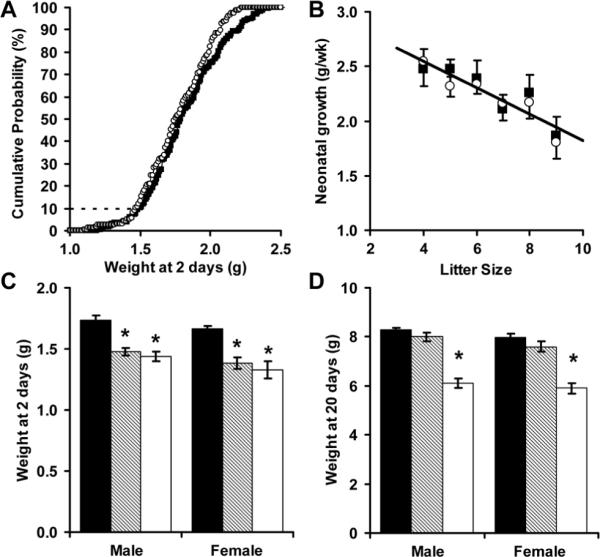
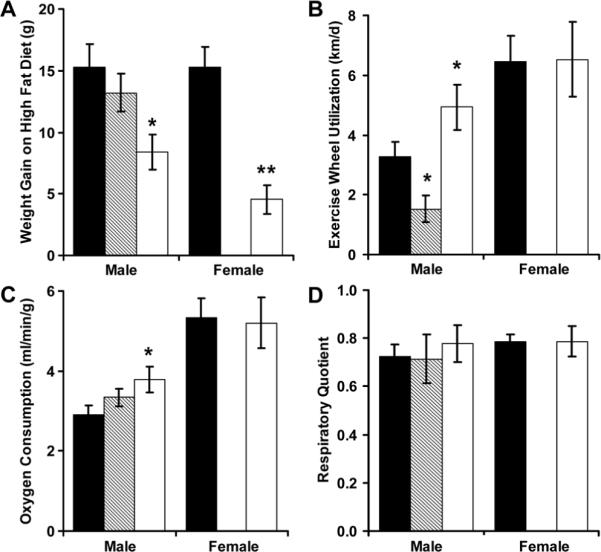
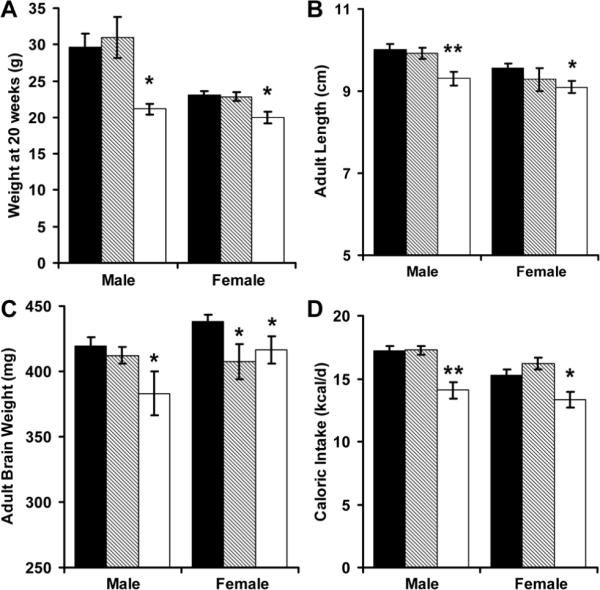
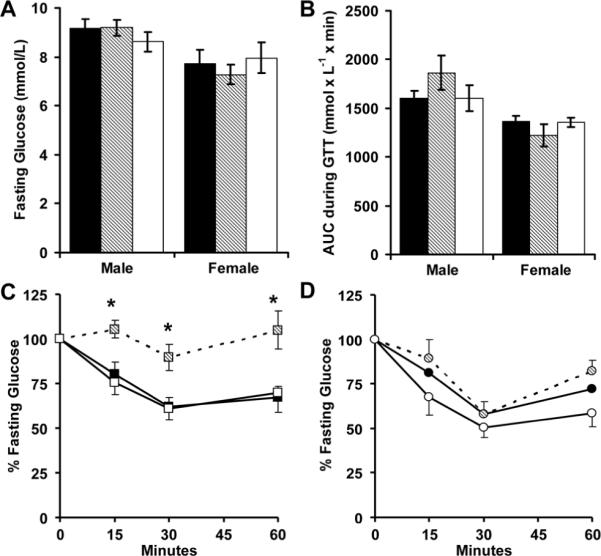
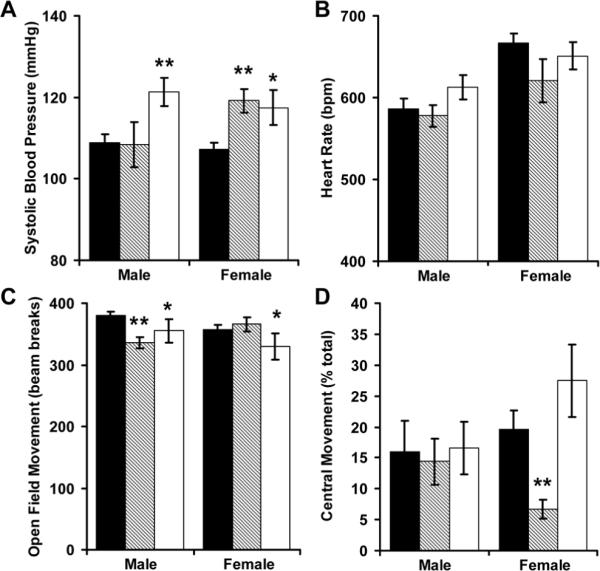
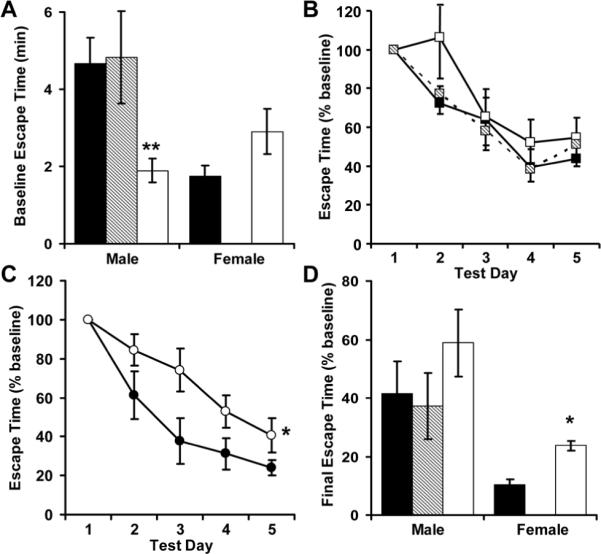
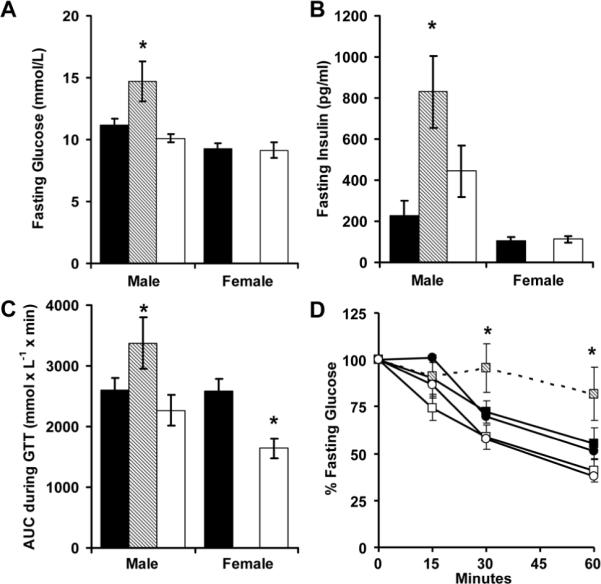
Premature infants are at increased risk for persistent growth failure, neurodevelopmental impairment, hypertension, and diabetes. Rapid neonatal growth has been linked to the increasing prevalence of diabetes and obesity. Nutritional goals for the premature infant with incipient growth failure have thus become a source of controversy. We used isogenic mice with natural variation in perinatal growth to test the hypothesis that neonatal catch up growth improves the neurobehavioral and cardiovascular outcomes of low-birth weight mice, despite an increase in diabetes susceptibility. Adult mice that experienced prenatal and neonatal growth restriction had persistent growth failure, hypertension, and neurobehavioral alterations. When switched from standard rodent chow to a hypercaloric diet, growth restricted mice were protected from diet-induced obesity. Among low-birth weight male mice, neonatal catch up growth normalized neurobehavioral and cardiovascular phenotypes, but led to insulin resistance and high fat diet-induced diabetes. Among low-birth weight female mice, neonatal catch up growth did not prevent the development of adult hypertension and significantly increased measures of anxiety, including self-injury and the avoidance of open spaces. These studies support the importance of the perinatal environment in the resetting of adult disease susceptibility and suggest an earlier window of vulnerability among growth restricted female mice.
早产儿出现持续性生长发育迟缓、神经发育障碍、高血压和糖尿病的风险增加。新生儿快速生长与糖尿病和肥胖症患病率的上升有关。因此,对于刚开始出现生长发育迟缓的早产儿,营养目标已成为一个争议来源。我们使用了围产期生长具有自然差异的同基因小鼠,以检验以下假设:尽管糖尿病易感性增加,但新生儿追赶生长可改善低体重小鼠的神经行为和心血管结局。经历过产前和新生儿期生长受限的成年小鼠存在持续性生长发育迟缓、高血压和神经行为改变。当从标准啮齿动物饲料改为高热量饮食时,生长受限的小鼠可免受饮食诱导的肥胖影响。在低体重雄性小鼠中,新生儿追赶生长使神经行为和心血管表型恢复正常,但导致胰岛素抵抗和高脂肪饮食诱导的糖尿病。在低体重雌性小鼠中,新生儿追赶生长并未预防成年期高血压的发生,且显著增加了焦虑指标,包括自我伤害和对空旷空间的回避。这些研究支持了围产期环境在重置成年疾病易感性方面的重要性,并表明生长受限的雌性小鼠存在更早的易损期。