Kauer Maximilian, Ban Jozef, Kofler Reinhard, Walker Bob, Davis Sean, Meltzer Paul, Kovar Heinrich
Children's Cancer Research Institute, St Anna Kinderkrebsforschung, Vienna, Austria.
PLoS One. 2009;4(4):e5415. doi: 10.1371/journal.pone.0005415. Epub 2009 Apr 30.
EWS-FLI1 is a chimeric ETS transcription factor that is, due to a chromosomal rearrangement, specifically expressed in Ewing's sarcoma family tumors (ESFT) and is thought to initiate the development of the disease. Previous genomic profiling experiments have identified EWS-FLI1-regulated genes and genes that discriminate ESFT from other sarcomas, but so far a comprehensive analysis of EWS-FLI1-dependent molecular functions characterizing this aggressive cancer is lacking.
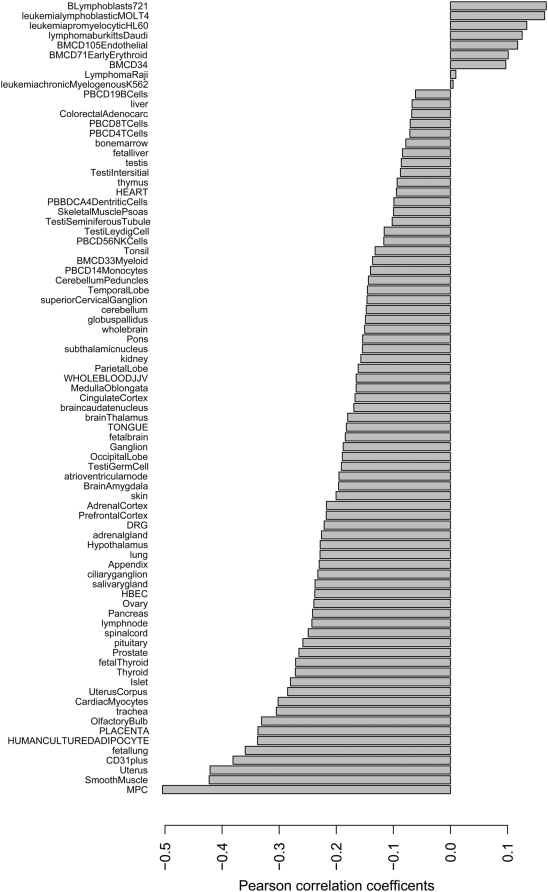
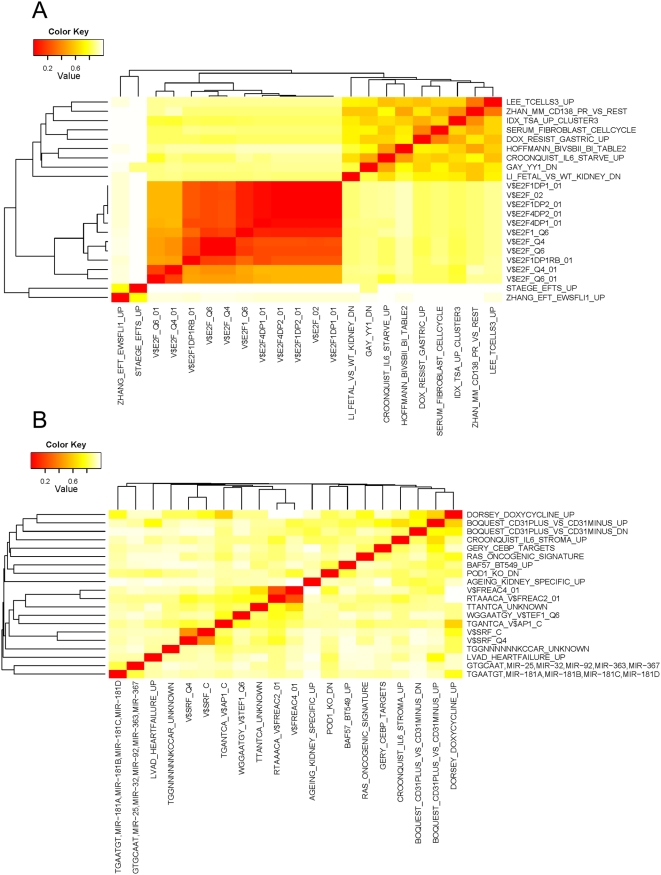
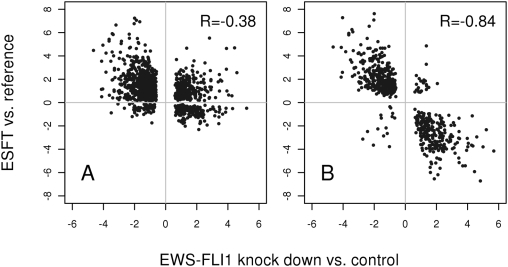
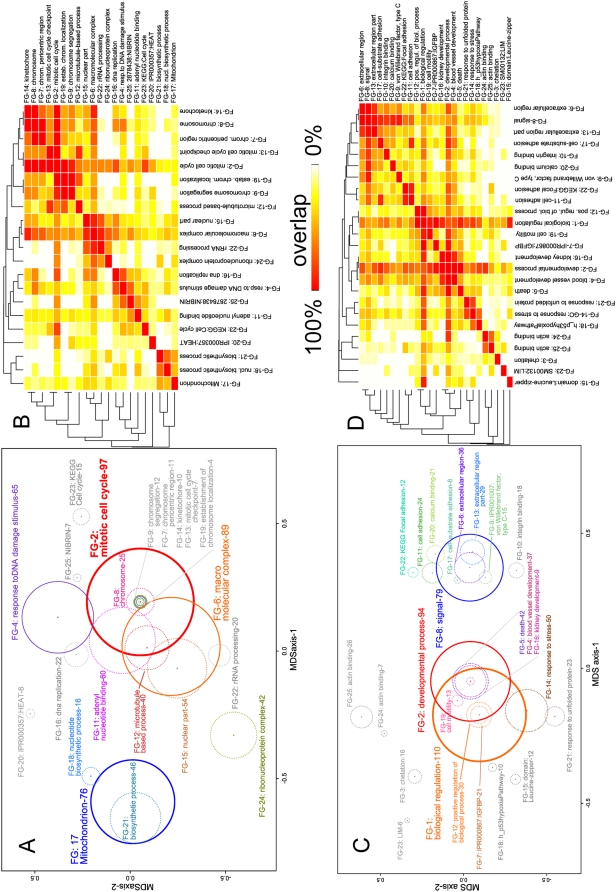
METHODOLOGY/PRINCIPAL FINDINGS: In this study, a molecular function map of ESFT was constructed based on an integrative analysis of gene expression profiling experiments following EWS-FLI1 knockdown in a panel of five ESFT cell lines, and on gene expression data from the same platform of 59 primary ESFT. Out of 80 normal tissues tested, mesenchymal progenitor cells (MPC) were found to fit the hypothesis that EWS-FLI1 is the driving transcriptional force in ESFT best and were therefore used as the reference tissue for the construction of the molecular function map. The interrelations of molecular pathways were visualized by measuring the similarity among annotated gene functions by gene sharing. The molecular function map highlighted distinct clusters of activities for EWS-FLI1 regulated genes in ESFT and revealed a striking difference between EWS-FLI1 up- and down-regulated genes: EWS-FLI1 induced genes mainly belong to cell cycle regulation, proliferation, and response to DNA damage, while repressed genes were associated with differentiation and cell communication.
CONCLUSIONS/SIGNIFICANCE: This study revealed that EWS-FLI1 combines by distinct molecular mechanisms two important functions of cellular transformation in one protein, growth promotion and differentiation blockage. By taking MPC as a reference tissue, a significant EWS-FLI1 signature was discovered in ESFT that only partially overlapped with previously published EWS-FLI1-dependent gene expression patterns, identifying a series of novel targets for the chimeric protein in ESFT. Our results may guide target selection for future ESFT specific therapies.
EWS-FLI1是一种嵌合型ETS转录因子,由于染色体重排,它在尤因肉瘤家族肿瘤(ESFT)中特异性表达,并被认为引发该疾病的发展。先前的基因组分析实验已鉴定出EWS-FLI1调控的基因以及区分ESFT与其他肉瘤的基因,但迄今为止,尚缺乏对这种侵袭性癌症所具有的EWS-FLI1依赖性分子功能的全面分析。
方法/主要发现:在本研究中,基于对一组5种ESFT细胞系中EWS-FLI1敲低后的基因表达谱实验以及来自59例原发性ESFT的相同平台的基因表达数据进行综合分析,构建了ESFT的分子功能图谱。在所测试的80种正常组织中,发现间充质祖细胞(MPC)最符合EWS-FLI1是ESFT中驱动转录力量的假设,因此被用作构建分子功能图谱的参考组织。通过基因共享测量注释基因功能之间的相似性,可视化分子途径的相互关系。分子功能图谱突出显示了ESFT中EWS-FLI1调控基因的不同活性簇,并揭示了EWS-FLI1上调和下调基因之间的显著差异:EWS-FLI1诱导的基因主要属于细胞周期调控、增殖和对DNA损伤的反应,而被抑制的基因与分化和细胞通讯相关。
结论/意义:本研究表明,EWS-FLI1通过独特的分子机制在一种蛋白质中结合了细胞转化的两个重要功能,即促进生长和阻断分化。以MPC作为参考组织,在ESFT中发现了一个显著的EWS-FLI1特征,该特征仅部分与先前发表的EWS-FLI1依赖性基因表达模式重叠,从而确定了ESFT中嵌合蛋白的一系列新靶点。我们的结果可能为未来ESFT特异性治疗的靶点选择提供指导。