Babu Subash, Kumaraswami V, Nutman Thomas B
National Institutes of Health-International Center for Excellence in Research, Chennai, India.
J Infect Dis. 2009 Jun 15;199(12):1827-37. doi: 10.1086/599090.
Monocytes/macrophages from filaria-infected animals exhibit an alternatively activated phenotype; however, very little is known about the alternative activation phenotype of monocytes in human filarial infection.
To elucidate the activation and cytokine profile of monocytes in human filarial infection, we examined the expression patterns of genes encoding arginase, nitric oxide synthase 2, alternative activation markers, and cytokines in monocytes from individuals with asymptomatic filarial infection and individuals without filarial infection, ex vivo and in response to filarial antigen (Brugia malayi antigen [BmA]).
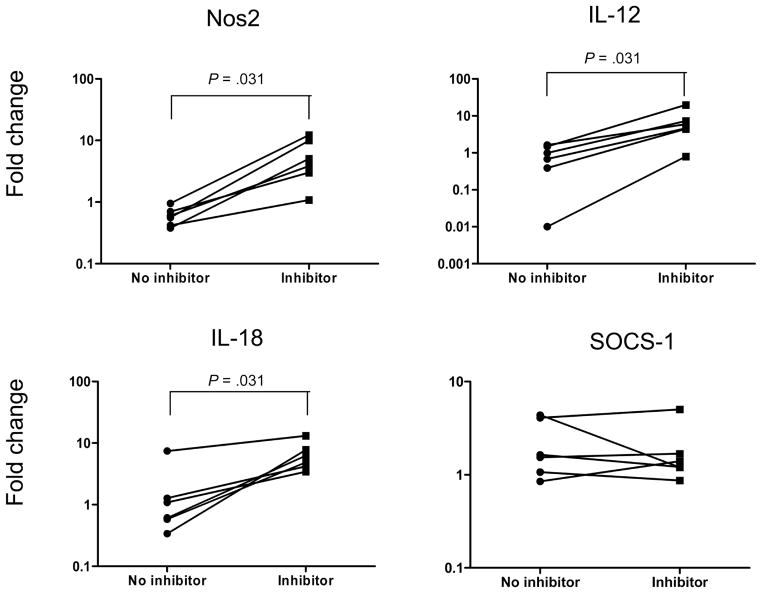
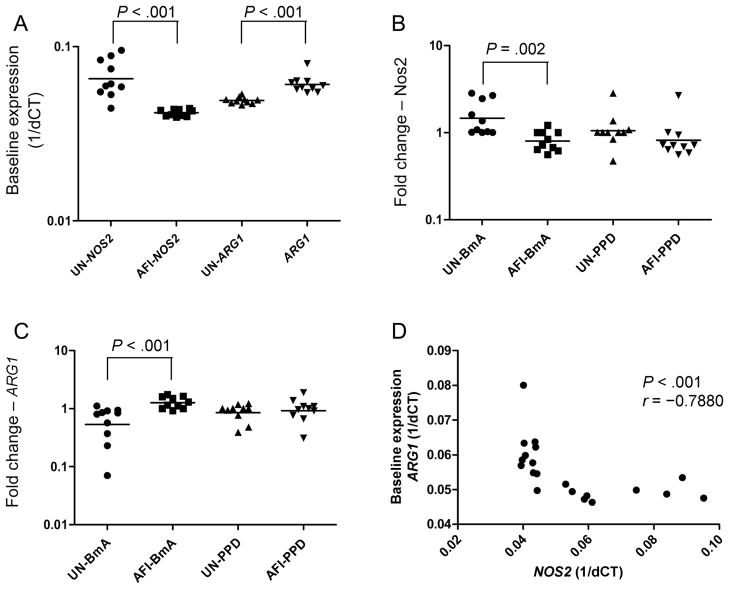
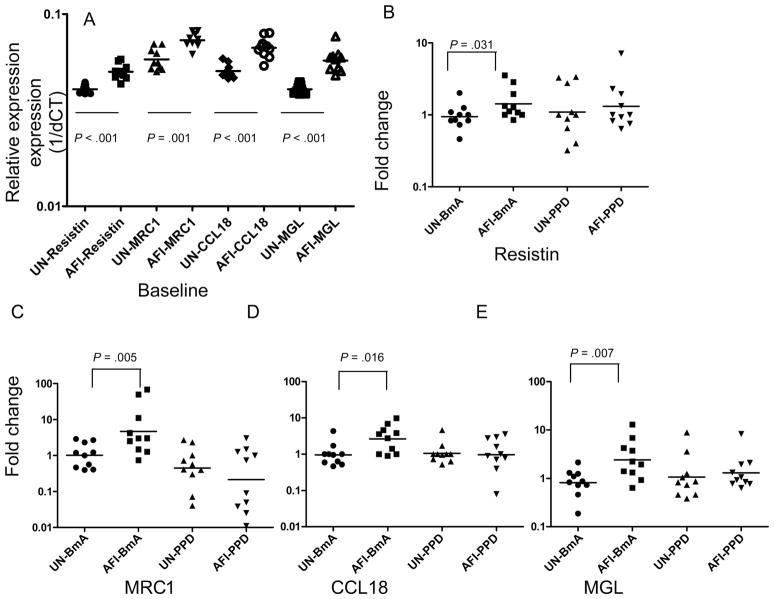
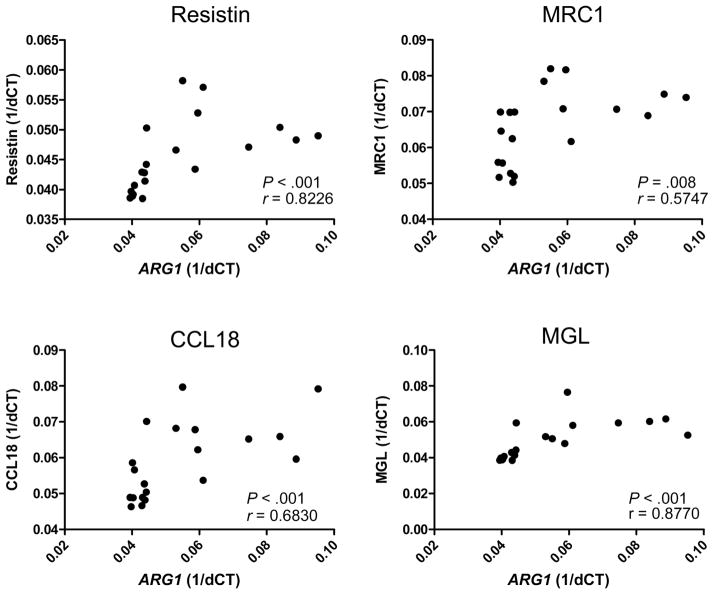
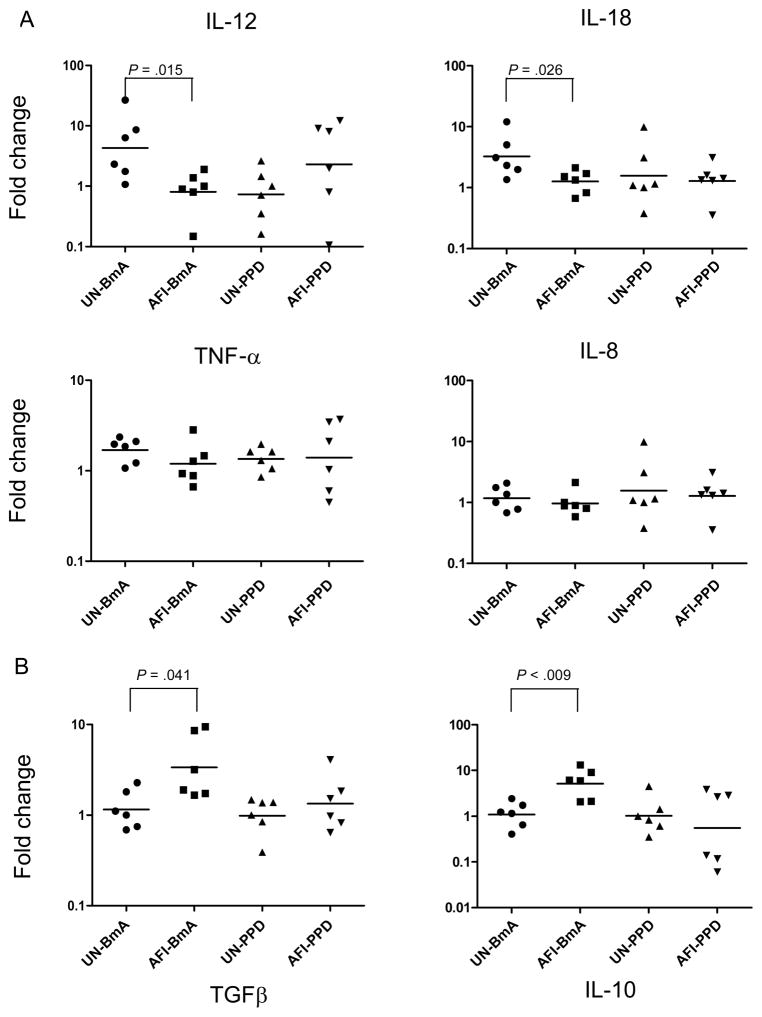
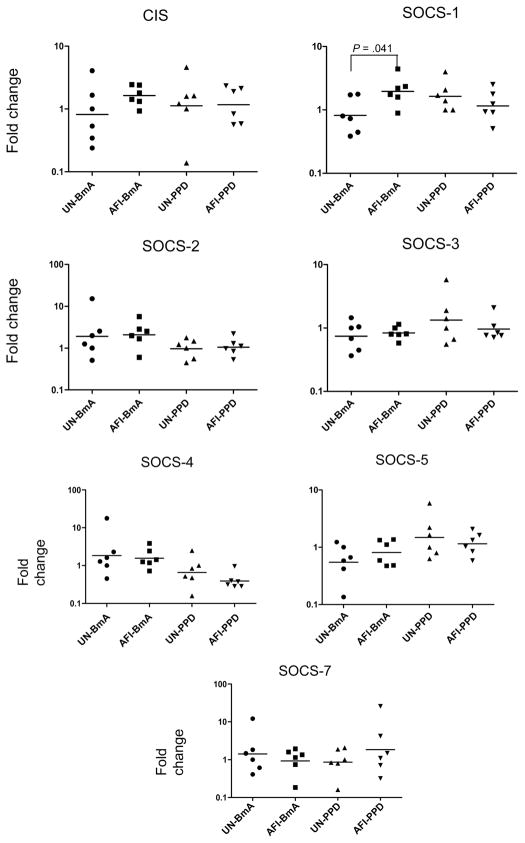
Monocytes from patients with asymptomatic filarial infection exhibited significantly diminished expression of NOS2 and significantly enhanced expression of ARG1. These changes were associated with significantly increased expression of the genes encoding resistin, mannose receptor C type 1 (MRC1), macrophage galactose type C lectin (MGL), and chemokine ligand 18 (CCL18). In response to BmA, purified monocytes from infected individuals also expressed significantly lower levels of interleukin (IL)-12 and IL-18 but, in contrast, expressed significantly higher levels of transforming growth factor beta, IL-10, and suppressor of cytokine signaling 1 mRNA. Inhibition of arginase-1 resulted in significantly diminished expression of the genes encoding resistin, MRC1, MGL, and CCL18, as well as significantly enhanced expression of NOS2 and the genes encoding IL-12 and IL-18.
Patent human filarial infection is associated with the presence of monocytes characterized by an alternatively activated immunoregulatory phenotype.
来自丝虫感染动物的单核细胞/巨噬细胞表现出一种交替激活的表型;然而,对于人类丝虫感染中单核细胞的交替激活表型知之甚少。
为了阐明人类丝虫感染中单核细胞的激活和细胞因子谱,我们检测了来自无症状丝虫感染个体和无丝虫感染个体的单核细胞中编码精氨酸酶、一氧化氮合酶2、交替激活标志物和细胞因子的基因的表达模式,包括体外以及对丝虫抗原(马来布鲁线虫抗原[BmA])的反应。
无症状丝虫感染患者的单核细胞表现出一氧化氮合酶2(NOS2)表达显著降低,精氨酸酶1(ARG1)表达显著增强。这些变化与编码抵抗素、甘露糖受体C1型(MRC1)、巨噬细胞半乳糖型C凝集素(MGL)和趋化因子配体18(CCL18)的基因表达显著增加有关。在对BmA的反应中,来自感染个体的纯化单核细胞也表达显著较低水平的白细胞介素(IL)-12和IL-18,但相反,表达显著较高水平的转化生长因子β、IL-10和细胞因子信号转导抑制因子1 mRNA。精氨酸酶-1的抑制导致编码抵抗素、MRC1、MGL和CCL18的基因表达显著降低,以及NOS2和编码IL-12和IL-18的基因表达显著增强。
人类显性丝虫感染与具有交替激活免疫调节表型的单核细胞的存在有关。