Tate Jennifer A, Joshi Prashant, Soltis Kerry A, Soltis Pamela S, Soltis Douglas E
Institute of Molecular BioSciences, Massey University, Palmerston North, New Zealand.
BMC Plant Biol. 2009 Jun 27;9:80. doi: 10.1186/1471-2229-9-80.
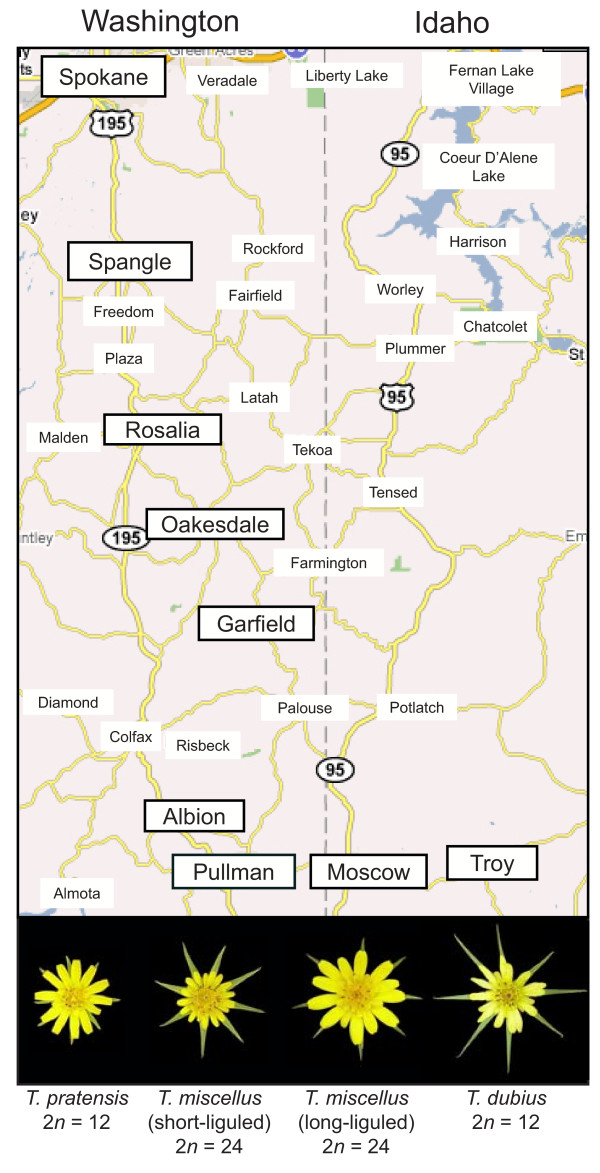
Polyploidy (whole-genome duplication) is an important speciation mechanism, particularly in plants. Gene loss, silencing, and the formation of novel gene complexes are some of the consequences that the new polyploid genome may experience. Despite the recurrent nature of polyploidy, little is known about the genomic outcome of independent polyploidization events. Here, we analyze the fate of genes duplicated by polyploidy (homoeologs) in multiple individuals from ten natural populations of Tragopogon miscellus (Asteraceae), all of which formed independently from T. dubius and T. pratensis less than 80 years ago.
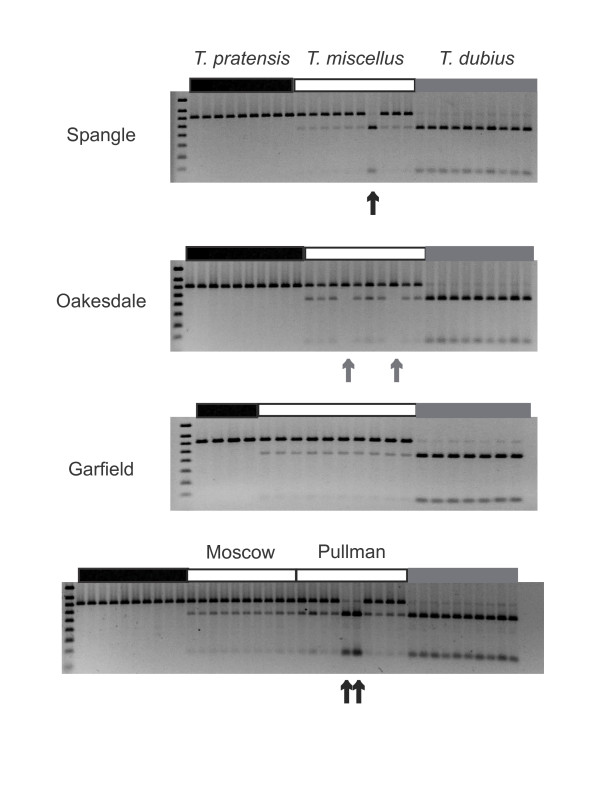
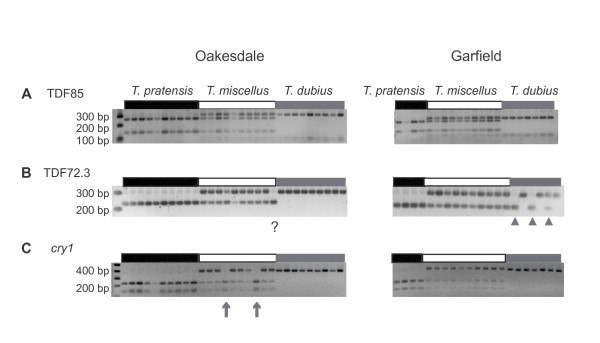
Of the 13 loci analyzed in 84 T. miscellus individuals, 11 showed loss of at least one parental homoeolog in the young allopolyploids. Two loci were retained in duplicate for all polyploid individuals included in this study. Nearly half (48%) of the individuals examined lost a homoeolog of at least one locus, with several individuals showing loss at more than one locus. Patterns of loss were stochastic among individuals from the independently formed populations, except that the T. dubius copy was lost twice as often as T. pratensis.
This study represents the most extensive survey of the fate of genes duplicated by allopolyploidy in individuals from natural populations. Our results indicate that the road to genome downsizing and ultimate genetic diploidization may occur quickly through homoeolog loss, but with some genes consistently maintained as duplicates. Other genes consistently show evidence of homoeolog loss, suggesting repetitive aspects to polyploid genome evolution.
多倍体(全基因组复制)是一种重要的物种形成机制,在植物中尤为如此。基因丢失、沉默以及新基因复合体的形成是新多倍体基因组可能经历的一些后果。尽管多倍体具有反复出现的特性,但对于独立多倍体化事件的基因组结果却知之甚少。在此,我们分析了来自杂种婆罗门参(菊科)十个自然种群的多个个体中因多倍体而复制的基因(同源基因)的命运,所有这些种群均在不到80年前由 dubius婆罗门参和草地婆罗门参独立形成。
在对84个杂种婆罗门参个体分析的13个基因座中,11个在年轻的异源多倍体中显示出至少一个亲本同源基因的丢失。本研究中纳入的所有多倍体个体的两个基因座以重复形式保留。近一半(48%)的被检测个体丢失了至少一个基因座的同源基因,有几个个体在多个基因座出现丢失。在独立形成的种群中的个体间,丢失模式是随机的,只是 dubius婆罗门参的拷贝丢失频率是草地婆罗门参的两倍。
本研究是对自然种群个体中异源多倍体复制基因命运的最广泛调查。我们的结果表明,通过同源基因丢失,基因组缩小和最终遗传二倍体化的过程可能会迅速发生,但一些基因会持续以重复形式保留。其他基因则持续显示出同源基因丢失的证据,这表明多倍体基因组进化存在重复性。