Trushina Eugenia, Rana Sandeep, McMurray Cynthia T, Hua Duy H
Department of Chemistry, CBC Building, Kansas State University, Manhattan, KS 66506, USA.
BMC Neurosci. 2009 Jul 8;10:73. doi: 10.1186/1471-2202-10-73.
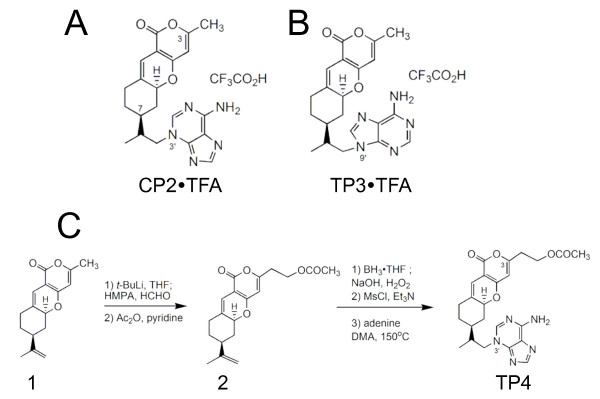
Huntington's disease (HD) is a progressive neurodegenerative disorder caused by a CAG repeat expansion mutation in the coding region of a novel gene. The mechanism of HD is unknown. Most data suggest that polyglutamine-mediated aggregation associated with expression of mutant huntingtin protein (mhtt) contributes to the pathology. However, recent studies have identified early cellular dysfunctions that preclude aggregate formation. Suppression of aggregation is accepted as one of the markers of successful therapeutic approaches. Previously, we demonstrated that tricyclic pyrone (TP) compounds efficiently inhibited formation of amyloid-beta (Abeta) aggregates in cell and mouse models representing Alzheimer's Disease (AD). In the present study, we aimed to determine whether TP compounds could prevent aggregation and restore early cellular defects in primary embryonic striatal neurons from animal model representing HD.
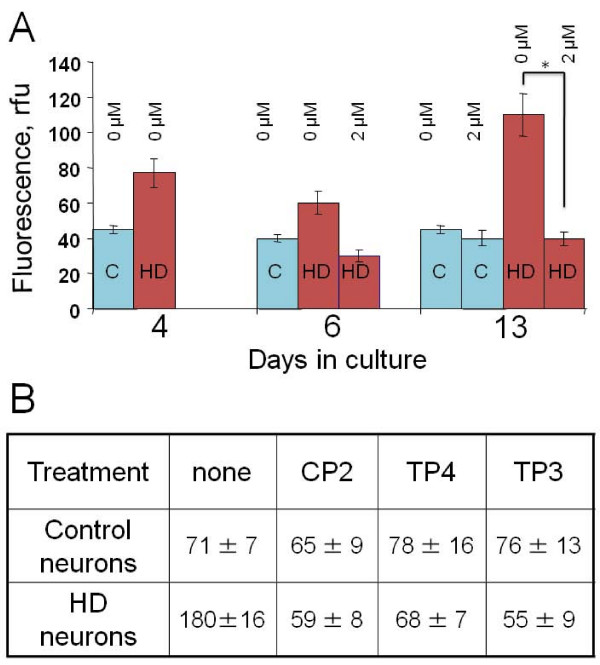
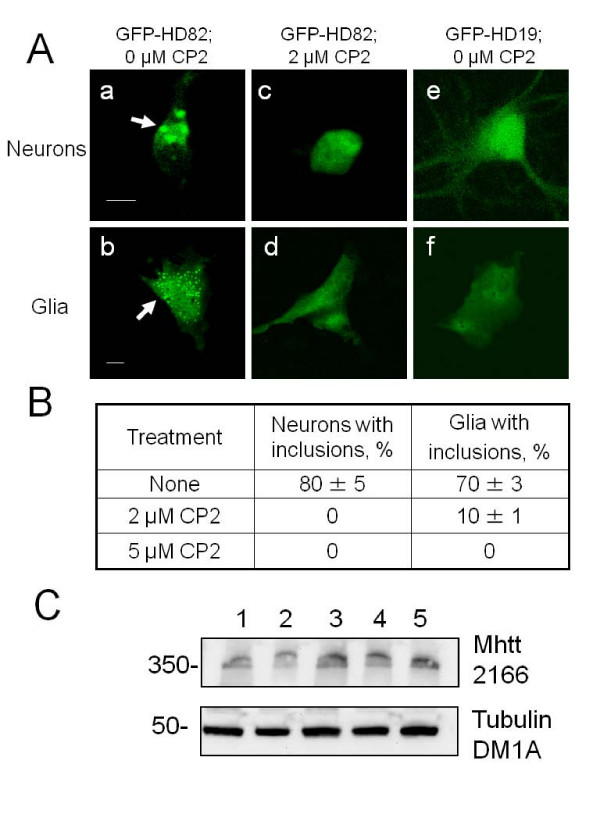
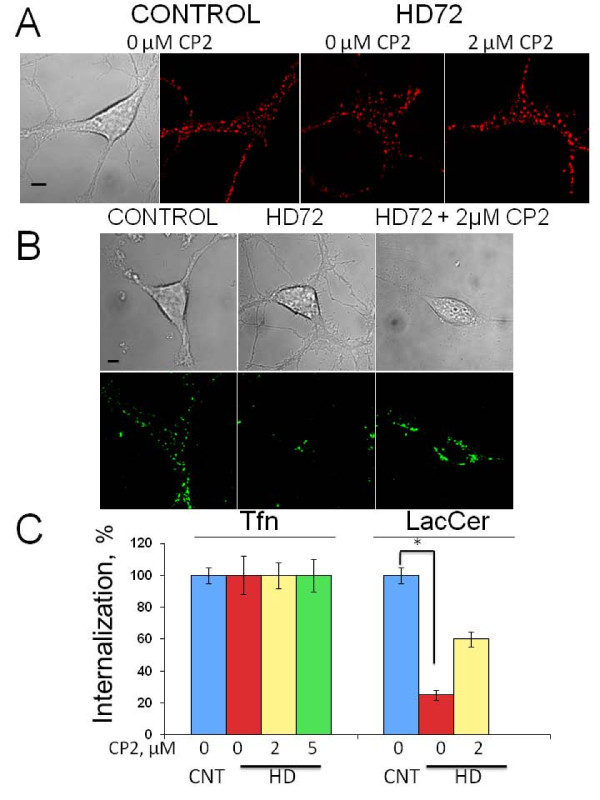
TP compounds effectively inhibit aggregation caused by mhtt in neurons and glial cells. Treatment with TP compounds also alleviated cholesterol accumulation and restored clathrin-independent endocytosis in HD neurons.
We have found that TP compounds not only blocked mhtt-induced aggregation, but also alleviated early cellular dysfunctions that preclude aggregate formation. Our data suggest TP molecules may be used as lead compounds for prevention or treatment of multiple neurodegenerative diseases including HD and AD.
亨廷顿舞蹈症(HD)是一种由新基因编码区的CAG重复扩增突变引起的进行性神经退行性疾病。HD的发病机制尚不清楚。大多数数据表明,与突变型亨廷顿蛋白(mhtt)表达相关的聚谷氨酰胺介导的聚集是导致病变的原因。然而,最近的研究发现了一些早期细胞功能障碍,这些功能障碍会阻止聚集体的形成。抑制聚集被认为是成功治疗方法的标志之一。此前,我们证明了三环吡喃(TP)化合物在代表阿尔茨海默病(AD)的细胞和小鼠模型中能有效抑制β-淀粉样蛋白(Aβ)聚集体的形成。在本研究中,我们旨在确定TP化合物是否能预防代表HD的动物模型的原代胚胎纹状体神经元中的聚集并恢复早期细胞缺陷。
TP化合物能有效抑制神经元和神经胶质细胞中由mhtt引起的聚集。用TP化合物处理还能减轻HD神经元中的胆固醇积累并恢复网格蛋白非依赖性内吞作用。
我们发现TP化合物不仅能阻止mhtt诱导的聚集,还能减轻那些阻止聚集体形成的早期细胞功能障碍。我们的数据表明,TP分子可作为预防或治疗包括HD和AD在内的多种神经退行性疾病的先导化合物。