Department of Genetics, North Carolina State University, Raleigh, North Carolina 27695, USA.
Genome Biol. 2009;10(7):R76. doi: 10.1186/gb-2009-10-7-r76. Epub 2009 Jul 16.
Aggressive behavior is an important component of fitness in most animals. Aggressive behavior is genetically complex, with natural variation attributable to multiple segregating loci with allelic effects that are sensitive to the physical and social environment. However, we know little about the genes and genetic networks affecting natural variation in aggressive behavior. Populations of Drosophila melanogaster harbor quantitative genetic variation in aggressive behavior, providing an excellent model system for dissecting the genetic basis of naturally occurring variation in aggression.
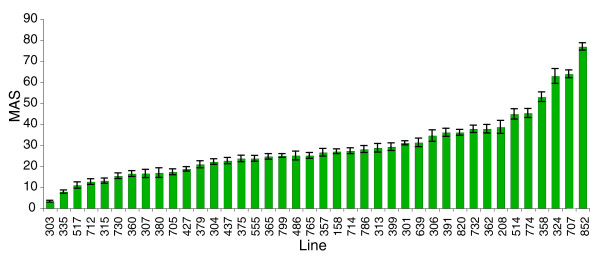
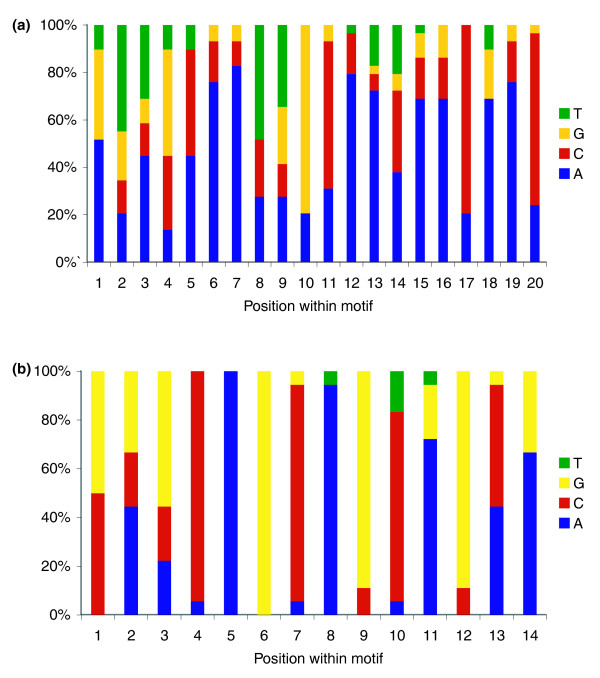
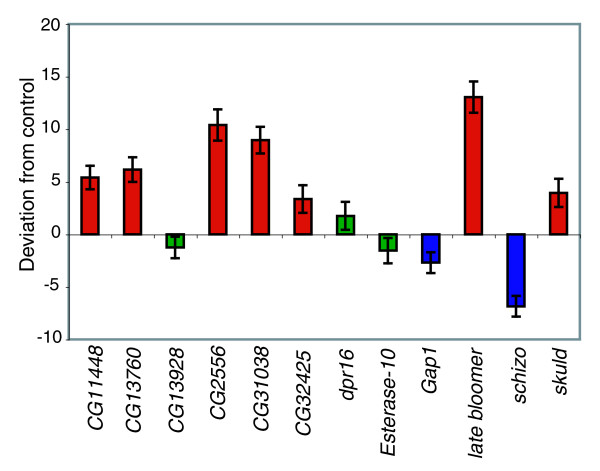
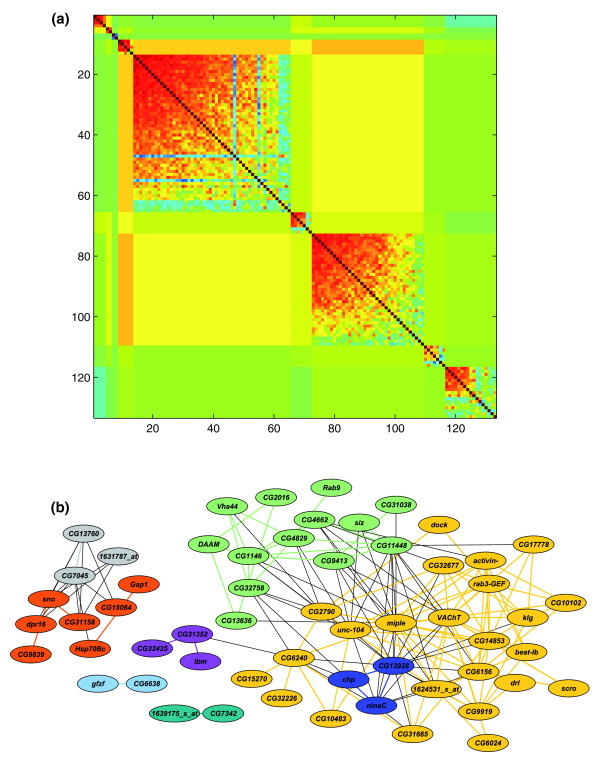
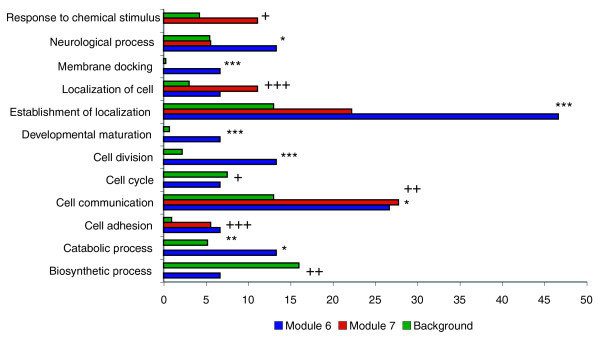
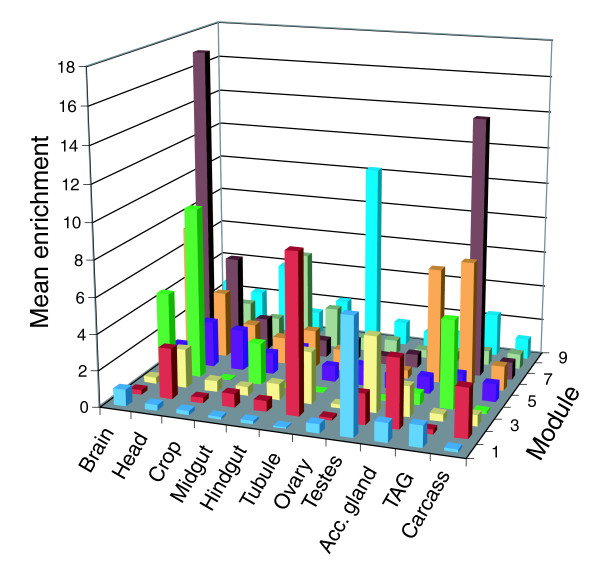
Correlating variation in transcript abundance with variation in complex trait phenotypes is a rapid method for identifying candidate genes. We quantified aggressive behavior in 40 wild-derived inbred lines of D. melanogaster and performed a genome-wide association screen for quantitative trait transcripts and single feature polymorphisms affecting aggression. We identified 266 novel candidate genes associated with aggressive behavior, many of which have pleiotropic effects on metabolism, development, and/or other behavioral traits. We performed behavioral tests of mutations in 12 of these candidate genes, and show that nine indeed affected aggressive behavior. We used the genetic correlations among the quantitative trait transcripts to derive a transcriptional genetic network associated with natural variation in aggressive behavior. The network consists of nine modules of correlated transcripts that are enriched for genes affecting common functions, tissue-specific expression patterns, and/or DNA sequence motifs.
Correlations among genetically variable transcripts that are associated with genetic variation in organismal behavior establish a foundation for understanding natural variation for complex behaviors in terms of networks of interacting genes.
攻击行为是大多数动物适应能力的一个重要组成部分。攻击行为的遗传机制非常复杂,其天然变异可归因于多个分离的基因座,这些基因座的等位基因效应易受物理和社会环境的影响。然而,我们对影响攻击行为天然变异的基因和遗传网络知之甚少。黑腹果蝇(Drosophila melanogaster)种群在攻击行为方面存在数量遗传变异,为解析攻击行为的自然发生变异的遗传基础提供了一个极佳的模式系统。
将转录物丰度的变化与复杂性状表型的变化相关联是鉴定候选基因的一种快速方法。我们对 40 个野生衍生近交系黑腹果蝇的攻击行为进行了量化,并对影响攻击行为的数量性状转录物和单一特征多态性进行了全基因组关联筛选。我们确定了 266 个与攻击行为相关的新候选基因,其中许多基因对代谢、发育和/或其他行为特征具有多效性影响。我们对这些候选基因中的 12 个进行了突变的行为测试,并证实其中 9 个确实影响了攻击行为。我们利用定量性状转录物之间的遗传相关性,构建了一个与攻击行为天然变异相关的转录遗传网络。该网络由九个相关转录物模块组成,这些模块富含影响共同功能、组织特异性表达模式和/或 DNA 序列基序的基因。
与机体行为遗传变异相关的遗传可变性转录物之间的相关性为理解复杂行为的自然变异提供了一个基础,即相互作用基因的网络。