Kagina Benjamin M N, Abel Brian, Bowmaker Mark, Scriba Thomas J, Gelderbloem Sebastian, Smit Erica, Erasmus Mzwandile, Nene Nonhlanhla, Walzl Gerhard, Black Gillian, Hussey Gregory D, Hesseling Anneke C, Hanekom Willem A
South African Tuberculosis Vaccine Initiative (SATVI), Institute of Infectious Diseases and Molecular Medicine and School of Child and Adolescent Health, University of Cape Town, Cape Town, South Africa.
Vaccine. 2009 Sep 4;27(40):5488-95. doi: 10.1016/j.vaccine.2009.06.103. Epub 2009 Jul 17.
In most tuberculosis (TB) endemic countries, bacillus Calmette-Guérin (BCG) is usually given around birth to prevent severe TB in infants. The neonatal immune system is immature. Our hypothesis was that delaying BCG vaccination from birth to 10 weeks of age would enhance the vaccine-induced immune response.
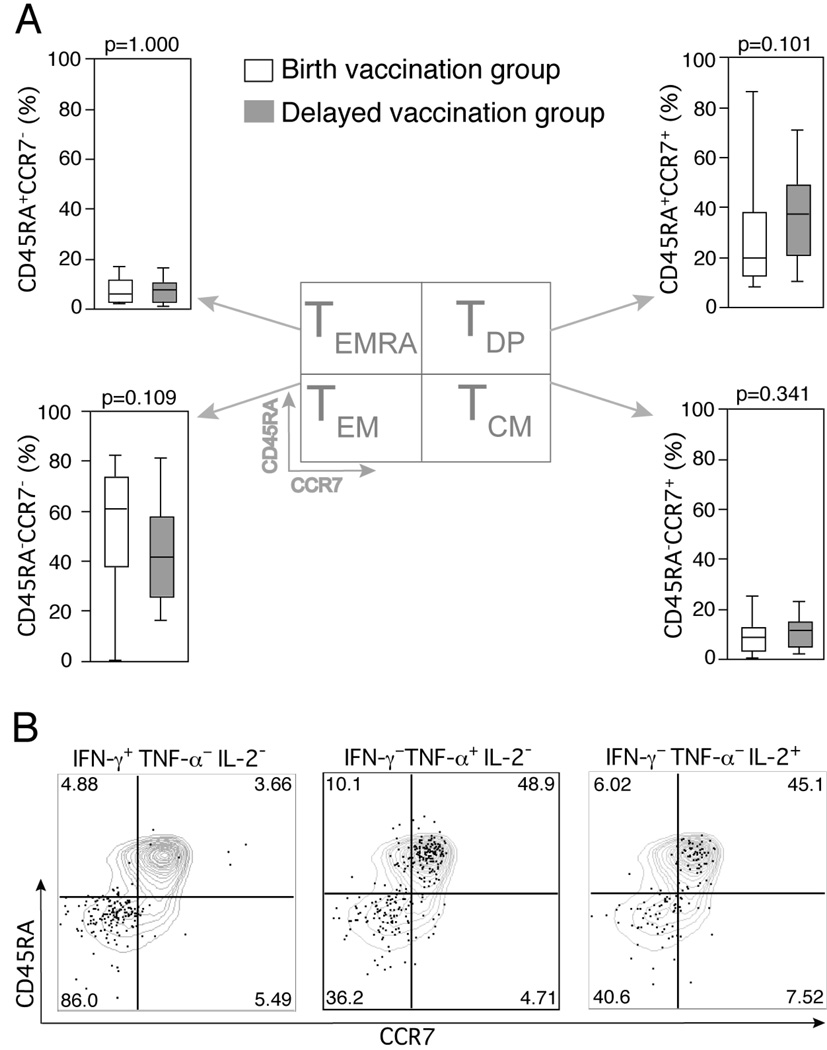
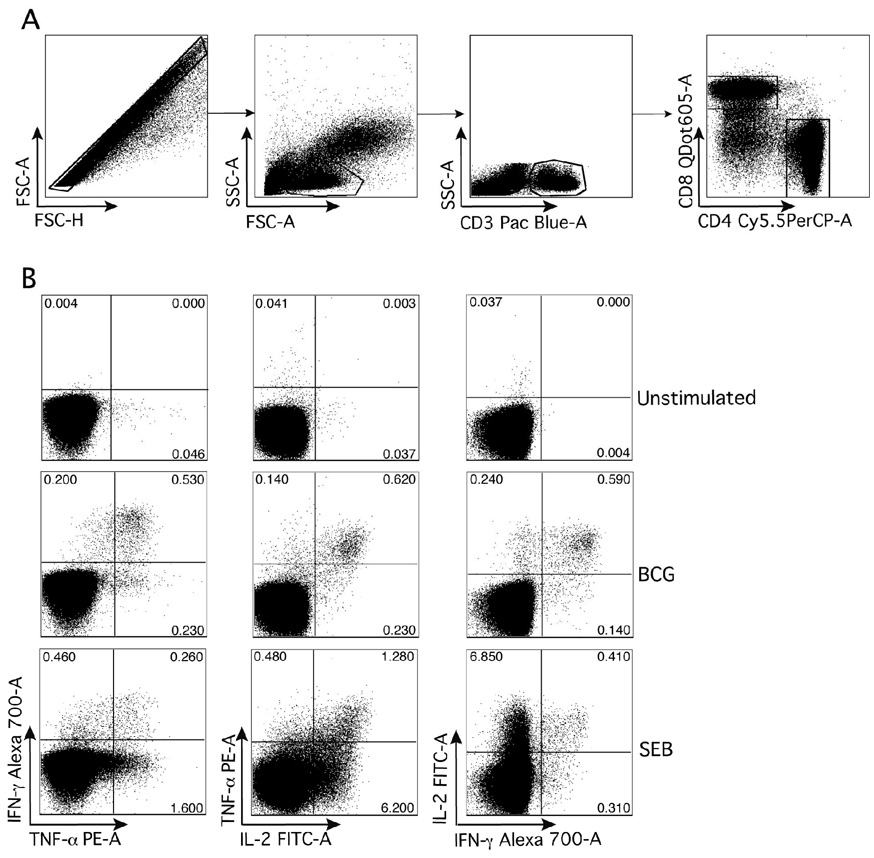
In a randomized clinical trial, BCG was administered intradermally either at birth (n=25) or at 10 weeks of age (n=21). Ten weeks after vaccination, and at 1 year of age, vaccine-specific CD4 and CD8 T cell responses were measured with a whole blood intracellular cytokine assay.
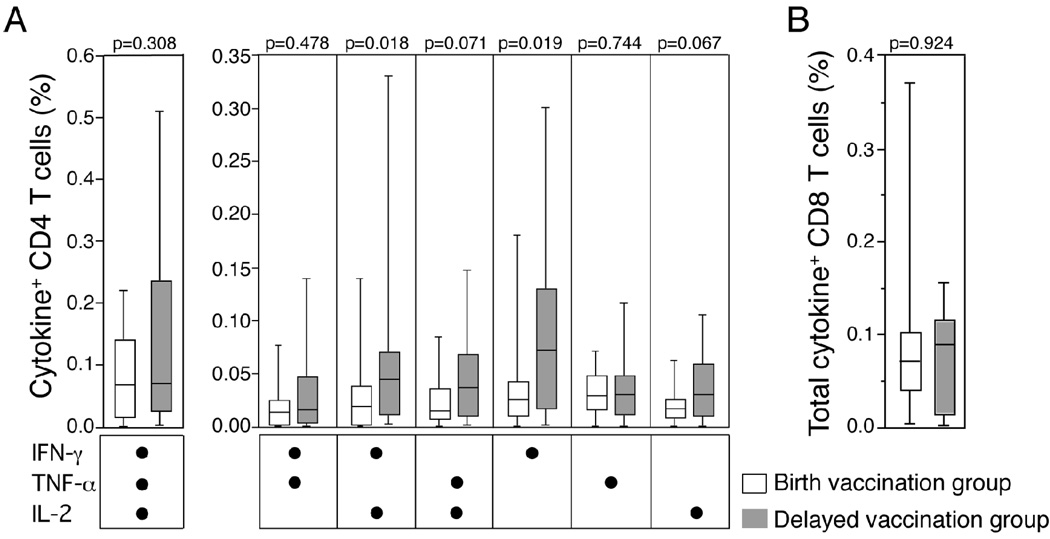
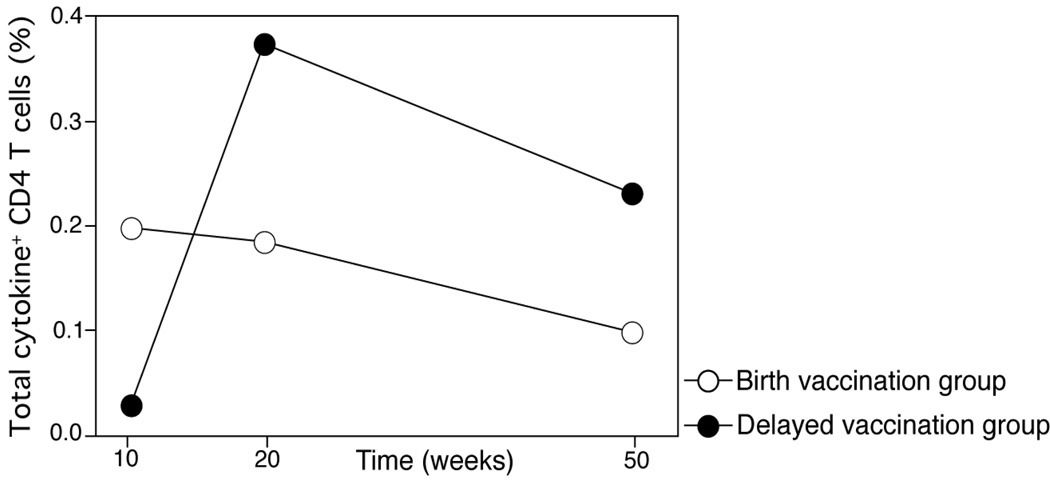
Infants who received delayed BCG vaccination demonstrated higher frequencies of BCG-specific CD4 T cells, particularly polyfunctional T cells co-expressing IFN-gamma, TNF-alpha and IL-2, and most strikingly at 1 year of age.
Delaying BCG vaccination from birth to 10 weeks of age enhances the quantitative and qualitative BCG-specific T cell response, when measured at 1 year of age.
在大多数结核病流行国家,通常在出生时接种卡介苗(BCG)以预防婴儿严重结核病。新生儿免疫系统不成熟。我们的假设是将卡介苗接种从出生推迟至10周龄会增强疫苗诱导的免疫反应。
在一项随机临床试验中,卡介苗通过皮内注射,分别在出生时(n = 25)或10周龄时(n = 21)接种。接种疫苗10周后以及1岁时,采用全血细胞内细胞因子检测法测量疫苗特异性CD4和CD8 T细胞反应。
接受延迟卡介苗接种的婴儿表现出更高频率的卡介苗特异性CD4 T细胞,特别是共表达γ干扰素、肿瘤坏死因子-α和白细胞介素-2的多功能T细胞,最显著的是在1岁时。
当在1岁时测量时,将卡介苗接种从出生推迟至10周龄可增强卡介苗特异性T细胞反应的数量和质量。