Gómez-Nieto Ricardo, Rubio María E
Department of Physiology and Neurobiology, University of Connecticut, Storrs, Connecticut 06269-3156, USA.
J Comp Neurol. 2009 Oct 1;516(4):241-63. doi: 10.1002/cne.22139.
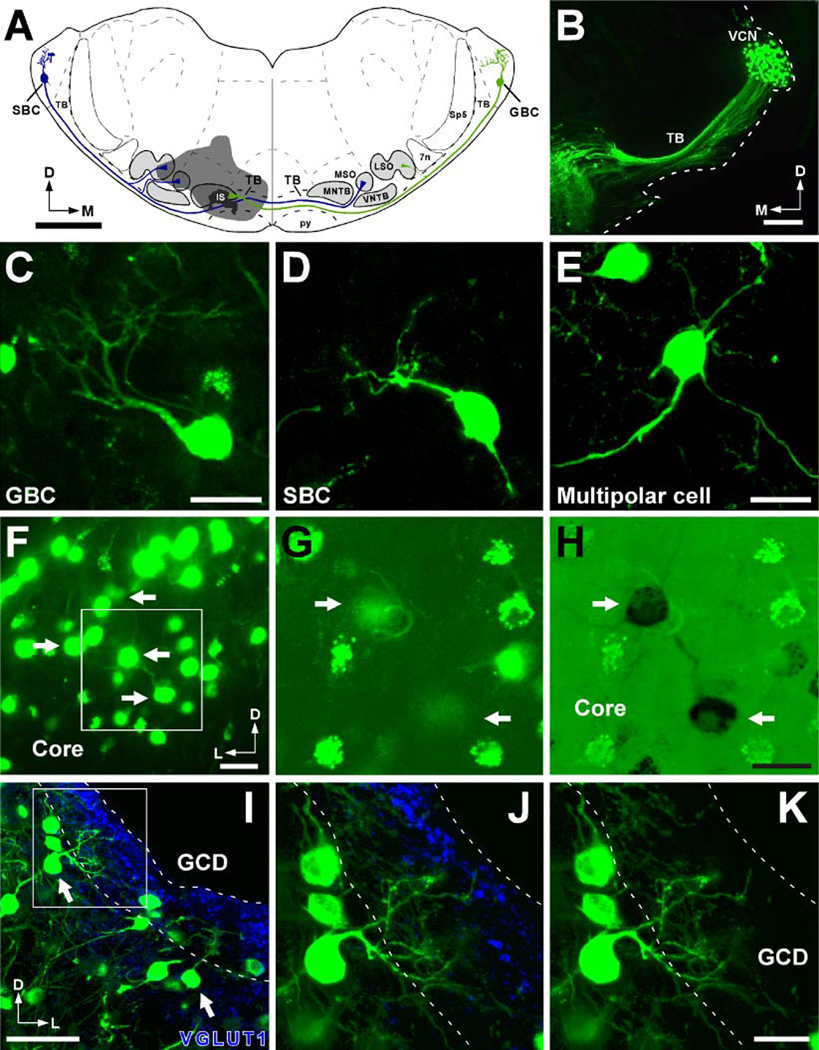
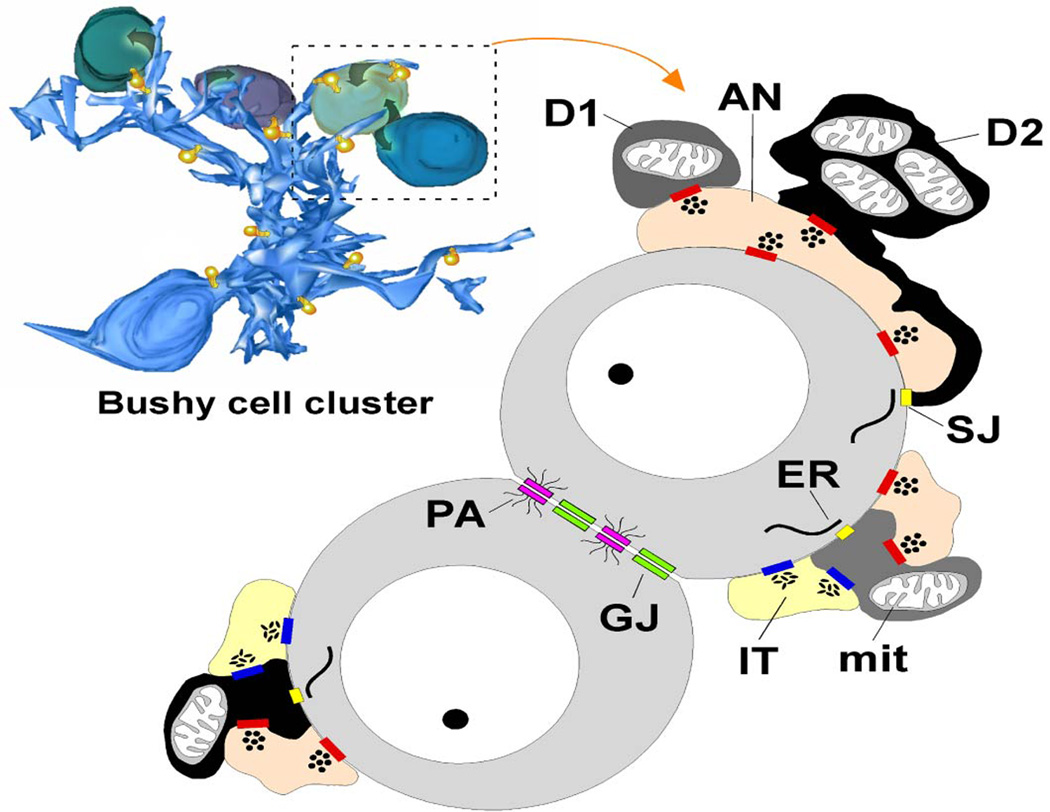
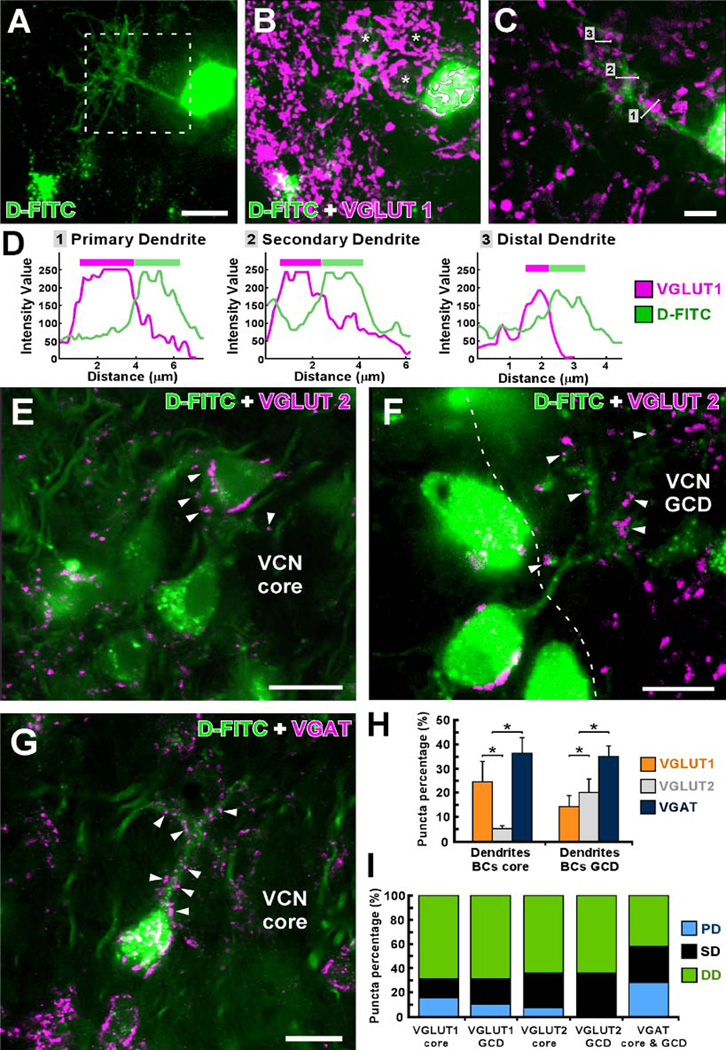
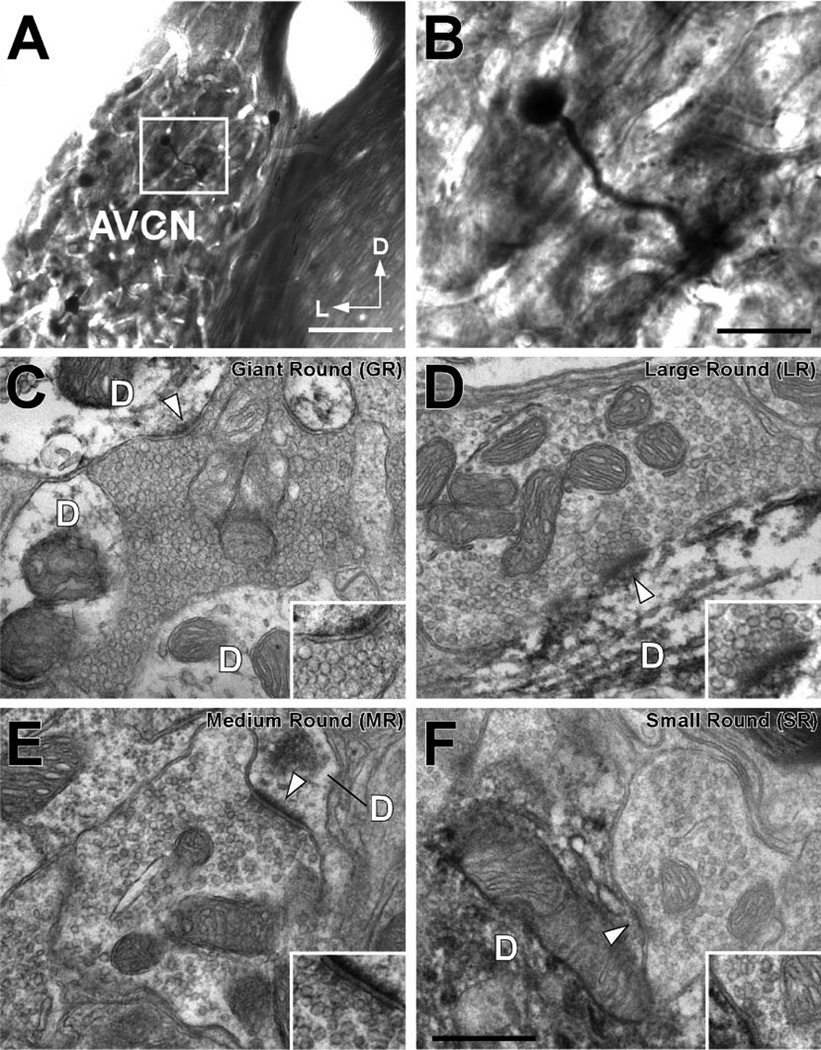
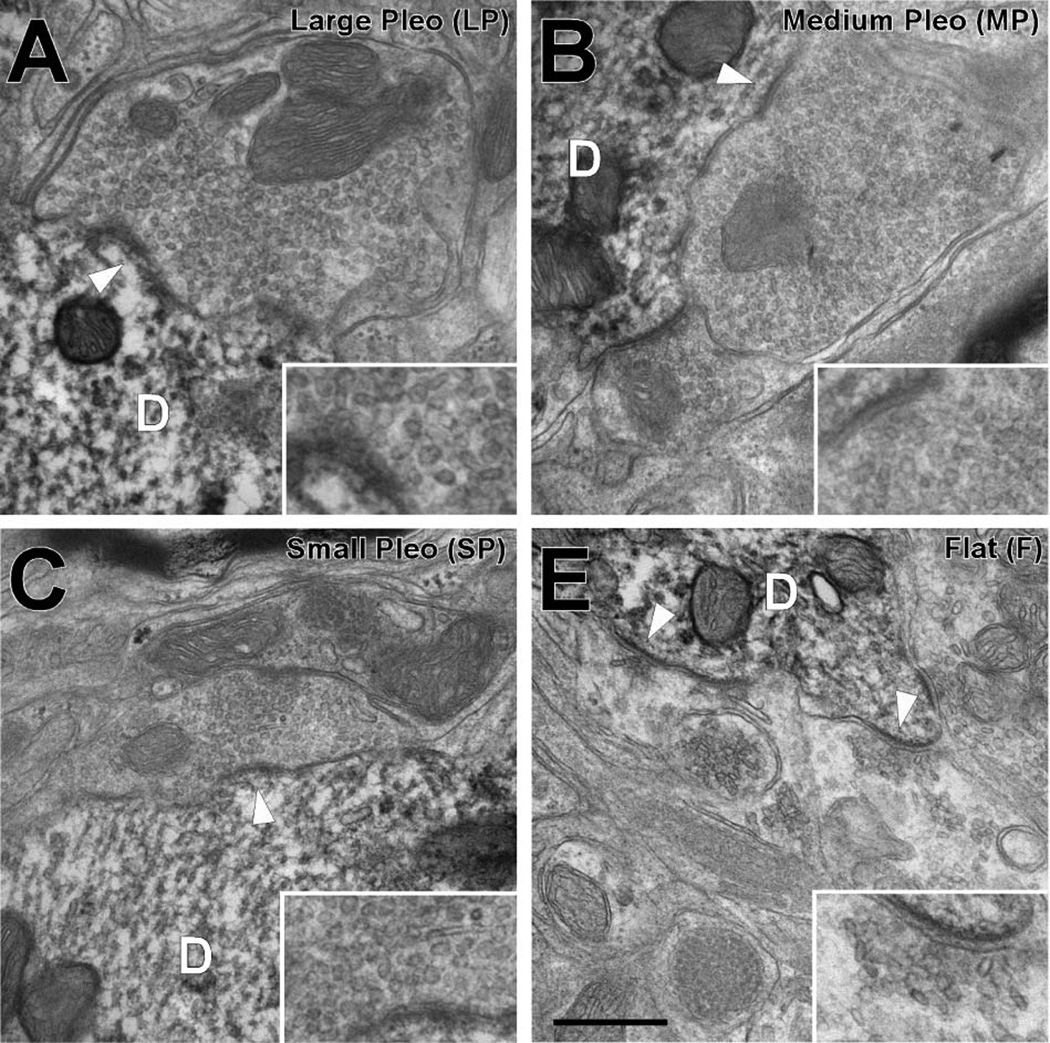
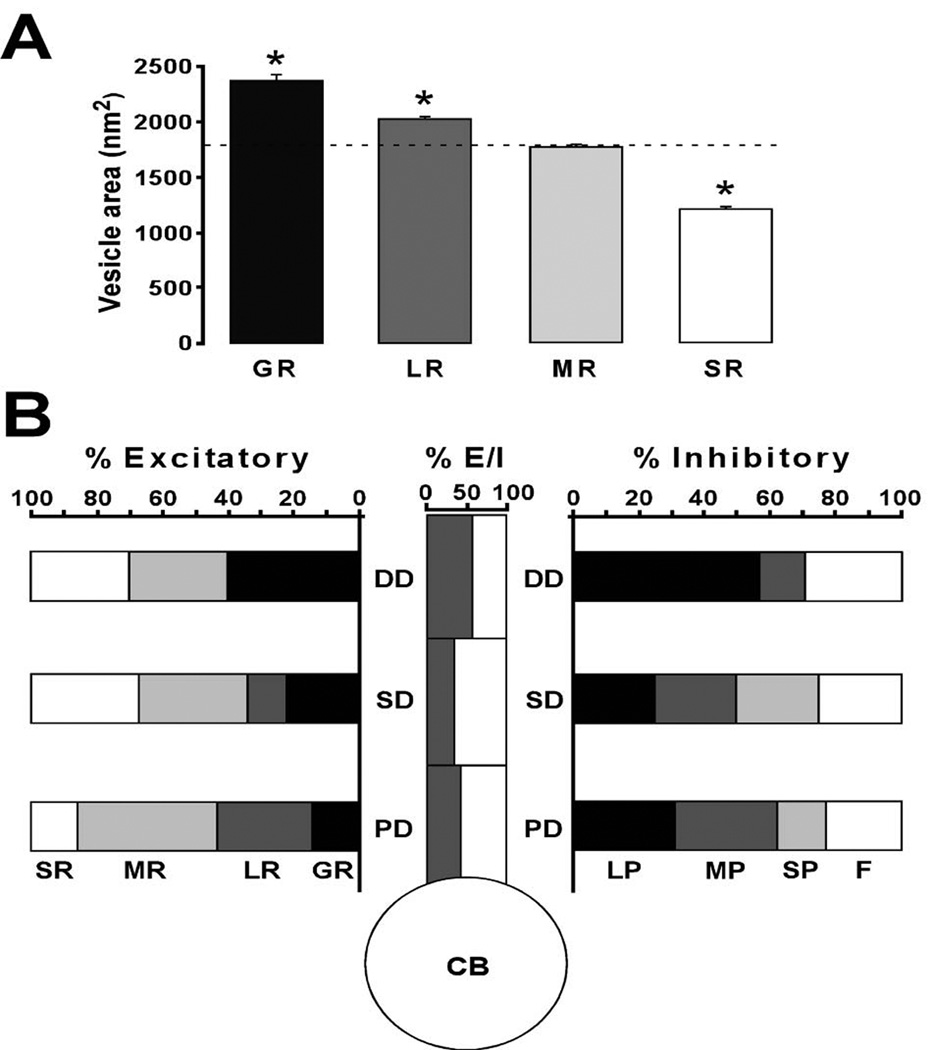
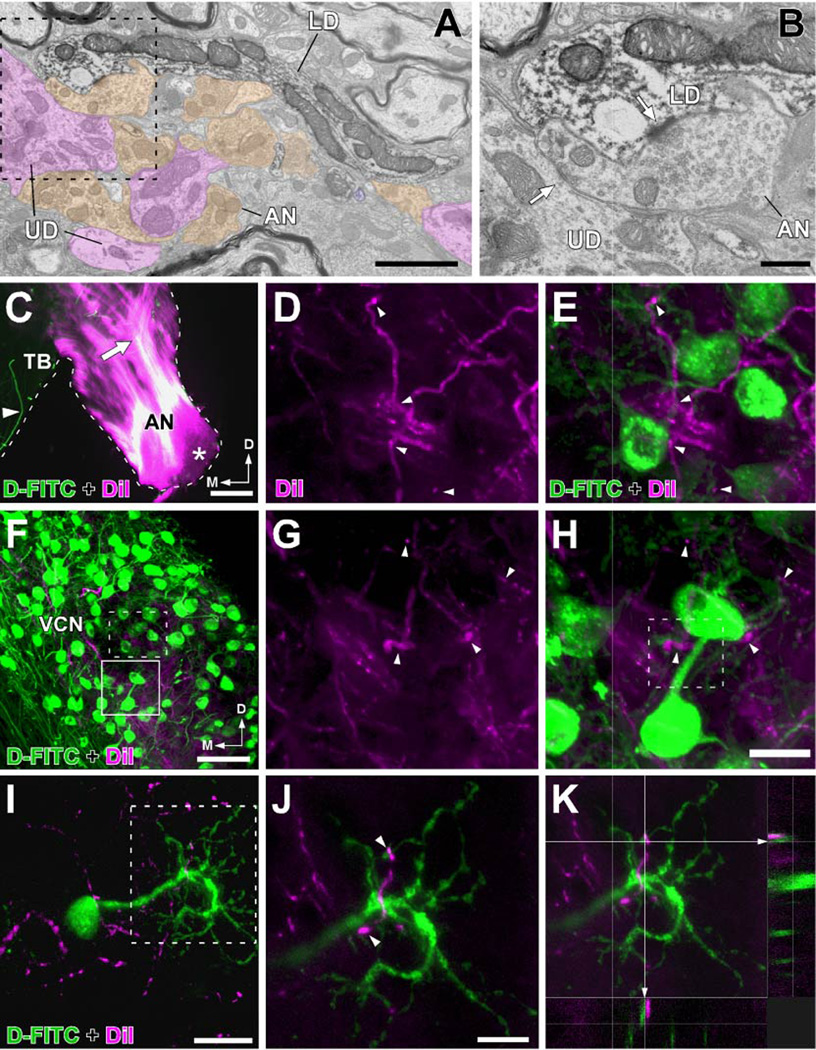
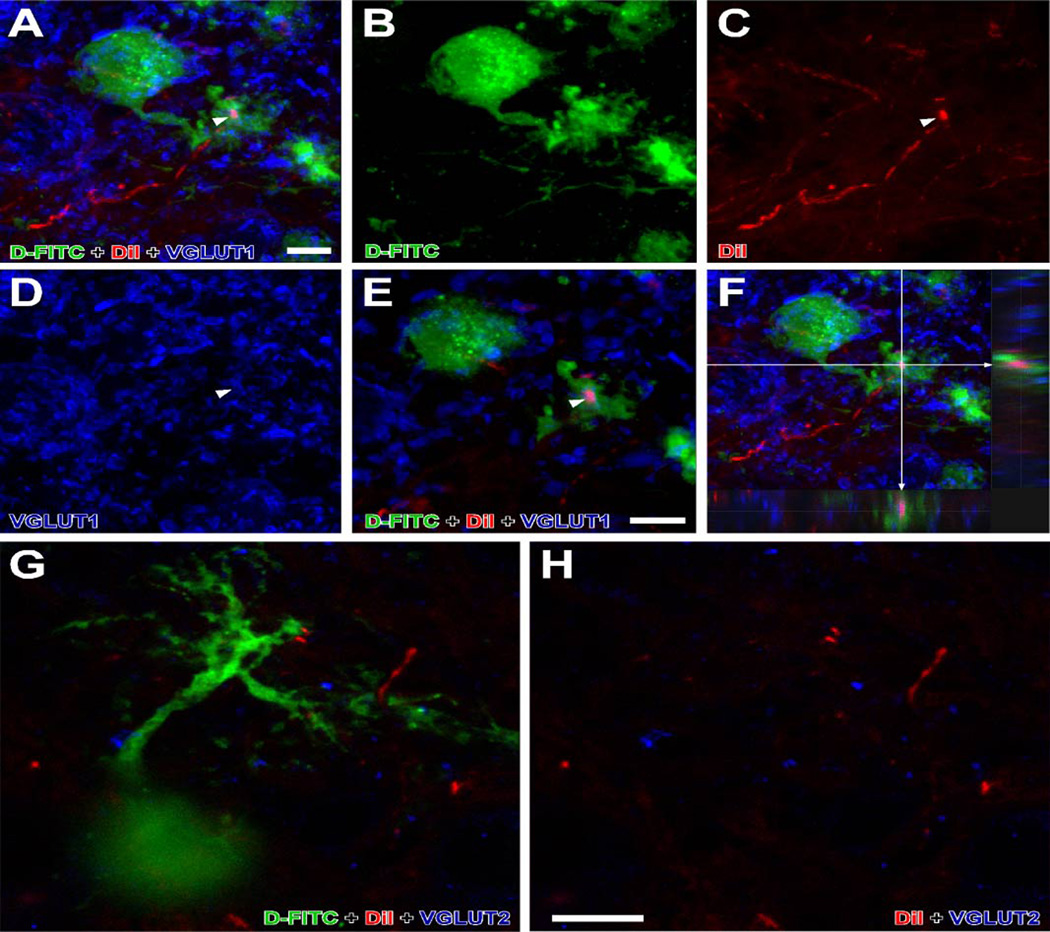
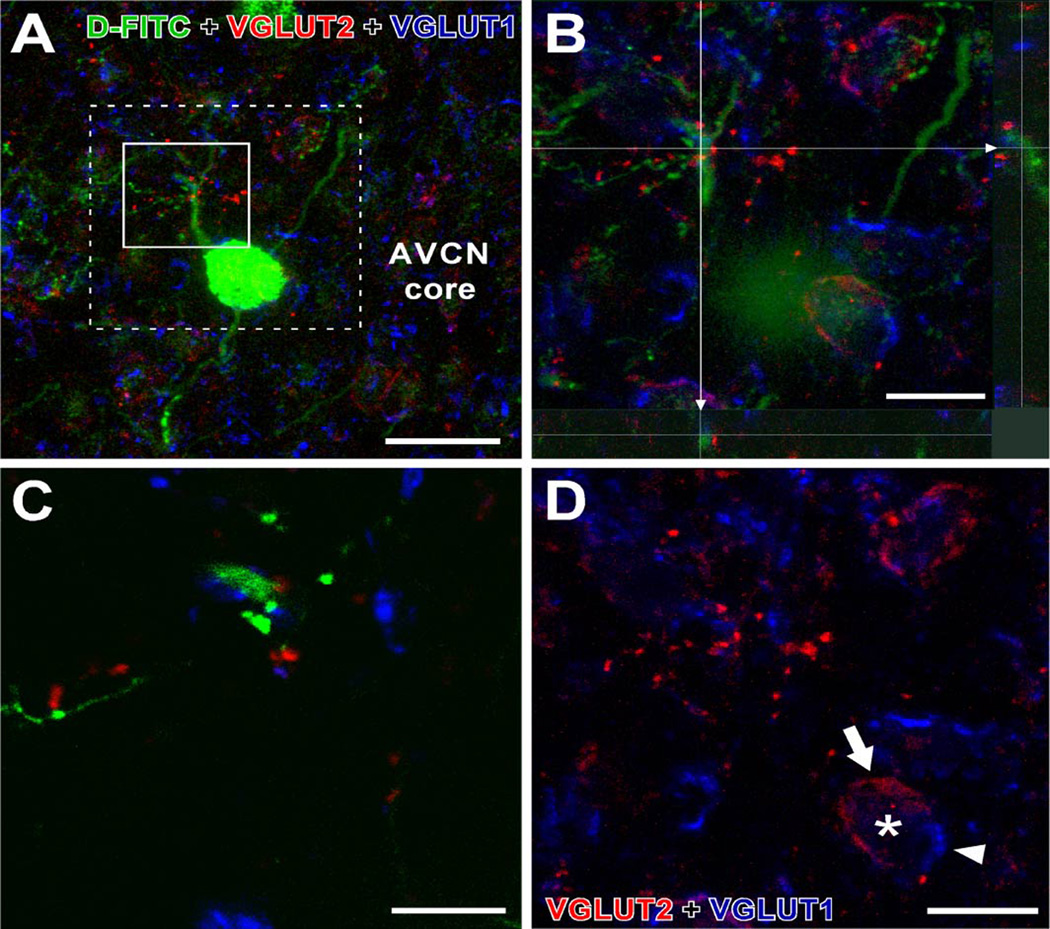
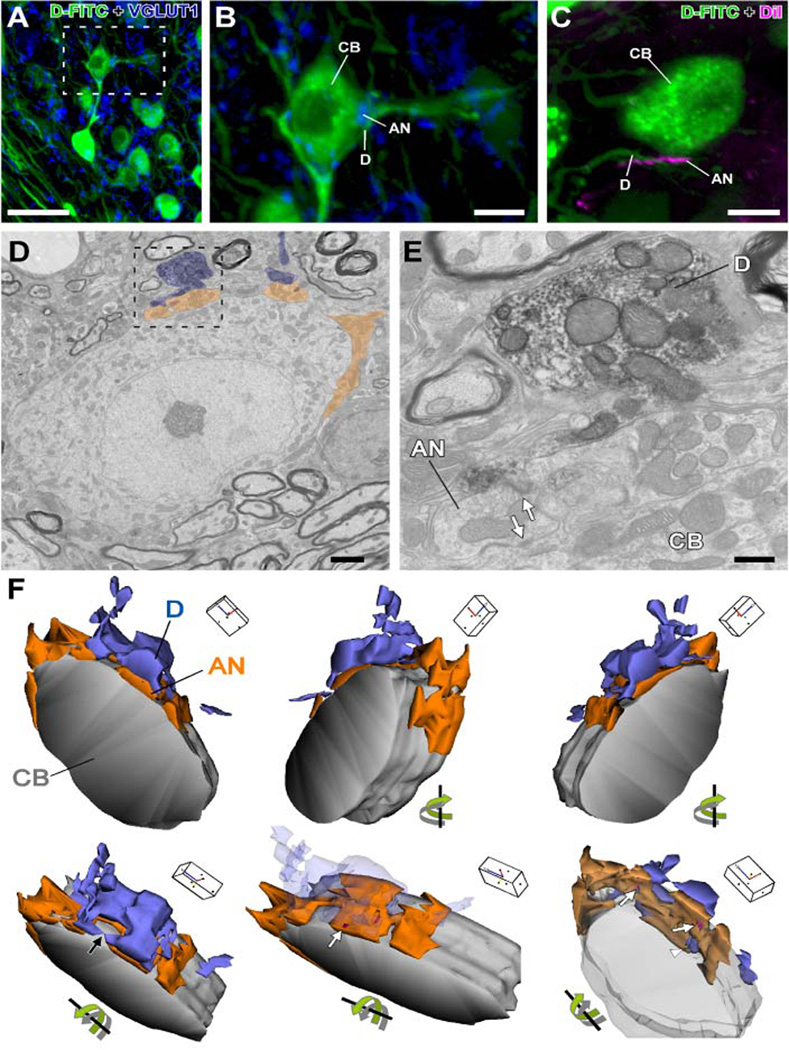
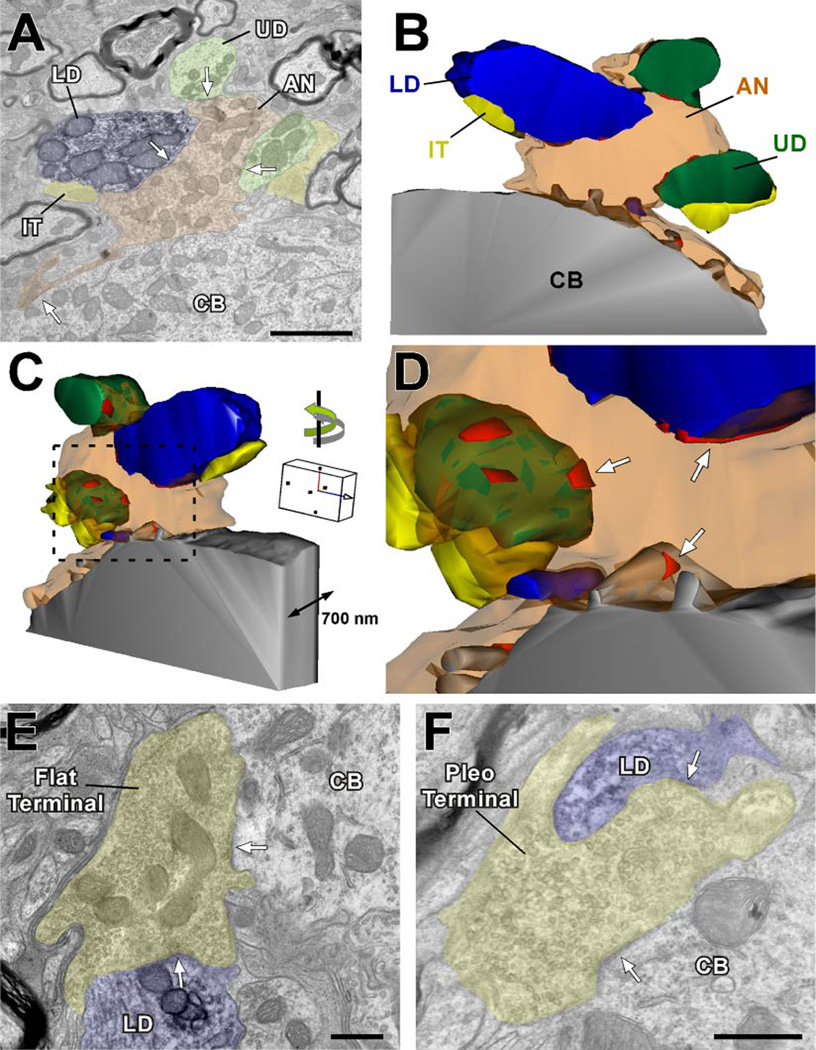
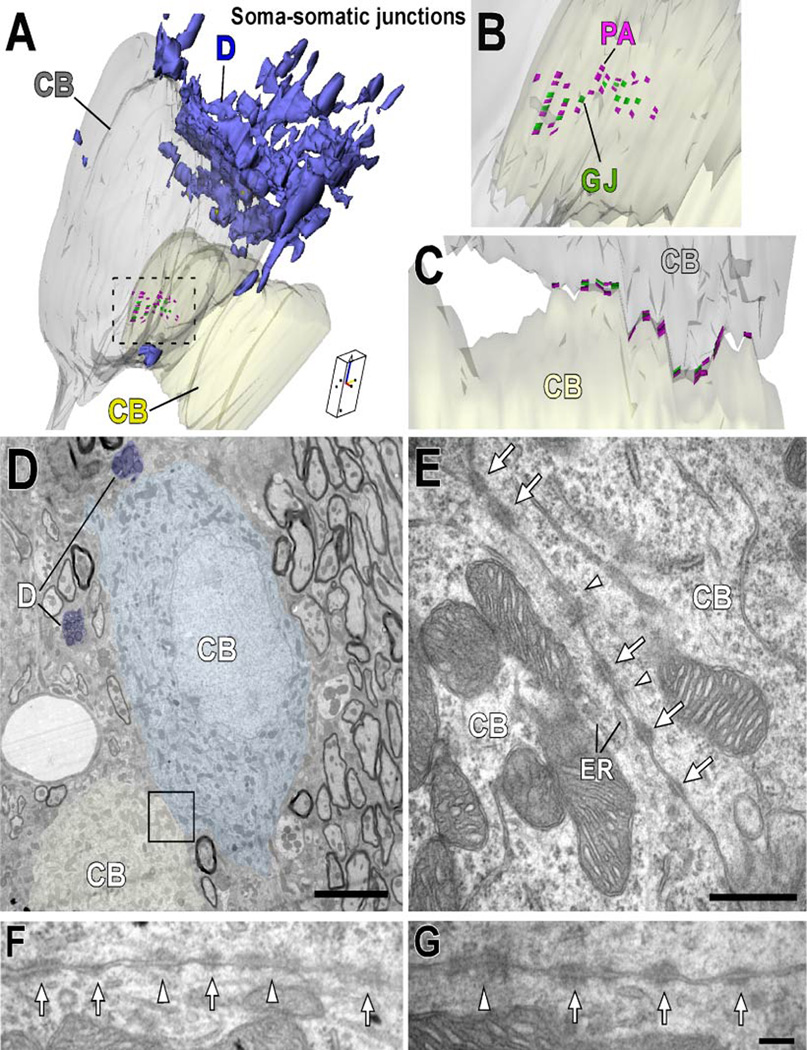
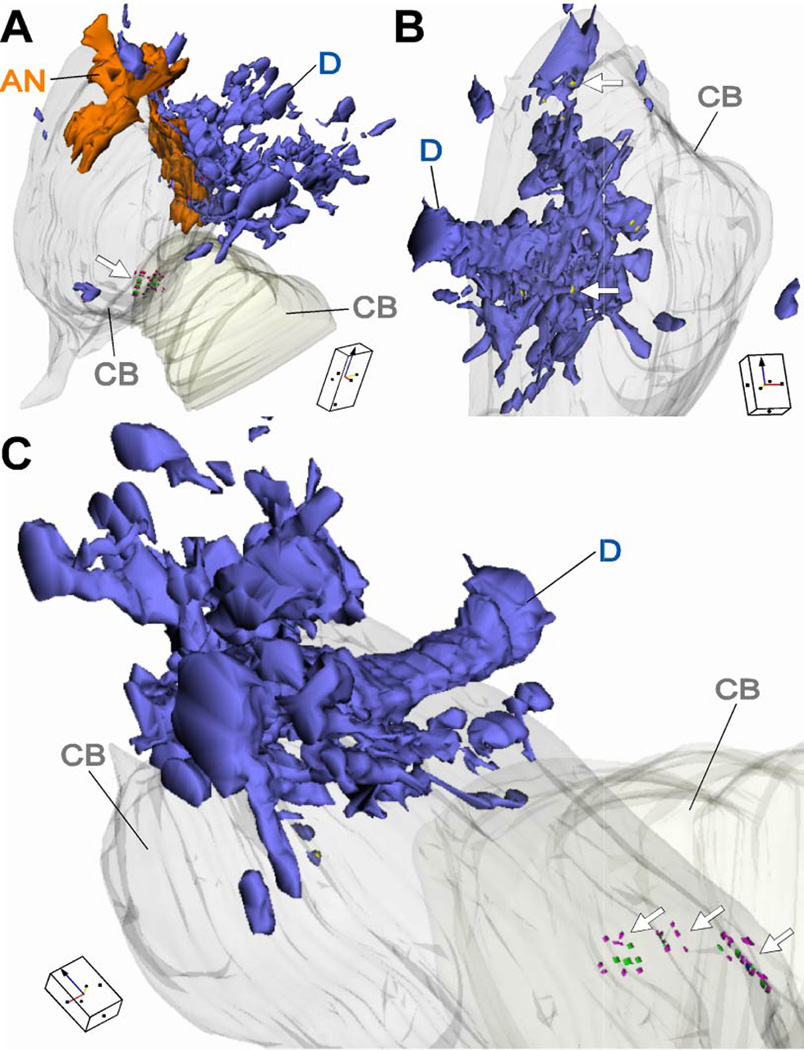
Geometry of the dendritic tree and synaptic organization of afferent inputs are essential factors in determining how synaptic input is integrated by neurons. This information remains elusive for one of the first brainstem neurons involved in processing of the primary auditory signal from the ear, the bushy cells (BCs) of the ventral cochlear nucleus (VCN). Here, we labeled the BC dendritic trees with retrograde tracing techniques to analyze their geometry and synaptic organization after immunofluorescence for excitatory and inhibitory synaptic markers, electron microscopy, morphometry, double tract-tracing methods, and 3D reconstructions. Our study revealed that BC dendrites provide space for a large number of compartmentalized excitatory and inhibitory synaptic interactions. The dendritic inputs on BCs are of cochlear and noncochlear origin, and their proportion and distribution are dependent on the branching pattern and orientation of the dendritic tree in the VCN. Three-dimensional reconstructions showed that BC dendrites branch and cluster with those of other BCs in the core of the VCN. Within the cluster, incoming synaptic inputs establish divergent multiple-contact synapses (dyads and triads) between BCs. Furthermore, neuron-neuron connections including puncta adherentia, sarcoplasmic junctions, and gap junctions are common between BCs, which suggests that these neurons are electrically coupled. Overall, our study demonstrates the existence of a BC network in the rat VCN. This network may establish the neuroanatomical basis for acoustic information processing by individual BCs as well as for enhanced synchronization of the output signal of the VCN.
树突状树突的几何形状和传入输入的突触组织是决定神经元如何整合突触输入的关键因素。对于最早参与处理来自耳朵的初级听觉信号的脑干神经元之一,即腹侧耳蜗核(VCN)的浓密细胞(BCs),这些信息仍然难以捉摸。在这里,我们使用逆行追踪技术标记BC树突状树突,以便在对兴奋性和抑制性突触标记物进行免疫荧光、电子显微镜、形态测量、双束追踪方法和三维重建后分析它们的几何形状和突触组织。我们的研究表明,BC树突为大量分隔的兴奋性和抑制性突触相互作用提供了空间。BCs上的树突状输入来自耳蜗和非耳蜗,它们的比例和分布取决于VCN中树突状树突的分支模式和方向。三维重建显示,BC树突在VCN核心区域与其他BC树突分支并聚集在一起。在簇内,传入的突触输入在BCs之间建立发散的多接触突触(双联和三联)。此外,BCs之间常见神经元-神经元连接,包括粘着斑、肌浆连接和缝隙连接,这表明这些神经元是电耦合的。总体而言,我们的研究证明了大鼠VCN中存在BC网络。该网络可能为单个BCs处理声学信息以及增强VCN输出信号的同步性奠定神经解剖学基础。