Bencan Zachary, Sledge Damiyon, Levin Edward D
Department of Psychiatry and Behavioral Sciences, Duke University Medical Center, 340 Bell Building, Box 3412, Durham, NC 27710, USA.
Pharmacol Biochem Behav. 2009 Nov;94(1):75-80. doi: 10.1016/j.pbb.2009.07.009. Epub 2009 Jul 28.
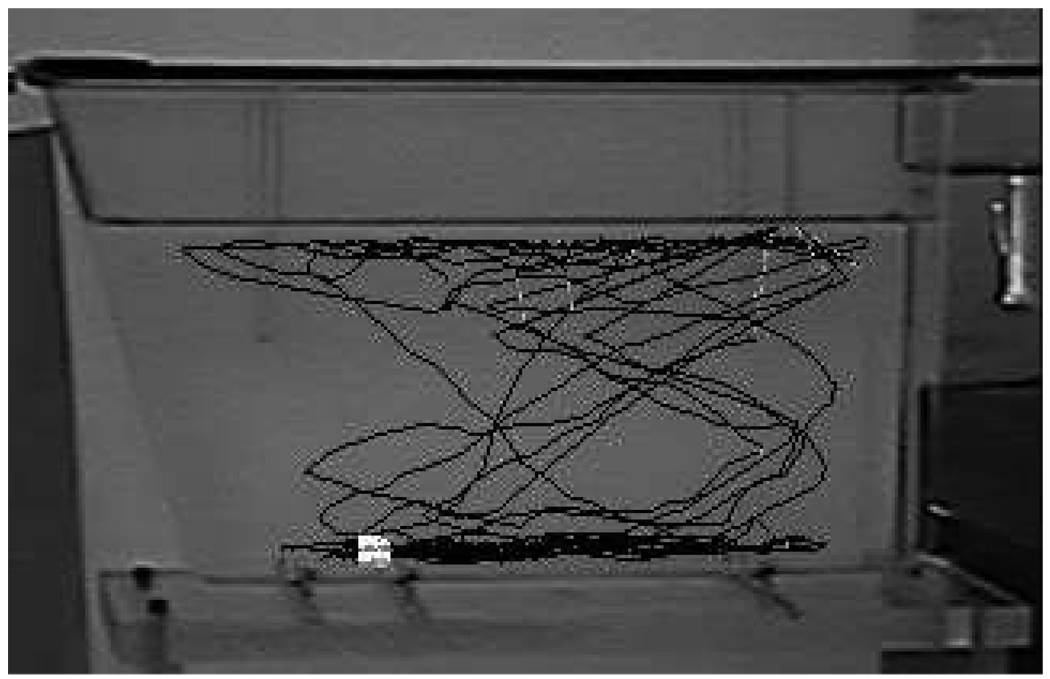
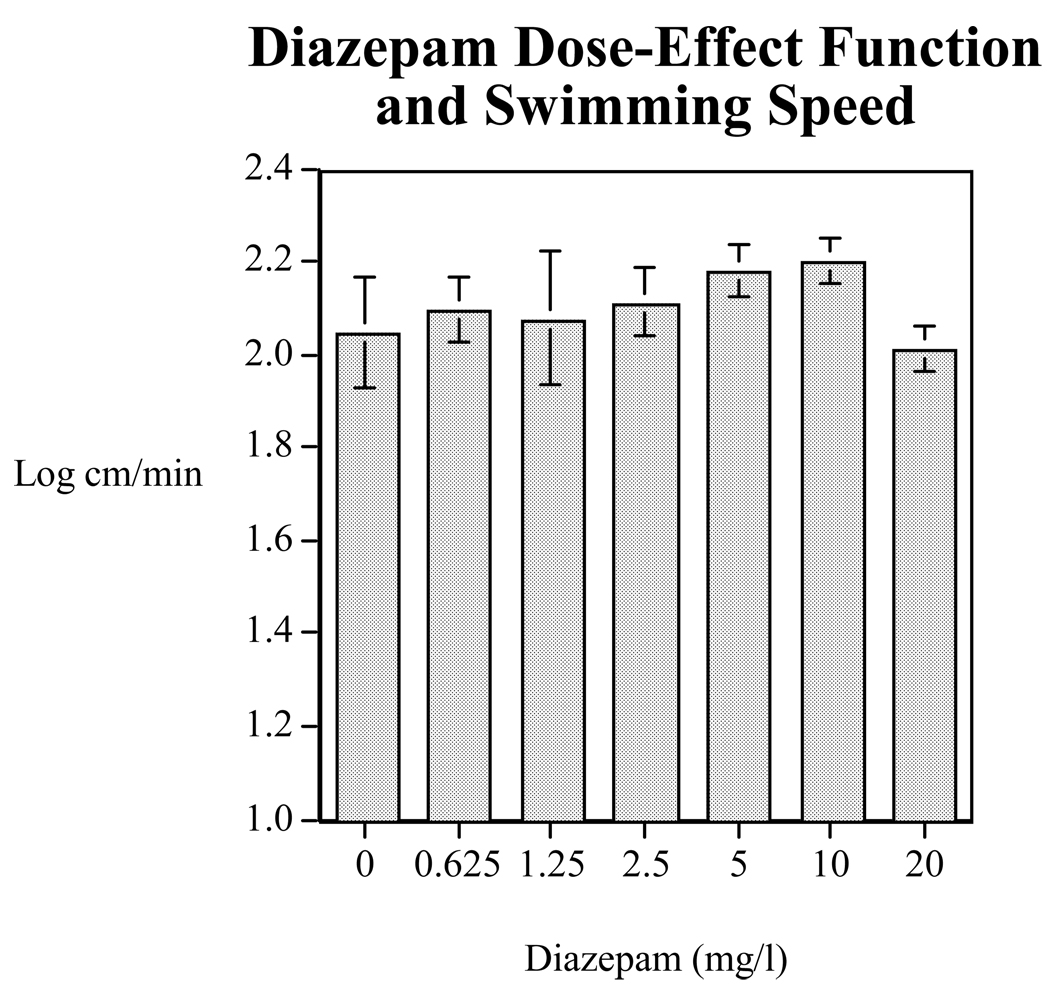
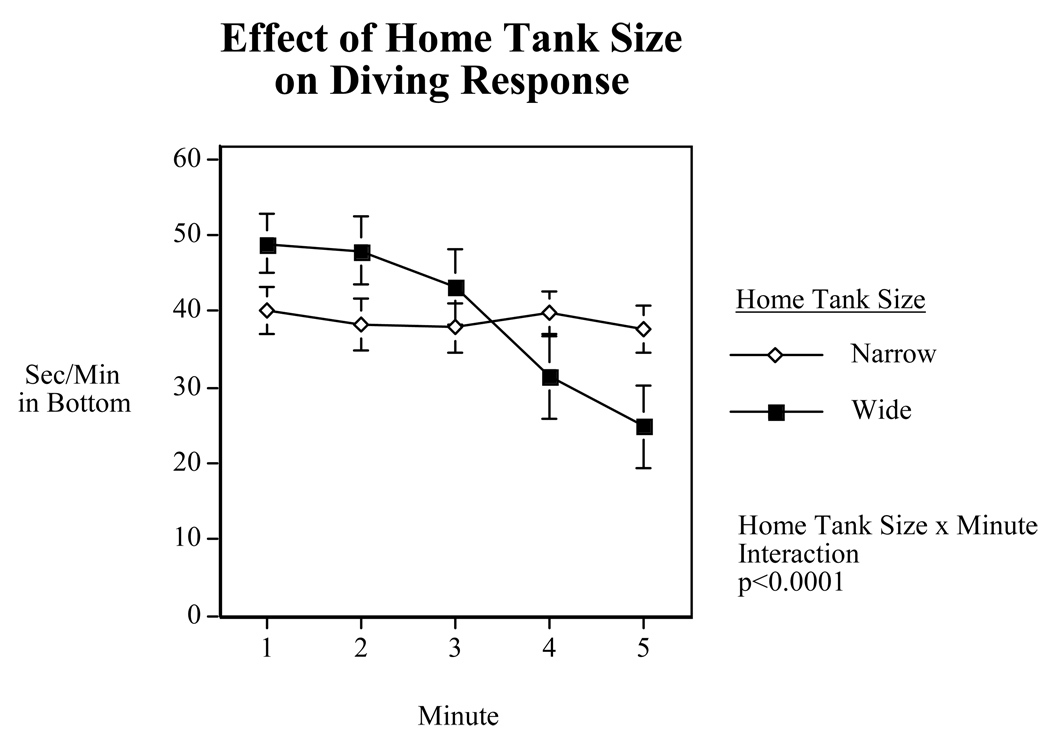
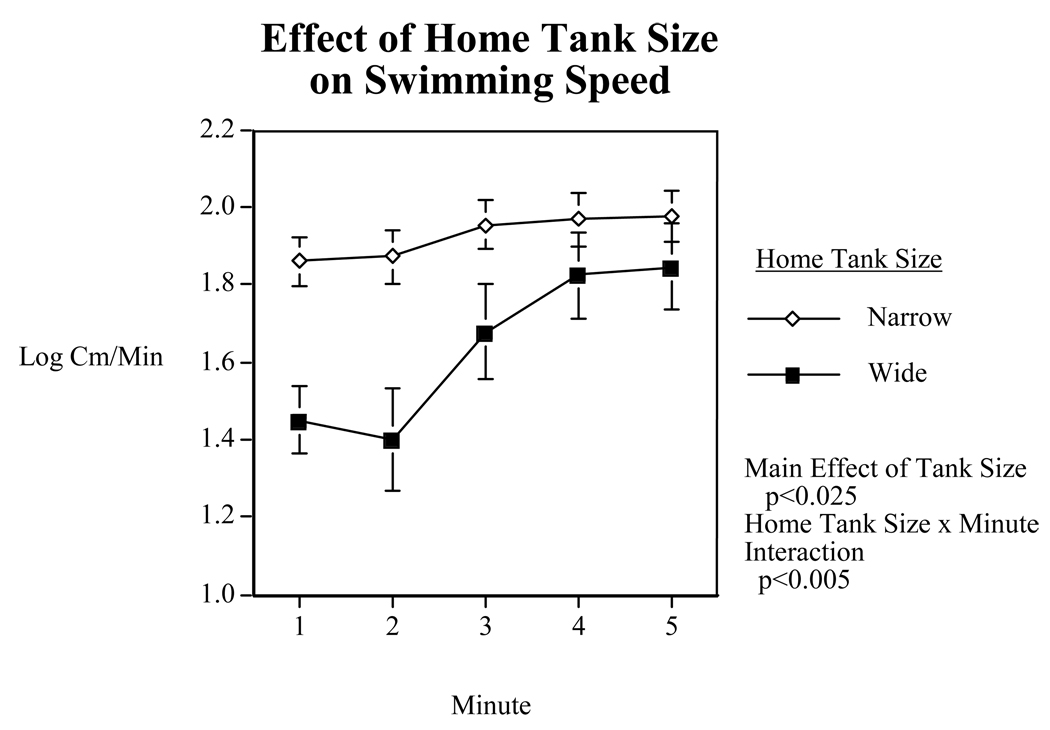
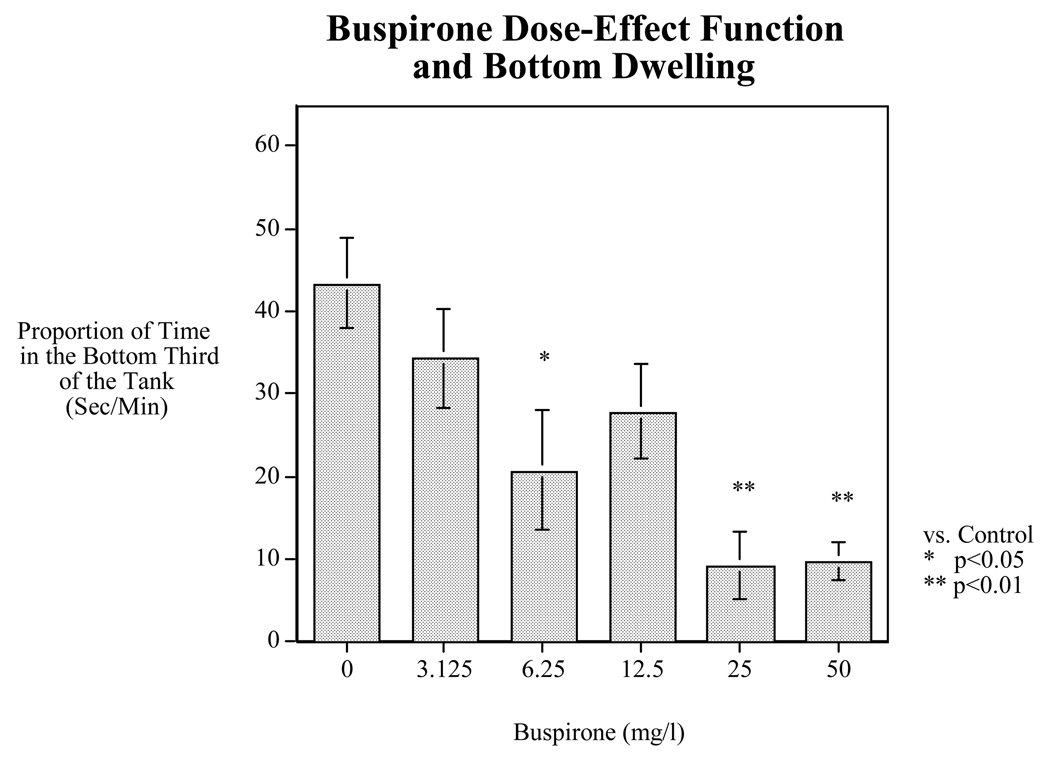
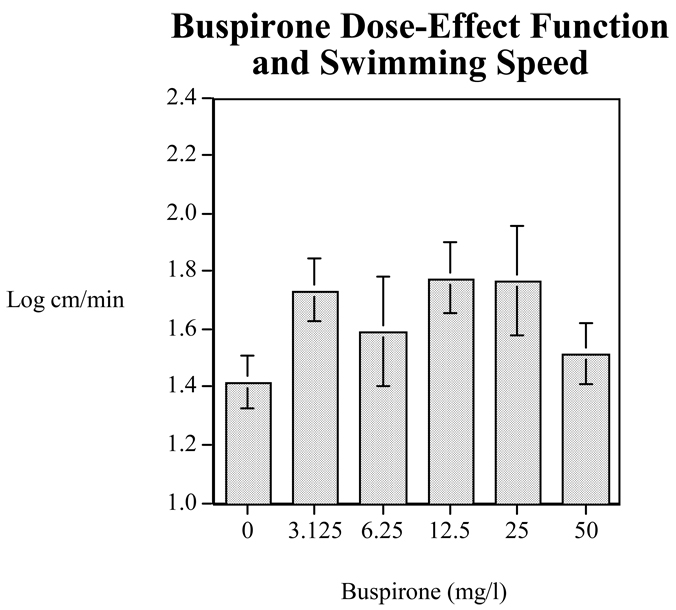
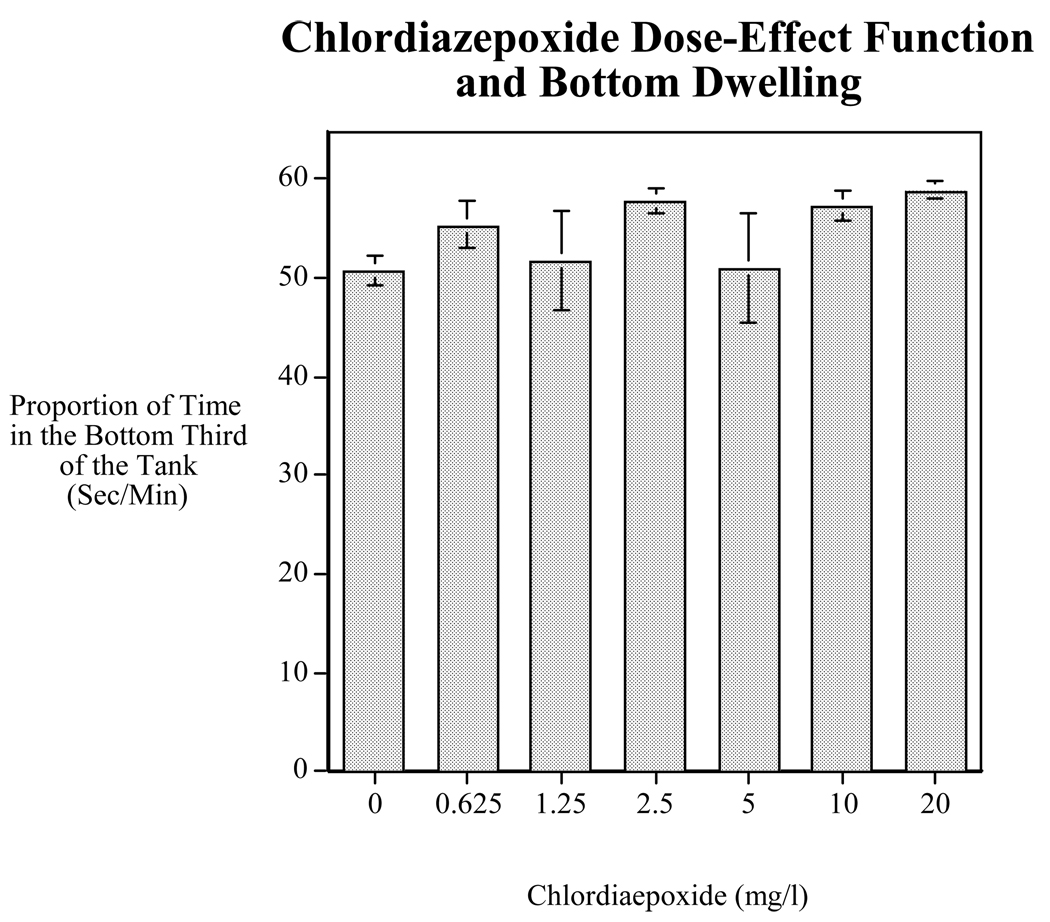
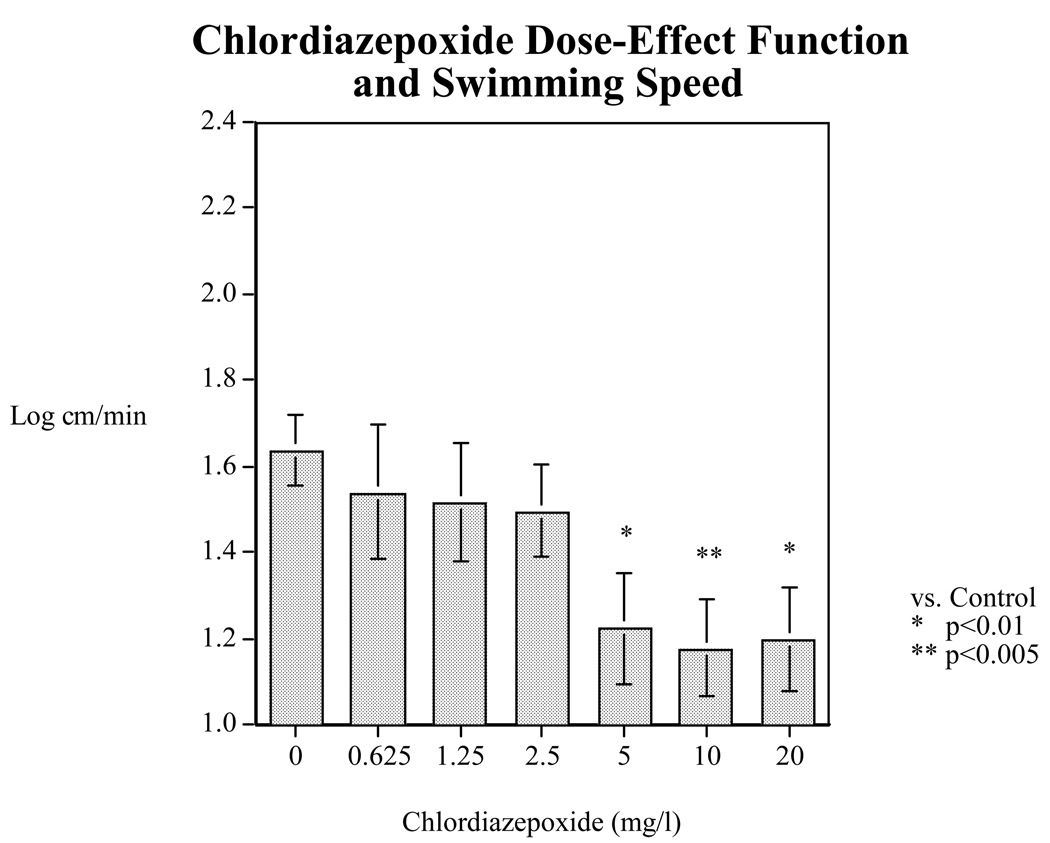
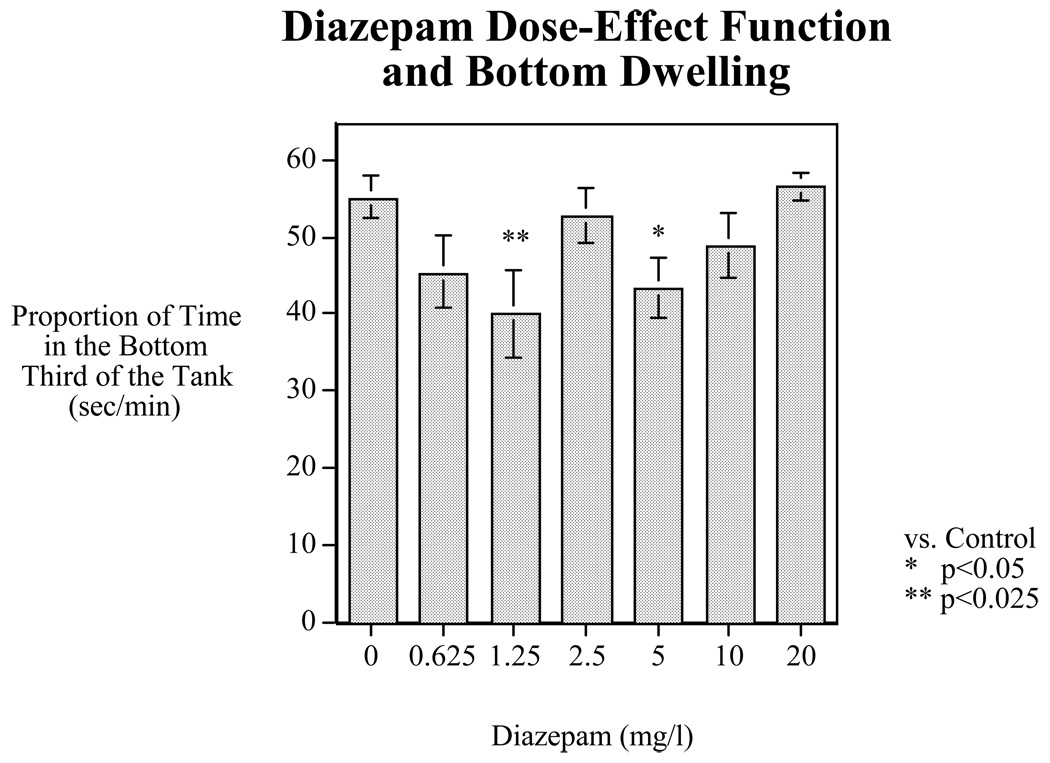
Zebrafish are becoming more widely used to study neurobehavioral pharmacology. We have developed a method to assess novel environment diving behavior of zebrafish as a model of stress response and anxiolytic drug effects. In a novel tank, zebrafish dwell in the bottom of the tank initially and then increase their swimming exploration to higher levels over time. We previously found that nicotine, which has anxiolytic effects in rodents and humans, significantly lessens the novel tank diving response in zebrafish. The specificity of the diving effect was validated with a novel vs. non-novel test tank. The novel tank diving response of zebrafish was tested when given three anxiolytic drugs from two different chemical and pharmacological classes: buspirone, chlordiazepoxide and diazepam. When the test tank was novel the diving response was clearly seen whereas it was significantly reduced when the test tank was not novel. Buspirone, a serotonergic (5HT(1A) receptor agonist) anxiolytic drug with some D(2) dopaminergic effect, had a pronounced anxiolytic-like effect in the zebrafish diving model at doses that did not have sedative effects. In contrast, chlordiazepoxide, a benzodiazepine anxiolytic drug, which is an effective agonist at GABA-A receptors, did not produce signs of anxiolysis in zebrafish over a broad dose range up to those that caused sedation. Diazepam another benzodiazepine anxiolytic drug did produce an anxiolytic effect at doses that did not cause sedation. The zebrafish novel tank diving task can be useful in discriminating anxiolytic drugs of several classes (serotonergic, benzodiazepines and nicotinic).
斑马鱼正越来越广泛地用于研究神经行为药理学。我们已经开发出一种方法来评估斑马鱼在新环境中的潜水行为,以此作为应激反应和抗焦虑药物作用的模型。在一个新水箱中,斑马鱼最初栖息在水箱底部,然后随着时间的推移,它们的游泳探索活动会增加到更高水平。我们之前发现,在啮齿动物和人类中具有抗焦虑作用的尼古丁,能显著减轻斑马鱼在新水箱中的潜水反应。通过使用新水箱与非新水箱的测试,验证了潜水效应的特异性。当给斑马鱼投喂来自两个不同化学和药理学类别的三种抗焦虑药物:丁螺环酮、氯氮卓和地西泮时,测试了它们在新水箱中的潜水反应。当测试水箱是新的时,明显能看到潜水反应,而当测试水箱不是新的时,潜水反应则显著降低。丁螺环酮是一种具有5-羟色胺能(5HT(1A)受体激动剂)且有一些D(2)多巴胺能效应的抗焦虑药物,在不产生镇静作用的剂量下,对斑马鱼潜水模型有明显的抗焦虑样作用。相比之下,氯氮卓是一种苯二氮卓类抗焦虑药物,是GABA-A受体的有效激动剂,在高达引起镇静作用的广泛剂量范围内,在斑马鱼中并未产生抗焦虑迹象。地西泮是另一种苯二氮卓类抗焦虑药物,在不引起镇静的剂量下确实产生了抗焦虑作用。斑马鱼新水箱潜水任务可用于区分几类抗焦虑药物(5-羟色胺能、苯二氮卓类和烟碱类)。