Acosta Oscar, Bourgeat Pierrick, Zuluaga Maria A, Fripp Jurgen, Salvado Olivier, Ourselin Sébastien
The Australian e-Health Research Centre, CSIRO ICT Centre, Brisbane, Australia.
Med Image Anal. 2009 Oct;13(5):730-43. doi: 10.1016/j.media.2009.07.003. Epub 2009 Jul 10.
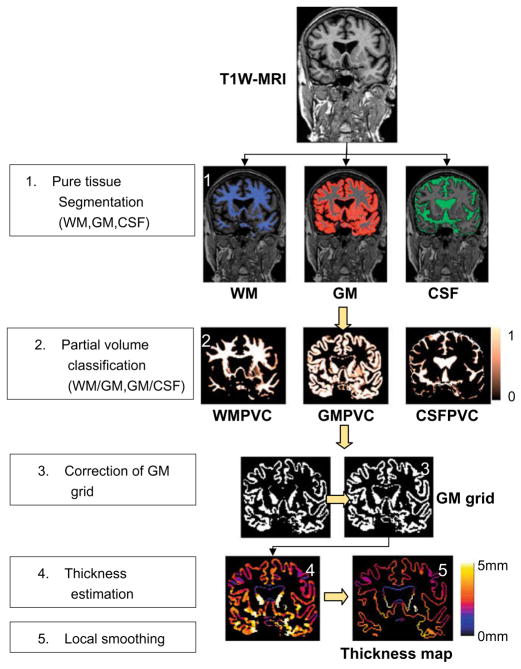
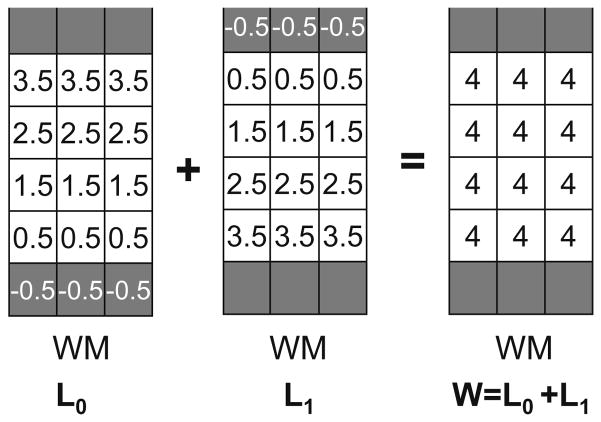
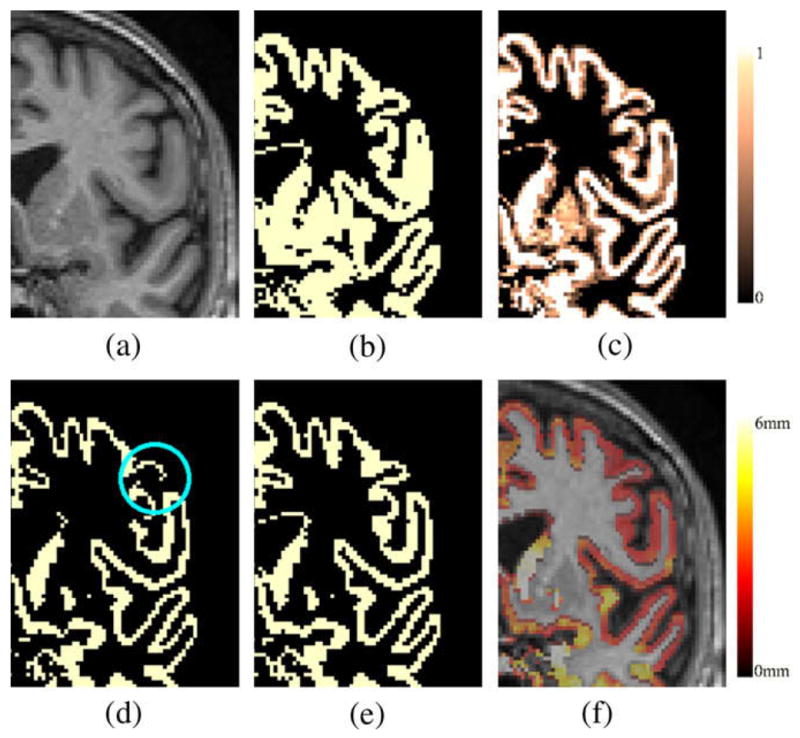
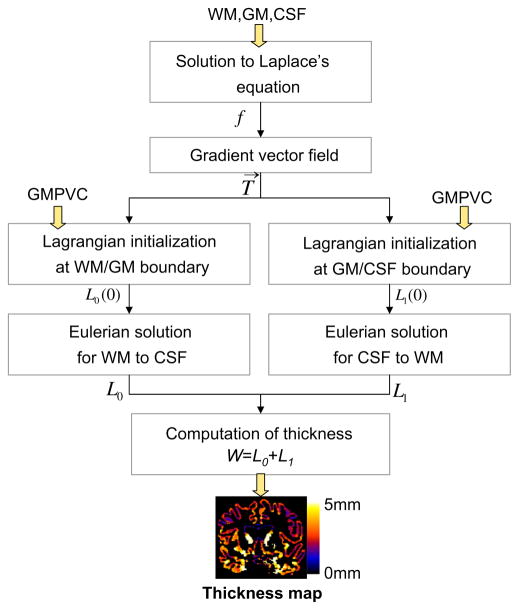
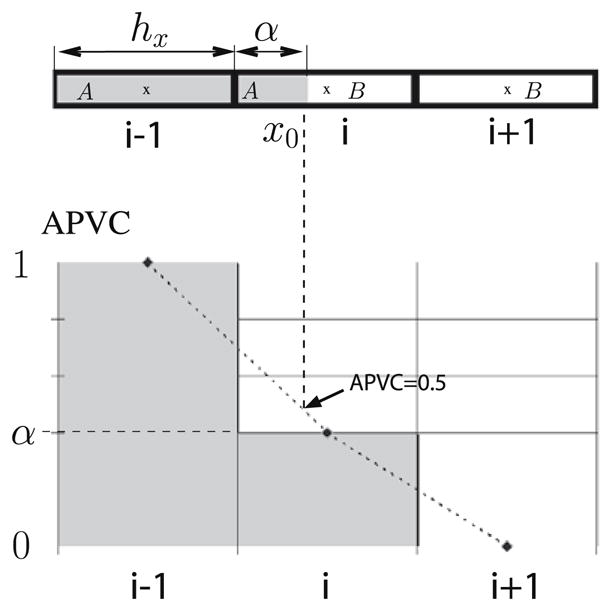
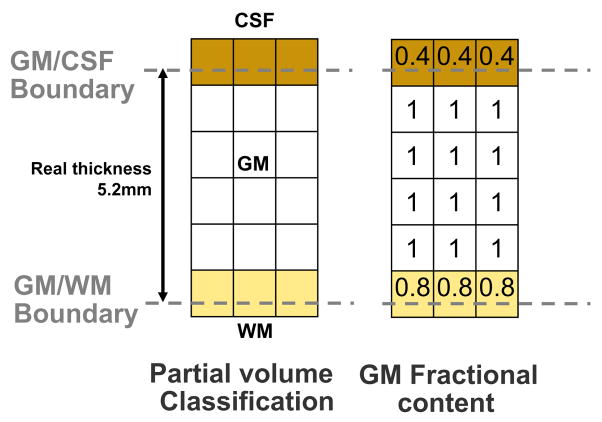
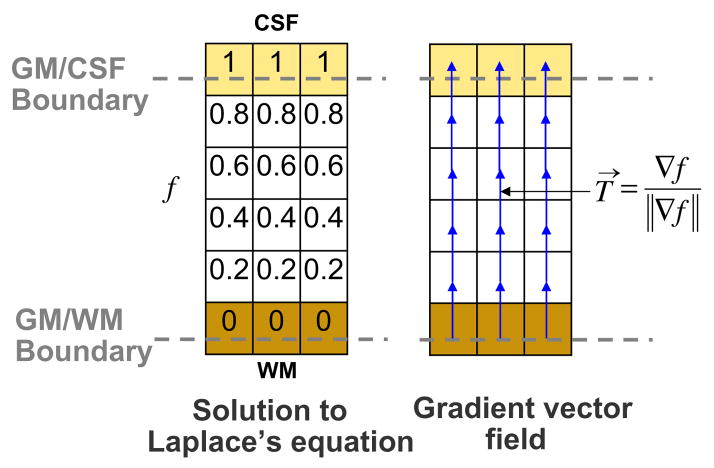
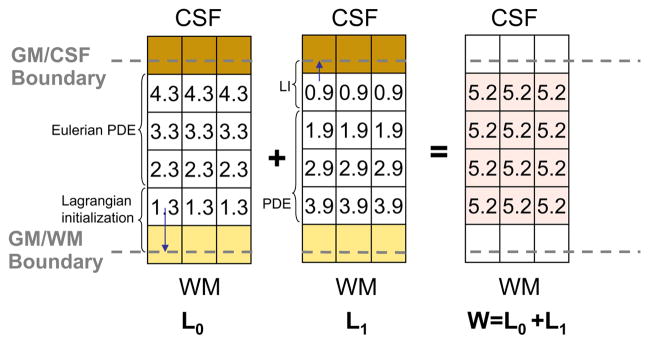
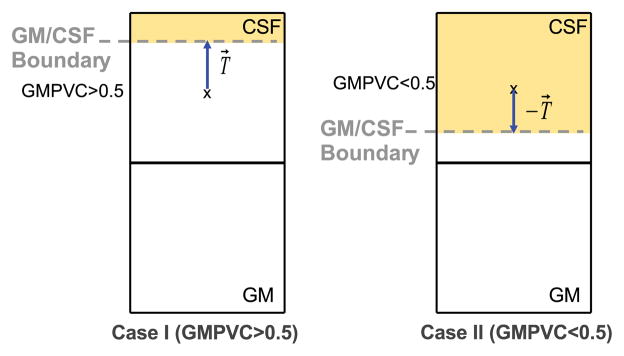
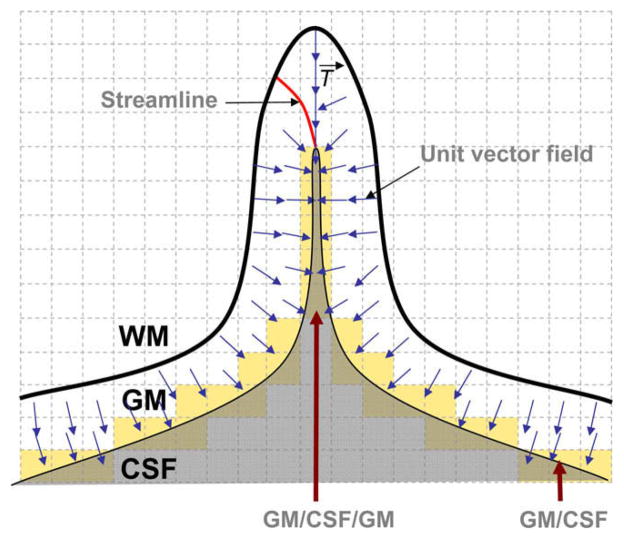
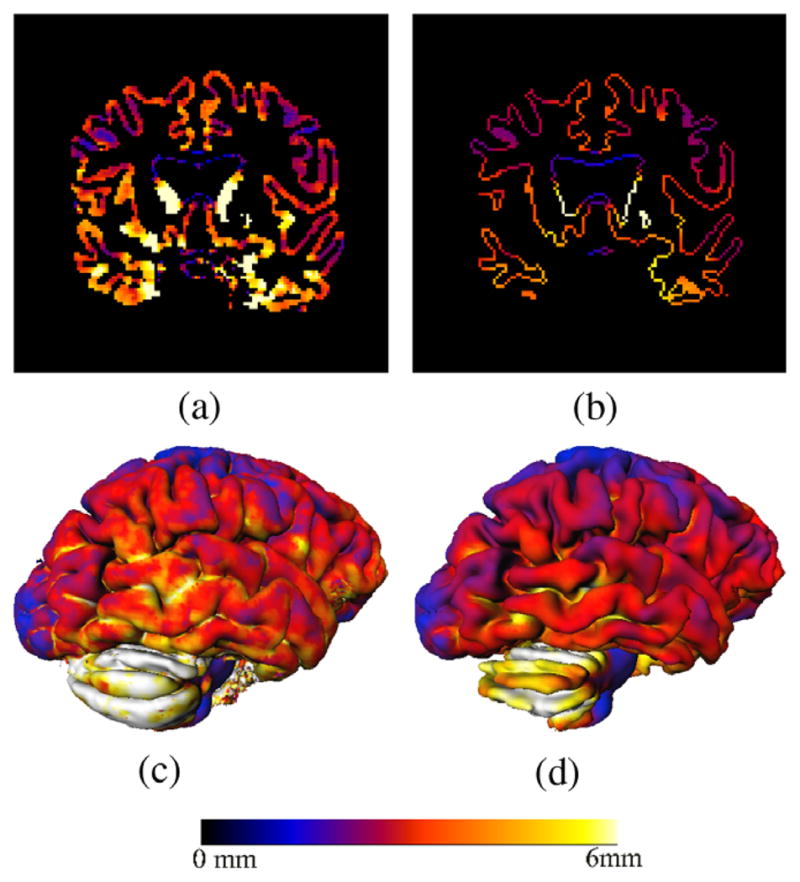
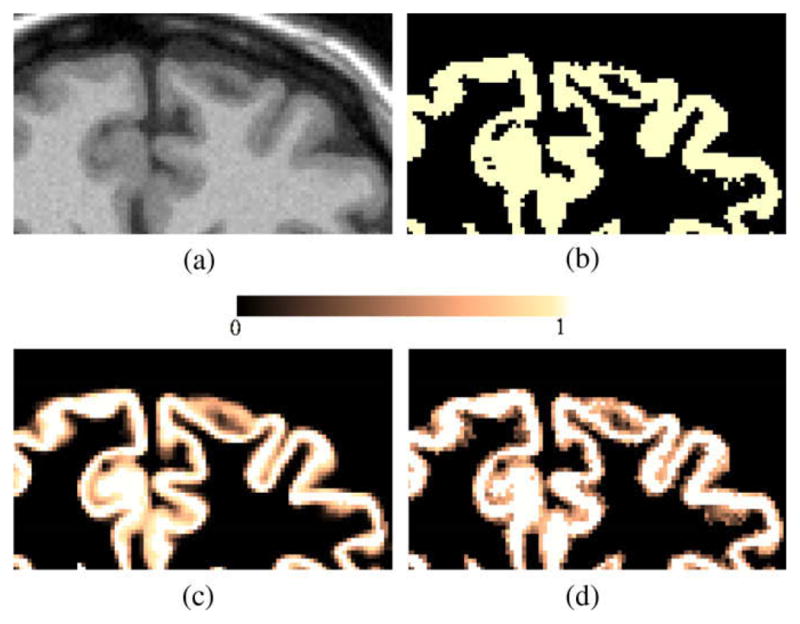
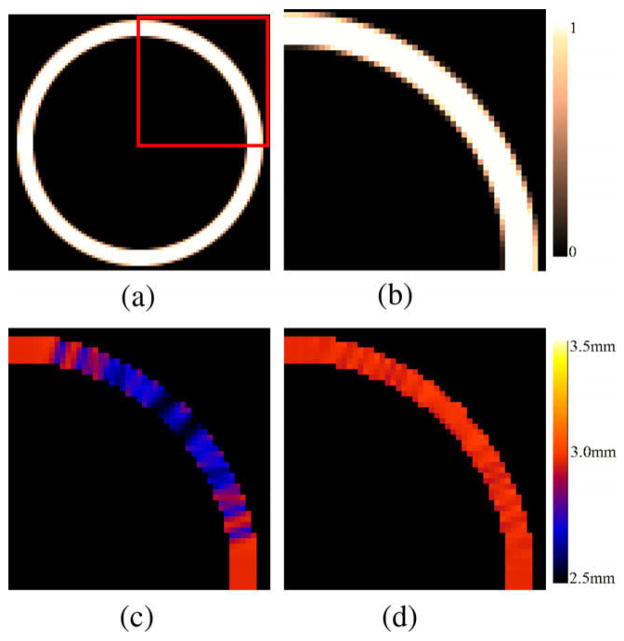
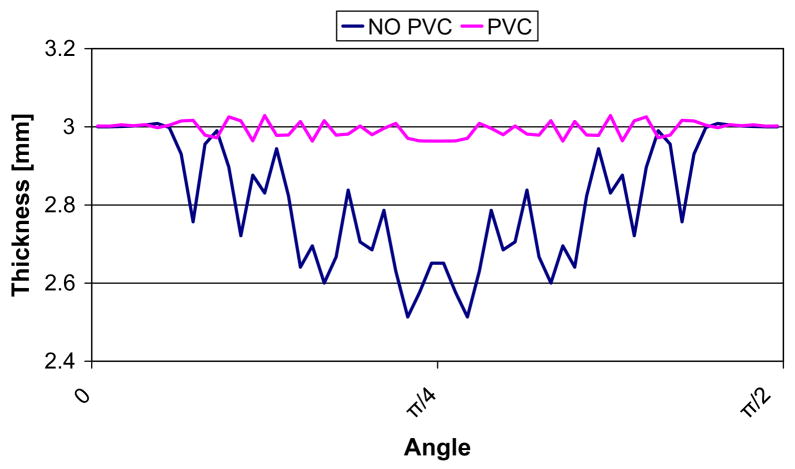
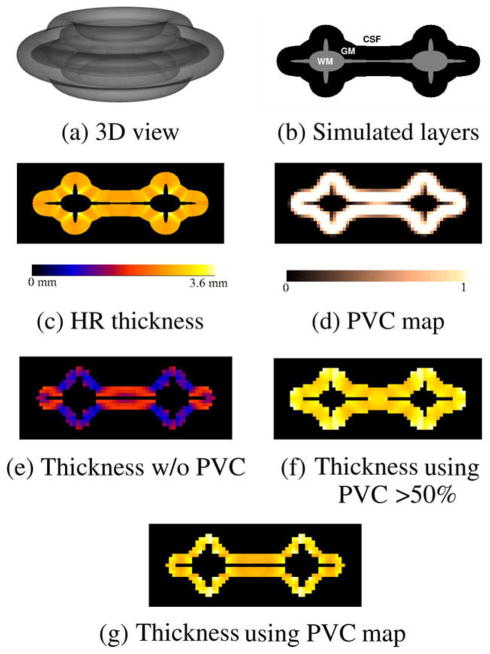
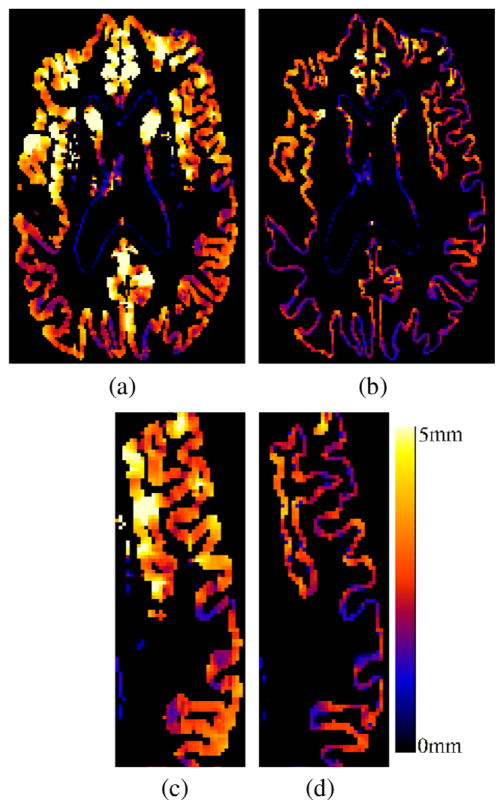
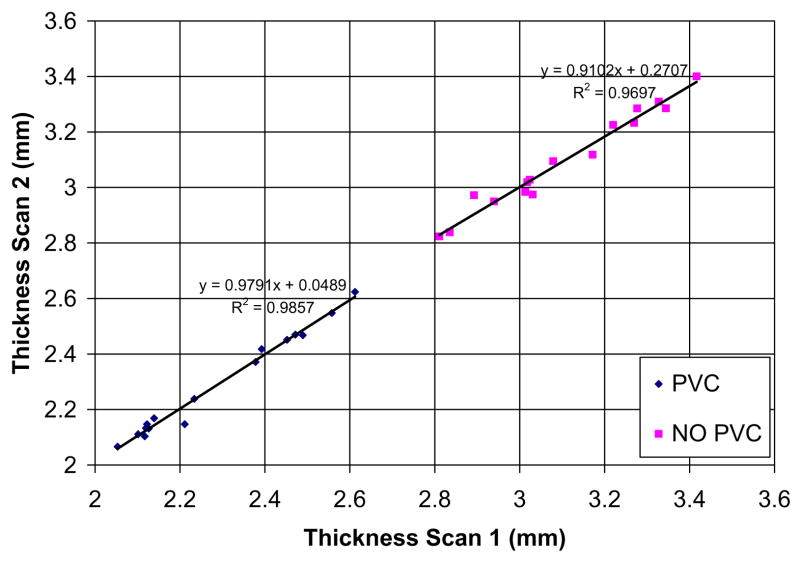
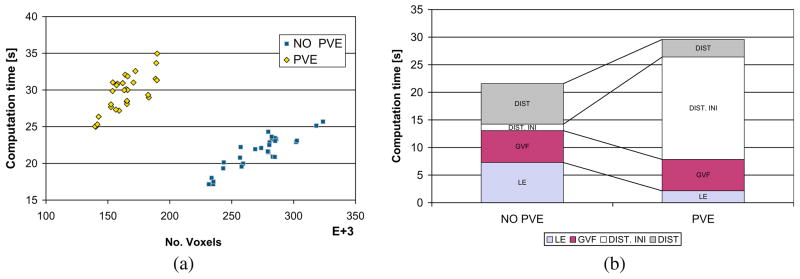
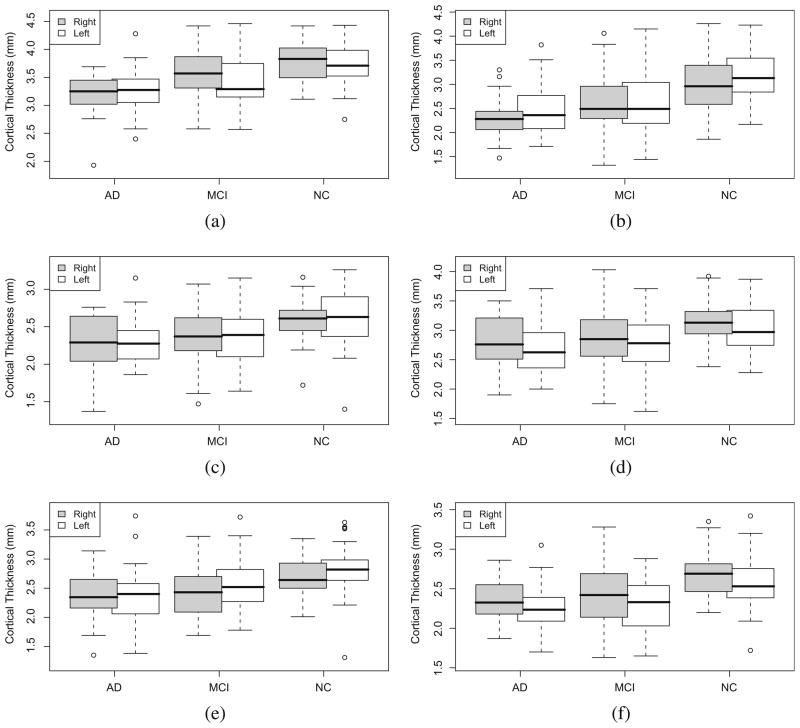
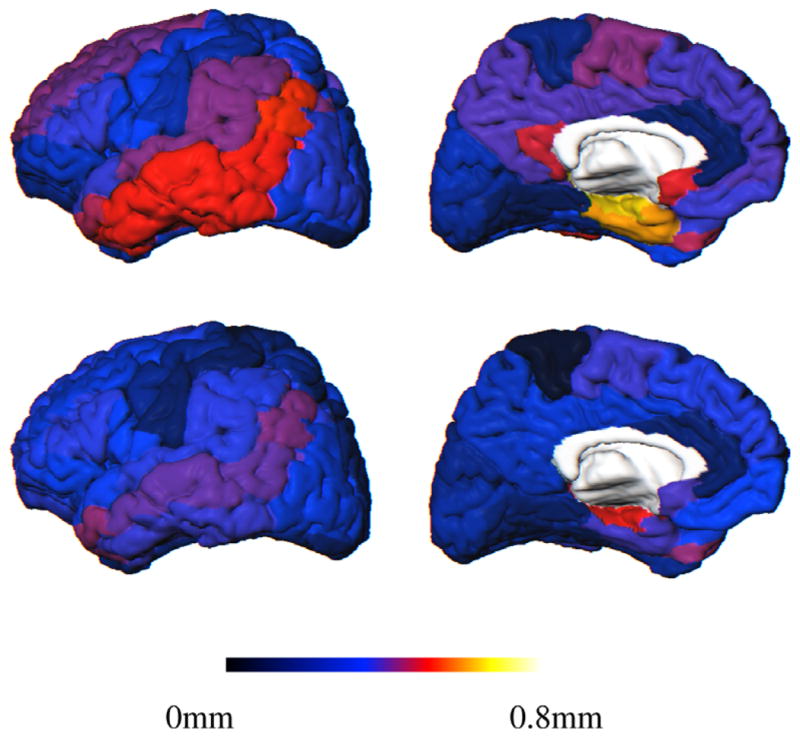
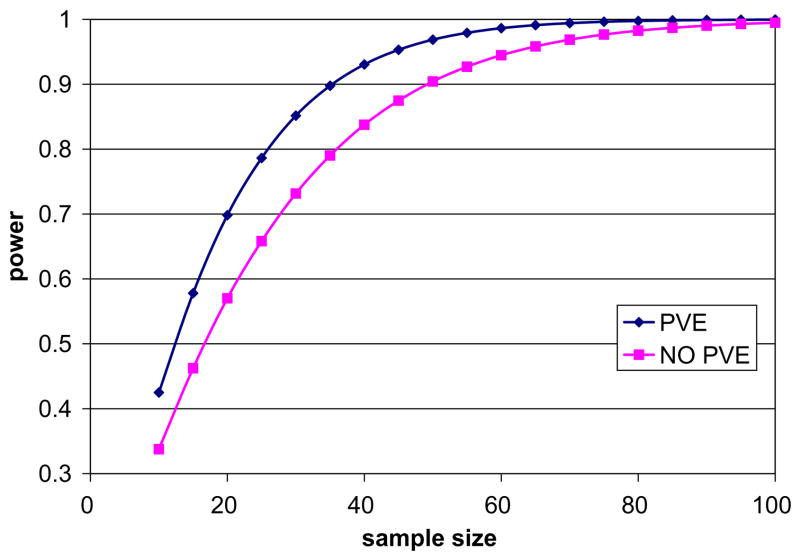
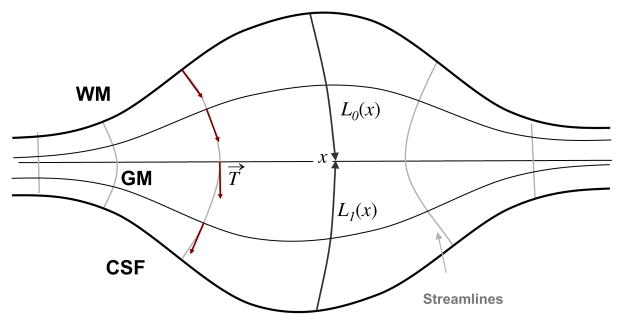
Accurate cortical thickness estimation is important for the study of many neurodegenerative diseases. Many approaches have been previously proposed, which can be broadly categorised as mesh-based and voxel-based. While the mesh-based approaches can potentially achieve subvoxel resolution, they usually lack the computational efficiency needed for clinical applications and large database studies. In contrast, voxel-based approaches, are computationally efficient, but lack accuracy. The aim of this paper is to propose a novel voxel-based method based upon the Laplacian definition of thickness that is both accurate and computationally efficient. A framework was developed to estimate and integrate the partial volume information within the thickness estimation process. Firstly, in a Lagrangian step, the boundaries are initialized using the partial volume information. Subsequently, in an Eulerian step, a pair of partial differential equations are solved on the remaining voxels to finally compute the thickness. Using partial volume information significantly improved the accuracy of the thickness estimation on synthetic phantoms, and improved reproducibility on real data. Significant differences in the hippocampus and temporal lobe between healthy controls (NC), mild cognitive impaired (MCI) and Alzheimer's disease (AD) patients were found on clinical data from the ADNI database. We compared our method in terms of precision, computational speed and statistical power against the Eulerian approach. With a slight increase in computation time, accuracy and precision were greatly improved. Power analysis demonstrated the ability of our method to yield statistically significant results when comparing AD and NC. Overall, with our method the number of samples is reduced by 25% to find significant differences between the two groups.
准确估计皮质厚度对于许多神经退行性疾病的研究至关重要。此前已经提出了许多方法,大致可分为基于网格和基于体素的方法。虽然基于网格的方法有可能实现亚体素分辨率,但它们通常缺乏临床应用和大型数据库研究所需的计算效率。相比之下,基于体素的方法计算效率高,但缺乏准确性。本文的目的是提出一种基于厚度拉普拉斯定义的新颖的基于体素的方法,该方法既准确又计算高效。开发了一个框架来估计和整合厚度估计过程中的部分体积信息。首先,在拉格朗日步骤中,使用部分体积信息初始化边界。随后,在欧拉步骤中,在剩余的体素上求解一对偏微分方程,最终计算厚度。使用部分体积信息显著提高了合成体模上厚度估计的准确性,并提高了真实数据的可重复性。在阿尔茨海默病神经成像计划(ADNI)数据库的临床数据中,发现健康对照(NC)、轻度认知障碍(MCI)和阿尔茨海默病(AD)患者的海马体和颞叶存在显著差异。我们将我们的方法在精度、计算速度和统计功效方面与欧拉方法进行了比较。在计算时间略有增加的情况下,准确性和精度得到了极大提高。功效分析表明,在比较AD和NC时,我们的方法能够产生具有统计学意义的结果。总体而言,使用我们的方法,样本数量减少了25%,以发现两组之间的显著差异。