Department of Carcinogenesis, Institute of Molecular Pathology and Immunology of University of Porto (IPATIMUP), Porto, Portugal.
PLoS One. 2009 Aug 13;4(8):e6636. doi: 10.1371/journal.pone.0006636.
The process of metastasis involves a series of steps and interactions between the tumor embolus and the microenvironment. Key alterations in adhesion molecules are known to dictate progression from the invasive to malignant phenotype followed by colonization at a distant site. The invasive phenotype results from the loss of expression of the E-cadherin adhesion molecule, whereas the malignant phenotype is associated with an increased expression of the carbohydrate ligand-binding epitopes, (e.g. Sialyl Lewis (x/a)) that bind endothelial E-selectin of the lymphatics and vasculature.
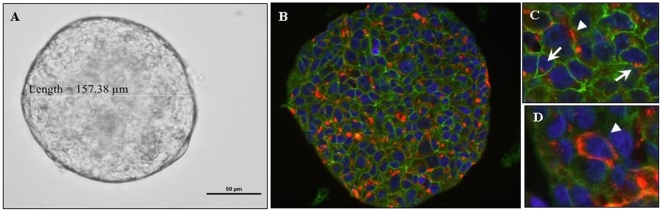
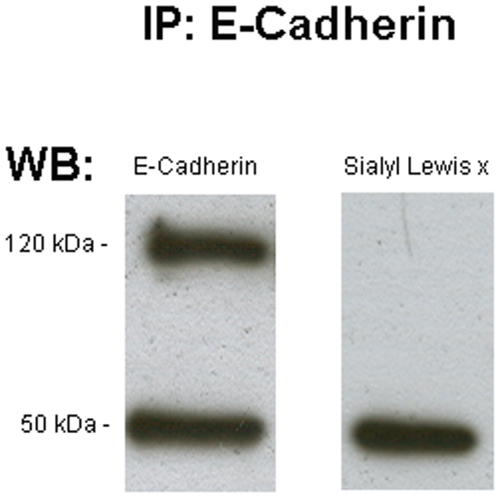
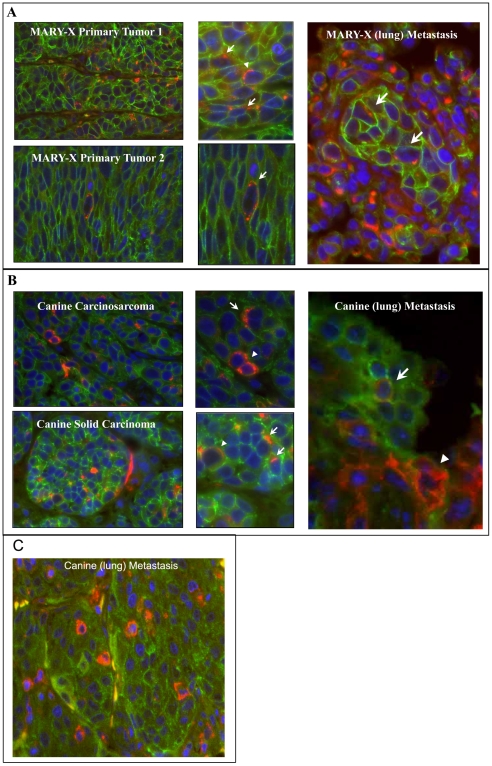
Our study analyzed the expression of two adhesion molecules, E-cadherin and Sialyl Lewis x (sLe(x)), in both a canine mammary carcinoma and human inflammatory breast cancer (IBC) model, using double labelled immunofluorescence staining.
Our results demonstrate that canine mammary carcinoma and human IBC exhibit an inversely correlated cellular expression of E-cadherin and sLe(x) within the same tumor embolus.
Our results in these two comparative models (canine and human) suggest the existence of a biologically coordinated mechanism of E-cadherin and sLe(x) expression (i.e. molecular plasticity) essential for tumor establishment and metastatic progression.
转移的过程涉及一系列步骤和肿瘤栓子与微环境之间的相互作用。已知粘附分子的关键改变决定了从侵袭性到恶性表型的进展,随后在远处部位定植。侵袭性表型是由于 E-钙粘蛋白粘附分子表达的丧失所致,而恶性表型与碳水化合物配体结合表位(例如唾液酸化 Lewis(x/a))的表达增加有关,这些表位结合淋巴管和脉管内皮的 E-选择素。
我们的研究使用双重标记免疫荧光染色分析了两种粘附分子,E-钙粘蛋白和唾液酸化 Lewis x(sLe(x))在犬乳腺肿瘤和人类炎症性乳腺癌(IBC)模型中的表达。
我们的结果表明,在同一肿瘤栓子中,犬乳腺肿瘤和人类 IBC 表现出 E-钙粘蛋白和 sLe(x)的细胞表达呈负相关。
我们在这两个比较模型(犬和人)中的结果表明,E-钙粘蛋白和 sLe(x)表达的生物学协调机制(即分子可塑性)的存在对于肿瘤的建立和转移进展至关重要。