Hsieh Yi-Wen, Yang Xian-Jie
Jules Stein Eye Institute and Department of Ophthalmology, Molecular Biology Institute, University of California, David Geffen School of Medicine, Stein Plaza, Los Angeles, CA 90095, USA.
Neural Dev. 2009 Aug 17;4:32. doi: 10.1186/1749-8104-4-32.
The paired homeobox protein Pax6 is essential for proliferation and pluripotency of retinal progenitors. However, temporal changes in Pax6 protein expression associated with the generation of various retinal neurons have not been characterized with regard to the cell cycle. Here, we examine the dynamic changes of Pax6 expression among chicken retinal progenitors as they progress through the neurogenic cell cycle, and determine the effects of altered Pax6 levels on retinogenesis.
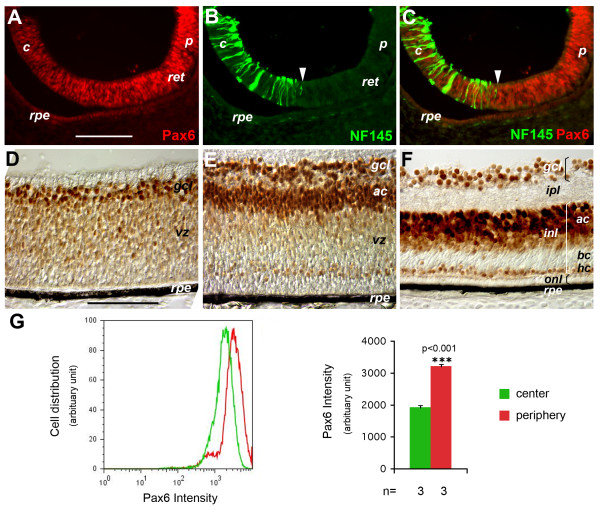
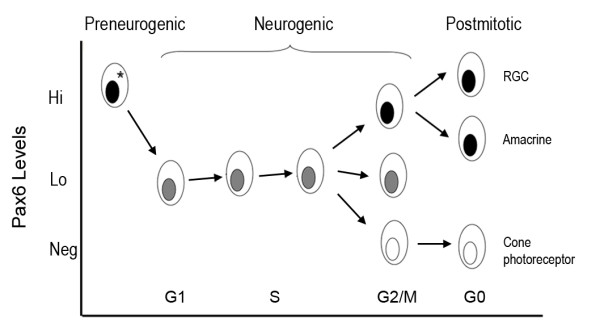
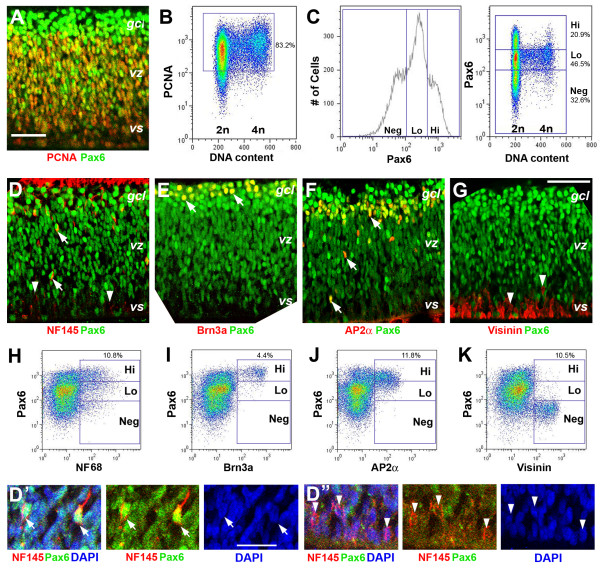
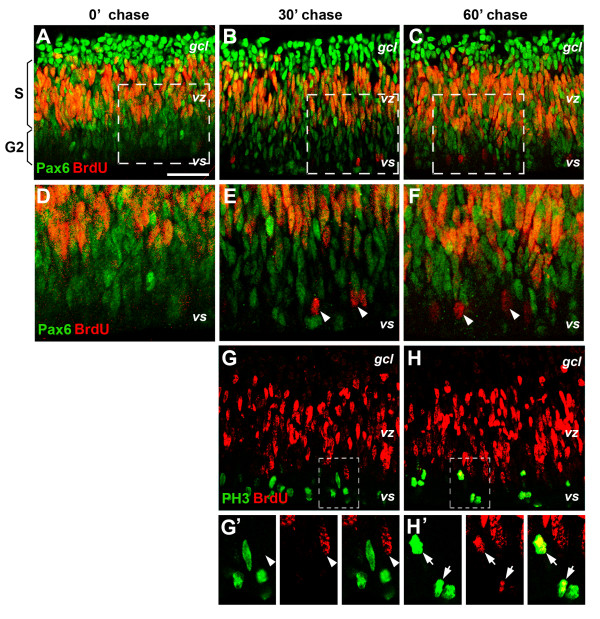
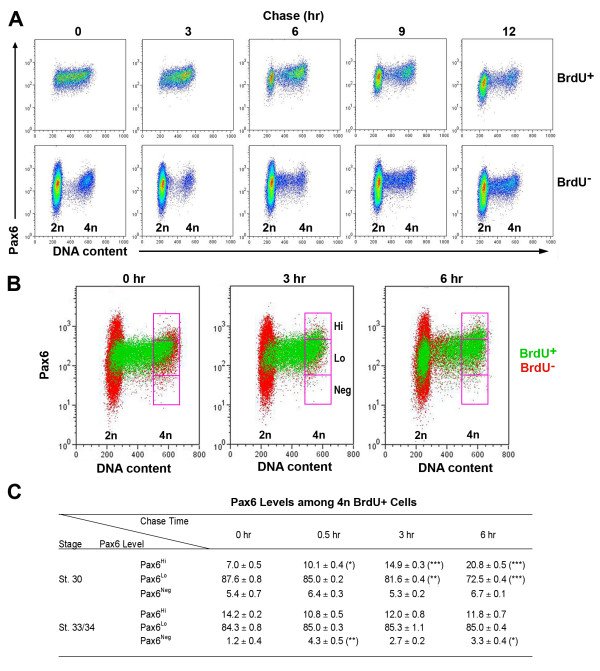
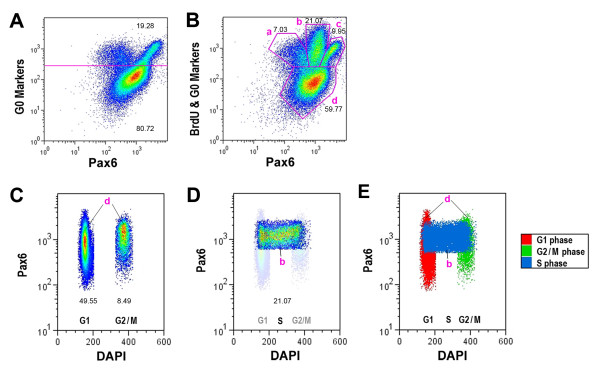
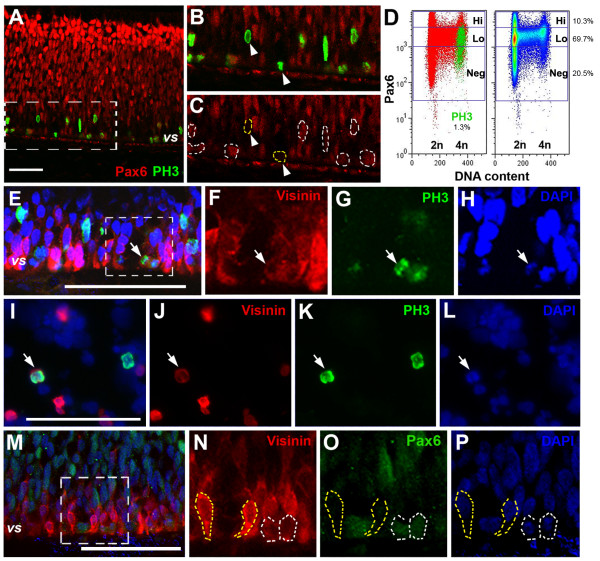
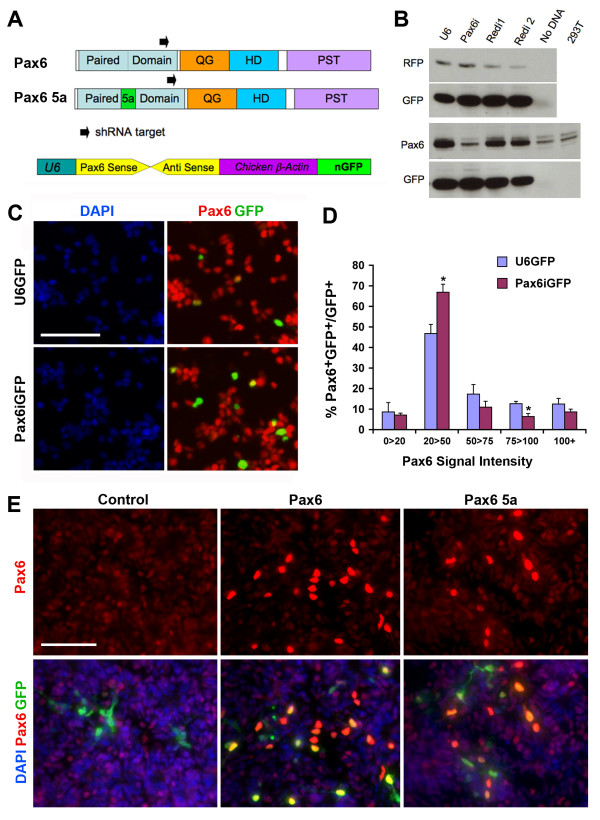
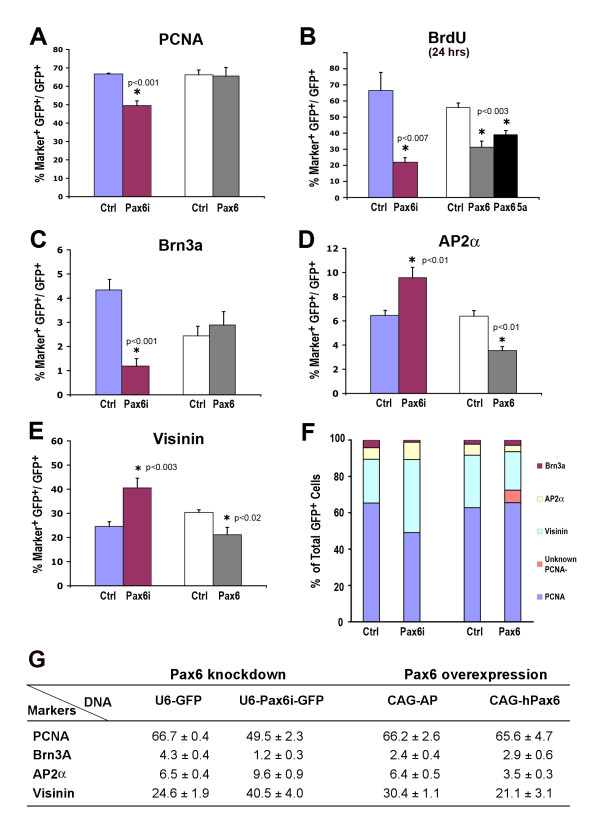
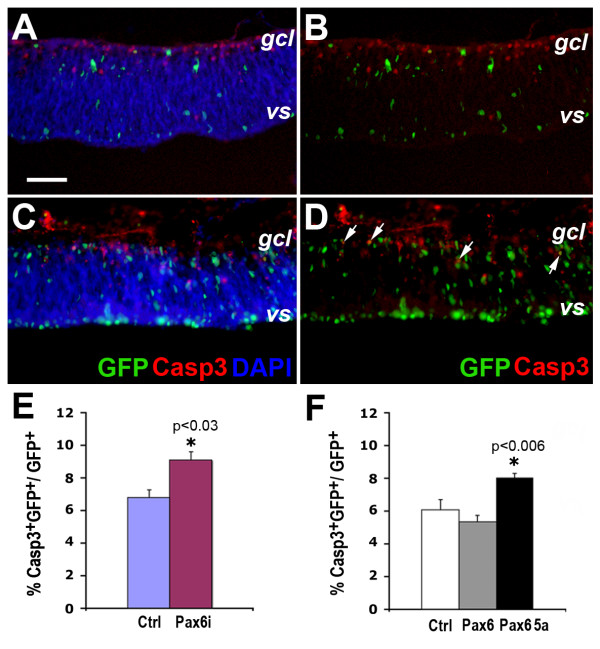
We provide evidence that during the preneurogenic to neurogenic transition, Pax6 protein levels in proliferating progenitor cells are down-regulated. Neurogenic retinal progenitors retain a relatively low level of Pax6 protein, whereas postmitotic neurons either elevate or extinguish Pax6 expression in a cell type-specific manner. Cell imaging and cell cycle analyses show that neurogenic progenitors in the S phase of the cell cycle contain low levels of Pax6 protein, whereas a subset of progenitors exhibits divergent levels of Pax6 protein upon entering the G2 phase of the cell cycle. We also show that M phase cells contain varied levels of Pax6, and some correlate with the onset of early neuronal marker expression, forecasting cell cycle exit and cell fate commitment. Furthermore, either elevating or knocking down Pax6 attenuates cell proliferation and results in increased cell death. Reducing Pax6 decreases retinal ganglion cell genesis and enhances cone photoreceptor and amacrine interneuron production, whereas elevating Pax6 suppresses cone photoreceptor and amacrine cell fates.
These studies demonstrate for the first time quantitative changes in Pax6 protein expression during the preneurogenic to neurogenic transition and during the neurogenic cell cycle. The results indicate that Pax6 protein levels are stringently controlled in proliferating progenitors. Maintaining a relatively low Pax6 protein level is necessary for S phase re-entry, whereas rapid accumulation or reduction of Pax6 protein during the G2/M phase of the cell cycle may be required for specific neuronal fates. These findings thus provide novel insights on the dynamic regulation of Pax6 protein among neurogenic progenitors and the temporal frame of neuronal fate determination.
配对型同源框蛋白Pax6对于视网膜祖细胞的增殖和多能性至关重要。然而,与各种视网膜神经元生成相关的Pax6蛋白表达的时间变化在细胞周期方面尚未得到表征。在此,我们研究了鸡视网膜祖细胞在神经源性细胞周期进程中Pax6表达的动态变化,并确定改变Pax6水平对视网膜发生的影响。
我们提供的证据表明,在神经源性转变前到神经源性转变期间,增殖祖细胞中的Pax6蛋白水平下调。神经源性视网膜祖细胞保持相对较低水平的Pax6蛋白,而有丝分裂后神经元则以细胞类型特异性方式升高或消除Pax6表达。细胞成像和细胞周期分析表明,处于细胞周期S期的神经源性祖细胞含有低水平的Pax6蛋白,而一部分祖细胞在进入细胞周期G2期时表现出不同水平的Pax6蛋白。我们还表明,M期细胞含有不同水平的Pax6,其中一些与早期神经元标志物表达的开始相关,预示着细胞周期退出和细胞命运决定。此外,升高或敲低Pax6均会减弱细胞增殖并导致细胞死亡增加。降低Pax6会减少视网膜神经节细胞的生成并增强视锥光感受器和无长突中间神经元的产生,而升高Pax6则会抑制视锥光感受器和无长突细胞的命运。
这些研究首次证明了在神经源性转变前到神经源性转变期间以及神经源性细胞周期期间Pax6蛋白表达的定量变化。结果表明,增殖祖细胞中Pax6蛋白水平受到严格控制。维持相对较低的Pax6蛋白水平对于重新进入S期是必要的,而在细胞周期的G2/M期快速积累或减少Pax6蛋白可能是特定神经元命运所必需的。因此,这些发现为神经源性祖细胞中Pax6蛋白的动态调节以及神经元命运决定的时间框架提供了新的见解。