Department of Cell Biology, Harvard Medical School, Boston, Massachusetts, United States of America.
PLoS One. 2009 Aug 24;4(8):e6728. doi: 10.1371/journal.pone.0006728.
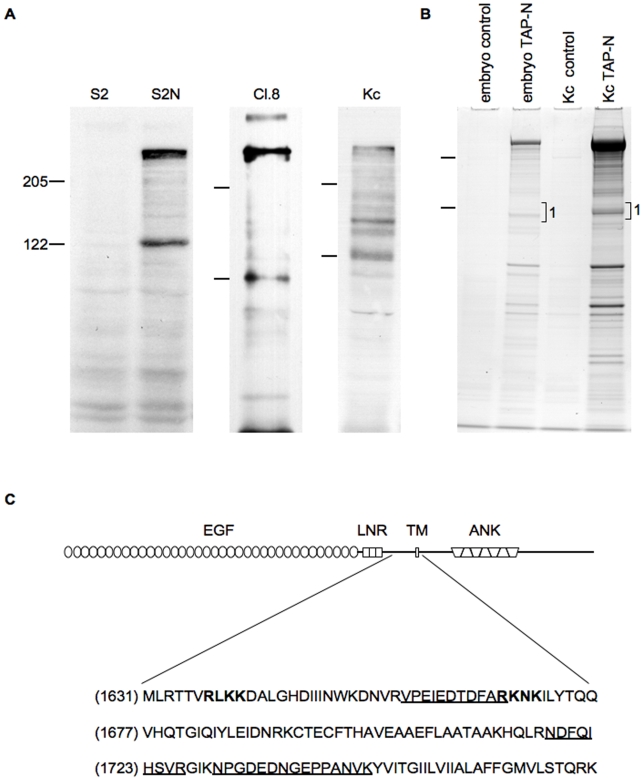
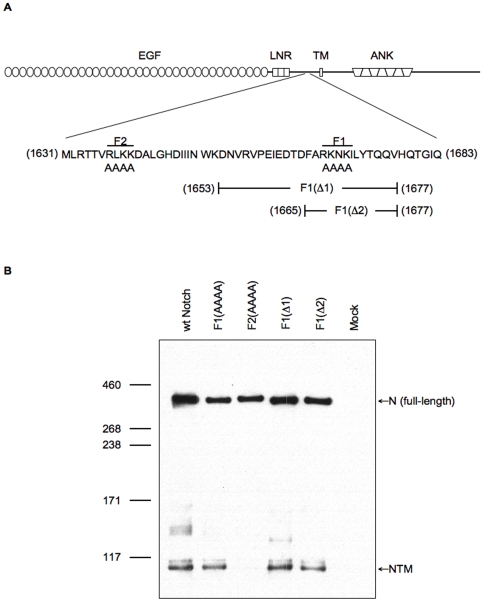
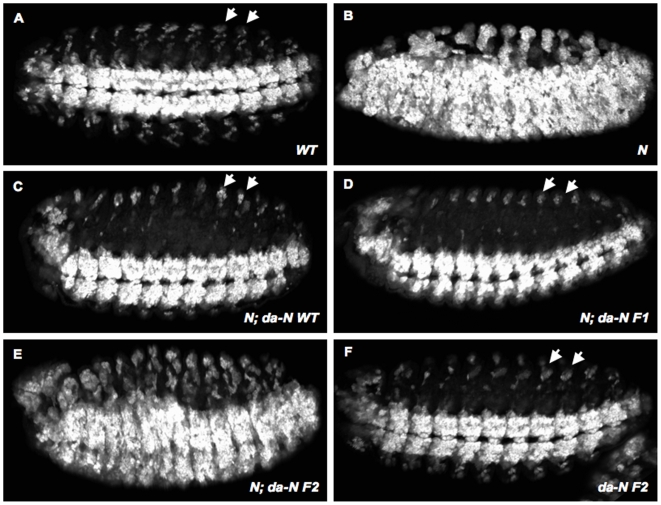
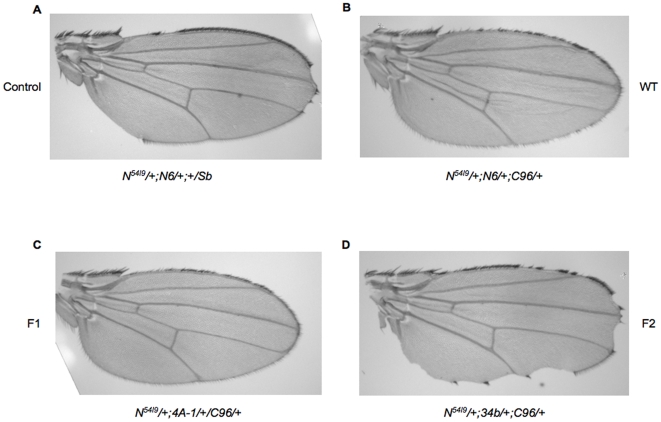
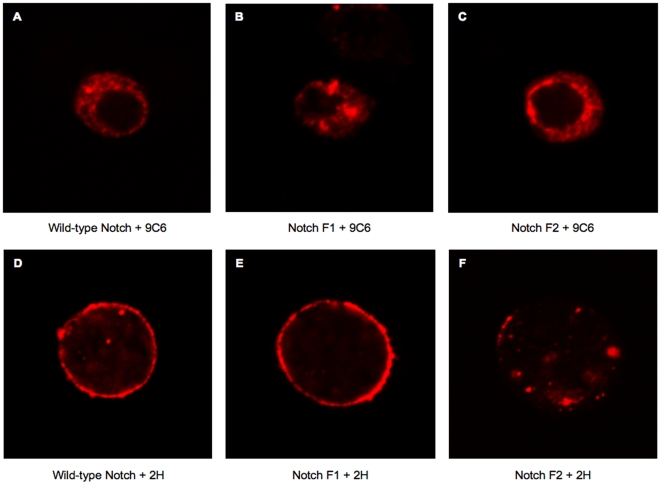
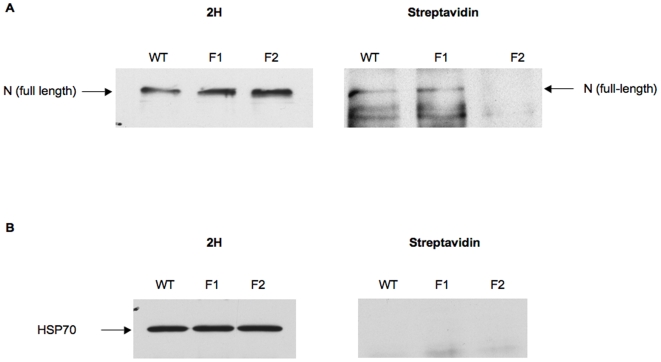
A ligand-independent cleavage (S1) in the extracellular domain of the mammalian Notch receptor results in what is considered to be the canonical heterodimeric form of Notch on the cell surface. The in vivo consequences and significance of this cleavage on Drosophila Notch signaling remain unclear and contradictory. We determined the cleavage site in Drosophila and examined its in vivo function by a transgenic analysis of receptors that cannot be cleaved. Our results demonstrate a correlation between loss of cleavage and loss of in vivo function of the Notch receptor, supporting the notion that S1 cleavage is an in vivo mechanism of Notch signal control.
哺乳动物 Notch 受体胞外结构域中的配体非依赖性切割(S1)导致 Notch 表面形成典型的异二聚体形式。这种切割对果蝇 Notch 信号的体内后果和意义仍不清楚,且存在争议。我们确定了果蝇中的切割位点,并通过不能被切割的受体的转基因分析来研究其体内功能。我们的结果表明,切割缺失与 Notch 受体体内功能丧失之间存在相关性,支持 S1 切割是 Notch 信号控制的体内机制这一观点。