Willimott Shaun, Barker James, Jones Lucy A, Opara Elizabeth I
School of Life Sciences, Kingston University, Kingston upon Thames, Surrey, UK.
Chem Cent J. 2009 Sep 28;3:12. doi: 10.1186/1752-153X-3-12.
Long Dan Xie Gan Wan (LD), a Chinese herbal remedy formulation, is traditionally used to treat a range of conditions, including gall bladder diseases, hepatitis, hyperthyroidism, migraines but it is not used for the management or treatment of cancer. However some of its herbal constituents, specifically Radix bupleuri, Radix scutellariae and Rhizoma alismatis have been shown to inhibit the growth of cancer cells. Thus, the aim of the study was to investigate the impact of LD on cancer cells in vitro.
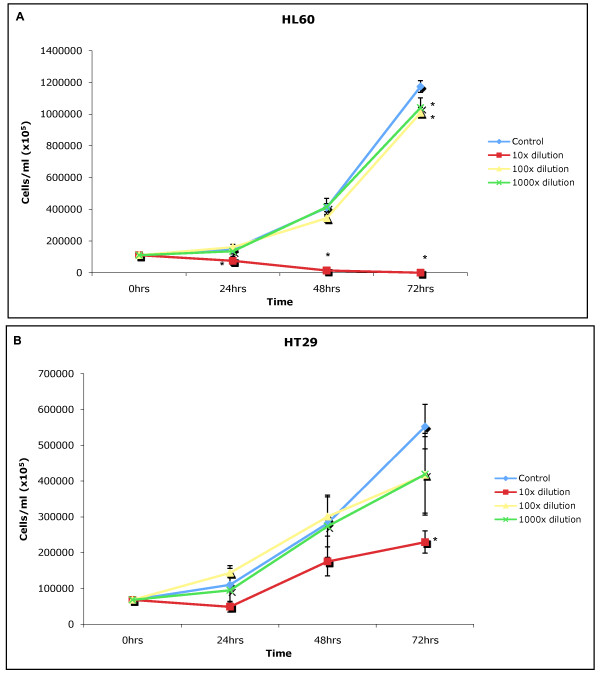
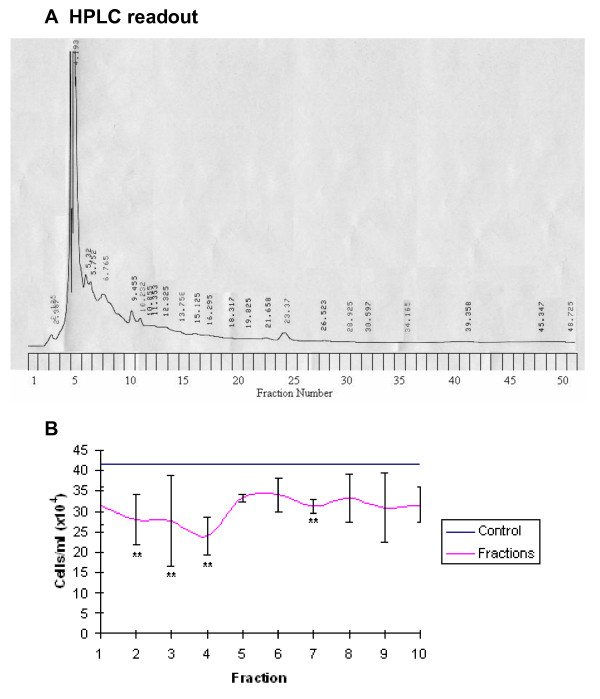
HL60 and HT29 cancer cell lines were exposed to water extracts of LD (1:10, 1:50, 1:100 and/or 1:1000 prepared from a 3 mg/30 ml stock) and for both cell lines growth, apoptotic induction, alterations in cell cycle characteristics and genotoxicity were investigated. The specificity of the action of LD on these cancer cell lines was also investigated by determining its effect on human peripheral blood lymphocytes. Preliminary chemical analysis was carried out to identify cytotoxic constituents of LD using HPLC and LCMS.
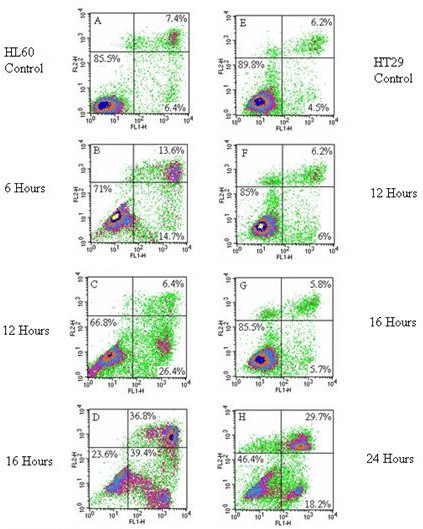
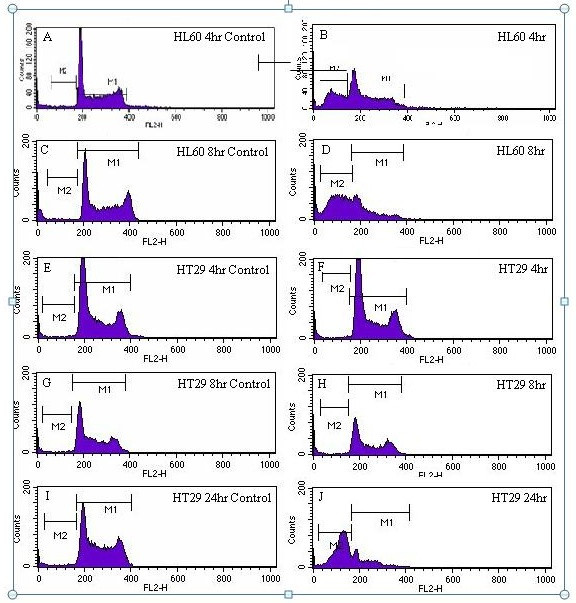
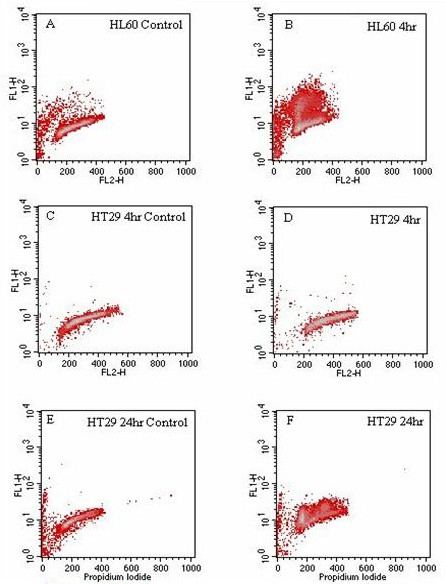
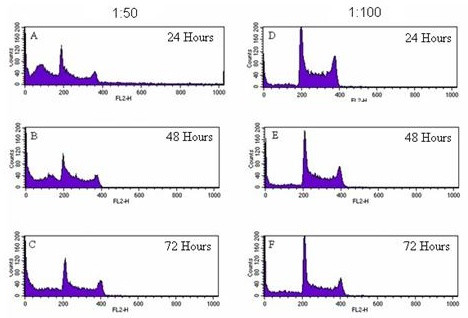
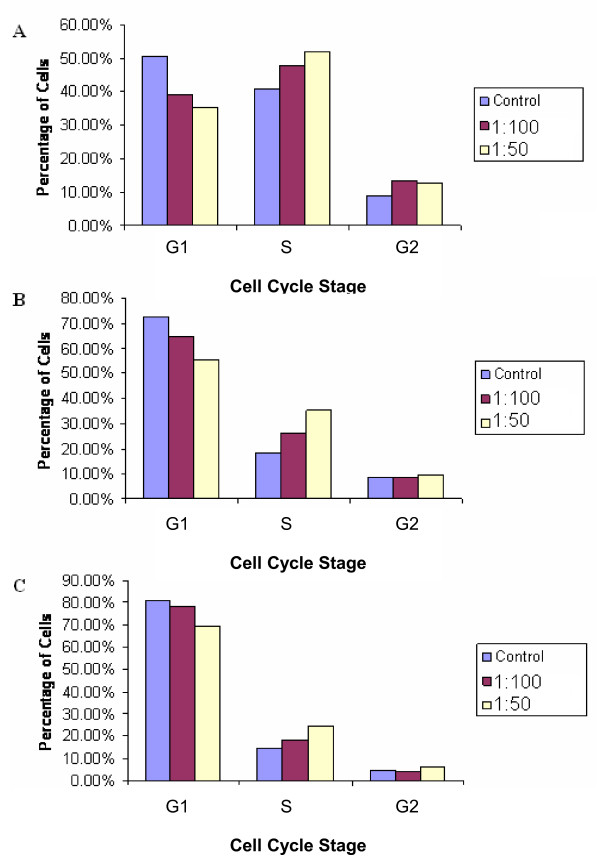
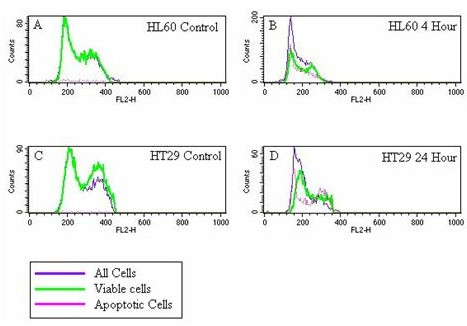
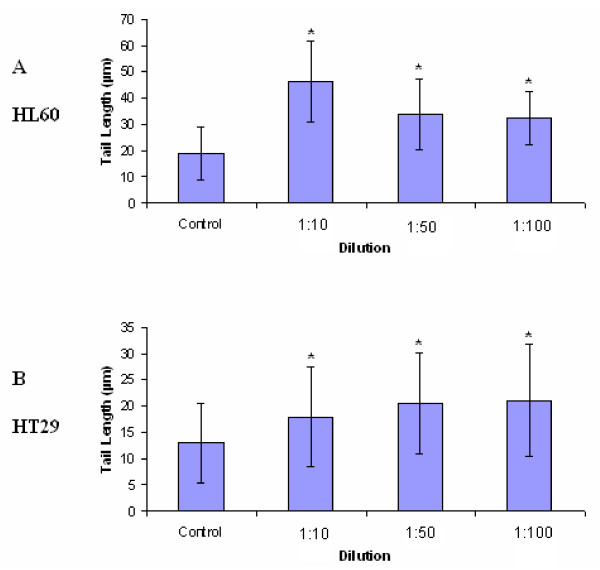
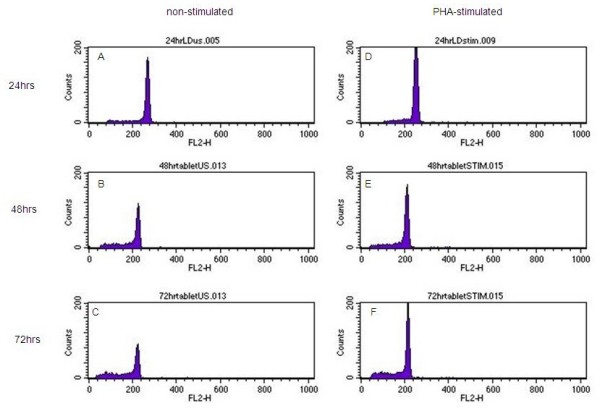
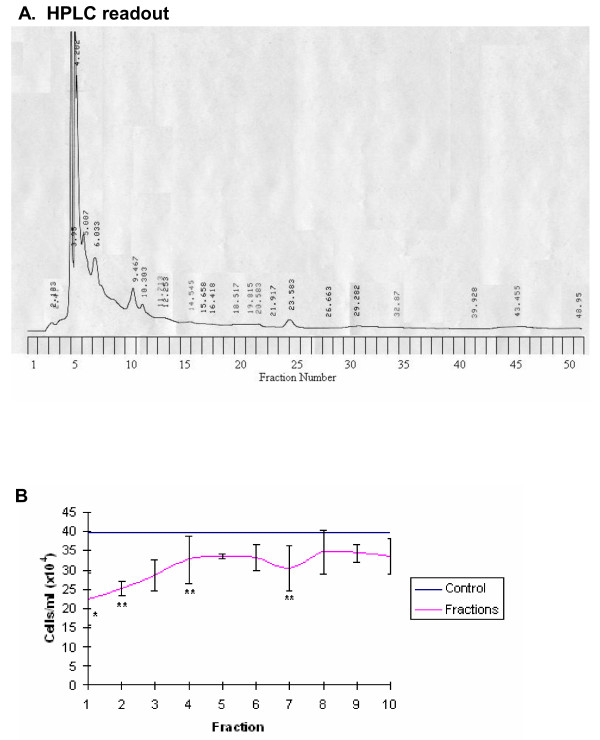
LD was significantly cytotoxic to, and induced apoptosis in, both cell lines. Apoptotic induction appeared to be cell cycle independent at all concentrations of LD used (1:10, 1:50 and 1:100) for the HL60 cell lines and at 1:10 for the HT29 cell line. At 1:50 and 1:100 apoptotic induction by LD appeared to be cell cycle dependent. LD caused significant genotoxic damage to both cell lines compared to their respective controls. The specificity study showed that LD exerted a moderate cytotoxic action against non-proliferating and proliferating blood lymphocytes but not apoptosis. Chemical analysis showed that a number of fractions were found to exert a significant growth inhibitory effect. However, the molecular weights of compounds within these fractions did not correspond to those from the herbal constituents of LD.
It is possible that LD may have some chemotherapeutic potential. However, further studies are required to determine its cytotoxic constituents.
龙胆泻肝丸(LD)是一种中药制剂,传统上用于治疗一系列病症,包括胆囊疾病、肝炎、甲状腺功能亢进、偏头痛,但不用于癌症的管理或治疗。然而,其一些草药成分,特别是柴胡、黄芩和泽泻已被证明可抑制癌细胞的生长。因此,本研究的目的是在体外研究LD对癌细胞的影响。
将HL60和HT29癌细胞系暴露于LD的水提取物(由3mg/30ml储备液制备的1:10、1:50、1:100和/或1:1000),并对两种细胞系的生长、凋亡诱导、细胞周期特征改变和遗传毒性进行研究。通过测定其对人外周血淋巴细胞的作用,还研究了LD对这些癌细胞系作用的特异性。使用高效液相色谱法(HPLC)和液相色谱-质谱联用(LCMS)进行初步化学分析,以鉴定LD的细胞毒性成分。
LD对两种细胞系均具有显著的细胞毒性并诱导凋亡。对于HL60细胞系,在所用的所有LD浓度(1:10、1:50和1:100)下以及对于HT29细胞系在1:10浓度下,凋亡诱导似乎与细胞周期无关。在1:50和1:100时,LD诱导的凋亡似乎与细胞周期有关。与各自的对照相比,LD对两种细胞系均造成了显著的遗传毒性损伤。特异性研究表明,LD对非增殖和增殖的血液淋巴细胞具有中等程度的细胞毒性作用,但不诱导凋亡。化学分析表明,发现一些馏分具有显著的生长抑制作用。然而,这些馏分中化合物的分子量与LD草药成分的分子量不对应。
LD可能具有一定的化疗潜力。然而,需要进一步研究以确定其细胞毒性成分。