Hayashi Takashi, Thomas Gareth M, Huganir Richard L
Howard Hughes Medical Institute, Department of Neuroscience, Johns Hopkins University School of Medicine, Baltimore, MD 21205, USA.
Neuron. 2009 Oct 29;64(2):213-26. doi: 10.1016/j.neuron.2009.08.017.
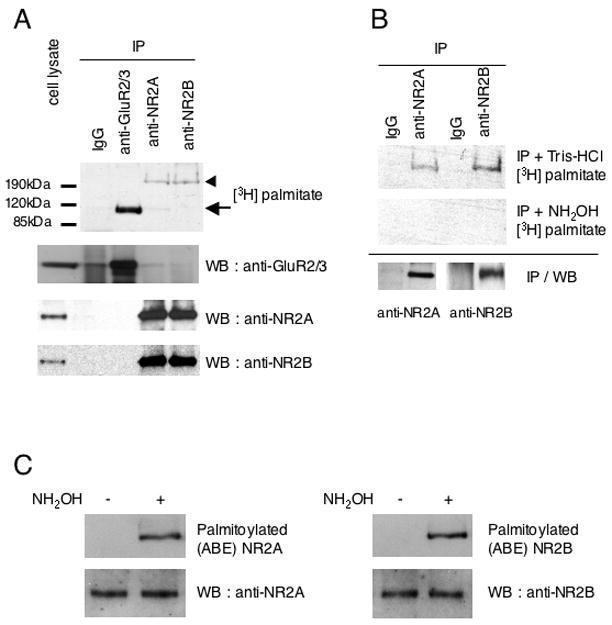
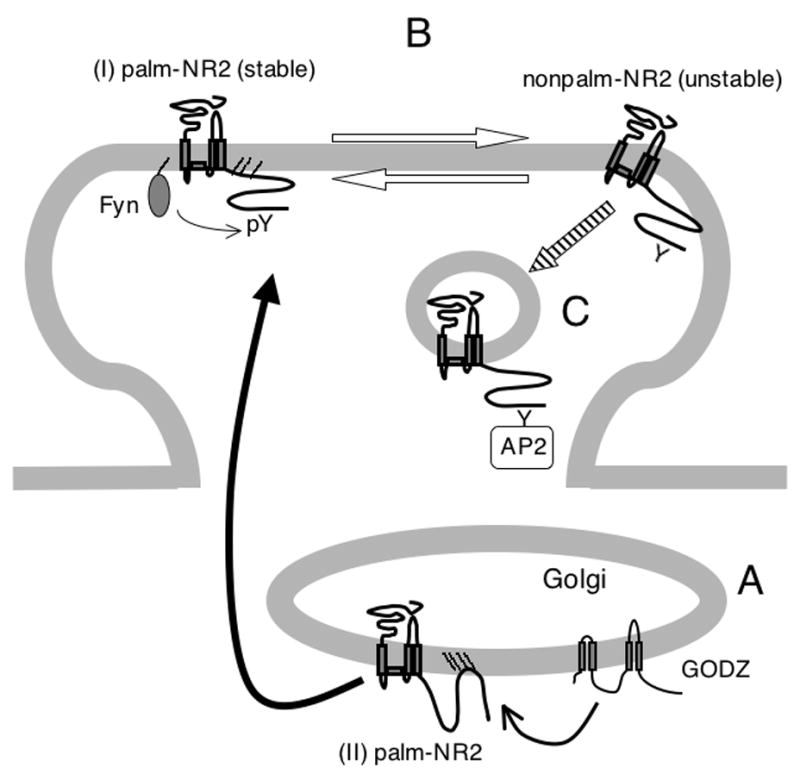
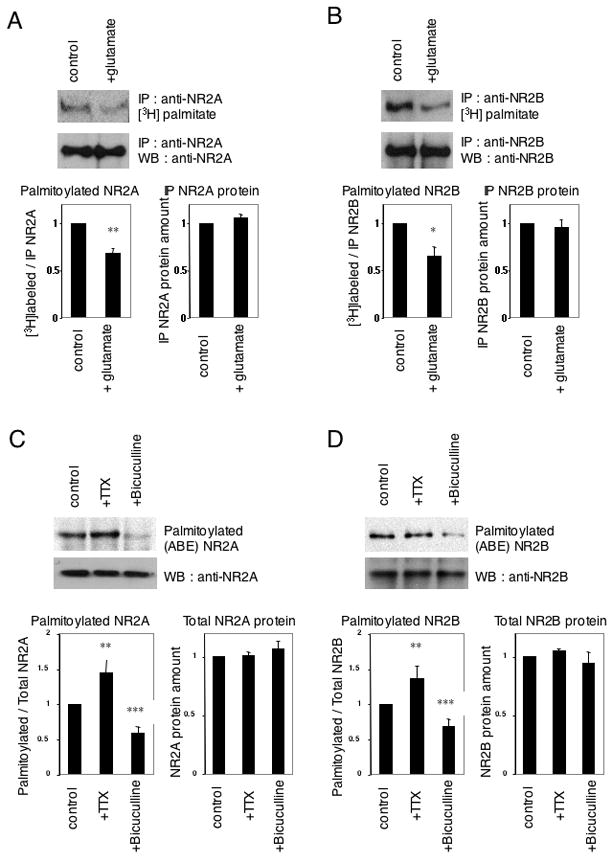
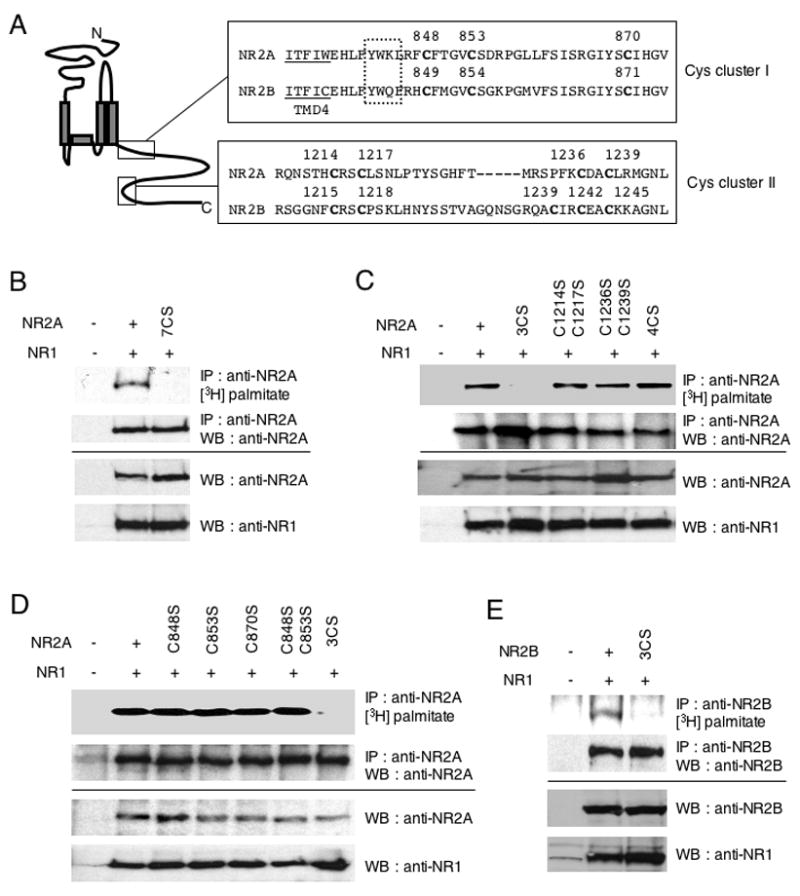
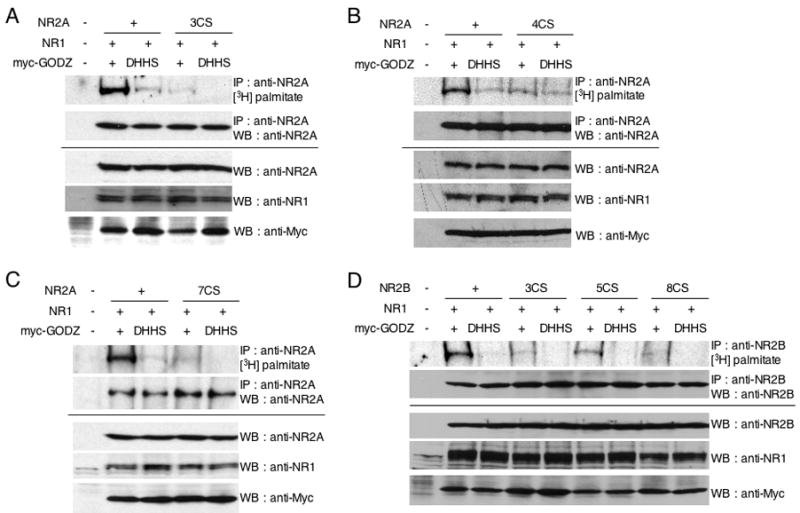
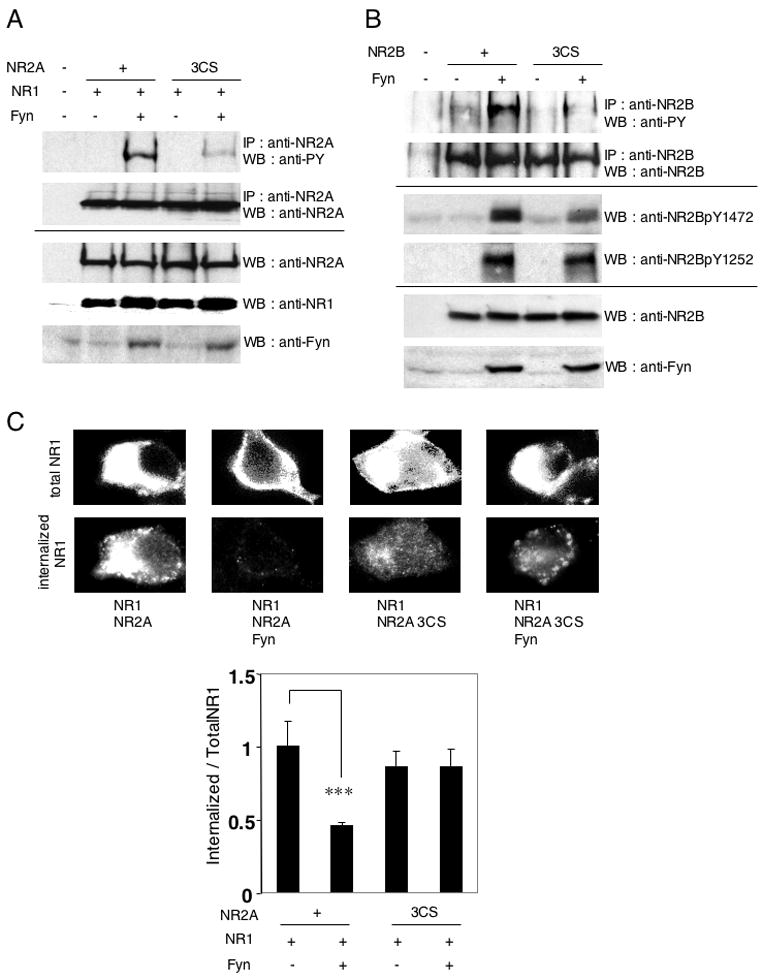
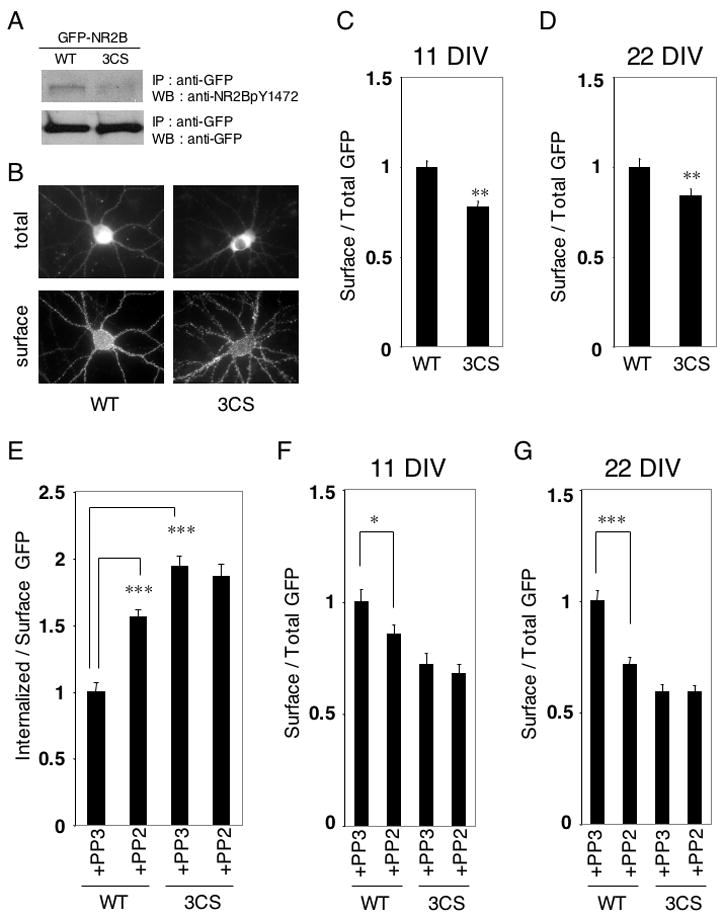
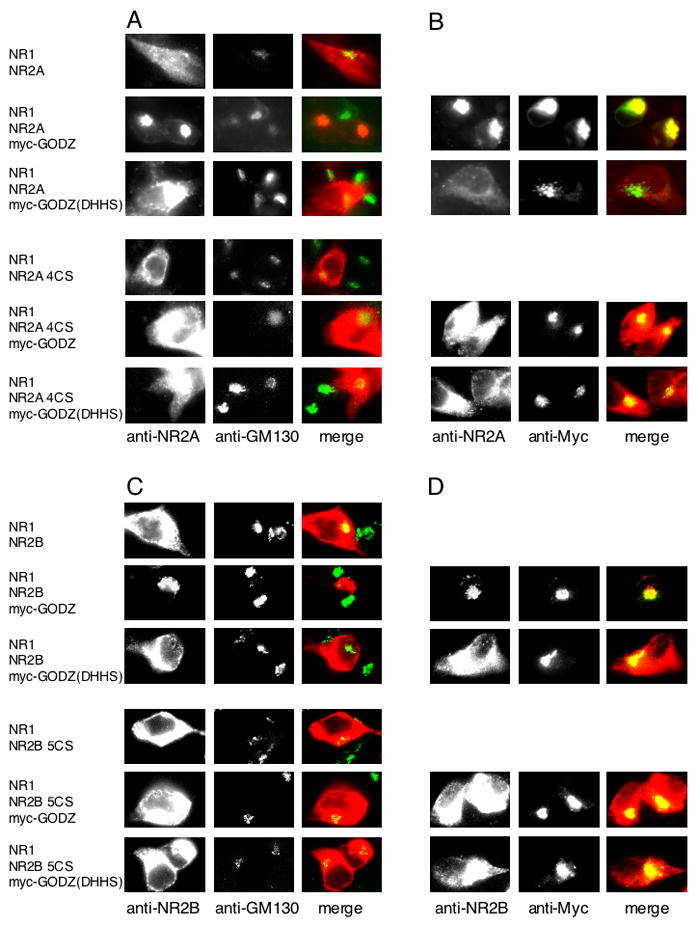
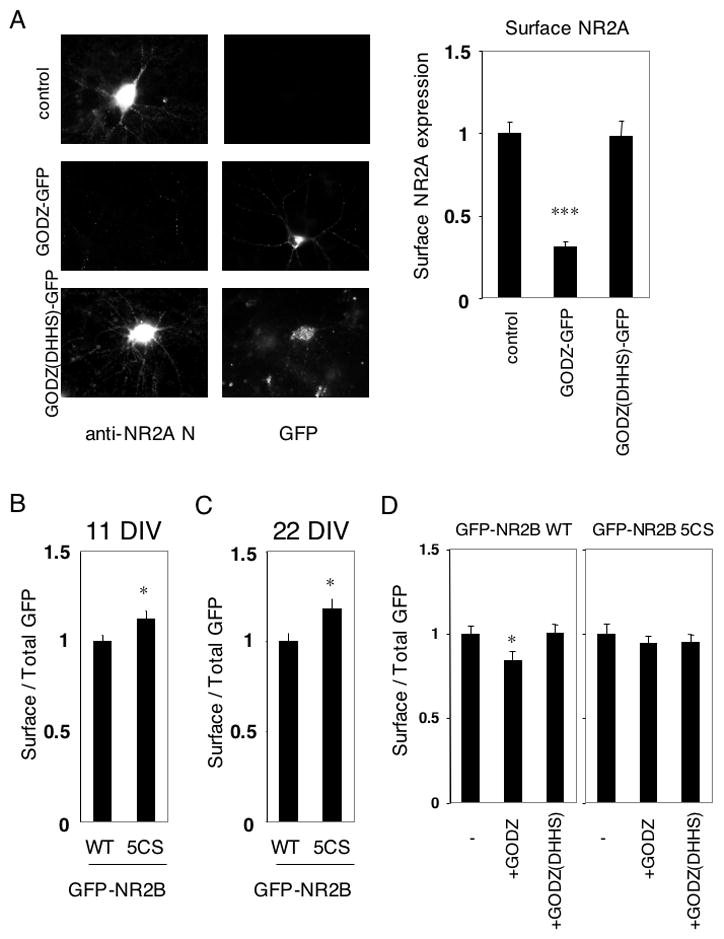
Modification of NMDA receptor function and trafficking contributes to the regulation of synaptic transmission and is important for several forms of synaptic plasticity. Here, we report that NMDA receptor subunits NR2A and NR2B have two distinct clusters of palmitoylation sites in their C-terminal region. Palmitoylation within the first cluster on a membrane-proximal region increases tyrosine phosphorylation of tyrosine-based internalization motifs by Src family protein tyrosine kinases, leading to enhanced stable surface expression of NMDA receptors. In addition, palmitoylation of these sites regulates constitutive internalization of the NMDA receptor in developing neurons. In marked contrast, palmitoylation of the second cluster in the middle of C terminus by distinct palmitoyl transferases causes receptors to accumulate in the Golgi apparatus and reduces receptor surface expression. These data suggest that regulated palmitoylation of NR2 subunits differentially modulates receptor trafficking and might be important for NMDA-receptor-dependent synaptic plasticity.
N-甲基-D-天冬氨酸(NMDA)受体功能及转运的改变有助于调节突触传递,并且对多种形式的突触可塑性至关重要。在此,我们报告NMDA受体亚基NR2A和NR2B在其C末端区域有两个不同的棕榈酰化位点簇。膜近端区域第一个簇内的棕榈酰化通过Src家族蛋白酪氨酸激酶增加基于酪氨酸的内化基序的酪氨酸磷酸化,导致NMDA受体稳定表面表达增强。此外,这些位点的棕榈酰化调节发育中神经元中NMDA受体的组成型内化。与之形成鲜明对比的是,C末端中部第二个簇被不同的棕榈酰转移酶棕榈酰化会导致受体在高尔基体中积累并减少受体表面表达。这些数据表明,NR2亚基的调控性棕榈酰化以不同方式调节受体转运,可能对NMDA受体依赖性突触可塑性很重要。