Molecular Neuropsychiatry Research Branch, DHHS/NIH/NIDA Intramural Research Program, Baltimore, MD, USA.
PLoS One. 2009 Nov 12;4(11):e7812. doi: 10.1371/journal.pone.0007812.
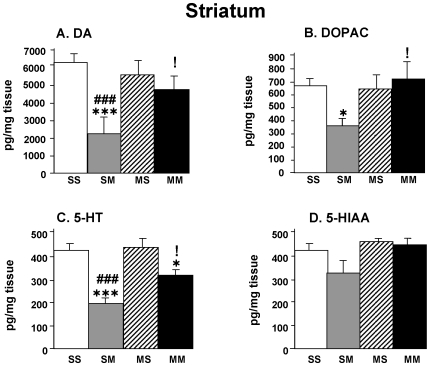
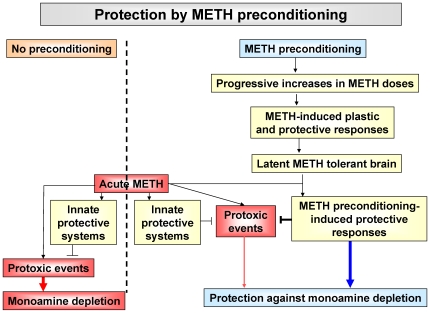
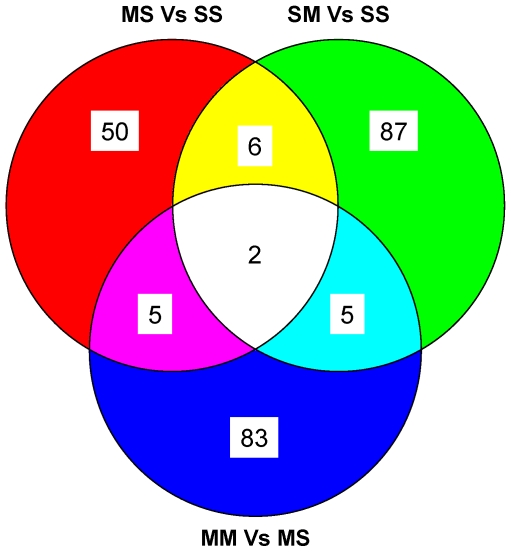
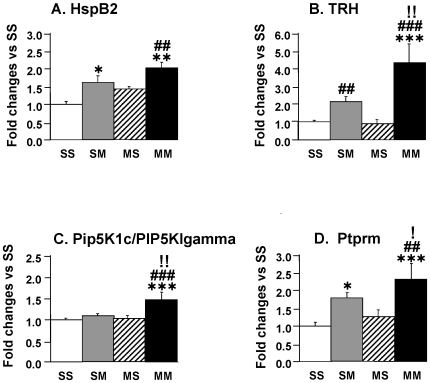
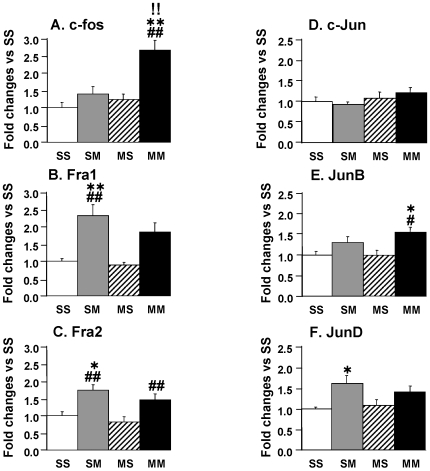
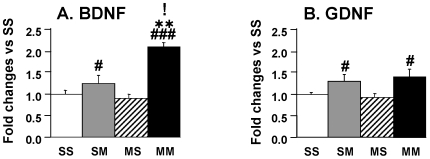
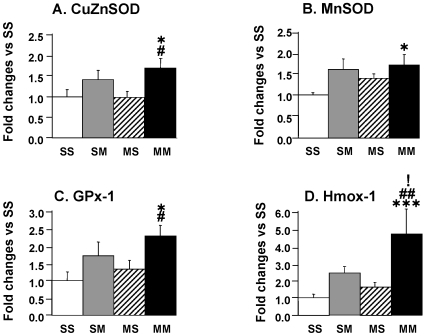
Methamphetamine (METH) is an illicit drug which is neurotoxic to the mammalian brain. Numerous studies have revealed significant decreases in dopamine and serotonin levels in the brains of animals exposed to moderate-to-large METH doses given within short intervals of time. In contrast, repeated injections of small nontoxic doses of the drug followed by a challenge with toxic METH doses afford significant protection against monoamine depletion. The present study was undertaken to test the possibility that repeated injections of the drug might be accompanied by transcriptional changes involved in rendering the nigrostriatal dopaminergic system refractory to METH toxicity. Our results confirm that METH preconditioning can provide significant protection against METH-induced striatal dopamine depletion. In addition, the presence and absence of METH preconditioning were associated with substantial differences in the identity of the genes whose expression was affected by a toxic METH challenge. Quantitative PCR confirmed METH-induced changes in genes of interest and identified additional genes that were differentially impacted by the toxic METH challenge in the presence of METH preconditioning. These genes include small heat shock 27 kD 27 protein 2 (HspB2), thyrotropin-releasing hormone (TRH), brain derived neurotrophic factor (BDNF), c-fos, and some encoding antioxidant proteins including CuZn superoxide dismutase (CuZnSOD), glutathione peroxidase (GPx)-1, and heme oxygenase-1 (Hmox-1). These observations are consistent, in part, with the transcriptional alterations reported in models of lethal ischemic injuries which are preceded by ischemic or pharmacological preconditioning. Our findings suggest that multiple molecular pathways might work in tandem to protect the nigrostriatal dopaminergic pathway against the deleterious effects of the toxic psychostimulant. Further analysis of the molecular and cellular pathways regulated by these genes should help to provide some insight into the neuroadaptive potentials of the brain when repeatedly exposed to drugs of abuse.
甲基苯丙胺(METH)是一种非法药物,对哺乳动物的大脑具有神经毒性。大量研究表明,在短时间内给予中等至大剂量的 METH 后,动物大脑中的多巴胺和血清素水平会显著降低。相比之下,反复注射小剂量、非毒性的药物,然后再用毒性 METH 剂量进行挑战,会显著防止单胺类物质耗竭。本研究旨在检验反复注射药物是否可能伴随着涉及使黑质纹状体多巴胺能系统对 METH 毒性产生抗性的转录变化。我们的结果证实,METH 预处理可以为 METH 诱导的纹状体多巴胺耗竭提供显著保护。此外,METH 预处理的存在与否与受毒性 METH 挑战影响的基因表达的身份存在显著差异。定量 PCR 证实了 METH 诱导的感兴趣基因的变化,并确定了在存在 METH 预处理的情况下,毒性 METH 挑战对其他基因产生了不同的影响。这些基因包括小热休克 27 kD 27 蛋白 2(HspB2)、促甲状腺素释放激素(TRH)、脑源性神经营养因子(BDNF)、c-fos 和一些编码抗氧化蛋白的基因,包括铜锌超氧化物歧化酶(CuZnSOD)、谷胱甘肽过氧化物酶(GPx)-1 和血红素加氧酶-1(Hmox-1)。这些观察结果部分与先前的缺血或药理学预处理后报告的致死性缺血性损伤模型中的转录改变一致。我们的发现表明,多种分子途径可能协同作用,保护黑质纹状体多巴胺能通路免受毒性精神兴奋剂的有害影响。进一步分析这些基因调节的分子和细胞途径,应该有助于深入了解大脑在反复暴露于滥用药物时的神经适应潜力。