Metabolism Unit, Department of Preventive Medicine and Community Health, University of Texas Medical Branch, Galveston TX 77550, USA.
Metabolism. 2010 May;59(5):703-10. doi: 10.1016/j.metabol.2009.09.014. Epub 2009 Nov 17.
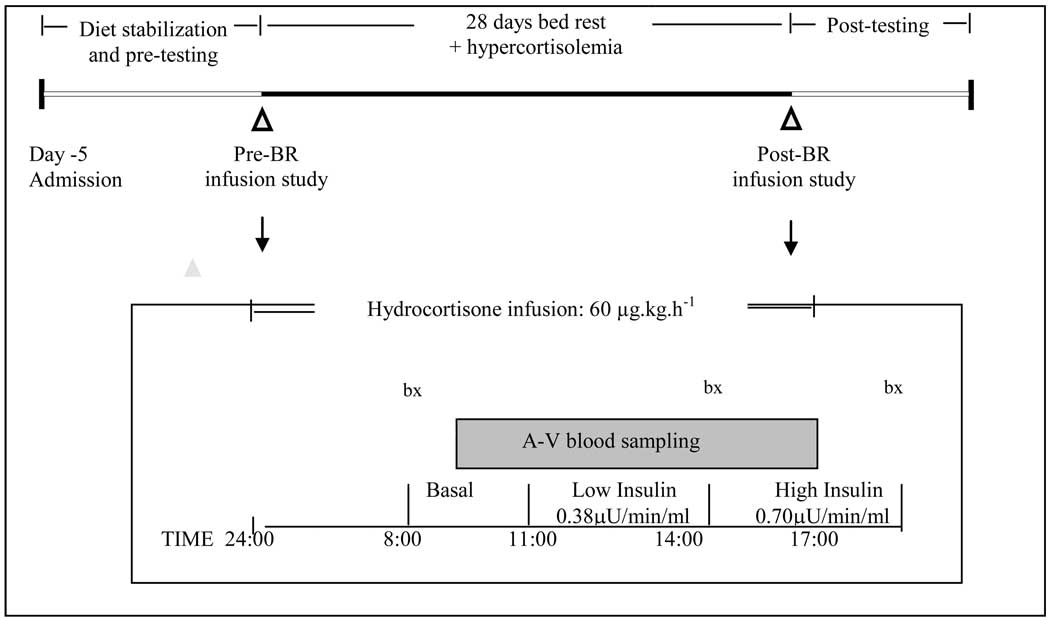
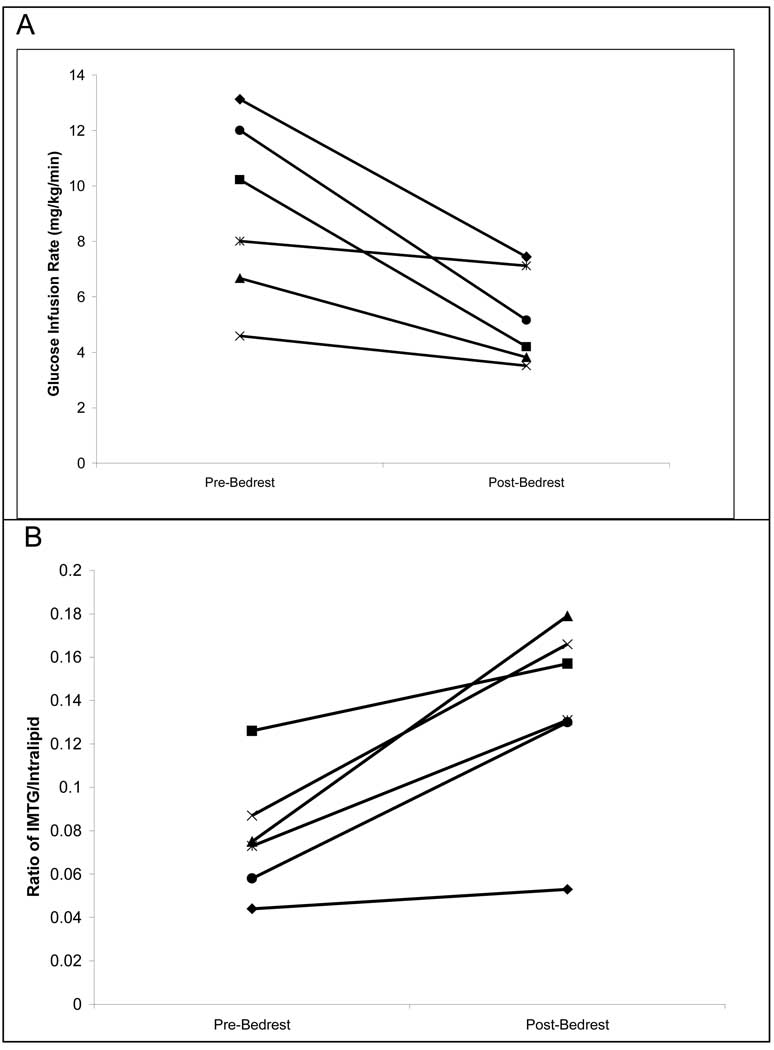
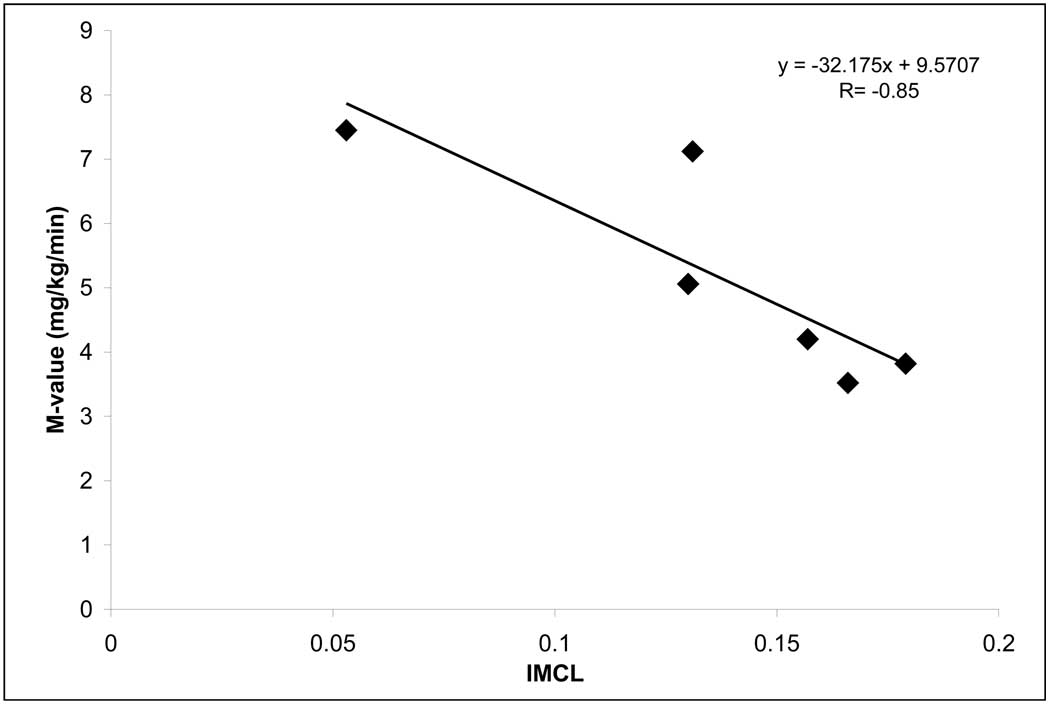
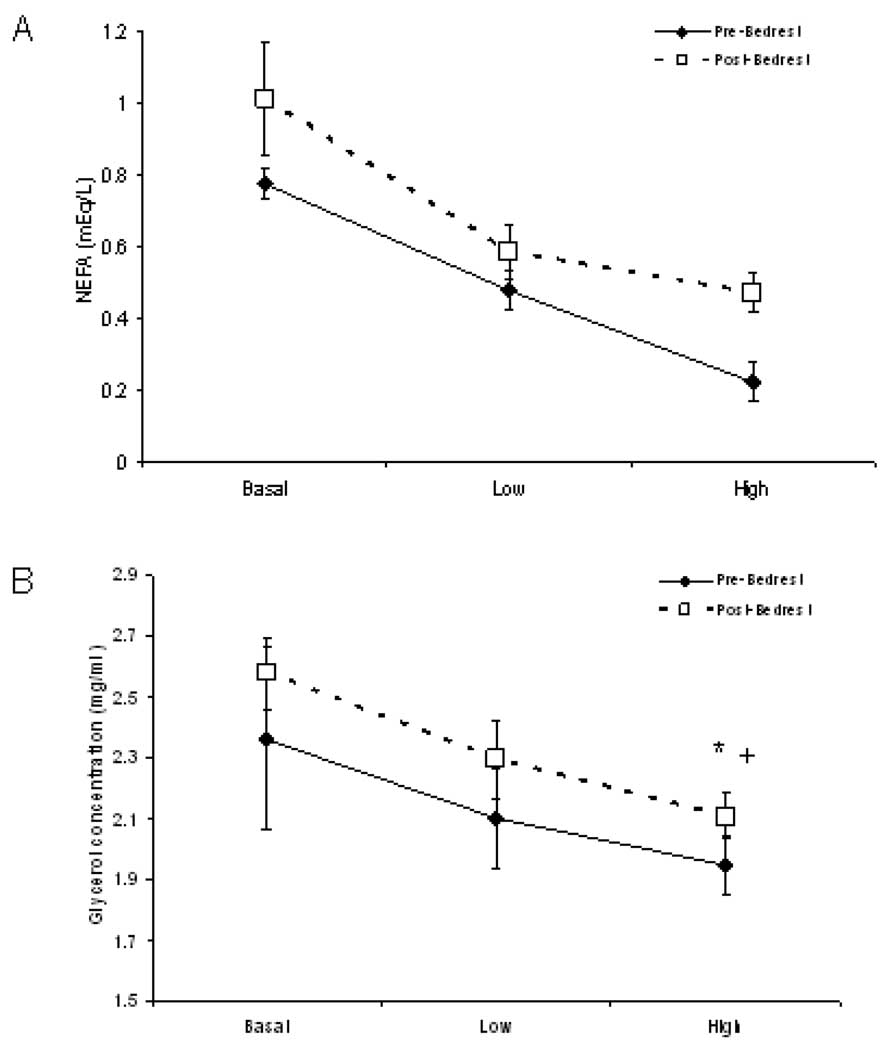
Spaceflight represents a unique physiologic challenge to humans, altering hormonal profiles and tissue insulin sensitivity. Among these hormonal alterations, hypercortisolemia and insulin insensitivity are thought to negatively affect muscle mass and function with spaceflight. As insulin sensitivity influences the accumulation of muscle triglycerides, we examined this relationship during hypercortisolemia and inactivity. Six young healthy volunteers were confined to bed rest for 28 days. To mimic the stress response observed during spaceflight, hypercortisolemia (20-24 mg/dL) was induced and maintained by oral ingestion of hydrocortisone. On days 1 and 28 of bed rest, insulin sensitivity across the leg was assessed with a local (femoral arterial insulin infusion) 2-stage hyperinsulinemic-euglycemic clamp (stage 1, 35 microU/min per milliliter of leg; stage 2, 70 microU/min per milliliter of leg). Intramuscular lipid was measured with magnetic resonance spectroscopy. After bed rest, there was a decrease in insulin sensitivity, as assessed by glucose uptake during hyperinsulinemia (from 9.1 +/- 1.3 [mean +/- SEM] to 5.2 +/- 0.7 mg/kg of leg per minute [P = .015]). Intramuscular triglyceride increased from 0.077 +/- 0.011 to 0.136 +/- 0.018 (signal area of fat/signal area of standard, P = .009). Intramuscular lipid content correlated with the glucose uptake at day 28 (R = -0.85, P = .035). These data demonstrate that muscular inactivity and hypercortisolemia are associated with an increase in intramuscular triglyceride and skeletal muscle insulin resistance in previously healthy subjects.
航天飞行对人体是一种独特的生理挑战,改变了激素谱和组织胰岛素敏感性。在这些激素变化中,皮质醇过多症和胰岛素敏感性降低被认为会对肌肉质量和功能产生负面影响。由于胰岛素敏感性影响肌肉甘油三酯的积累,我们在皮质醇过多症和不活动期间检查了这种关系。六名年轻健康志愿者被限制在床上休息 28 天。为了模拟航天飞行中观察到的应激反应,通过口服氢化可的松诱导并维持皮质醇过多症(20-24mg/dL)。在卧床休息的第 1 天和第 28 天,通过局部(股动脉胰岛素输注)2 阶段高胰岛素-正常血糖钳夹(第 1 阶段,腿部每毫升 35 微 U/分钟;第 2 阶段,腿部每毫升 70 微 U/分钟)评估腿部的胰岛素敏感性。通过磁共振波谱测量肌肉内脂质。卧床休息后,胰岛素敏感性下降,表现为高胰岛素血症期间的葡萄糖摄取(从 9.1+/-1.3[平均值+/-SEM]降至 5.2+/-0.7mg/kg 腿部/分钟[P=0.015])。肌肉内甘油三酯从 0.077+/-0.011 增加到 0.136+/-0.018(脂肪/标准信号区域,P=0.009)。肌肉内脂质含量与第 28 天的葡萄糖摄取呈负相关(R=-0.85,P=0.035)。这些数据表明,肌肉不活动和皮质醇过多症与肌肉内甘油三酯增加和先前健康受试者的骨骼肌胰岛素抵抗有关。