Hill Bradford G, Higdon Ashlee N, Dranka Brian P, Darley-Usmar Victor M
Department of Pathology, University of Alabama at Birmingham, Birmingham, AL 35294, USA.
Biochim Biophys Acta. 2010 Feb;1797(2):285-95. doi: 10.1016/j.bbabio.2009.11.005. Epub 2009 Nov 24.
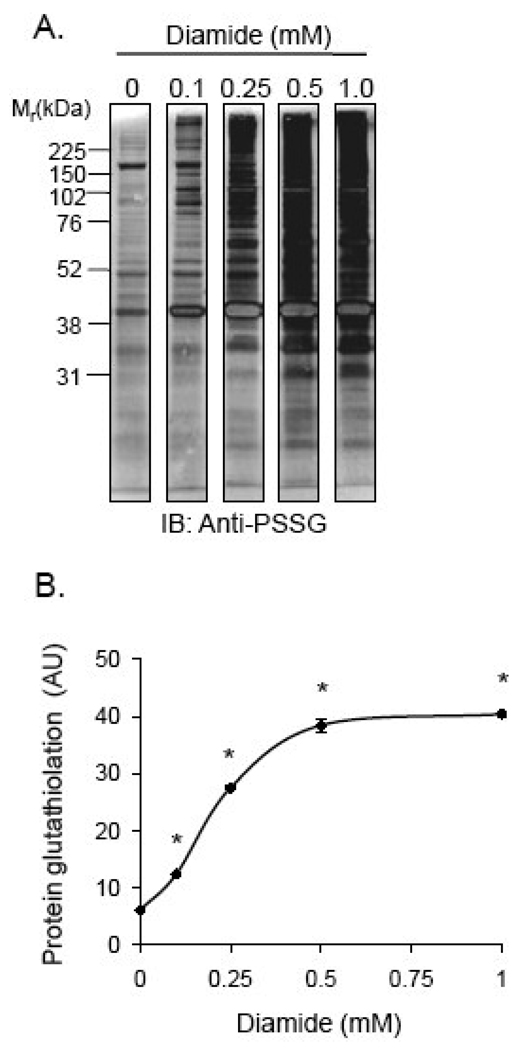
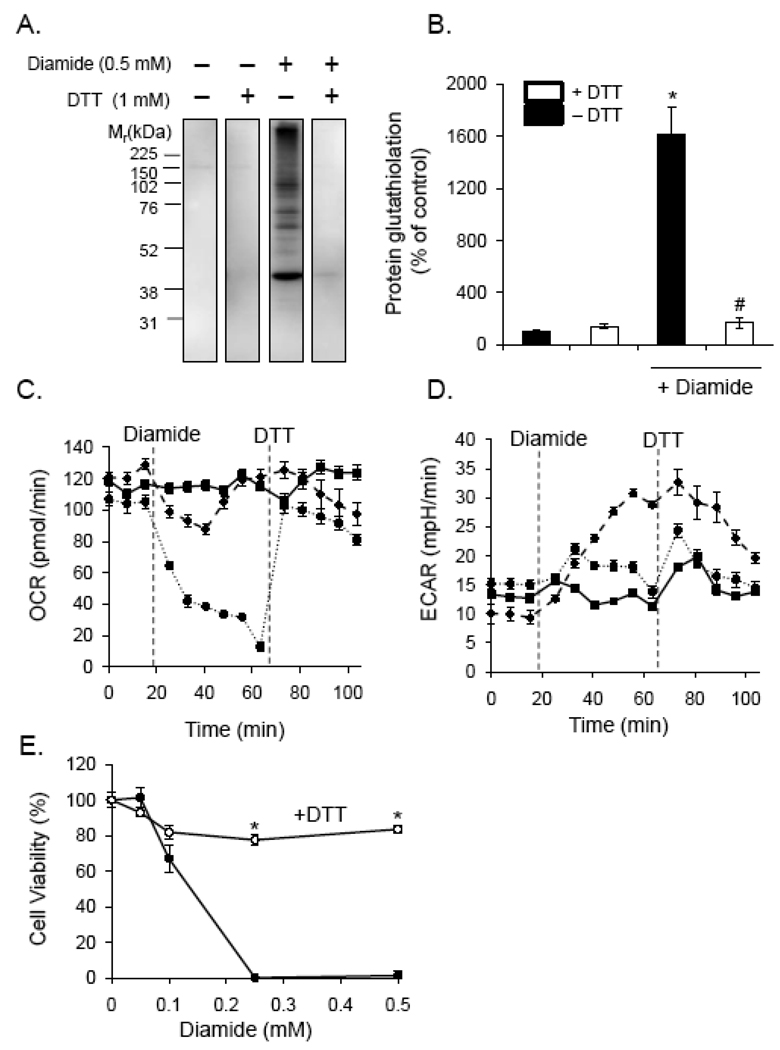
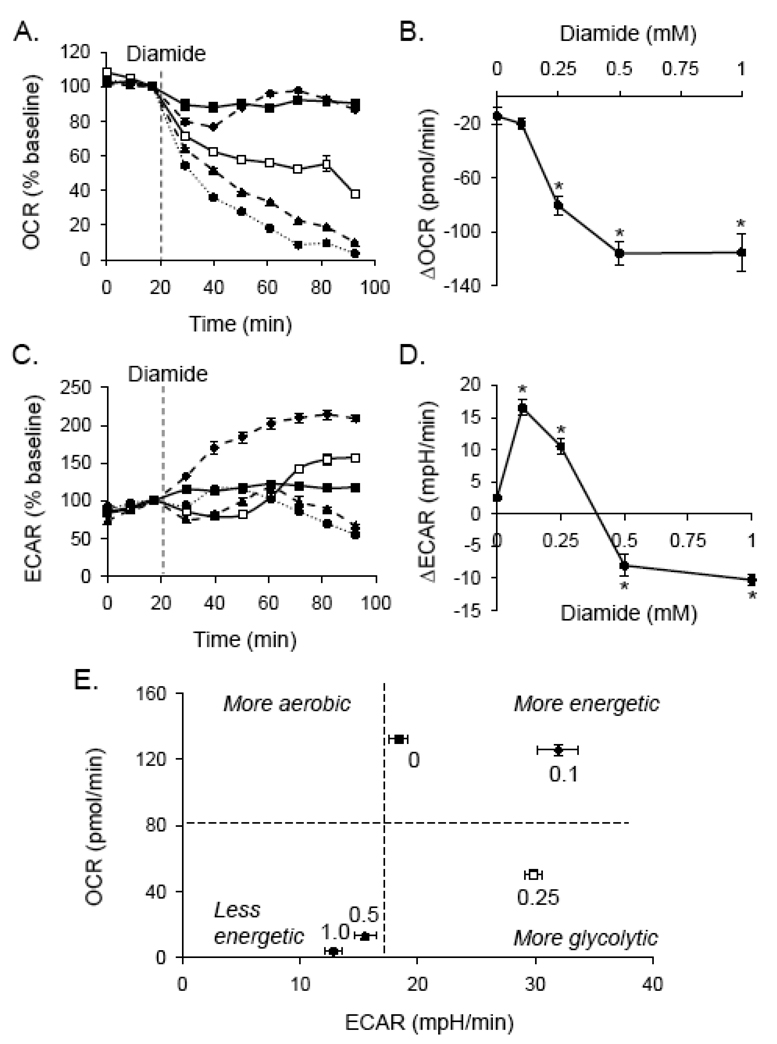
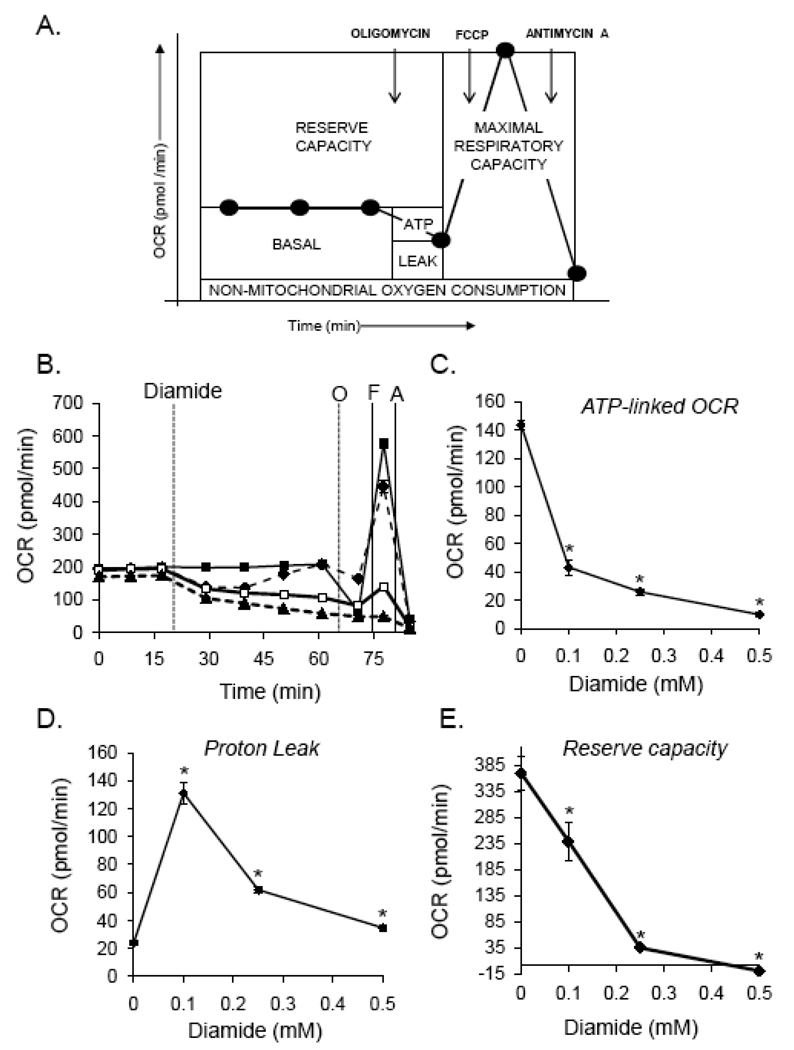
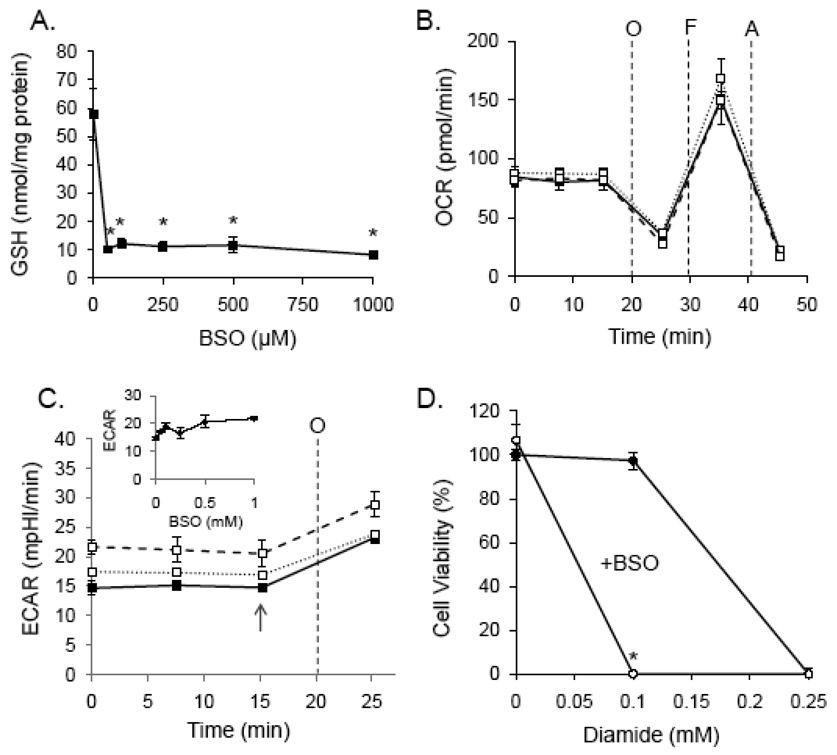
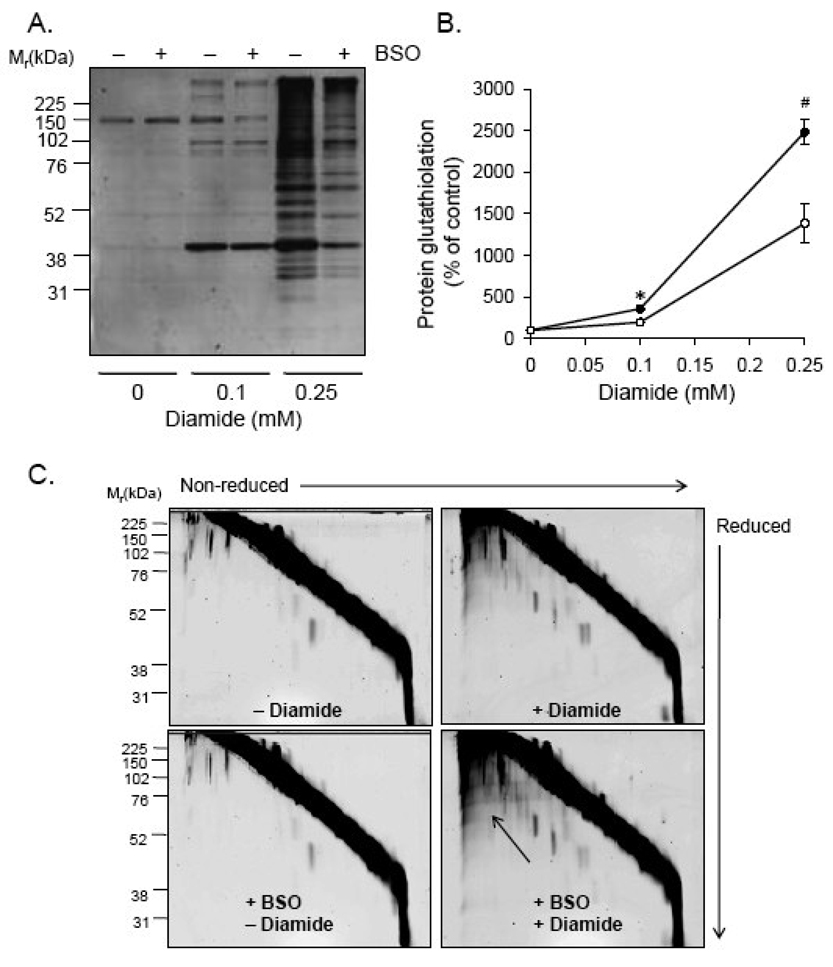
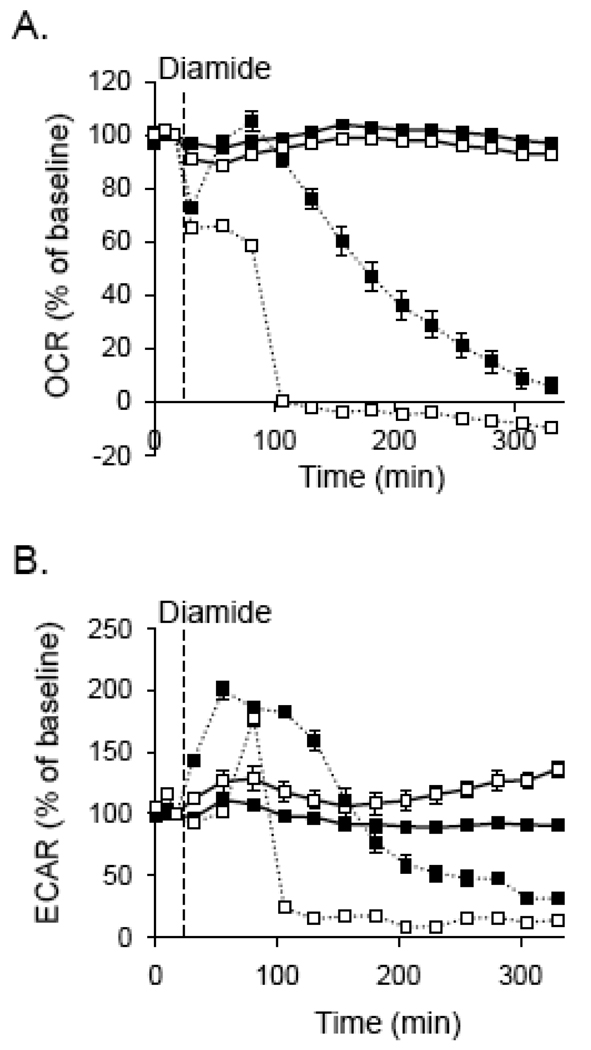
Protein thiolation by glutathione is a reversible and regulated post-translational modification that is increased in response to oxidants and nitric oxide. Because many mitochondrial enzymes contain critical thiol residues, it has been hypothesized that thiolation reactions regulate cell metabolism and survival. However, it has been difficult to differentiate the biological effects due to protein thiolation from other oxidative protein modifications. In this study, we used diamide to titrate protein glutathiolation and examined its impact on glycolysis, mitochondrial function, and cell death in rat aortic smooth muscle cells. Treatment of cells with diamide increased protein glutathiolation in a concentration-dependent manner and had comparably little effect on protein-protein disulfide formation. Diamide increased mitochondrial proton leak and decreased ATP-linked mitochondrial oxygen consumption and cellular bioenergetic reserve capacity. Concentrations of diamide above 200 microM promoted acute bioenergetic failure and caused cell death, whereas lower concentrations of diamide led to a prolonged increase in glycolytic flux and were not associated with loss of cell viability. Depletion of glutathione using buthionine sulfoximine had no effect on basal protein thiolation or cellular bioenergetics but decreased diamide-induced protein glutathiolation and sensitized the cells to bioenergetic dysfunction and death. The effects of diamide on cell metabolism and viability were fully reversible upon addition of dithiothreitol. These data suggest that protein thiolation modulates key metabolic processes in both the mitochondria and cytosol.
谷胱甘肽介导的蛋白质巯基化是一种可逆且受调控的翻译后修饰,其水平会因氧化剂和一氧化氮而升高。由于许多线粒体酶含有关键的巯基残基,因此有人推测巯基化反应可调节细胞代谢和存活。然而,一直难以区分蛋白质巯基化与其他氧化蛋白质修饰所产生的生物学效应。在本研究中,我们使用二酰胺滴定蛋白质谷胱甘肽化,并研究其对大鼠主动脉平滑肌细胞糖酵解、线粒体功能和细胞死亡的影响。用二酰胺处理细胞会以浓度依赖的方式增加蛋白质谷胱甘肽化,而对蛋白质 - 蛋白质二硫键形成的影响相对较小。二酰胺增加线粒体质子泄漏,降低与ATP相关的线粒体氧消耗和细胞生物能量储备能力。浓度高于200微摩尔的二酰胺会导致急性生物能量衰竭并引起细胞死亡,而较低浓度的二酰胺会导致糖酵解通量长期增加,且与细胞活力丧失无关。使用丁硫氨酸亚砜胺消耗谷胱甘肽对基础蛋白质巯基化或细胞生物能量学没有影响,但会降低二酰胺诱导的蛋白质谷胱甘肽化,并使细胞对生物能量功能障碍和死亡敏感。加入二硫苏糖醇后,二酰胺对细胞代谢和活力的影响完全可逆。这些数据表明蛋白质巯基化可调节线粒体和细胞质中的关键代谢过程。