Division of Tumor Cell Biology, Beckman Research Institute of the City of Hope, Duarte, California, United States of America.
PLoS One. 2009 Nov 30;4(11):e8050. doi: 10.1371/journal.pone.0008050.
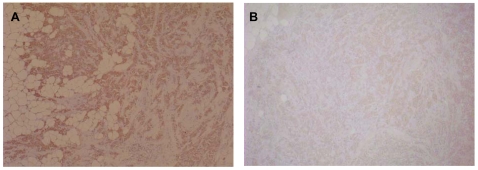
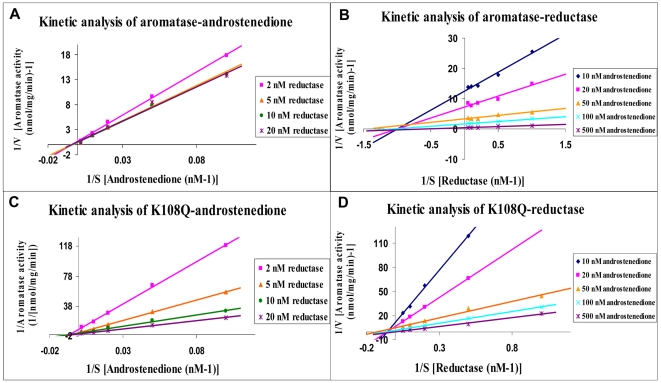
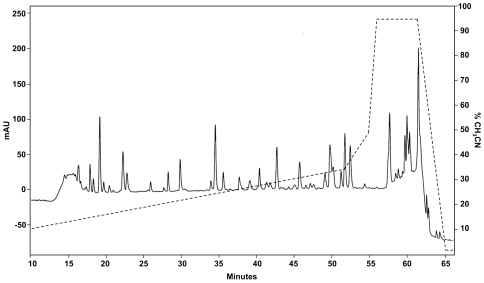
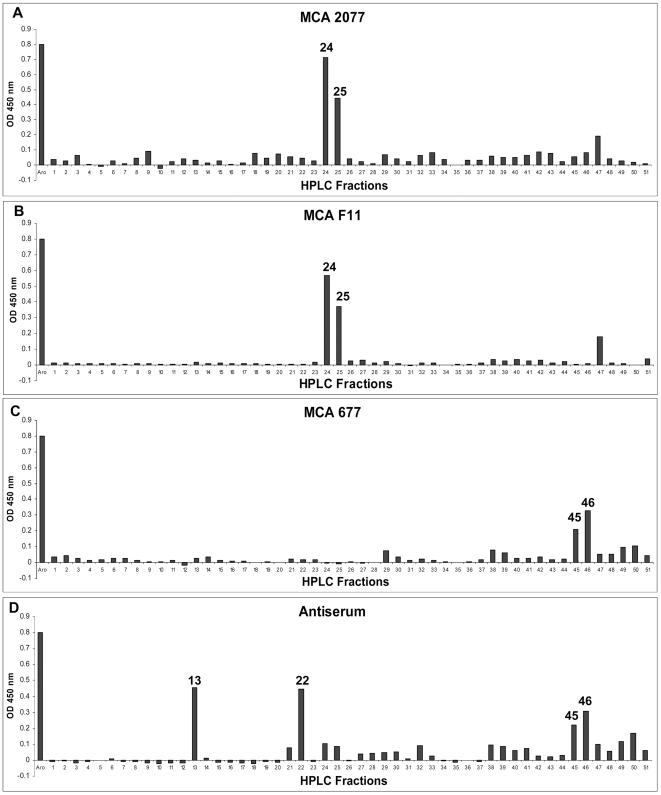
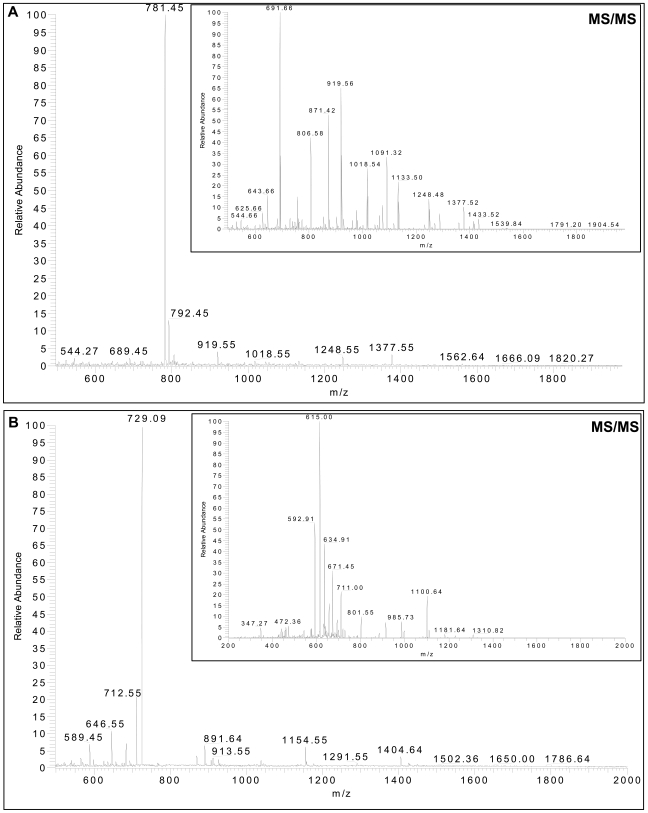
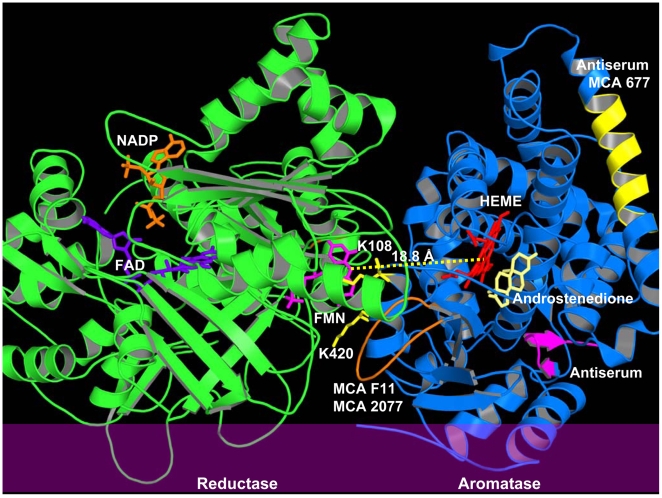
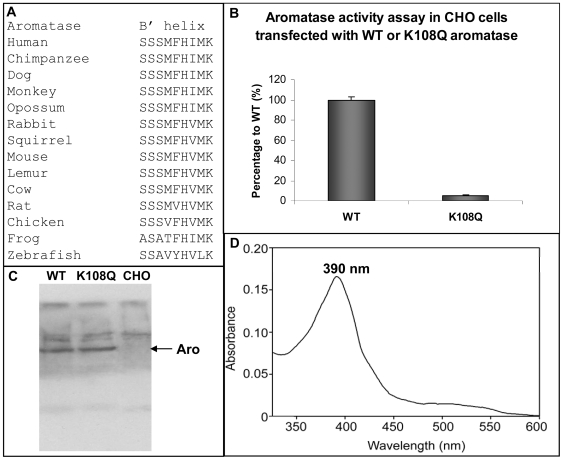
Immunohistochemistry is one of the most suitable methods for the detection of intratumoral aromatase in order to identify patients who may respond to aromatase inhibitor therapy in hormone-dependent breast cancer. Previous studies showed statistically significant correlation between results of immnuohistochemistry and biochemical analysis in carcinoma components stained by aromatase monoclonal antibody 677. In this study, determination of the antigenic peptides recognized by aromatase antibodies through epitope mapping, combined with the new knowledge on aromatase-reductase interaction, provide insights for understanding various immunostaining patterns using different aromatase antibodies. Our studies on aromatase-reductase interaction also provided critical information on how aromatase and reductase interact with each other on the endoplasmic reticulum membrane, and identified key residues, including K108 of aromatase, that are involved in the interaction with reductase. Through epitope mapping and taking into consideration the interference with aromatase immunohistochemical staining by NADPH-cytochrome P450 reductase, we demonstrated that monoclonal antibody 677 is a suitable antibody for an assessment of intratumoral aromatase activity in breast cancer patients for making clinical management decisions. These results also provide valuable information to identify new aromatase antibodies for immunohistochemical diagnosis of hormone-dependent breast cancer in future.
免疫组织化学是检测肿瘤内芳香酶的最适宜方法之一,目的是鉴定出激素依赖性乳腺癌中可能对芳香酶抑制剂治疗有反应的患者。先前的研究表明,用芳香酶单克隆抗体 677 染色的癌组织成分的免疫组织化学和生化分析结果之间存在统计学显著相关性。在这项研究中,通过表位作图确定芳香酶抗体识别的抗原肽,结合对芳香酶-还原酶相互作用的新知识,为理解使用不同芳香酶抗体的各种免疫染色模式提供了见解。我们对芳香酶-还原酶相互作用的研究还提供了关于芳香酶和还原酶如何在内质网膜上相互作用的关键信息,并确定了关键残基,包括芳香酶的 K108,这些残基参与与还原酶的相互作用。通过表位作图并考虑 NADPH-细胞色素 P450 还原酶对芳香酶免疫组织化学染色的干扰,我们证明了单克隆抗体 677 是评估乳腺癌患者肿瘤内芳香酶活性以做出临床管理决策的合适抗体。这些结果还为未来识别用于激素依赖性乳腺癌免疫组织化学诊断的新的芳香酶抗体提供了有价值的信息。