Erbay Ebru, Babaev Vladimir R, Mayers Jared R, Makowski Liza, Charles Khanichi N, Snitow Melinda E, Fazio Sergio, Wiest Michelle M, Watkins Steven M, Linton Macrae F, Hotamisligil Gökhan S
Department of Genetics & Complex Diseases, Harvard School of Public Health, Boston, Massachusetts, USA.
Nat Med. 2009 Dec;15(12):1383-91. doi: 10.1038/nm.2067. Epub 2009 Nov 29.
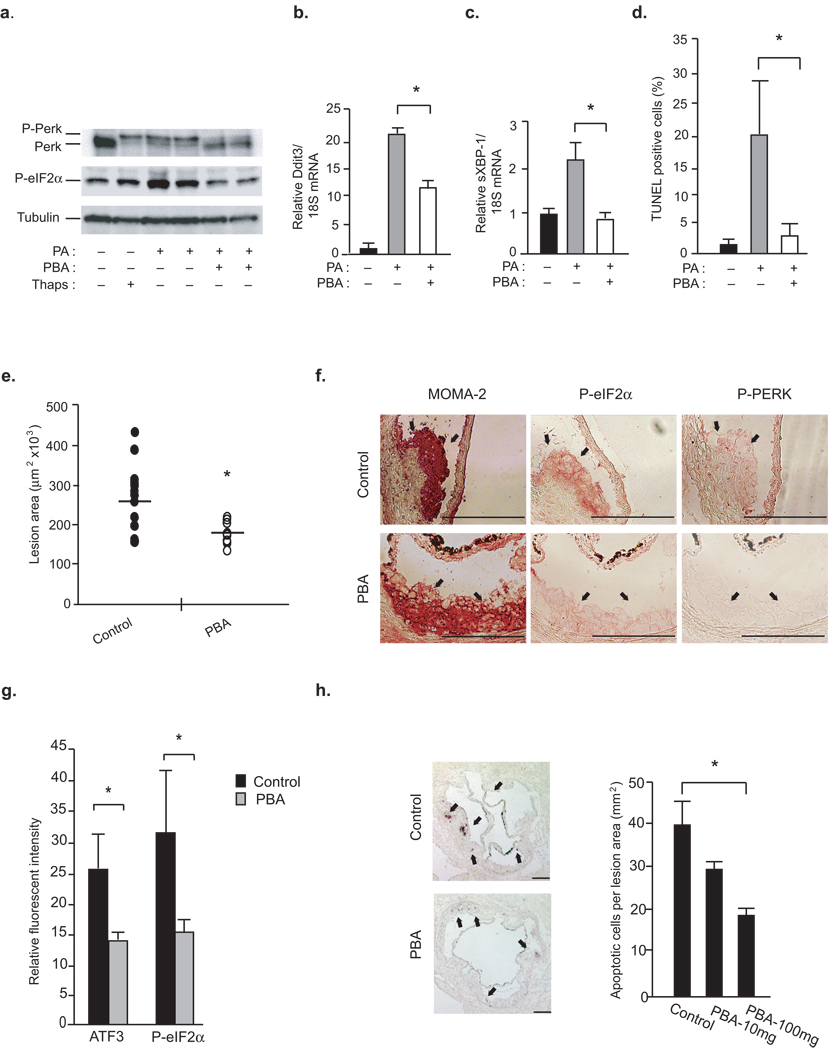
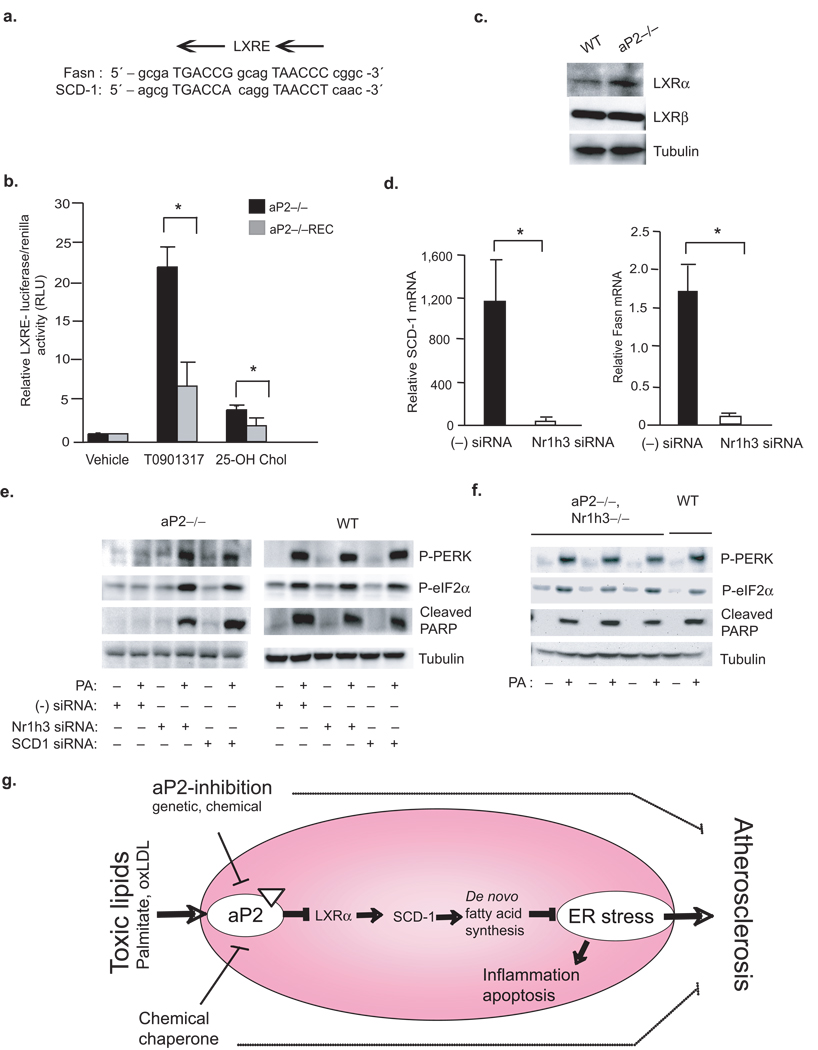
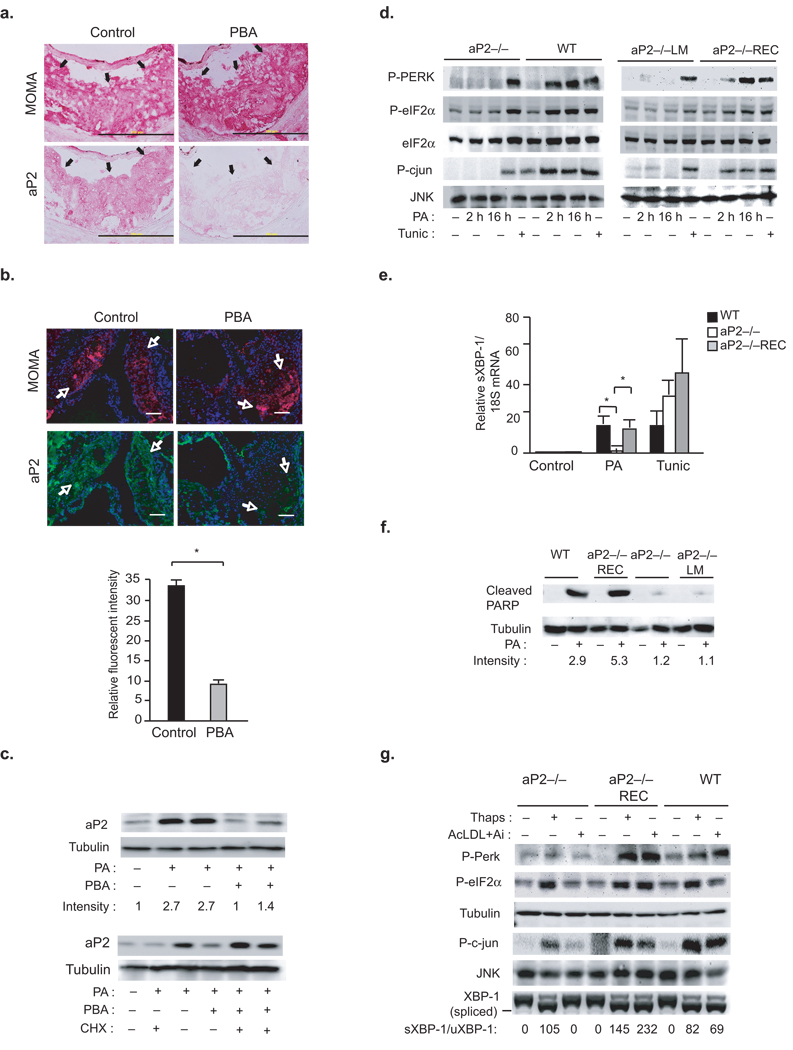
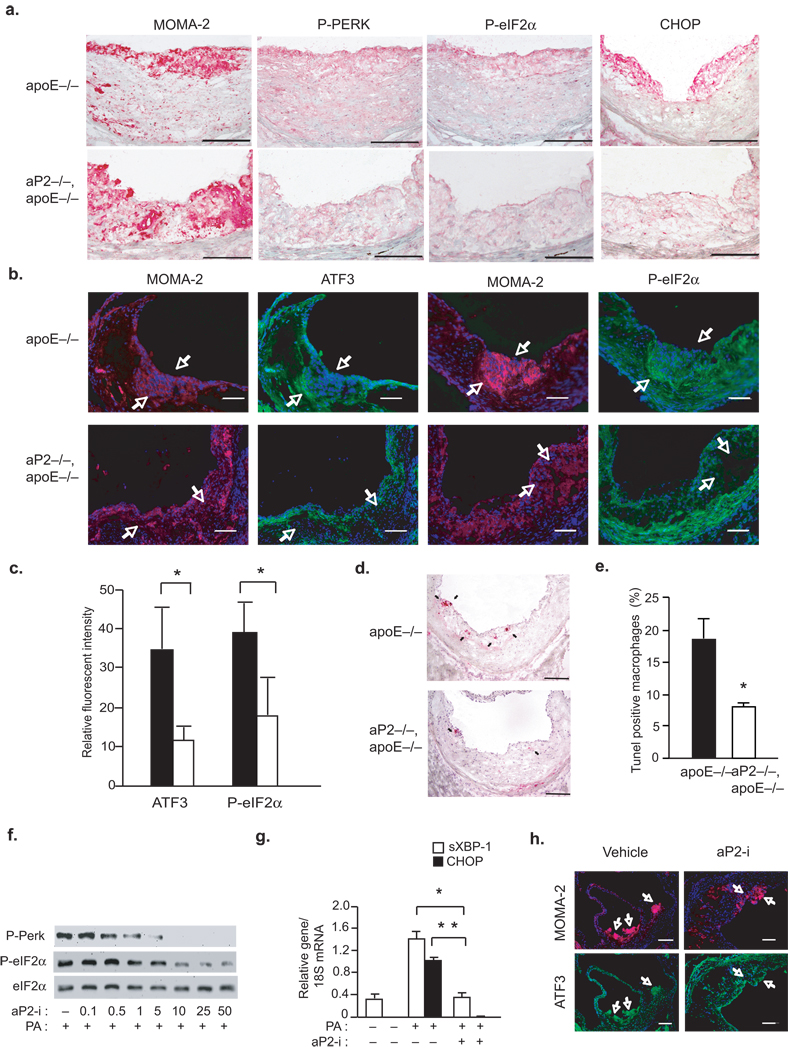
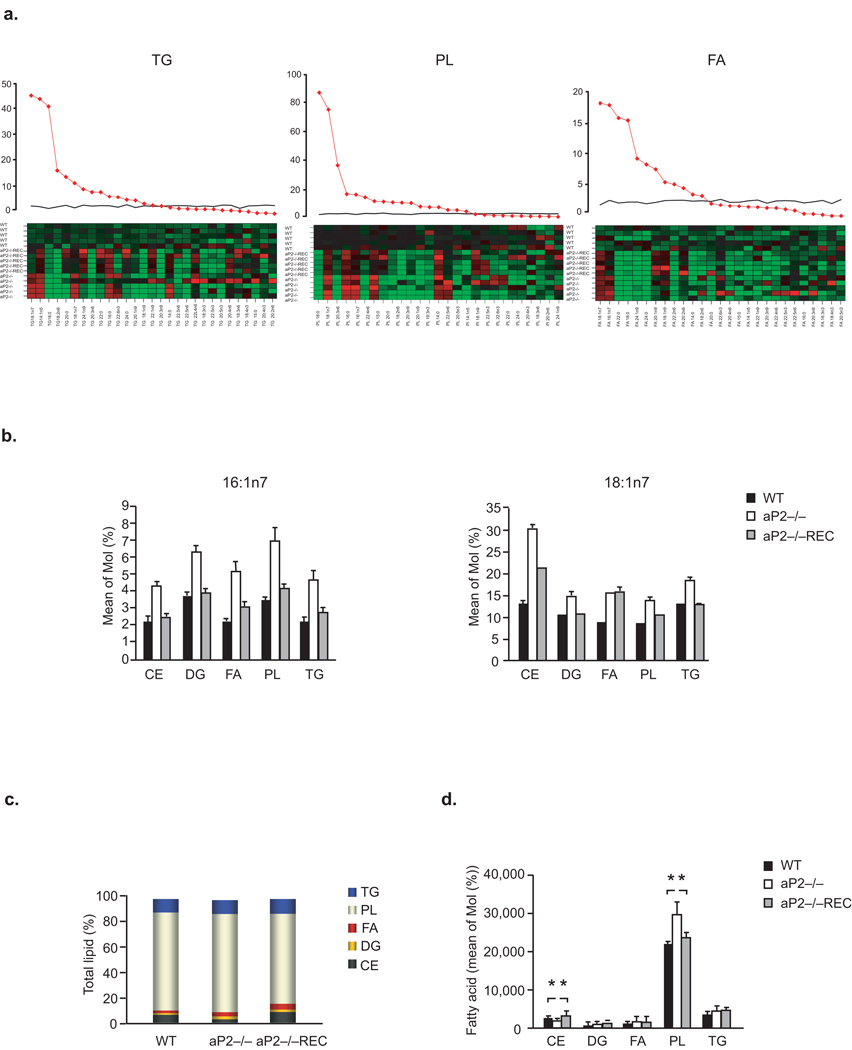
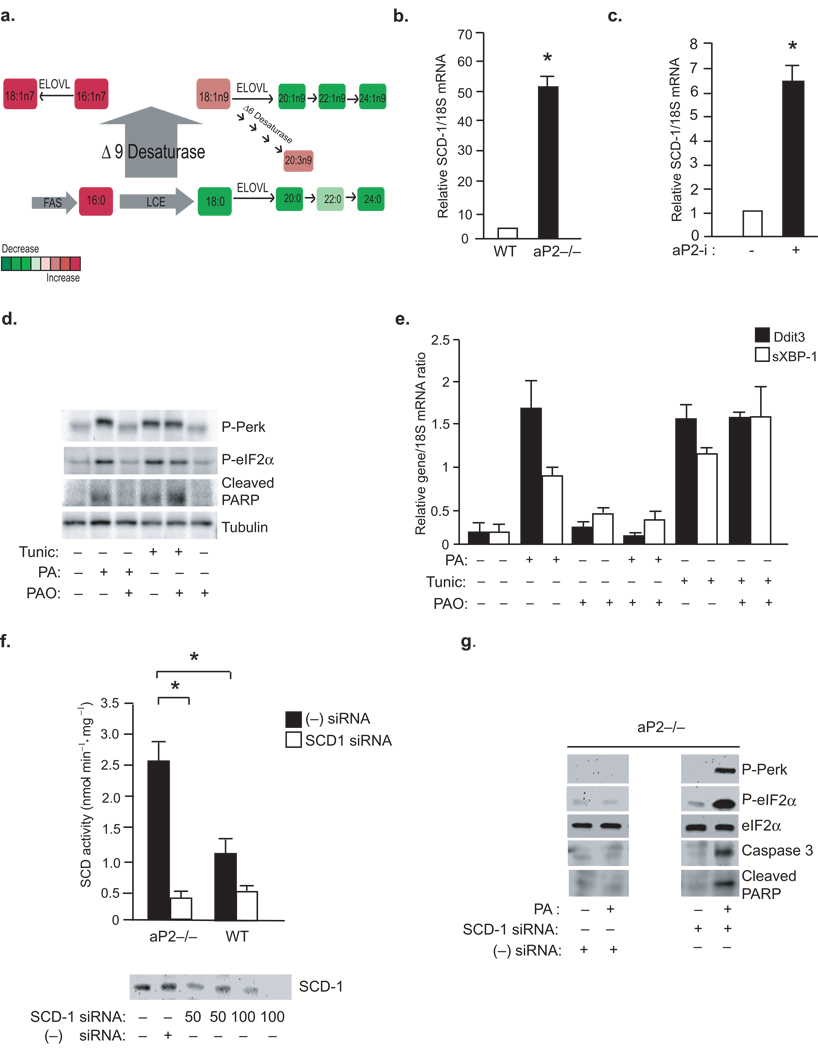
Macrophages show endoplasmic reticulum (ER) stress when exposed to lipotoxic signals associated with atherosclerosis, although the pathophysiological importance and the underlying mechanisms of this phenomenon remain unknown. Here we show that mitigation of ER stress with a chemical chaperone results in marked protection against lipotoxic death in macrophages and prevents macrophage fatty acid-binding protein-4 (aP2) expression. Using genetic and chemical models, we show that aP2 is the predominant regulator of lipid-induced macrophage ER stress. The absence of lipid chaperones incites an increase in the production of phospholipids rich in monounsaturated fatty acids and bioactive lipids that render macrophages resistant to lipid-induced ER stress. Furthermore, the impact of aP2 on macrophage lipid metabolism and the ER stress response is mediated by upregulation of key lipogenic enzymes by the liver X receptor. Our results demonstrate the central role for lipid chaperones in regulating ER homeostasis in macrophages in atherosclerosis and show that ER responses can be modified, genetically or chemically, to protect the organism against the deleterious effects of hyperlipidemia.
巨噬细胞在暴露于与动脉粥样硬化相关的脂毒性信号时会出现内质网(ER)应激,尽管这一现象的病理生理重要性及潜在机制仍不清楚。在此我们表明,用化学伴侣减轻内质网应激可显著保护巨噬细胞免于脂毒性死亡,并阻止巨噬细胞脂肪酸结合蛋白4(aP2)的表达。利用基因和化学模型,我们表明aP2是脂质诱导的巨噬细胞内质网应激的主要调节因子。脂质伴侣的缺失会促使富含单不饱和脂肪酸的磷脂和生物活性脂质的生成增加,从而使巨噬细胞对脂质诱导的内质网应激产生抗性。此外,aP2对巨噬细胞脂质代谢和内质网应激反应的影响是由肝脏X受体上调关键的生脂酶介导的。我们的结果证明了脂质伴侣在调节动脉粥样硬化中巨噬细胞内质网稳态方面的核心作用,并表明内质网反应可通过基因或化学方式进行调节,以保护机体免受高脂血症的有害影响。