Department of Molecular Pharmacology and Physiology, College of Medicine, University of South Florida, Tampa, Florida 33612, USA.
J Neurosci Res. 2010 May 1;88(6):1213-22. doi: 10.1002/jnr.22306.
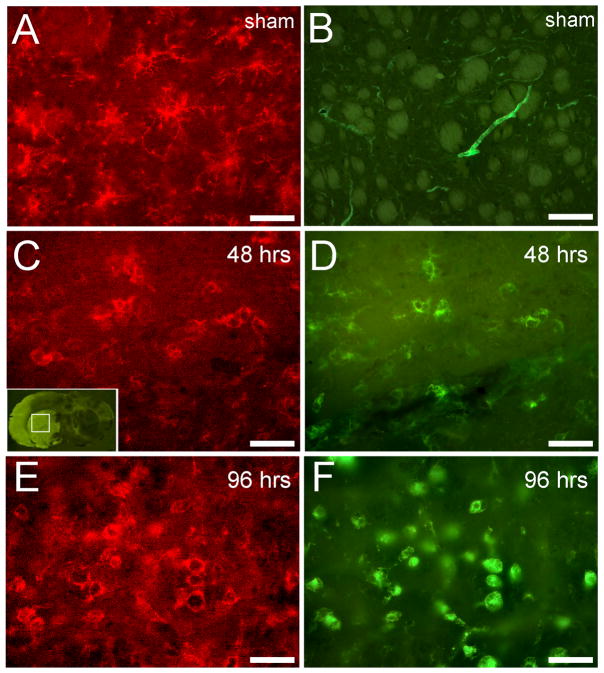
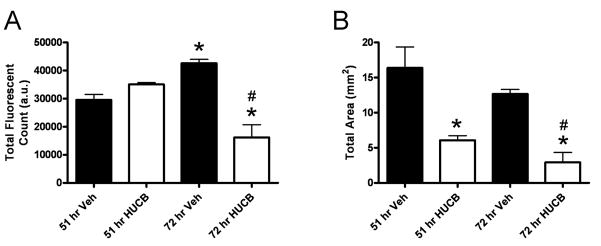
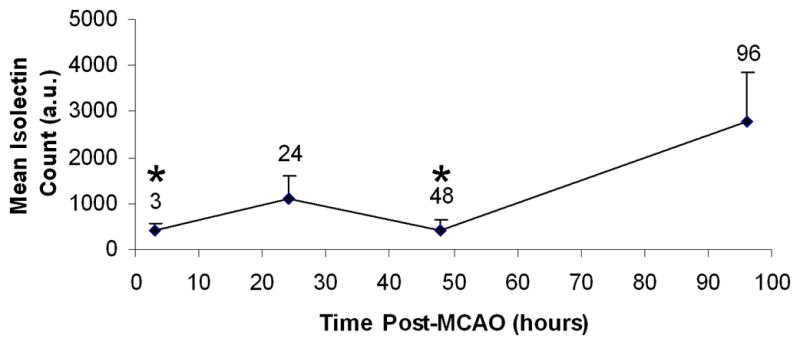
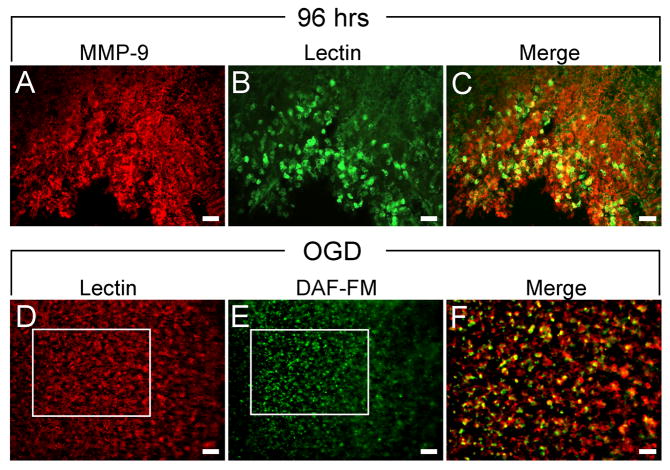
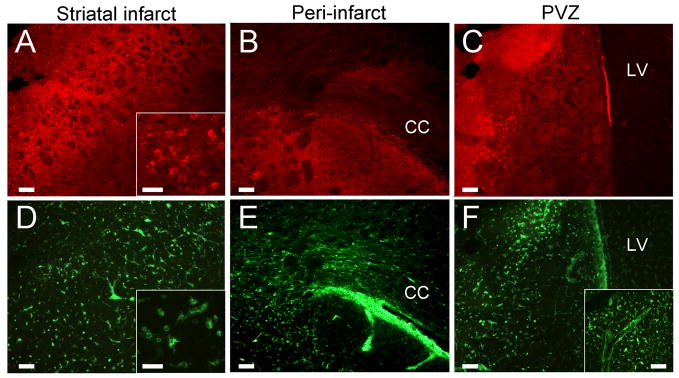
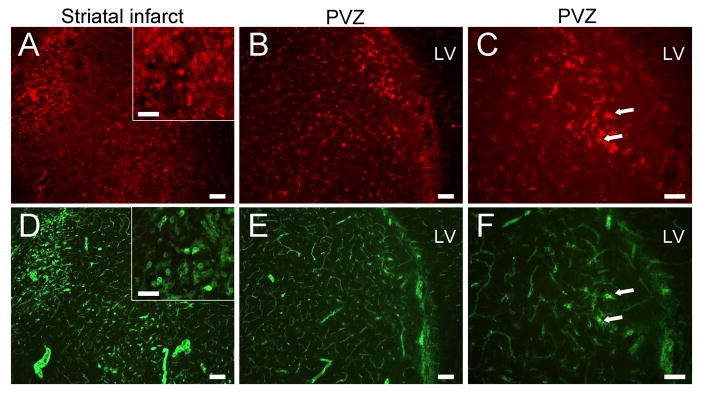
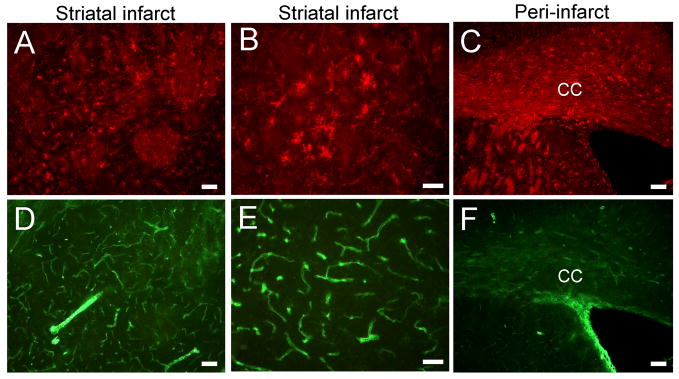
Secondary neurodegeneration resulting from stroke is mediated by delayed proinflammatory signaling and immune cell activation. Although it remains unknown which cell surface markers signify a proinflammatory phenotype, increased isolectin binding occurs on CD11b-expressing immune cells within injured brain tissue. Several reports have confirmed the efficacy of human umbilical cord blood (HUCB) cell therapy in reducing ischemic injury in rat after middle cerebral artery occlusion (MCAO), and these effects were attributed in part to dampened neuroinflammation. The present study examined the time course of lectin binding to cells of microglia/macrophage lineage within 96 hr after MCAO and whether delayed HUCB cell treatment alters the migration and/or morphological characteristics of these cells throughout the period of infarct expansion. Isolectin binding was up-regulated in response to injury, was maximal at 96 hr, and colocalized with cells that expressed the putative proinflammatory markers MMP-9 and nitric oxide. Isolectin-tagged fluorescence was also significantly increased at 72 hr and localized to greater numbers of amoeboid, CD11b-expressing cells relative to 51 hr. Treatment with 1 x 10(6) HUCB cells significantly reduced total lectin binding at 72 hr, as well as the total area occupied by lectin-tagged fluorescence at both 51 and 72 hr, relative to vehicle-treated controls. This effect was accompanied by a shift in the morphology of CD11b-positive cells from amoeboid to ramified shape. These data indicate that HUCB cell therapy suppressed the recruitment of proinflammatory, isolectin-binding cells during the period of infarct expansion, thus offering a potential mechanism for the protective effects of HUCB cell therapy.
中风引起的继发性神经退行性病变是由延迟的促炎信号和免疫细胞激活介导的。尽管尚不清楚哪些细胞表面标志物表示促炎表型,但在损伤的脑组织中,CD11b 表达的免疫细胞上会发生更多的异凝集素结合。有几项报告证实了人脐血(HUCB)细胞治疗在减少大脑中动脉闭塞(MCAO)后大鼠缺血性损伤的有效性,这些作用部分归因于神经炎症的减弱。本研究检查了 MCAO 后 96 小时内微胶质/巨噬细胞谱系细胞上凝集素结合的时间过程,以及延迟的 HUCB 细胞治疗是否会改变这些细胞在梗塞扩展期间的迁移和/或形态特征。异凝集素结合在损伤后上调,在 96 小时时达到最大值,并与表达假定的促炎标志物 MMP-9 和一氧化氮的细胞共定位。72 小时时,异凝集素标记的荧光也显著增加,并且与 51 小时相比,定位于更多的阿米巴样、CD11b 表达细胞。用 1 x 10(6)个 HUCB 细胞处理可显著降低 72 小时时的总凝集素结合,以及 51 和 72 小时时总凝集素标记荧光的面积,与载体处理对照相比。这种效应伴随着 CD11b 阳性细胞形态从阿米巴样向树突状的转变。这些数据表明,HUCB 细胞治疗在梗塞扩展期间抑制了促炎、异凝集素结合细胞的募集,从而为 HUCB 细胞治疗的保护作用提供了潜在的机制。