Center for Developmental Genetics, Department of Biology, New York University, 100 Washington Square East, New York, NY 10003, USA.
Curr Opin Neurobiol. 2010 Feb;20(1):6-13. doi: 10.1016/j.conb.2009.11.002.
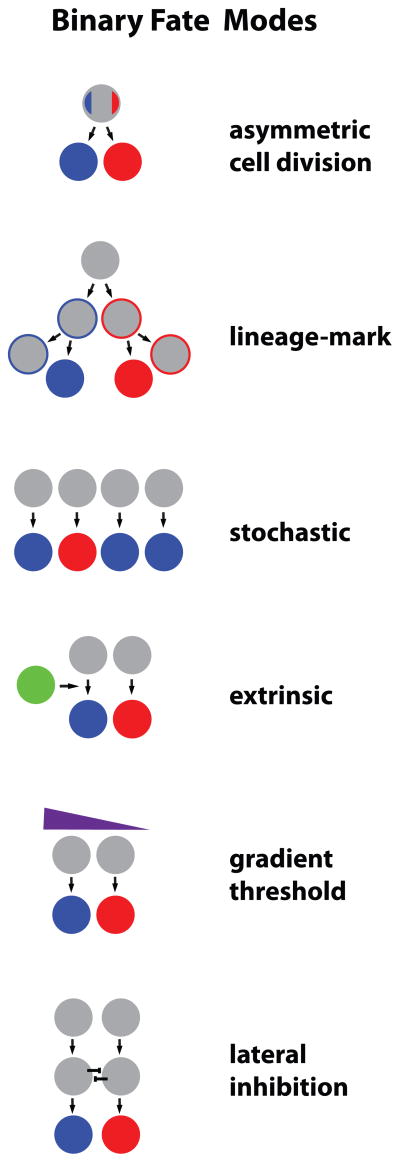
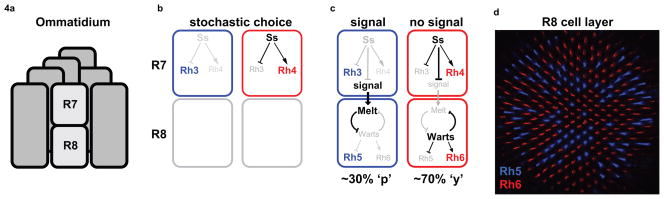
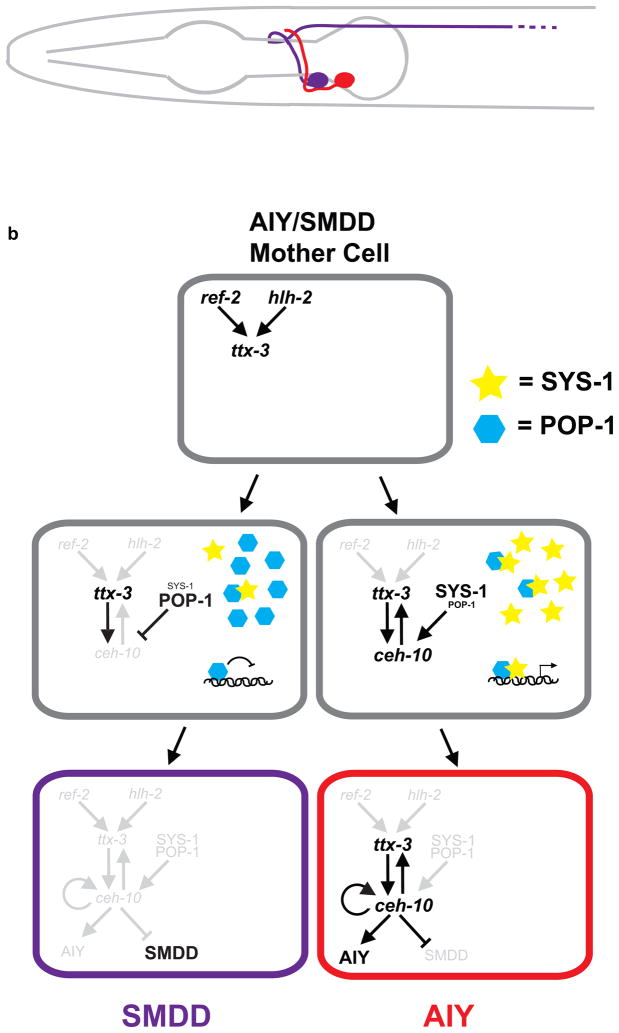
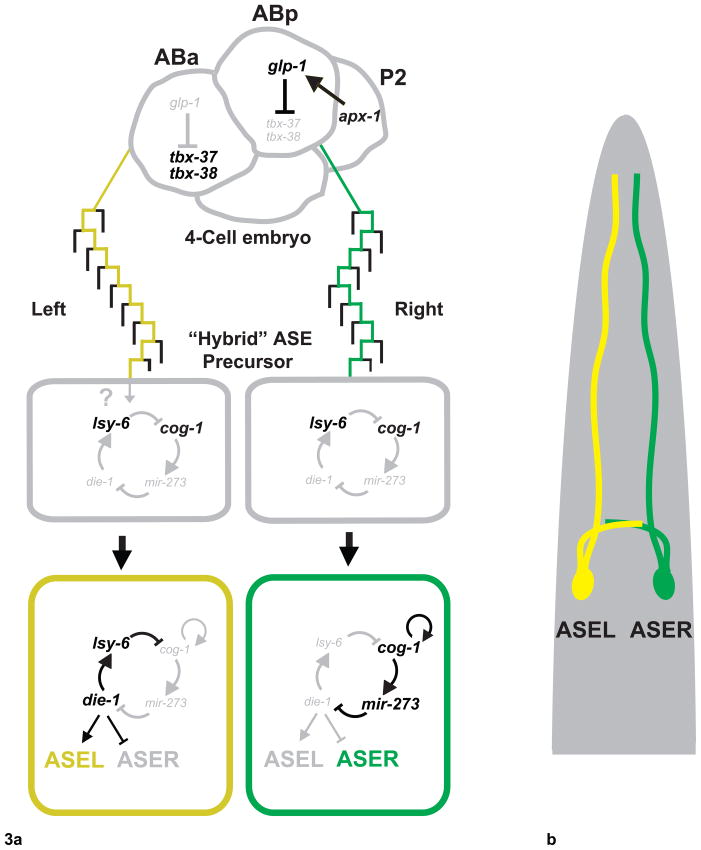
Neural cell fate programs must generate an enormous number of neurons with distinct adult functions. The decision to choose one neuronal subtype from two alternatives--a binary fate decision--is one way to diversify neuronal subtypes during nervous system development. Recent progress has been made in describing the genetic programs that define late-stage neuronal identity. Here, we review mechanisms that control how such fate decisions generate two different postmitotic, terminally differentiated neuronal subtypes. We survey examples from Caenorhabditis elegans and Drosophila that demonstrate different modes of binary neuronal fate specification that depend on cell division, lineage, stochastic gene expression, or extracellular signals. Comparison of these strategies reveals that, although organisms use diverse approaches to generate neural diversity, some common themes do exist.
神经细胞命运程序必须生成具有不同成年功能的大量神经元。从两种选择中选择一种神经元亚型的决定——二元命运决定——是神经系统发育过程中使神经元亚型多样化的一种方式。最近在描述定义晚期神经元身份的遗传程序方面取得了进展。在这里,我们回顾了控制这种命运决定如何产生两种不同的有丝分裂后、终末分化神经元亚型的机制。我们调查了来自秀丽隐杆线虫和果蝇的例子,这些例子展示了依赖于细胞分裂、谱系、随机基因表达或细胞外信号的不同二元神经元命运指定模式。对这些策略的比较表明,尽管生物体使用不同的方法来产生神经多样性,但确实存在一些共同的主题。