Department of Physiology and Biophysics, Section of Cardiology and the Center for Cardiovascular Research, University of Illinois at Chicago, Chicago, IL 60612, USA.
J Mol Cell Cardiol. 2010 Apr;48(4):735-45. doi: 10.1016/j.yjmcc.2009.12.022. Epub 2010 Jan 6.
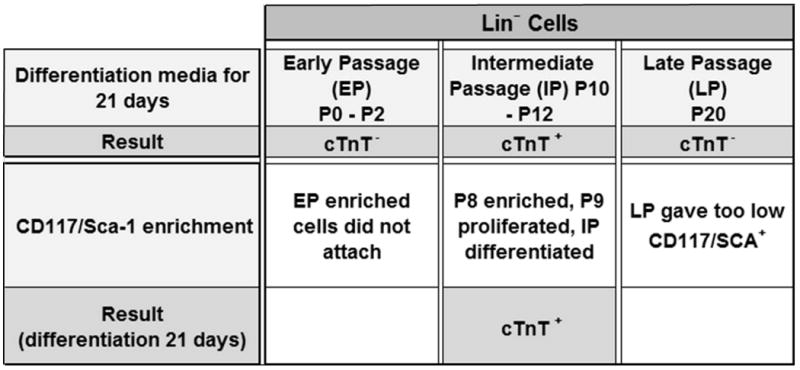
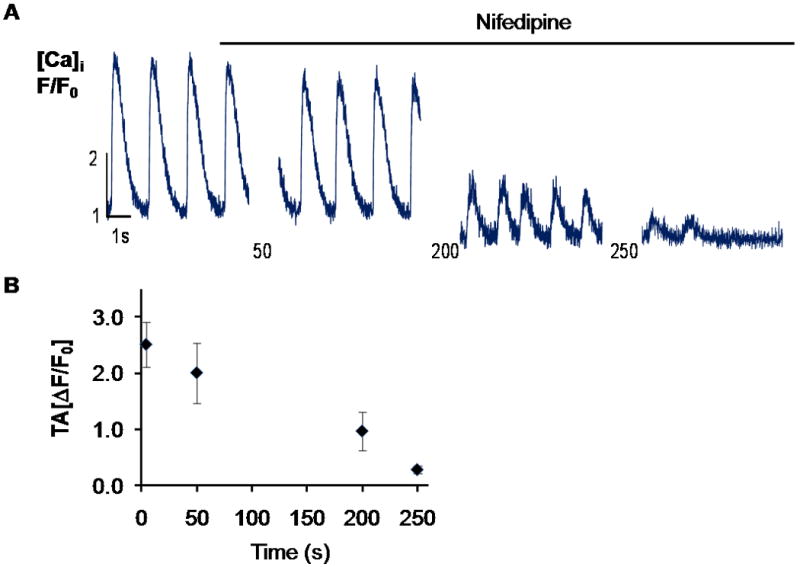
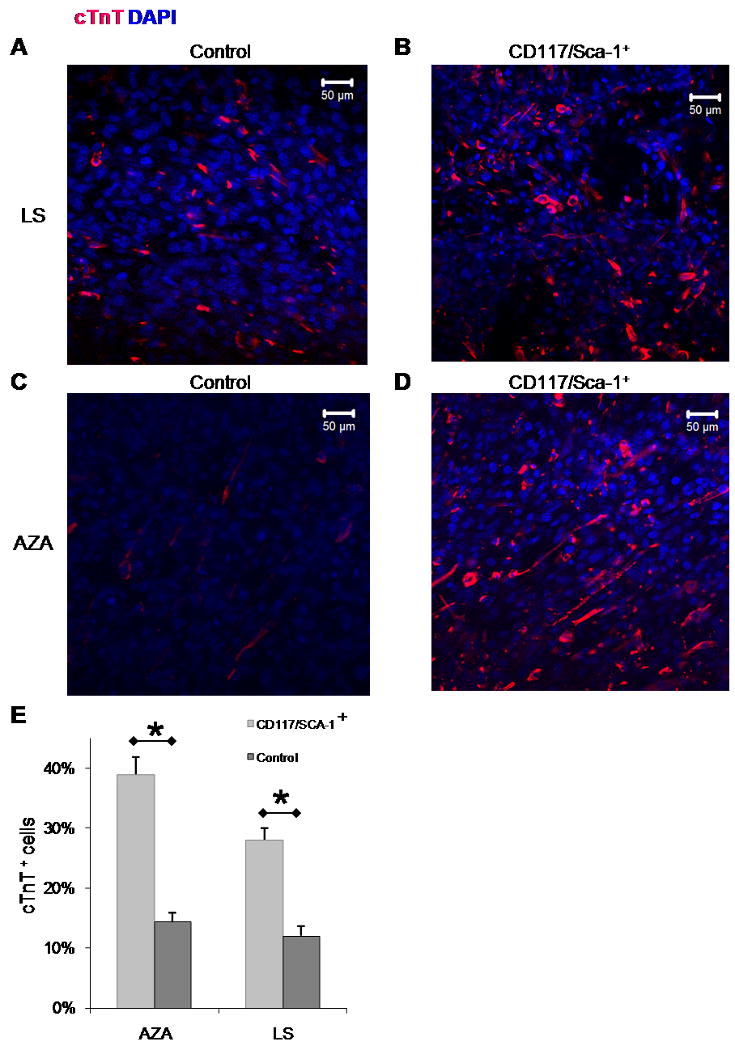
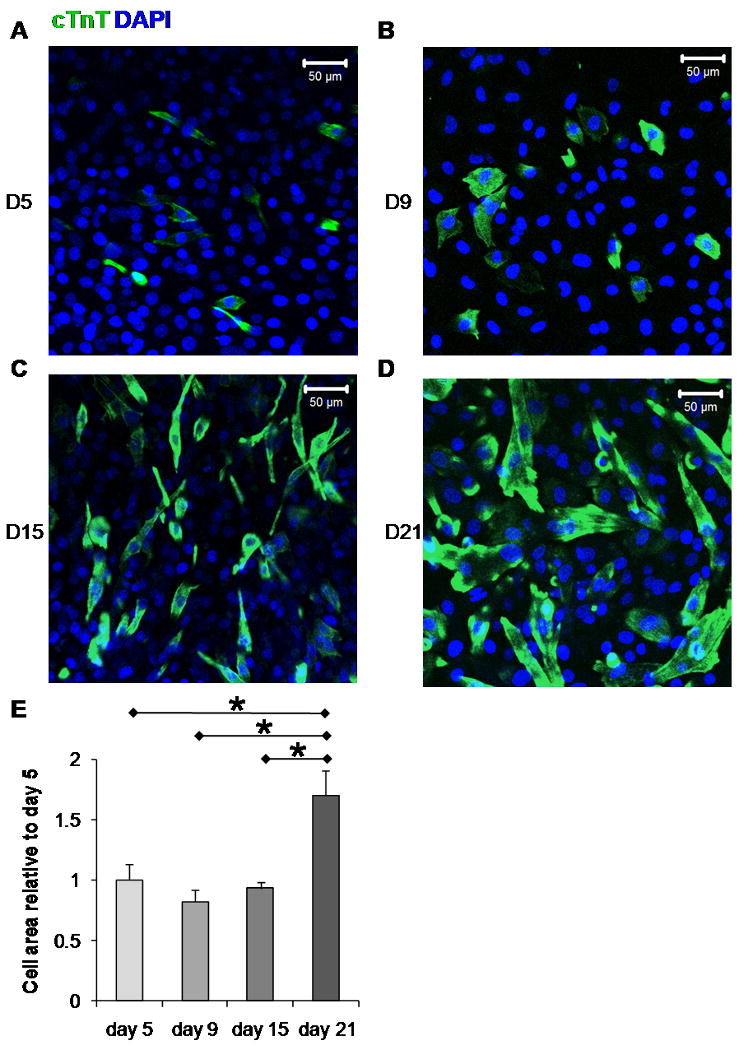
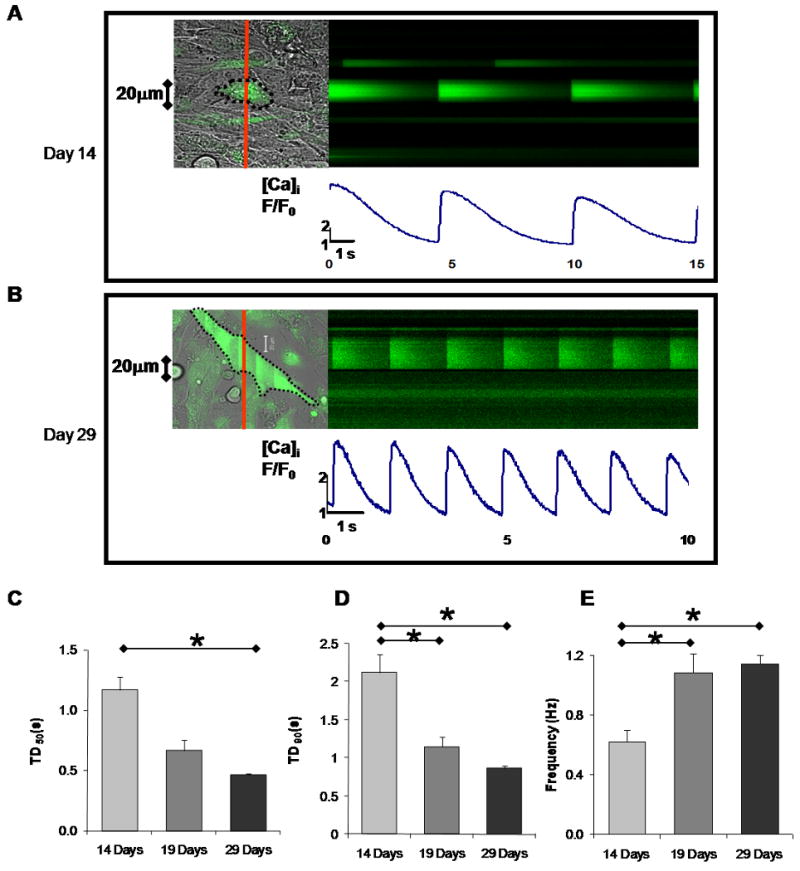
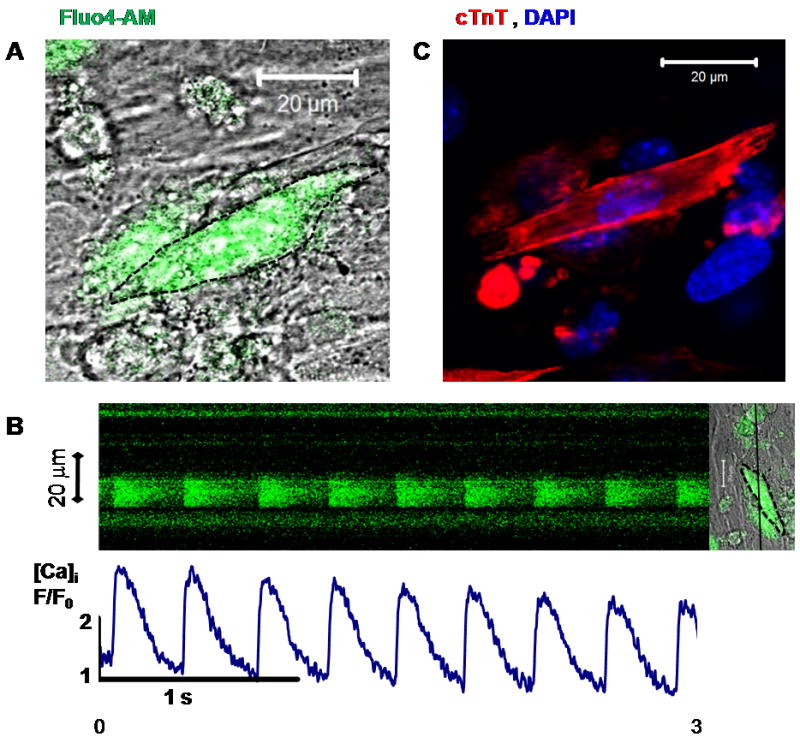
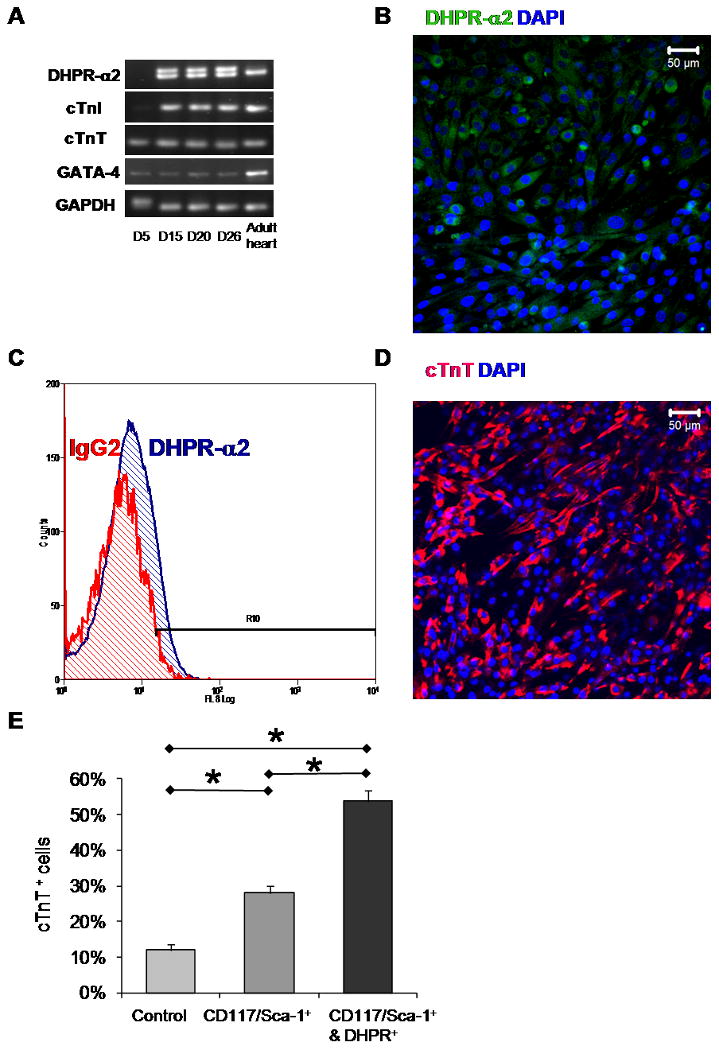
Bone marrow-derived mesenchymal stem cells (BM-MSCs) can be induced to differentiate into myogenic cells. Despite their potential, previous studies have not been successful in producing a high percentage of cardiac-like cells with a muscle phenotype. We hypothesized that cardiac lineage development in BM-MSC is related to cell passage, culture milieu, and enrichment for specific cell subtypes before and during differentiation. Our study demonstrated that Lin(-) BM-MSC at an intermediate passage (IP; P8-P12) expressed cardiac troponin T (cTnT) after 21 days in culture. Cardiac TnT expression was similar whether IP cells were differentiated in media containing 5-azacytidine+2% FBS (AZA; 14%) or 2% FBS alone (LS; 12%) and both were significantly higher than AZA+5% FBS. This expression was potentiated by first enriching for CD117/Sca-1 cells followed by differentiation (AZA, 39% and LS, 28%). A second sequential enrichment for the dihydropyridine receptor subunit alpha2delta1 (DHPR-alpha2) resulted in cardiac TnT expressed in 54% of cultured cells compared to 28% of cells after CD117/Sca-1(+) enrichment. Cells enriched for CD117/Sca-1 and subjected to differentiation displayed spontaneous intracellular Ca(2+) transients with an increase in transient frequency and a 60% decrease in the transient duration amplitude between days 14 and 29. In conclusion, IP CD117/Sca-1(+) murine BM-MSCs display robust cardiac muscle lineage development that can be induced independent of AZA but is diminished under higher serum concentrations. Furthermore, temporal changes in calcium kinetics commensurate with increased cTnT expression suggest progressive maturation of a cardiac muscle lineage. Enrichment with CD117/Sca-1 to establish lineage commitment followed by DHPR-alpha2 in lineage developing cells may enhance the therapeutic potential of these cells for transplantation.
骨髓间充质干细胞(BM-MSCs)可被诱导分化为肌源性细胞。尽管它们具有潜力,但之前的研究未能成功产生具有肌节表型的高比例心肌样细胞。我们假设 BM-MSC 中的心脏谱系发育与细胞传代、培养环境以及在分化前和分化过程中对特定细胞亚型的富集有关。我们的研究表明,Lin(-) BM-MSC 在中间传代(P8-P12)时,在培养 21 天后表达心肌肌钙蛋白 T(cTnT)。在含有 5-氮杂胞苷+2% FBS(AZA;14%)或单独 2% FBS(LS;12%)的培养基中进行分化时,IP 细胞的心脏 TnT 表达相似,且均显著高于 AZA+5% FBS。首先富集 CD117/Sca-1 细胞,然后进行分化(AZA,39%和 LS,28%),可增强这种表达。随后对二氢吡啶受体亚单位 alpha2delta1(DHPR-alpha2)进行第二次顺序富集,可使培养细胞中表达心脏 TnT 的比例达到 54%,而 CD117/Sca-1(+) 细胞富集后的表达比例为 28%。CD117/Sca-1 细胞富集并进行分化的细胞显示出自发的细胞内 Ca(2+)瞬变,瞬变频率增加,瞬变幅度的持续时间减少 60%,在第 14 天至第 29 天之间。总之,IP CD117/Sca-1(+) 鼠 BM-MSCs 显示出强大的心肌谱系发育能力,可在不依赖 AZA 的情况下诱导,但在较高血清浓度下会减弱。此外,钙动力学的时间变化与 cTnT 表达的增加相一致,提示心肌谱系的逐渐成熟。通过 CD117/Sca-1 进行谱系建立,然后在谱系发育细胞中进行 DHPR-alpha2 富集,可能会增强这些细胞用于移植的治疗潜力。