Banga S S, Peng L, Dasgupta T, Palejwala V, Ozer H L
Department of Microbiology and Molecular Genetics, New Jersey Medical School-University Hospital Cancer Center, University of Medicine and Dentistry of New Jersey, Newark, NJ 07103, USA. banga @ umdnj.edu
Cytogenet Genome Res. 2009;126(3):227-42. doi: 10.1159/000251960. Epub 2010 Jan 6.
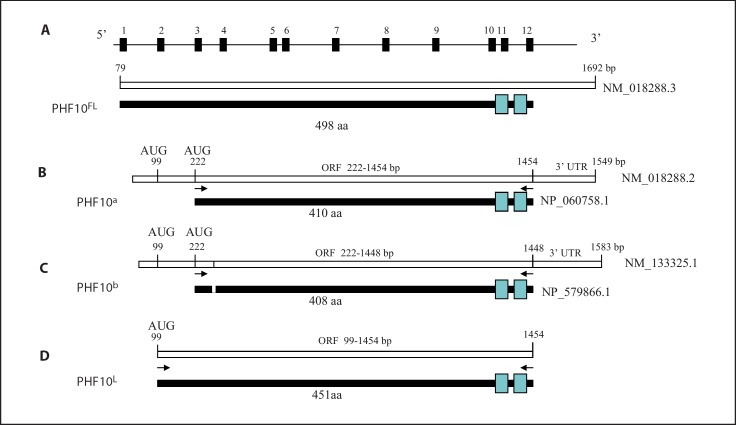
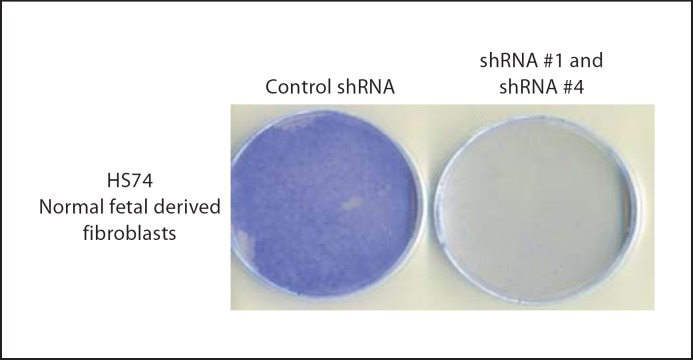
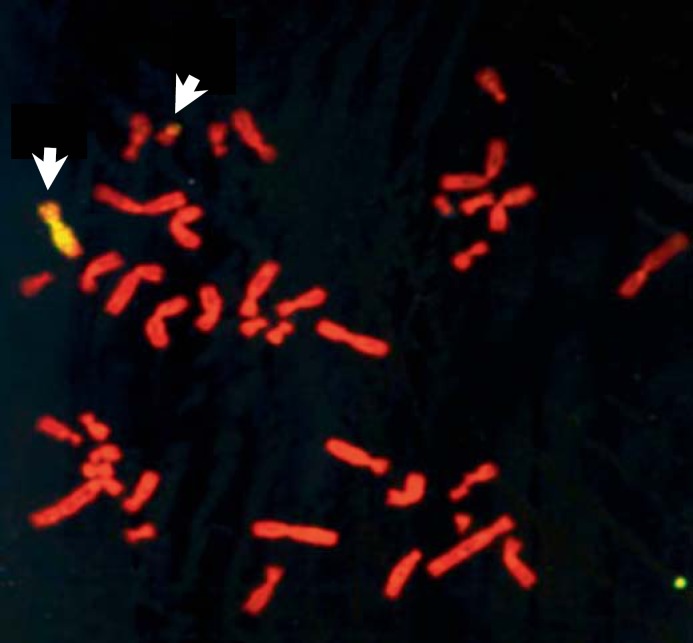
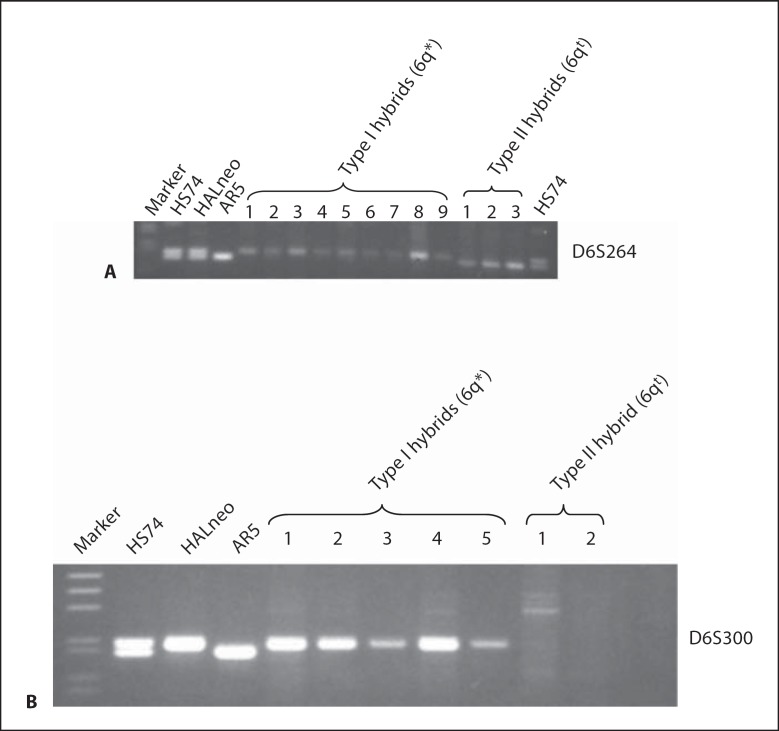
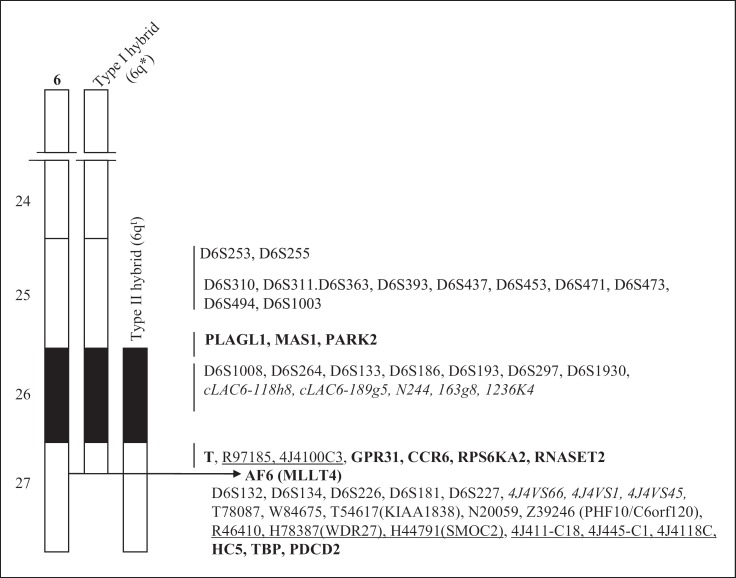
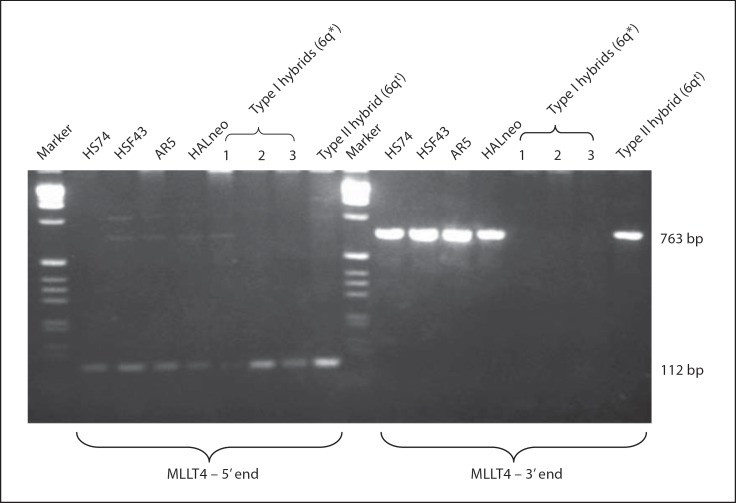
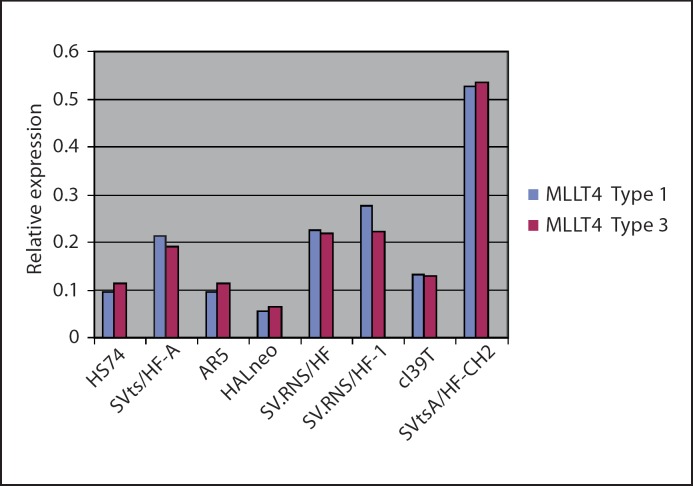
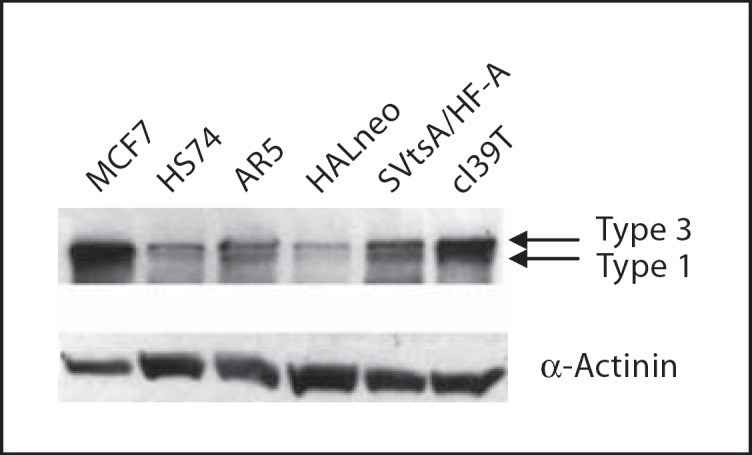
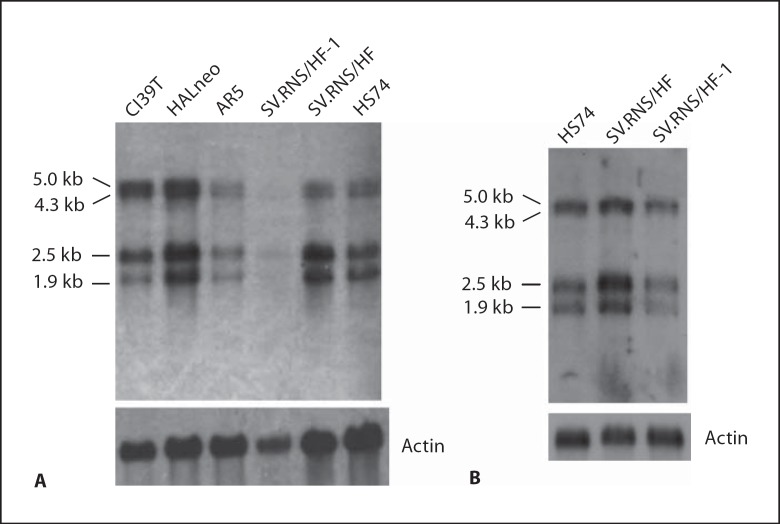
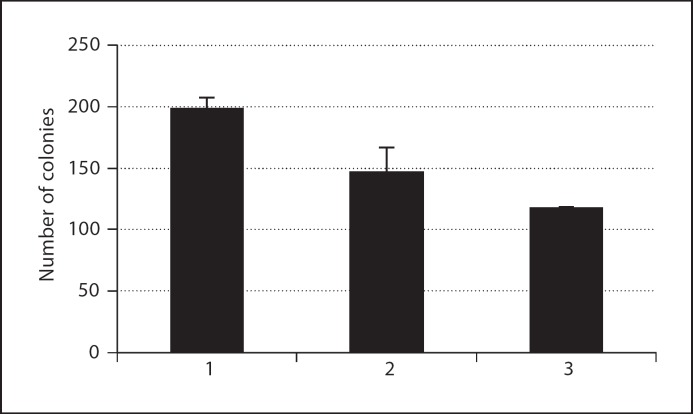
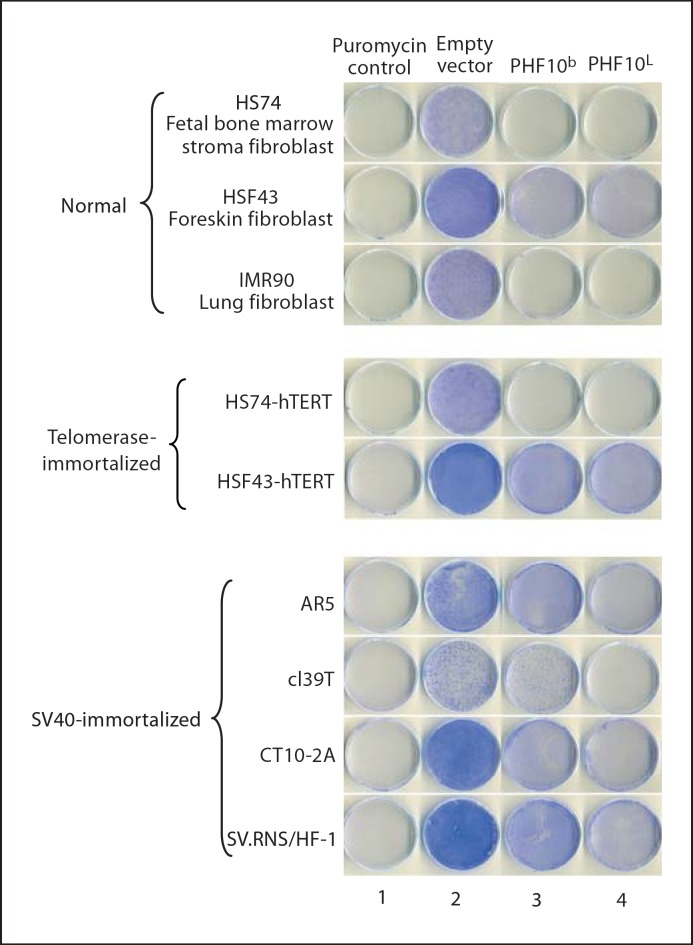
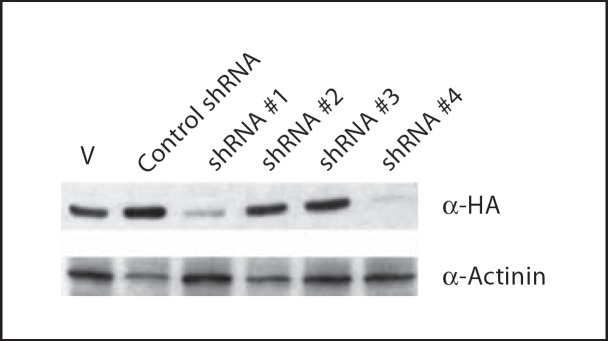
Normal human diploid fibroblasts have limited life span in culture and undergo replicative senescence after 50-60 population doublings. On the contrary, cancer cells typically divide indefinitely and are immortal. Expression of SV40 large T and small t antigens in human fibroblasts transiently extends their life span by 20-30 population doublings and facilitates immortalization. We have identified a rearrangement in chromosome 6 shared by SV40-transformed human fibroblasts. Rearrangements involving chromosome 6 are among the most frequent in human carcinogenesis. In this paper, we extend analysis of the 6q26-q27 region, a putative site for a growth suppressor gene designated SEN6 involved in immortalization of SV40-transformed cells. Detailed molecular characterization of the rearranged chromosomes (6q*, normal appearing; and 6q(t), translocated) in the SV40-immortalized cell line HALneo by isolating each of these 2 chromosomes in mouse/HAL somatic cell hybrids is presented. Analysis of these mouse/HAL somatic cell hybrids with polymorphic and nonpolymorphic markers revealed that the 6q* has undergone a chromosomal break in the MLLT4 gene (alias AF6). This result in conjunction with previous published observations leads us to conclude that SEN6 lies between MLLT4 and TBP at chromosomal region 6q27. Examination of different genes (MLLT4, DLL1, FAM120B, PHF10) located within this interval that are expressed in HS74 normal fibroblast cells reveals that overexpression of epitope-tagged truncated PHF10 cDNAs resulted in reduced cell proliferation in multiple cell lines. Paradoxically, down-regulation of PHF10 by RNAi also resulted in loss of cell proliferation in normal fibroblast cells, indicating PHF10 function is required for cell growth. Taken together, these observations suggest that decreased cell proliferation with epitope-tagged truncated PHF10 proteins may be due to dominant negative effects or due to unregulated expression of these mutant proteins. Hence we conclude that PHF10 is not SEN6 but is required for cell growth.
正常人类二倍体成纤维细胞在培养中的寿命有限,在经历50 - 60次群体倍增后会进入复制性衰老。相反,癌细胞通常能无限分裂且是永生的。人成纤维细胞中SV40大T抗原和小t抗原的表达可使其寿命短暂延长20 - 30次群体倍增,并促进其永生化。我们在SV40转化的人成纤维细胞中发现了6号染色体的重排。涉及6号染色体的重排在人类致癌过程中最为常见。在本文中,我们扩展了对6q26 - q27区域的分析,该区域被认为是一个与SV40转化细胞永生化相关的生长抑制基因SEN6的假定位点。通过在小鼠/HAL体细胞杂种中分离这两条染色体,对SV40永生化细胞系HALneo中重排染色体(6q*,外观正常;和6q(t),易位)进行了详细的分子特征分析。用多态性和非多态性标记对这些小鼠/HAL体细胞杂种进行分析,结果显示6q*在MLLT4基因(别名AF6)处发生了染色体断裂。这一结果与之前发表的观察结果共同使我们得出结论,SEN6位于染色体区域6q27的MLLT4和TBP之间。对HS74正常成纤维细胞中该区间内表达的不同基因(MLLT4、DLL1、FAM120B、PHF10)进行检测发现,表位标记的截短型PHF10 cDNA的过表达导致多个细胞系中的细胞增殖减少。矛盾的是,RNAi介导的PHF10下调也导致正常成纤维细胞中的细胞增殖丧失,这表明细胞生长需要PHF10发挥功能。综上所述,这些观察结果表明,表位标记的截短型PHF10蛋白导致的细胞增殖减少可能是由于显性负效应或这些突变蛋白的表达失控所致。因此我们得出结论,PHF10不是SEN6,但细胞生长需要它。