Chang Kun-Che, Lo Chih-Wei, Fan Tan-Chi, Chang Margaret Dah-Tsyr, Shu Chih-Wen, Chang Chuan-Hsin, Chung Cheng-Ta, Fang Shun-Lung, Chao Chih-Chung, Tsai Jaw-Ji, Lai Yiu-Kay
Department of Life Science, Institute of Biotechnology, National Tsing Hua University, Hsinchu 30013, Taiwan.
BMC Cell Biol. 2010 Jan 20;11:6. doi: 10.1186/1471-2121-11-6.
Eosinophilic granulocytes are important for the human immune system. Many cationic proteins with cytotoxic activities, such as eosinophil cationic protein (ECP) and eosinophil-derived neurotoxin (EDN), are released from activated eosinophils. ECP, with low RNase activity, is widely used as a biomarker for asthma. ECP inhibits cell viability and induces apoptosis to cells. However, the specific pathway underlying the mechanisms of ECP-induced cytotoxicity remains unclear. This study investigated ECP-induced apoptosis in bronchial epithelial BEAS-2B cells and elucidated the specific pathway during apoptosis.
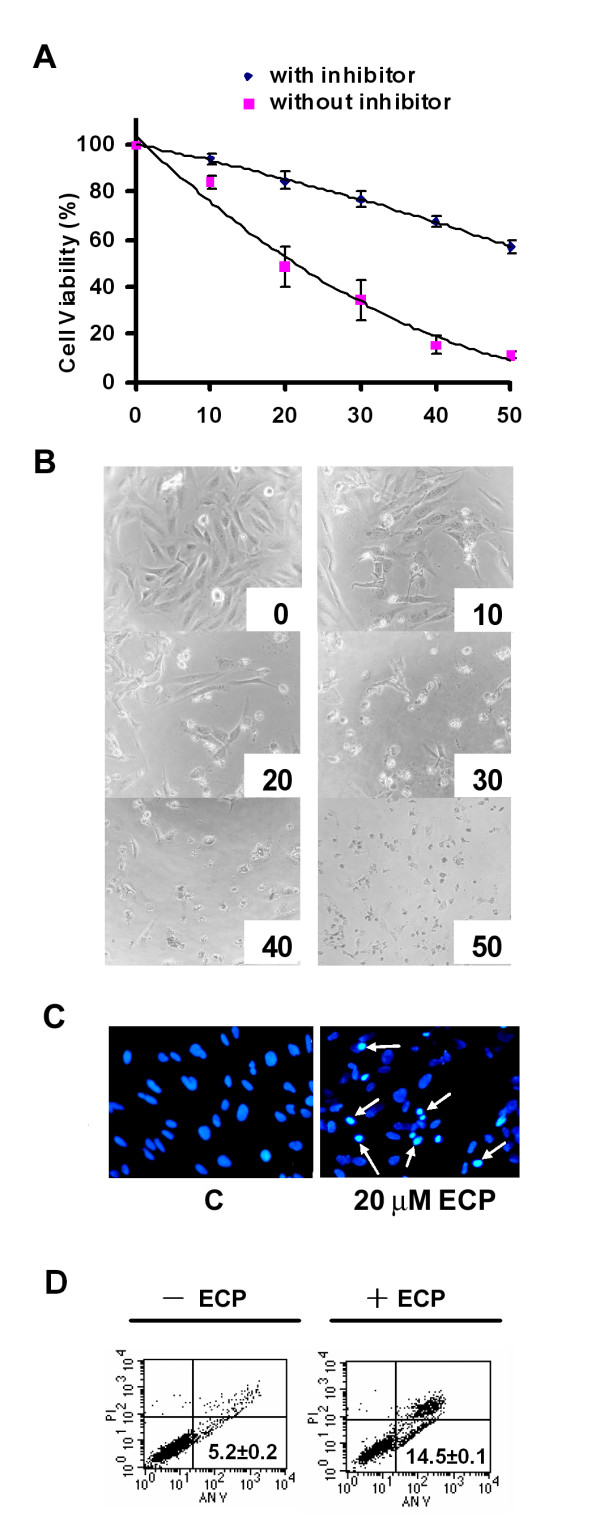
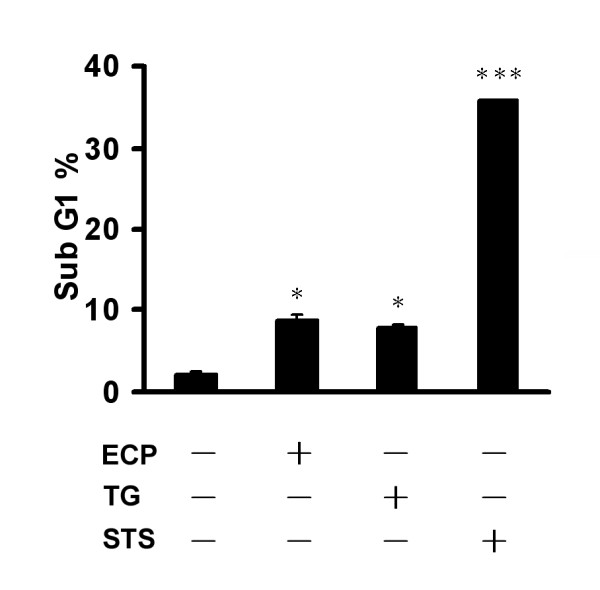
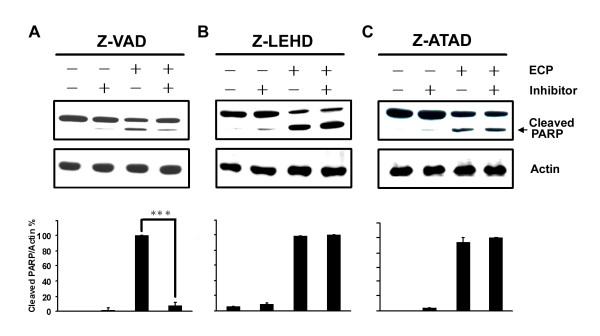
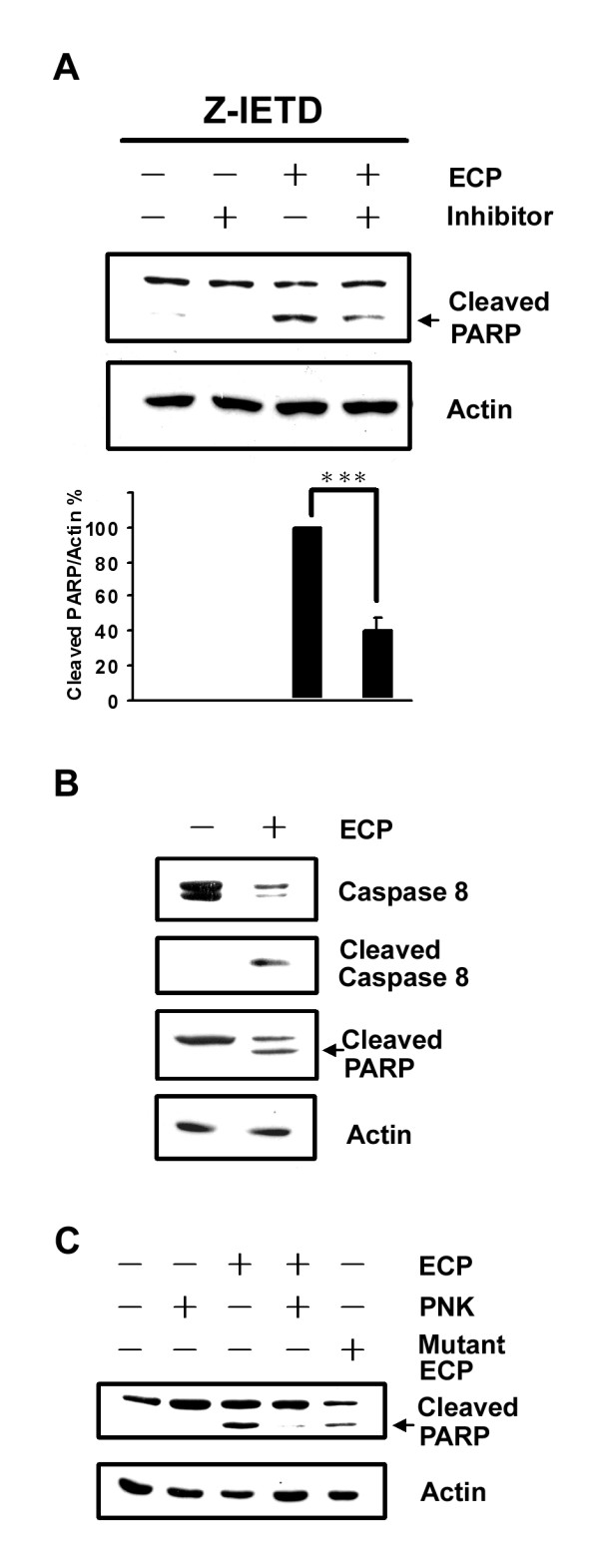
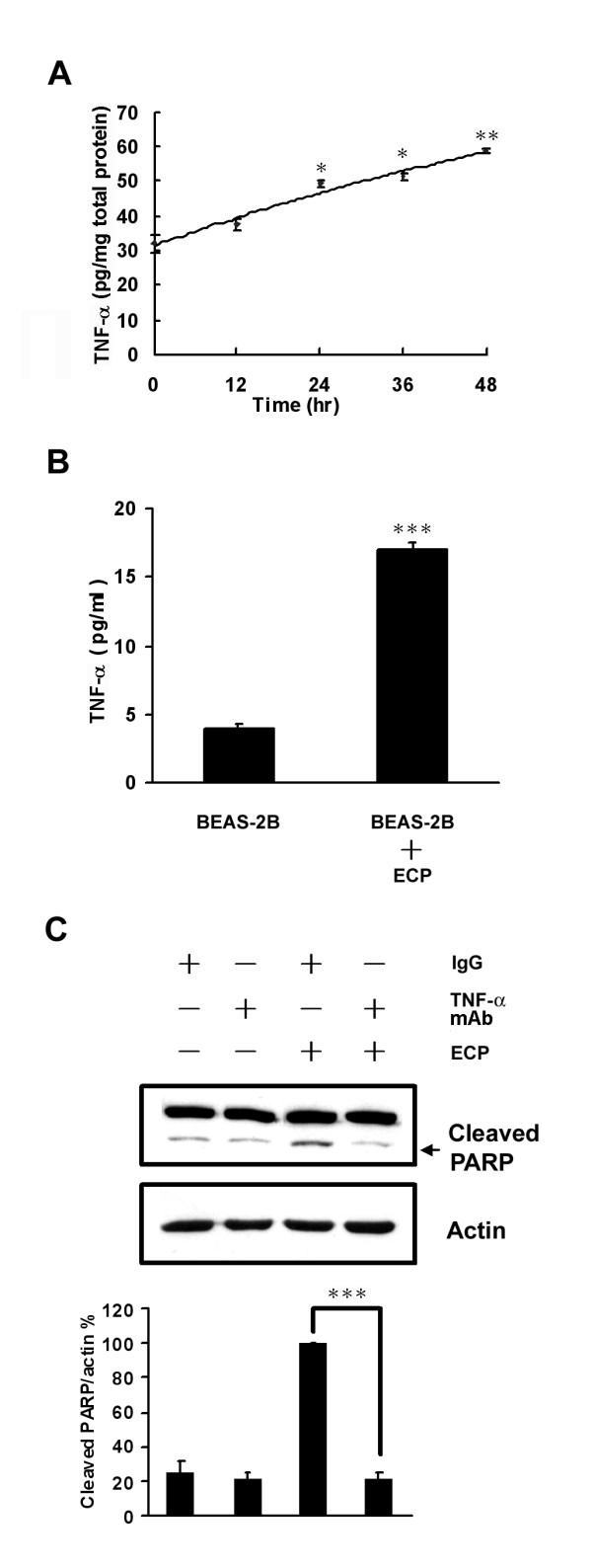
To address the mechanisms involved in ECP-induced apoptosis in human BEAS-2B cells, investigation was carried out using chromatin condensation, cleavage of poly (ADP-ribose) polymerase (PARP), sub-G1 distribution in cell cycle, annexin V labeling, and general or specific caspase inhibitors. Caspase-8-dependent apoptosis was demonstrated by cleavage of caspase-8 after recombinant ECP treatment, accompanied with elevated level of tumor necrosis factor alpha (TNF-alpha). Moreover, ECP-induced apoptosis was effectively inhibited in the presence of neutralizing anti-TNF-alpha antibody.
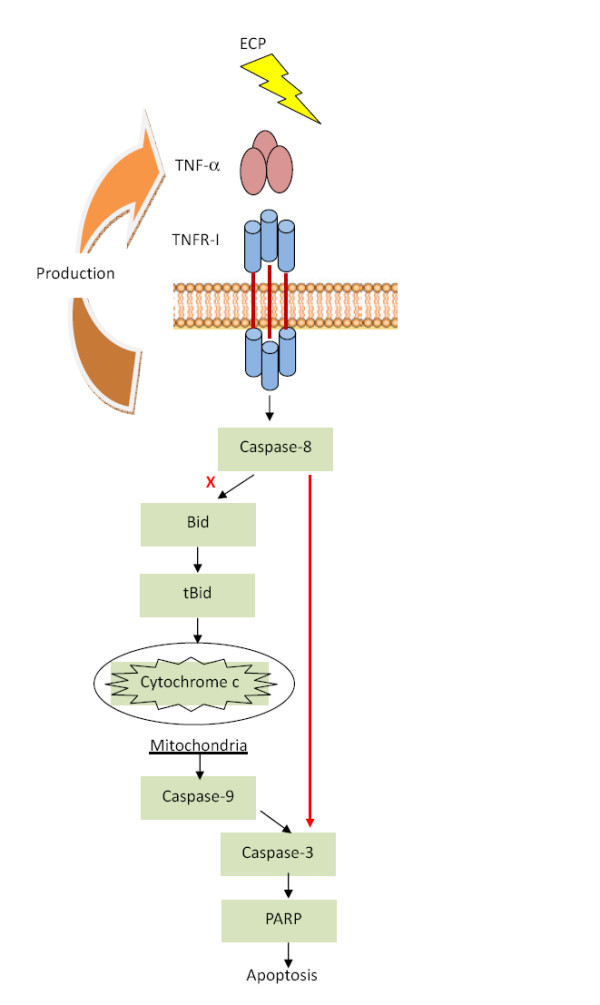
In conclusion, our results have demonstrated that ECP increased TNF-alpha production in BEAS-2B cells and triggered apoptosis by caspase-8 activation through mitochondria-independent pathway.
嗜酸性粒细胞对人类免疫系统很重要。许多具有细胞毒性活性的阳离子蛋白,如嗜酸性粒细胞阳离子蛋白(ECP)和嗜酸性粒细胞衍生神经毒素(EDN),会从活化的嗜酸性粒细胞中释放出来。ECP具有低核糖核酸酶活性,被广泛用作哮喘的生物标志物。ECP抑制细胞活力并诱导细胞凋亡。然而,ECP诱导细胞毒性的具体机制仍不清楚。本研究调查了ECP诱导支气管上皮BEAS-2B细胞凋亡的情况,并阐明了凋亡过程中的具体途径。
为了探讨ECP诱导人BEAS-2B细胞凋亡的机制,采用染色质浓缩、聚(ADP-核糖)聚合酶(PARP)裂解、细胞周期中亚G1期分布、膜联蛋白V标记以及通用或特异性半胱天冬酶抑制剂进行研究。重组ECP处理后半胱天冬酶-8裂解证明了依赖半胱天冬酶-8的凋亡,同时肿瘤坏死因子α(TNF-α)水平升高。此外,在存在中和抗TNF-α抗体的情况下,ECP诱导的凋亡被有效抑制。
总之,我们的结果表明,ECP增加了BEAS-2B细胞中TNF-α的产生,并通过不依赖线粒体的途径激活半胱天冬酶-8触发凋亡。