Institute of Biochemical and Biomedical Engineering, Chang Gung University, Taoyuan 33302, Taiwan.
Biomedical Engineering Research Center, Chang Gung University, Taoyuan 33302, Taiwan.
Int J Mol Sci. 2009 Aug 3;10(8):3442-3456. doi: 10.3390/ijms10083442.
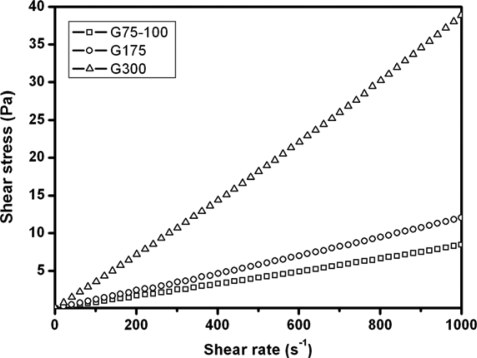
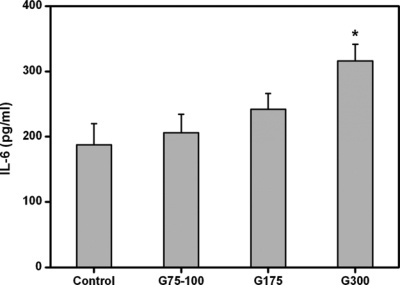
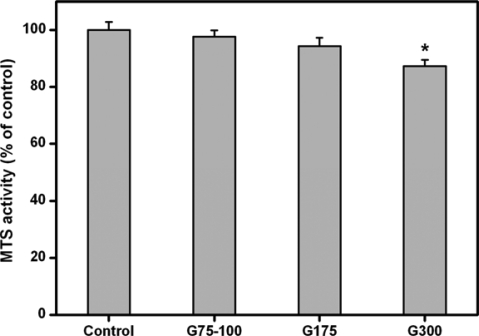
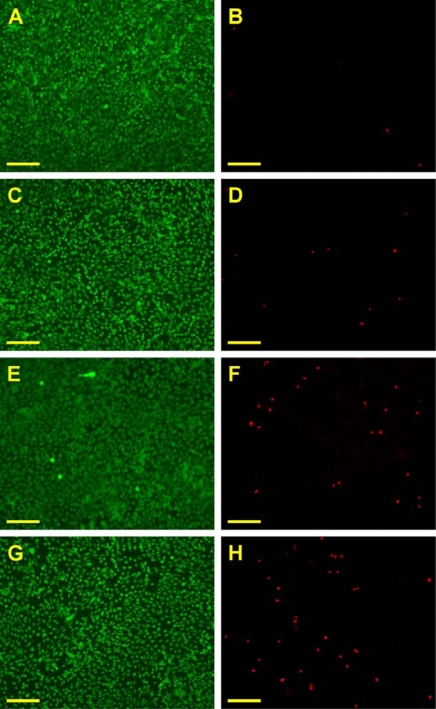
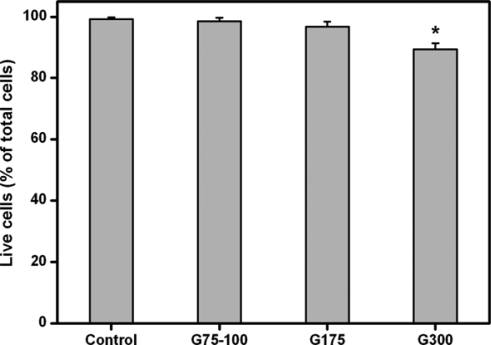
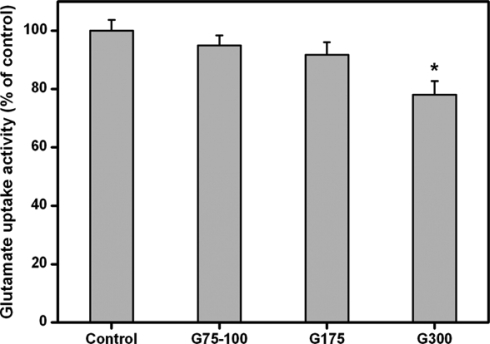
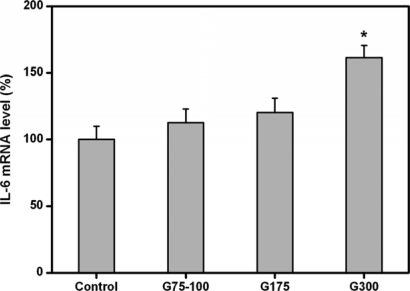
Biocompatible materials are of considerable interest in the development of cell/drug delivery carriers for therapeutic applications. This paper investigates the effects of the Bloom index of gelatin on its interaction with retinal pigment epithelial (RPE) cells. Following two days of culture of ARPE-19 cells with gelatin samples G75-100, G175, and G300, the in vitro biocompatibility was determined by cell proliferation and viability assays, and glutamate uptake measurements, as well as cytokine expression analyses. The mitochondrial dehydrogenase activity in the G300 groups was significantly lower than that of G75-100 and G175 groups. The Live/Dead assays also showed that the gelatin samples G300 induced mild cytotoxicity. In comparison with the treatment of gelatins with low Bloom index, the exposure to high Bloom strength gelatins markedly reduced the glutamate uptake capacity of ARPE-19 cells. One possible explanation for these observations is that the presence of gelatin samples G300 with high viscosity in the medium may affect the nutrient availability to cultured cells. The analyses of pro-inflammatory cytokine IL-6 expression at both mRNA and protein levels showed that the gelatins with low Bloom index caused less cellular inflammatory reaction and had more acceptable biocompatibility than their high Bloom strength counterparts. These findings suggest that the Bloom index gives influence on cellular responses to gelatin materials.
在开发用于治疗应用的细胞/药物输送载体时,生物相容性材料引起了相当大的关注。本文研究了明胶的 Bloom 指数对其与视网膜色素上皮 (RPE) 细胞相互作用的影响。在使用明胶样品 G75-100、G175 和 G300 培养 ARPE-19 细胞两天后,通过细胞增殖和活力测定、谷氨酸摄取测量以及细胞因子表达分析来确定体外生物相容性。G300 组的线粒体脱氢酶活性明显低于 G75-100 和 G175 组。Live/Dead 测定也表明明胶样品 G300 诱导了轻度细胞毒性。与低 Bloom 指数的明胶处理相比,暴露于高 Bloom 强度的明胶显著降低了 ARPE-19 细胞的谷氨酸摄取能力。这些观察结果的一个可能解释是,高粘度的明胶样品 G300 的存在可能会影响培养细胞的营养供应。在 mRNA 和蛋白质水平上对促炎细胞因子 IL-6 表达的分析表明,低 Bloom 指数的明胶引起的细胞炎症反应较小,并且比其高 Bloom 强度对应物具有更好的生物相容性。这些发现表明 Bloom 指数会影响细胞对明胶材料的反应。