Gucev Zoran, Castori Marco, Tasic Velibor, Popjordanova Nada, Hasani Arijeta
University Pediatric Hospital, Division for Endocrinology and Genetics, Vodnjanska BB, 1000 Skopje, Macedonia.
Case Rep Med. 2010;2010:898636. doi: 10.1155/2010/898636. Epub 2010 Feb 3.
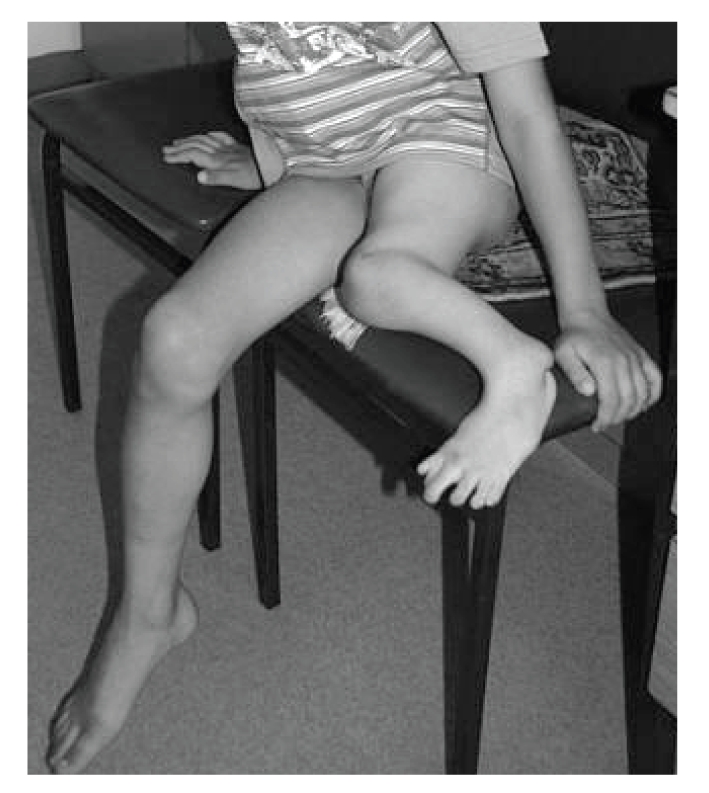
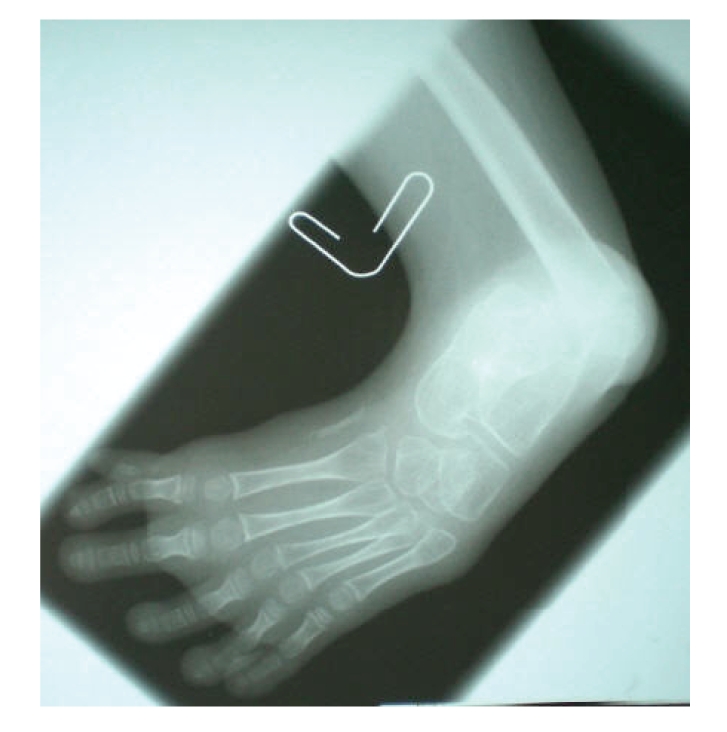
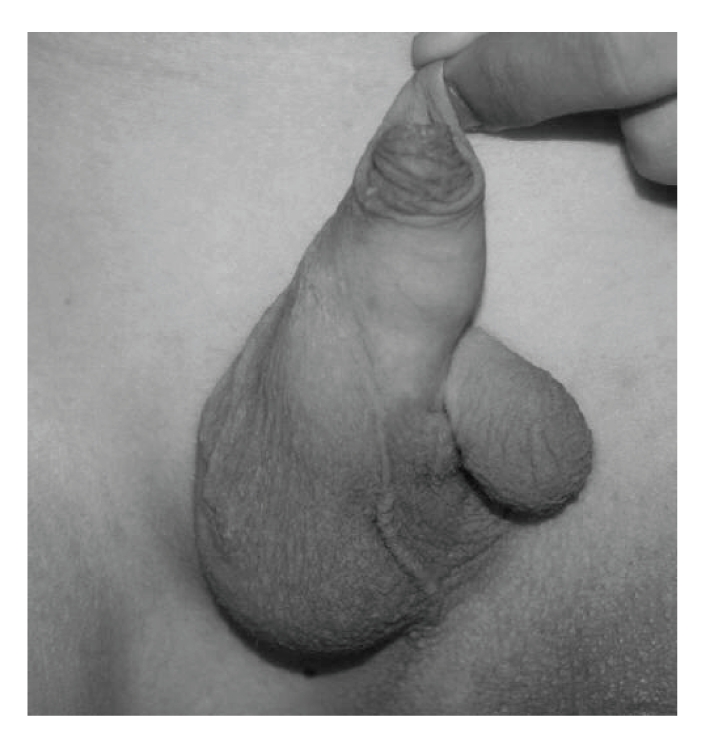
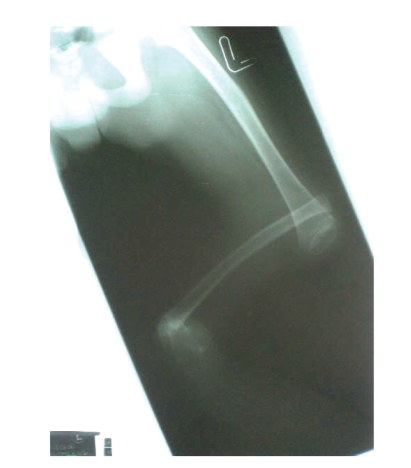
Tibial aplasia is an uncommon lower limb malformation that can occur isolated or be part of a more complex malformation pattern. We describe a 9-year-old boy born after uneventful pregnancy and delivery. Family history was negative for maternal diabetes and other malformations. The patient presented with left tibial aplasia and homolateral prexial foot polydactyly. He also displayed enamel dysplasia and bifid scotum with cryptorchidism. Literature review failed to identify a significant syndromic association between lower limb defects of the tibial type and the genital anomalies reported here. The combination of tibial aplasia with midline genital malformations further supports the hypothesis that the tibial ray development mirrors the morphogenetic process of the radial structures. Accordingly, the malformation pattern observed in the present patient may be pathogenetically explained by an insult occurring during late blastogenesis.
胫骨发育不全是一种罕见的下肢畸形,可单独出现或成为更复杂畸形模式的一部分。我们描述了一名9岁男孩,其出生时妊娠和分娩过程均正常。家族史中母亲无糖尿病及其他畸形。该患者表现为左胫骨发育不全和同侧前足多指畸形。他还出现了牙釉质发育不全、阴囊裂合并隐睾。文献回顾未能发现胫骨型下肢缺陷与本文报道的生殖器异常之间存在显著的综合征关联。胫骨发育不全与中线生殖器畸形的组合进一步支持了这样一种假说,即胫骨射线的发育反映了桡侧结构的形态发生过程。因此,本患者中观察到的畸形模式可能在发病机制上由胚泡晚期发生的损伤来解释。