Cherian Perumpillichira J, Swarte Renate M, Visser Gerhard H
Departments of Clinical Neurophysiology, Erasmus MC, University Medical Center, Rotterdam, Netherlands.
Ann Indian Acad Neurol. 2009 Jan;12(1):58-70. doi: 10.4103/0972-2327.48869.
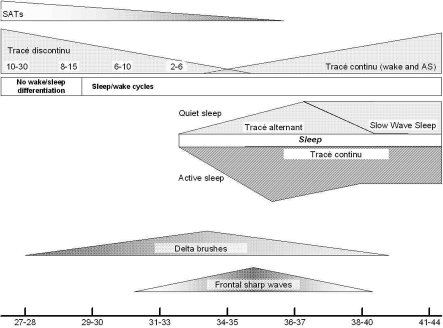
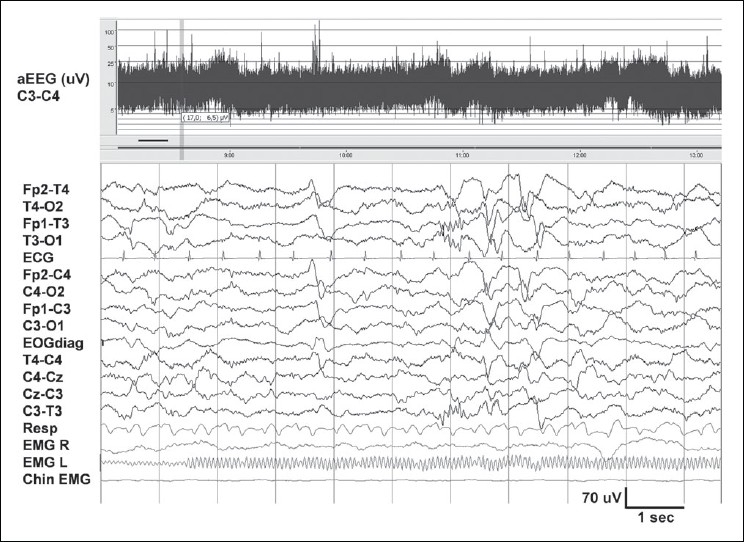
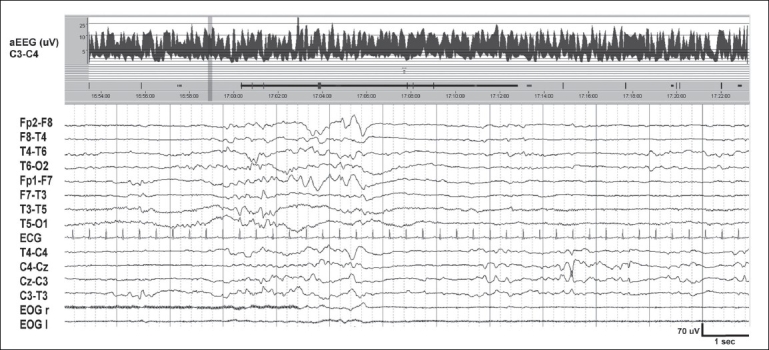
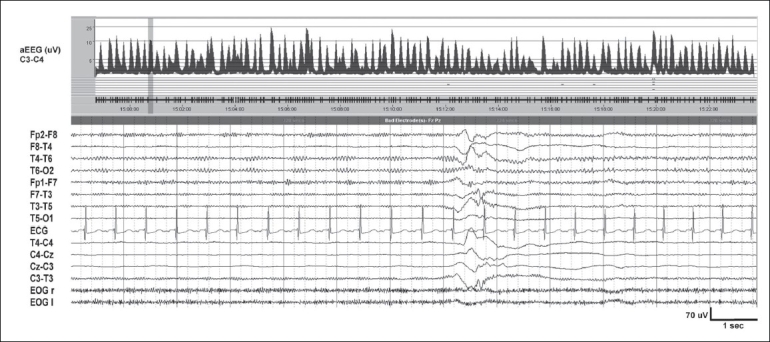
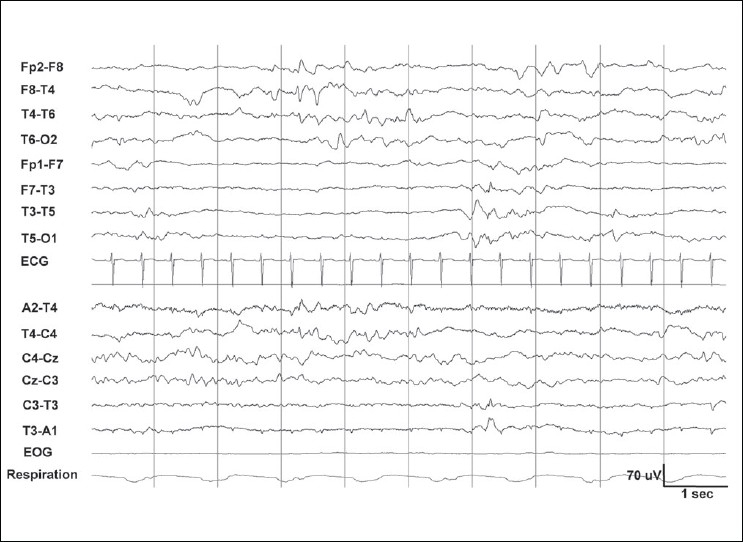
Neonatal electroencephalogram (EEG), though often perceived as being difficult to record and interpret, is relatively easy to study due to the immature nature of the brain, which expresses only a few well-defined set of patterns. The EEG interpreter needs to be aware of the maturational changes as well as the effect of pathological processes and medication on brain activity. It gives valuable information for the treatment and prognostication in encephalopathic neonates. In this group, serial EEGs or EEG monitoring often gives additional information regarding deterioration/improvement of the brain function or occurrence of seizures.
新生儿脑电图(EEG),尽管常常被认为难以记录和解读,但由于大脑的不成熟特性,实际上相对容易研究,因为这种不成熟的大脑仅表现出少数几组明确的模式。脑电图解读人员需要了解成熟过程中的变化,以及病理过程和药物对大脑活动的影响。它为患有脑病的新生儿的治疗和预后提供了有价值的信息。在这组患儿中,连续脑电图检查或脑电图监测常常能提供有关脑功能恶化/改善或癫痫发作情况的额外信息。