Department of Life and Nanopharmaceutical Sciences, Kyung Hee University, 1, Hoegi, Dongdaemun-Ku, Seoul 130-701, Korea.
J Inflamm (Lond). 2010 Feb 1;7:7. doi: 10.1186/1476-9255-7-7.
ABSTRECT:
To understand whether TLR-4-linked NF-kB activation negatively correlates with lipid peroxidation in colitic animal models, we caused colitis by the treatment with dextran sulfate sodium (DSS) or 2,4,6-trinitrobenzenesulfonic acid (TNBS) to C3H/HeJ (TLR-4-defective) and C3H/HeN (wild type) mice, investigated inflammatory markers, lipid peroxidation, proinflammatory cytokines and TLR-4-linked NF-kappaB activation, in colon and intestinal bacterial composition in vivo.
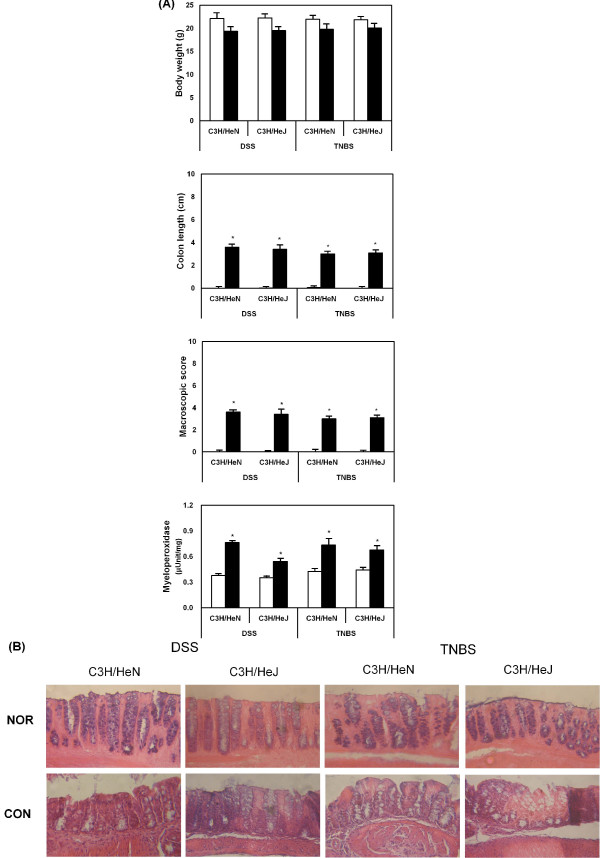
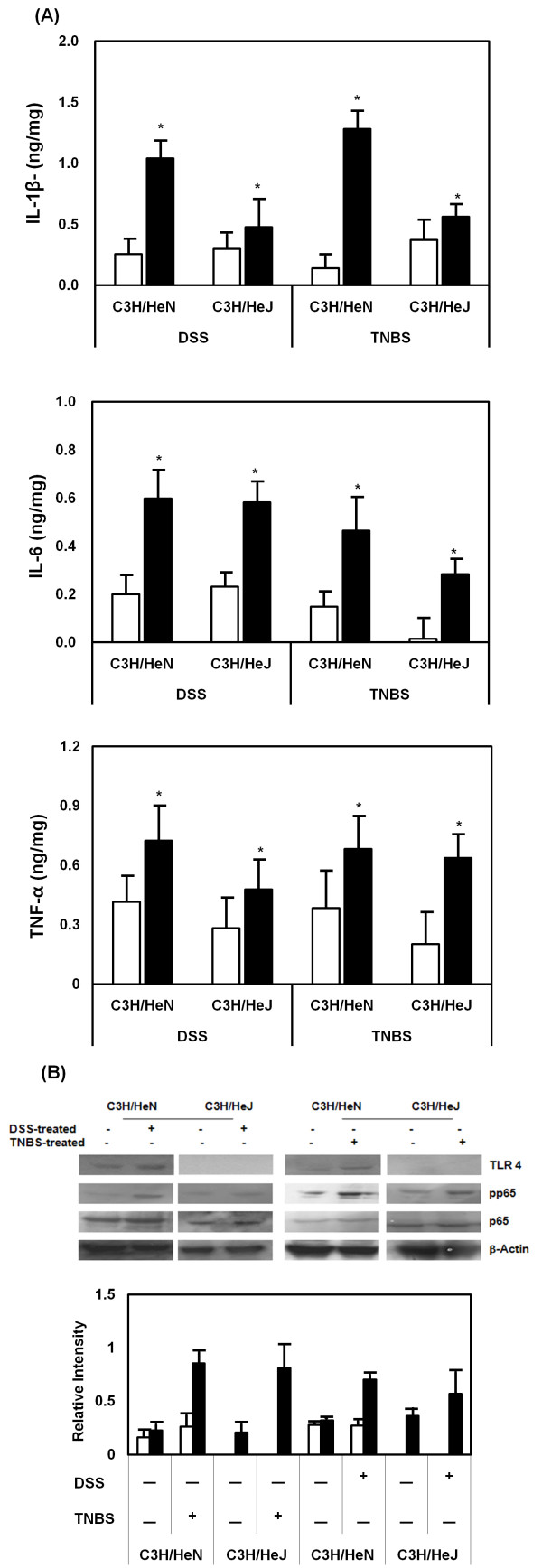
Orally administered DSS and intrarectally injected TNBS all caused severe inflammation, manifested by shortened colons in both mice. These agents increased intestinal myeloperoxidase activity and the expression of the proinflammatory cytokines, IL-1beta, TNF-alpha and IL-6, in the colon.
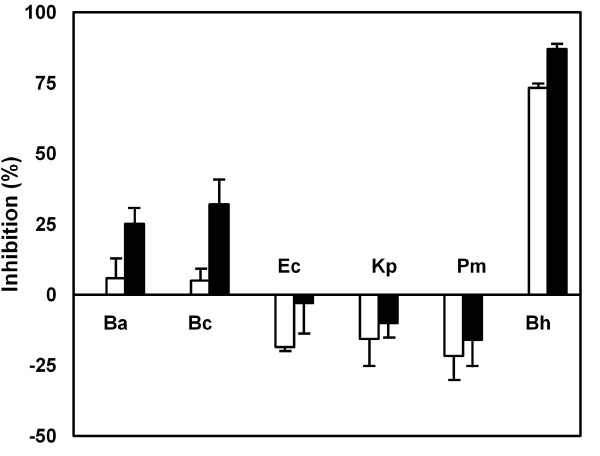
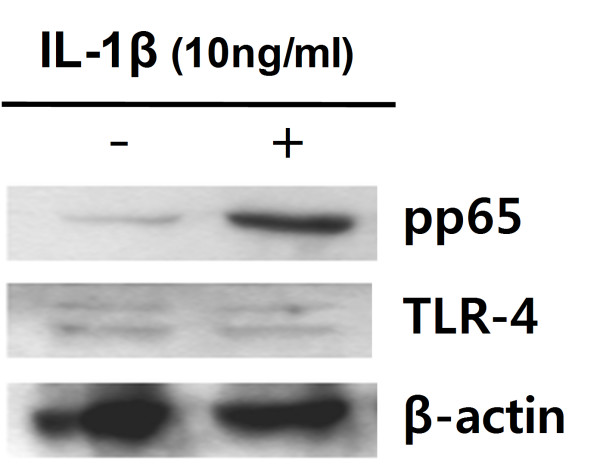
DSS and TNBS induced the protein expression of TLR-4 and activated transcription factor NF-kappaB. However, these colitic agents did not express TLR-4 in C3H/HeJ mice. Of proinflammatory cytokines, IL-1beta was most potently expressed in C3H/HeN mice. IL-1beta potently induced NF-kappaB activation in CaCo-2 cells, but did not induce TLR-4 expression. DSS and TNBS increased lipid peroxide (malondialdehyde) and 4-hydroxy-2-nonenal content in the colon, but reduced glutathione content and superoxide dismutase and catalase activities. These colitic inducers increased the number of Enterobacteriaceae grown in DHL agar plates in both mice, although the number of anaerobes and bifidobacteria grown in GAM and BL agar plates was reduced. E. coli, K. pneumoniae and Proteus mirabilis isolated in DHL agar plates increased lipid peroxidation in liposomes prepared by L-alpha-phosphatidylcholine, but B. animalis and B. cholerium isolated from BL agar plates inhibited it.
These findings suggest that DSS and TNBS may cause colitis by inducing lipid peroxidation and enterobacterial proliferation, which may deteriorate the colitis by regulating proinflammatory cytokines via TLR-4-linked NF-kappaB activation pathway.
为了研究 TLR-4 相关的 NF-κB 激活是否与结肠炎动物模型中的脂质过氧化作用呈负相关,我们用葡聚糖硫酸钠(DSS)或 2,4,6-三硝基苯磺酸(TNBS)对 C3H/HeJ(TLR-4 缺陷)和 C3H/HeN(野生型)小鼠进行结肠炎造模,检测结肠和肠道的炎症标志物、脂质过氧化作用、促炎细胞因子和 TLR-4 相关的 NF-κB 激活情况,以及体内肠道细菌组成。
口服 DSS 和直肠内注射 TNBS 都会导致两种小鼠的结肠缩短,表现出严重的炎症。这些药物增加了肠道髓过氧化物酶活性和结肠中促炎细胞因子白细胞介素-1β、肿瘤坏死因子-α和白细胞介素-6 的表达。
DSS 和 TNBS 诱导了 TLR-4 的蛋白表达,并激活了转录因子 NF-κB。然而,这些结肠炎诱导剂在 C3H/HeJ 小鼠中并未表达 TLR-4。在促炎细胞因子中,白细胞介素-1β在 C3H/HeN 小鼠中表达最强。白细胞介素-1β在 CaCo-2 细胞中强烈诱导 NF-κB 激活,但不诱导 TLR-4 表达。DSS 和 TNBS 增加了结肠中丙二醛和 4-羟基-2-壬烯醛的含量,但降低了还原型谷胱甘肽的含量和超氧化物歧化酶及过氧化氢酶的活性。这些结肠炎诱导剂增加了两种小鼠 DHL 琼脂平板中肠杆菌科的数量,尽管 GAM 和 BL 琼脂平板中厌氧菌和双歧杆菌的数量减少了。从 DHL 琼脂平板中分离出的大肠杆菌、肺炎克雷伯菌和奇异变形杆菌增加了由 L-α-磷脂酰胆碱制备的脂质体的脂质过氧化作用,但从 BL 琼脂平板中分离出的动物双歧杆菌和粪肠球菌则抑制了这种作用。
这些发现表明,DSS 和 TNBS 可能通过诱导脂质过氧化作用和肠杆菌增殖导致结肠炎,通过 TLR-4 相关的 NF-κB 激活途径调节促炎细胞因子,从而加重结肠炎。