Division of Cellular and Molecular Biology and Physiology, Georgia State University, Atlanta, Georgia, USA.
Epigenetics Chromatin. 2010 Feb 4;3(1):5. doi: 10.1186/1756-8935-3-5.
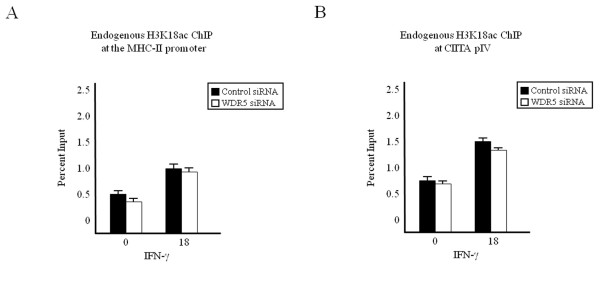
Studies indicate that the 19S proteasome contributes to chromatin reorganization, independent of the role the proteasome plays in protein degradation. We have previously shown that components of the 19S proteasome are crucial for regulating inducible histone activation events in mammalian cells. The 19S ATPase Sug1 binds to histone-remodeling enzymes, and in the absence of Sug1, a subset of activating epigenetic modifications including histone H3 acetylation, H3 lysine 4 trimethylation and H3 arginine 17 dimethylation are inhibited at cytokine-inducible major histocompatibilty complex (MHC)-II and class II transactivator (CIITA) promoters, implicating Sug1 in events required to initiate mammalian transcription.
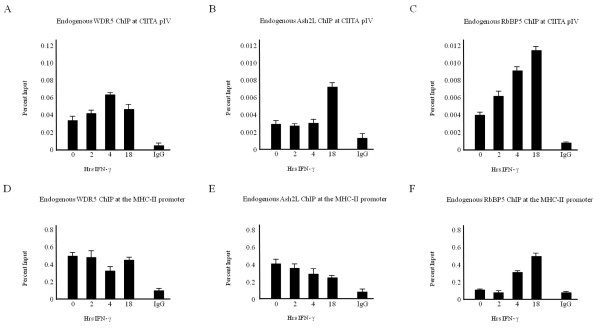
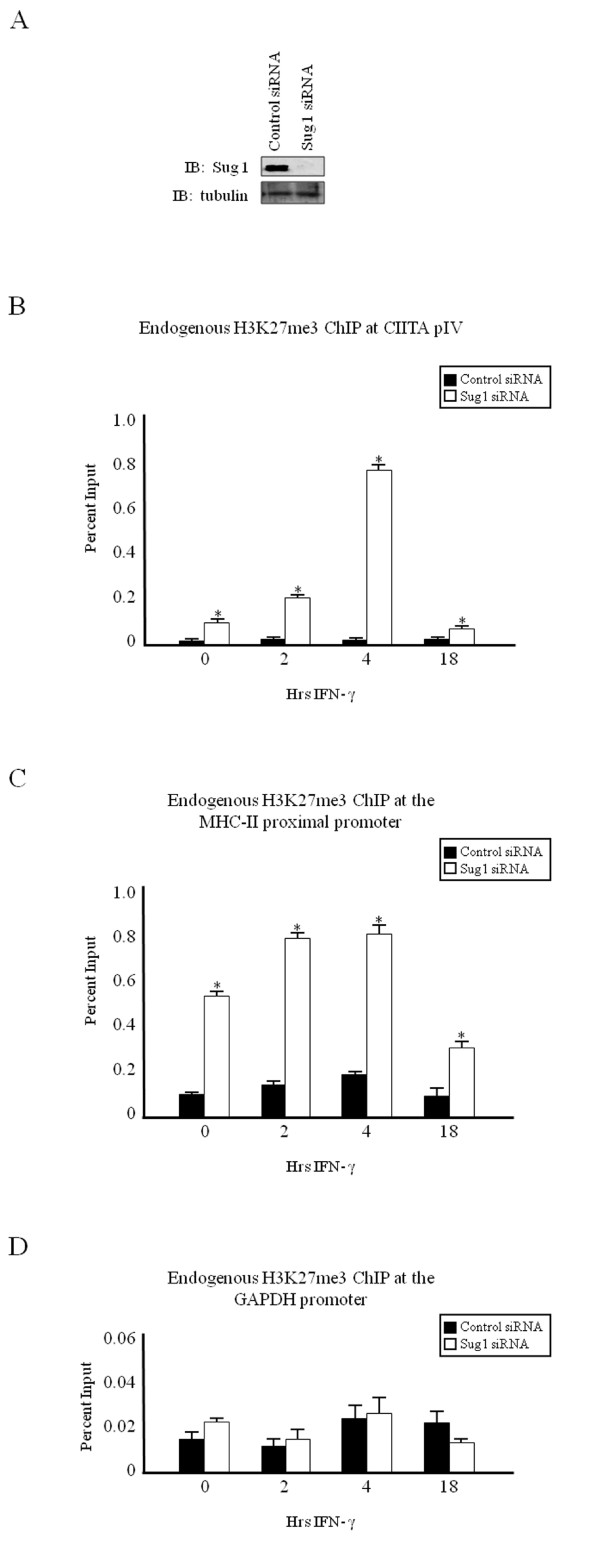
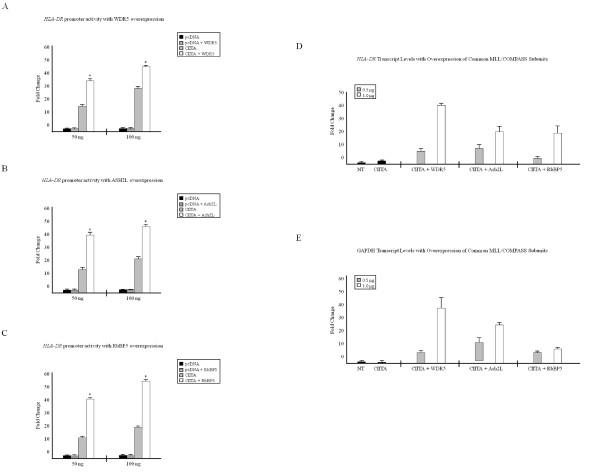
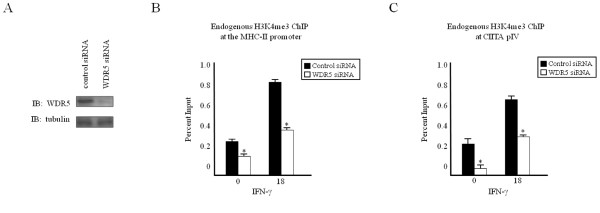
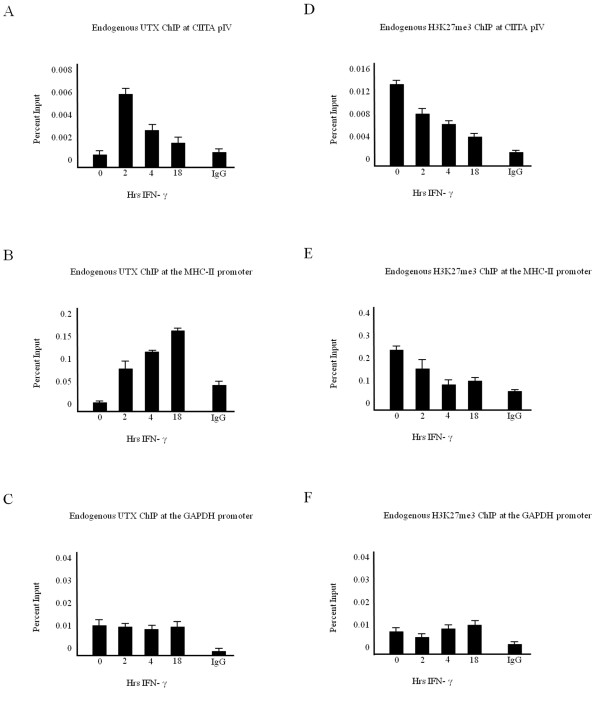
Our previous studies indicate that H3 lysine 4 trimethylation at cytokine-inducible MHC-II and CIITA promoters is dependent on proteolytic-independent functions of 19S ATPases. In this report, we show that multiple common subunits of the mixed lineage leukemia (MLL)/complex of proteins associated with Set I (COMPASS) complexes bind to the inducible MHC-II and CIITA promoters; that overexpressing a single common MLL/COMPASS subunit significantly enhances promoter activity and MHC-II HLA-DRA expression; and that these common subunits are important for H3 lysine 4 trimethylation at MHC-II and CIITA promoters. In addition, we show that H3 lysine 27 trimethylation, which is inversely correlated with H3 lysine 4 trimethylation, is significantly elevated in the presence of diminished 19S ATPase Sug1.
Taken together, these experiments suggest that the 19S proteasome plays a crucial role in the initial reorganization of events enabling the relaxation of the repressive chromatin structure surrounding inducible promoters.
研究表明,19S 蛋白酶体有助于染色质重排,而不依赖于蛋白酶体在蛋白质降解中所起的作用。我们之前已经表明,19S 蛋白酶体的组成部分对于调节哺乳动物细胞中诱导型组蛋白激活事件至关重要。19S ATPase Sug1 与组蛋白重塑酶结合,在 Sug1 缺失的情况下,包括组蛋白 H3 乙酰化、H3 赖氨酸 4 三甲基化和 H3 精氨酸 17 二甲基化在内的一组激活表观遗传修饰被抑制,在细胞因子诱导的主要组织相容性复合物 (MHC)-II 和 II 类转录激活因子 (CIITA) 启动子,暗示 Sug1 参与启动哺乳动物转录所需的事件。
我们之前的研究表明,细胞因子诱导的 MHC-II 和 CIITA 启动子上的组蛋白 H3 赖氨酸 4 三甲基化依赖于 19S ATPase 的非蛋白水解功能。在本报告中,我们表明,混合谱系白血病 (MLL)/与 SET1 相关的蛋白复合物 (COMPASS) 的多个常见亚基结合到诱导型 MHC-II 和 CIITA 启动子;过量表达单个常见的 MLL/COMPASS 亚基可显著增强启动子活性和 MHC-II HLA-DRA 表达;这些常见亚基对于 MHC-II 和 CIITA 启动子上的 H3 赖氨酸 4 三甲基化至关重要。此外,我们还表明,H3 赖氨酸 27 三甲基化与 H3 赖氨酸 4 三甲基化呈负相关,在 19S ATPase Sug1 减少的情况下,H3 赖氨酸 27 三甲基化显著升高。
综上所述,这些实验表明 19S 蛋白酶体在诱导型启动子周围抑制性染色质结构松弛所必需的初始事件重排中发挥关键作用。