The Immunopharmacology Research Group, Medical School, FIN-33014, University of Tampere and Research Unit, Tampere University Hospital, Tampere, Finland.
J Inflamm (Lond). 2010 Feb 4;7:9. doi: 10.1186/1476-9255-7-9.
Granulocytes are important in the pathogenesis of several inflammatory diseases. Apoptosis is pivotal in the resolution of inflammation. Apoptosis in malignant cells is induced by histone deacetylase (HDAC) inhibitors, whereas HDAC inhibitors do not usually induce apoptosis in non-malignant cells. The aim of the present study was to explore the effects of HDAC inhibitors on apoptosis in human eosinophils and neutrophils.
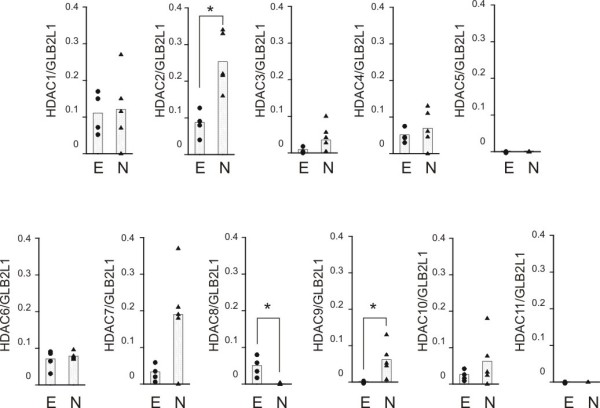
Apoptosis was assessed by relative DNA fragmentation assay, annexin-V binding, and morphologic analysis. HDAC activity in nuclear extracts was measured with a nonisotopic assay. HDAC expression was measured by real-time PCR.
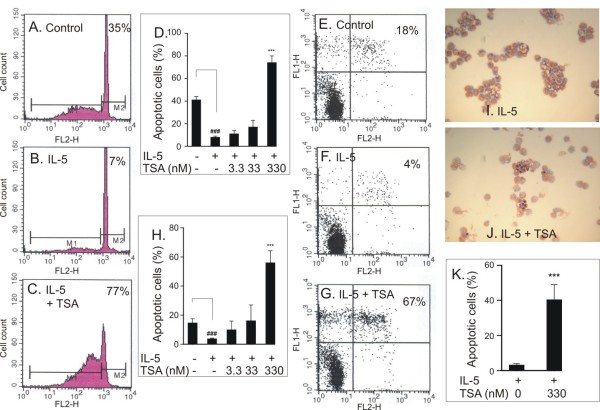
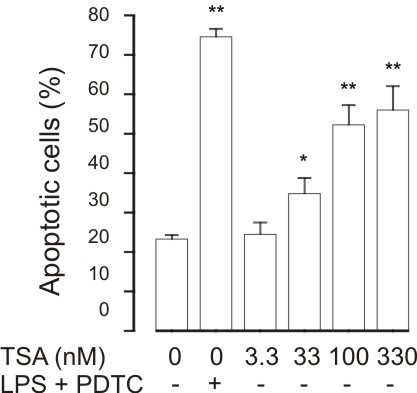
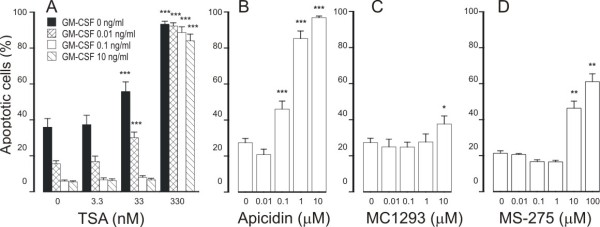
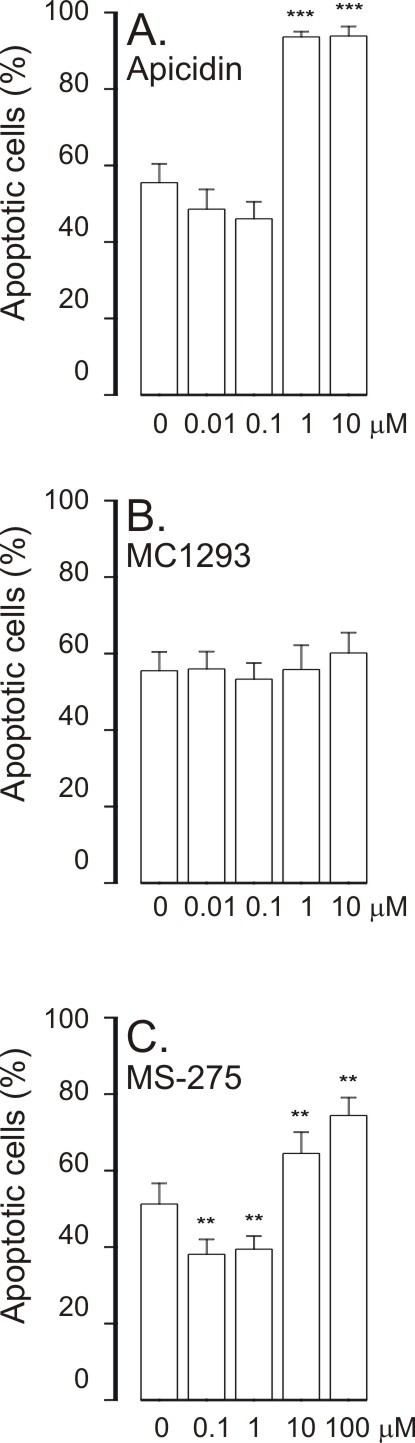
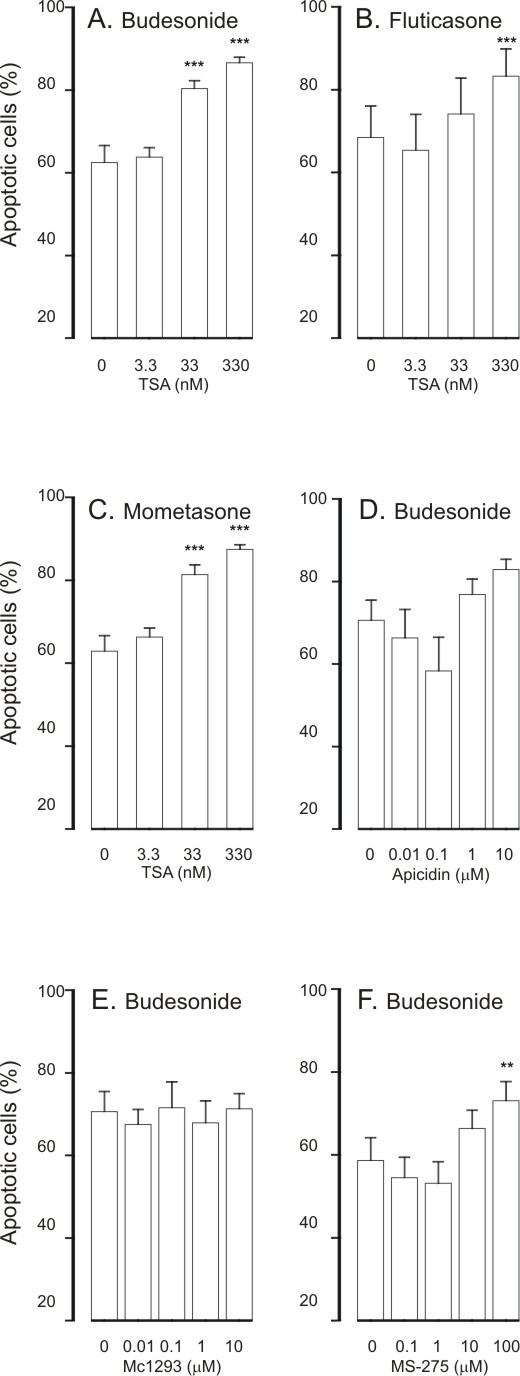
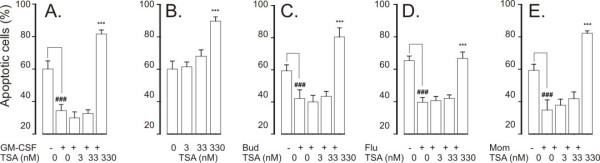
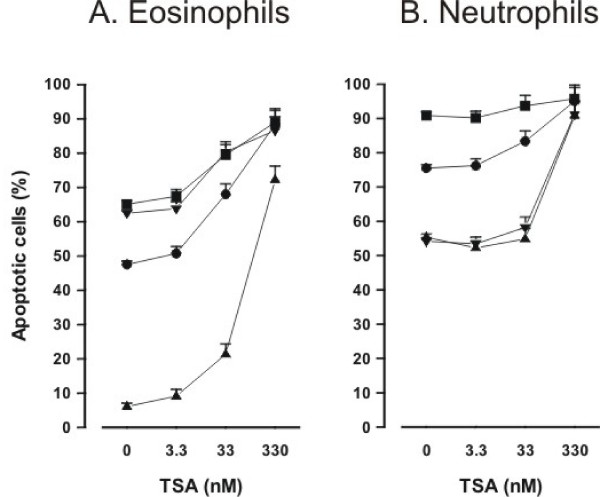
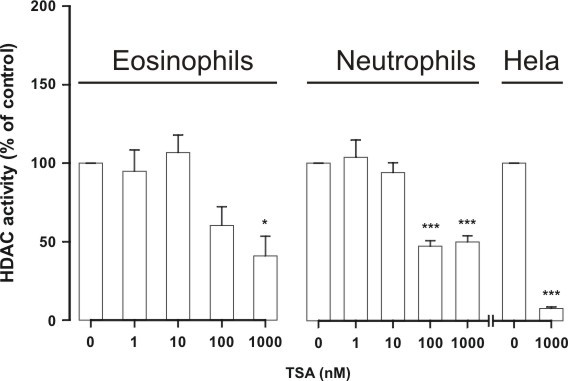
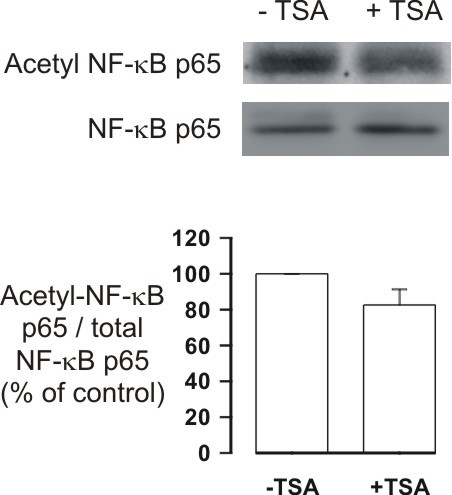
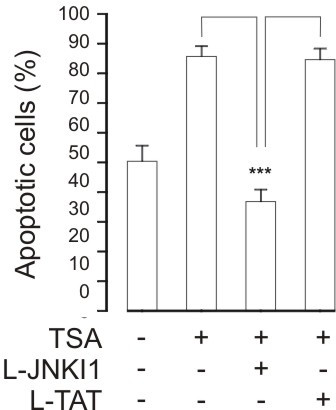
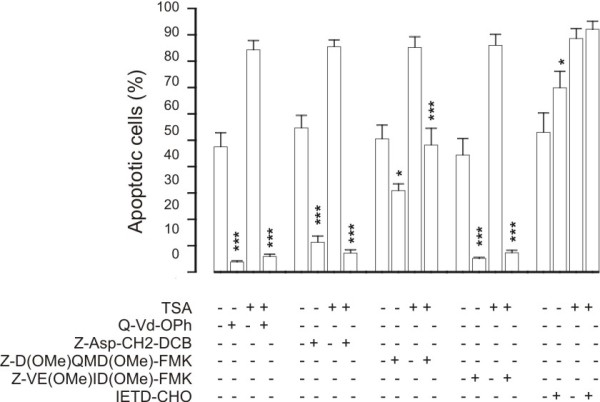
A HDAC inhibitor Trichostatin A (TSA) induced apoptosis in the presence of survival-prolonging cytokines interleukin-5 and granulocyte-macrophage colony stimulating factor (GM-CSF) in eosinophils and neutrophils. TSA enhanced constitutive eosinophil and neutrophil apoptosis. Similar effects were seen with a structurally dissimilar HDAC inhibitor apicidin. TSA showed additive effect on the glucocorticoid-induced eosinophil apoptosis, but antagonized glucocorticoid-induced neutrophil survival. Eosinophils and neutrophils expressed all HDACs at the mRNA level except that HDAC5 and HDAC11 mRNA expression was very low in both cell types, HDAC8 mRNA was very low in neutrophils and HDAC9 mRNA low in eosinophils. TSA reduced eosinophil and neutrophil nuclear HDAC activities by ~50-60%, suggesting a non-histone target. However, TSA did not increase the acetylation of a non-histone target NF-kappaB p65. c-jun-N-terminal kinase and caspases 3 and 6 may be involved in the mechanism of TSA-induced apoptosis, whereas PI3-kinase and caspase 8 are not.
HDAC inhibitors enhance apoptosis in human eosinophils and neutrophils in the absence and presence of survival-prolonging cytokines and glucocorticoids.
粒细胞在几种炎症性疾病的发病机制中起着重要作用。细胞凋亡是炎症消退的关键。组蛋白去乙酰化酶(HDAC)抑制剂诱导恶性细胞凋亡,而 HDAC 抑制剂通常不会诱导非恶性细胞凋亡。本研究旨在探讨 HDAC 抑制剂对人嗜酸性粒细胞和中性粒细胞凋亡的影响。
采用相对 DNA 片段化测定法、膜联蛋白-V 结合法和形态学分析评估细胞凋亡。采用非同位素测定法测定核提取物中的 HDAC 活性。通过实时 PCR 测定 HDAC 表达。
HDAC 抑制剂 Trichostatin A(TSA)在存在延长生存的细胞因子白细胞介素-5 和粒细胞-巨噬细胞集落刺激因子(GM-CSF)的情况下诱导嗜酸性粒细胞和中性粒细胞凋亡。TSA 增强了嗜酸性粒细胞和中性粒细胞的固有凋亡。结构不同的 HDAC 抑制剂 Apicidin 也有类似的作用。TSA 对糖皮质激素诱导的嗜酸性粒细胞凋亡有相加作用,但拮抗了糖皮质激素诱导的中性粒细胞存活。嗜酸性粒细胞和中性粒细胞在 mRNA 水平上均表达所有的 HDAC,但 HDAC5 和 HDAC11 在这两种细胞类型中的 mRNA 表达非常低,HDAC8 在中性粒细胞中的 mRNA 表达非常低,HDAC9 在嗜酸性粒细胞中的 mRNA 表达较低。TSA 降低了嗜酸性粒细胞和中性粒细胞的核 HDAC 活性约 50-60%,提示存在非组蛋白靶标。然而,TSA 并没有增加非组蛋白靶标 NF-κB p65 的乙酰化。c-jun-N 末端激酶和半胱天冬酶 3 和 6 可能参与 TSA 诱导的凋亡机制,而 PI3-激酶和半胱天冬酶 8 不参与。
HDAC 抑制剂在存在和不存在延长生存的细胞因子和糖皮质激素的情况下增强人嗜酸性粒细胞和中性粒细胞的凋亡。