School of Life Sciences, University of Sussex, Brighton, United Kingdom.
PLoS One. 2010 Feb 26;5(2):e9443. doi: 10.1371/journal.pone.0009443.
Epstein Barr virus (EBV) infects the majority of the human population, causing fatal diseases in a small proportion in conjunction with environmental factors. Following primary infection, EBV remains latent in the memory B cell population for life. Recurrent reactivation of the virus occurs, probably due to activation of the memory B-lymphocytes, resulting in viral replication and re-infection of B-lymphocytes. Methylation of the viral DNA at CpG motifs leads to silencing of viral gene expression during latency. Zta, the key viral protein that mediates the latency/reactivation balance, interacts with methylated DNA. Zta is a transcription factor for both viral and host genes. A sub-set of its DNA binding sites (ZREs) contains a CpG motif, which is recognised in its methylated form. Detailed analysis of the promoter of the viral gene BRLF1 revealed that interaction with a methylated CpG ZRE (RpZRE3) is key to overturning the epigenetic silencing of the gene.
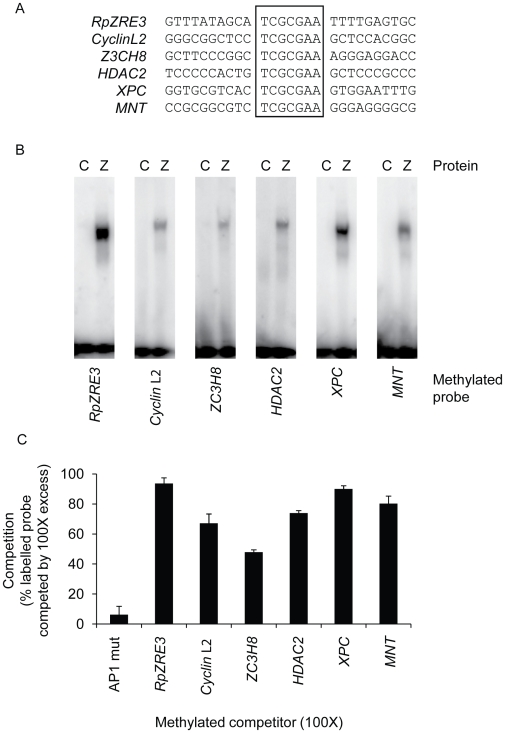
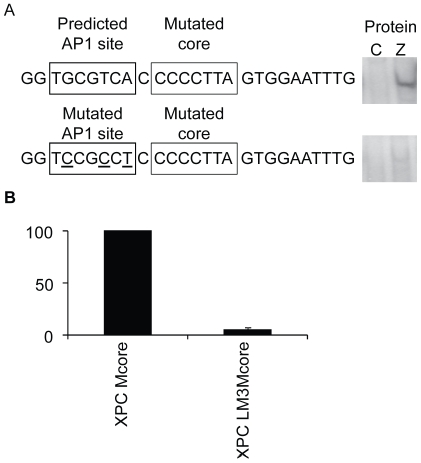
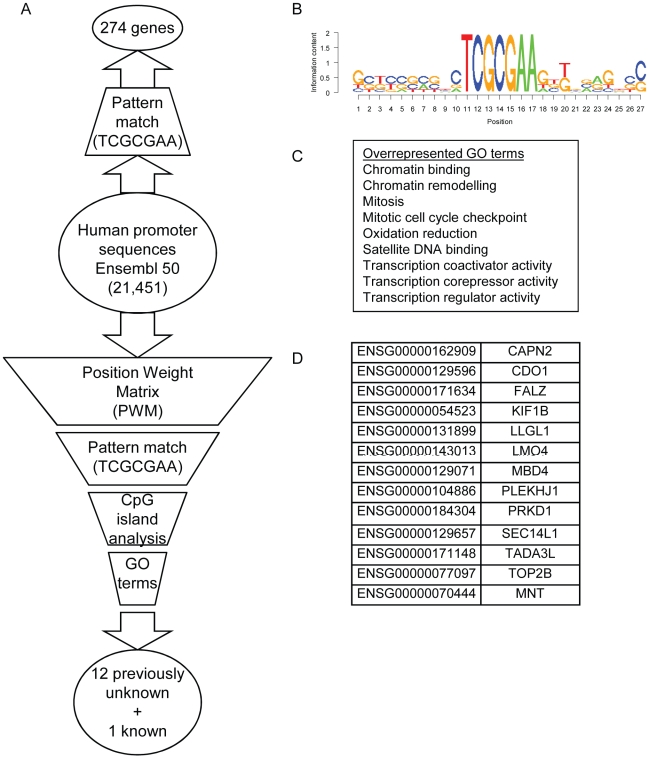
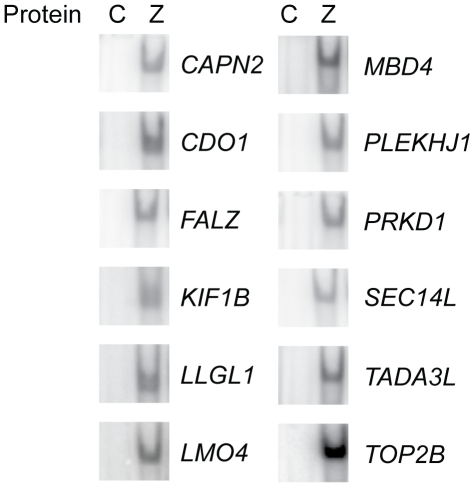
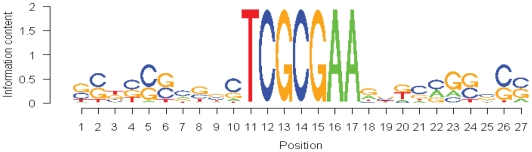
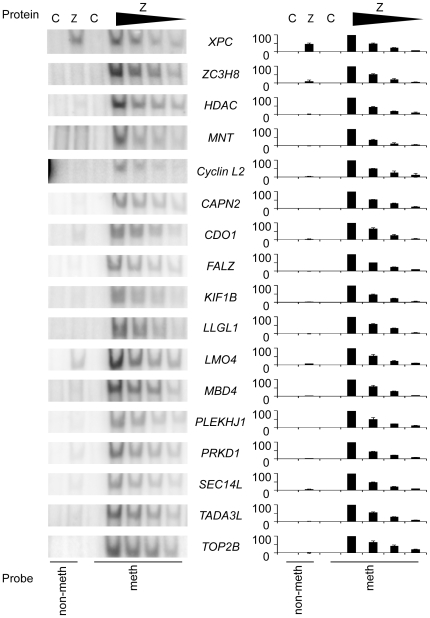
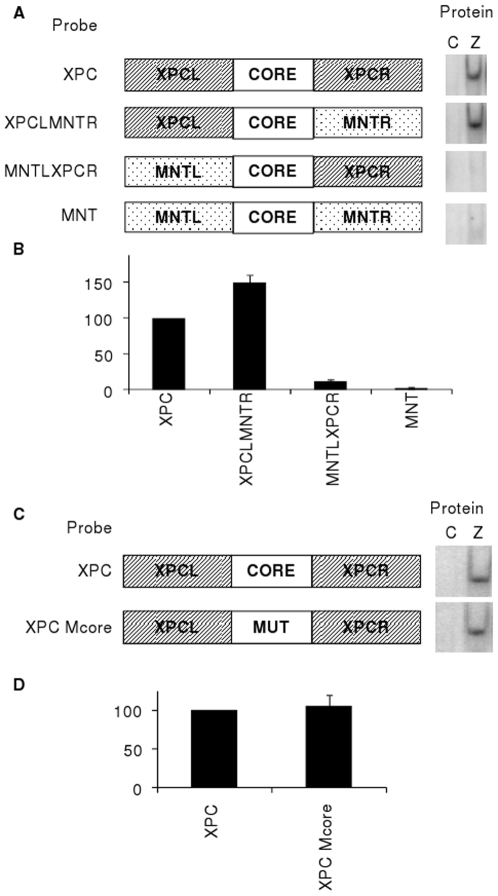
Here we question whether we can use this information to identify which host genes contain promoters with similar response elements. A computational search of human gene promoters identified 274 targets containing the 7-nucleotide RpZRE3 core element. DNA binding analysis of Zta with 17 of these targets revealed that the flanking context of the core element does not have a profound effect on the ability of Zta to interact with the methylated sites. A second juxtaposed ZRE was observed for one promoter. Zta was able to interact with this site, although co-occupancy with the RpZRE3 core element was not observed.
CONCLUSIONS/SIGNIFICANCE: This research demonstrates 274 human promoters have the potential to be regulated by Zta to overturn epigenetic silencing of gene expression during viral reactivation from latency.
EB 病毒(EBV)感染了大多数人类,一小部分人会在环境因素的影响下感染 EBV 并导致致命疾病。在初次感染后,EBV 会在记忆 B 细胞中潜伏终身。病毒会反复激活,可能是由于记忆 B 淋巴细胞的激活,导致病毒复制和再感染 B 淋巴细胞。病毒 DNA 在 CpG 基序处的甲基化导致潜伏期间病毒基因表达沉默。Zta 是一种关键的病毒蛋白,它介导潜伏/再激活平衡,与甲基化 DNA 相互作用。Zta 是病毒和宿主基因的转录因子。其 DNA 结合位点(ZREs)的一部分包含一个 CpG 基序,该基序以甲基化形式被识别。对病毒基因 BRLF1 启动子的详细分析表明,与甲基化 CpG ZRE(RpZRE3)的相互作用是推翻基因表观遗传沉默的关键。
在这里,我们想知道是否可以利用这些信息来识别哪些宿主基因含有具有类似反应元件的启动子。对人类基因启动子进行计算搜索,确定了 274 个含有 7 个核苷酸 RpZRE3 核心元件的靶标。Zta 与其中 17 个靶标的 DNA 结合分析表明,核心元件的侧翼序列对 Zta 与甲基化位点相互作用的能力没有深远影响。在一个启动子中观察到第二个并列的 ZRE。Zta 能够与该位点相互作用,尽管未观察到与 RpZRE3 核心元件的共占据。
结论/意义:这项研究表明,在病毒从潜伏状态重新激活时,有 274 个人类启动子有可能被 Zta 调控,从而推翻基因表达的表观遗传沉默。