Novartis Institutes for BioMedical Research, Novartis Campus, CH-4056 Basel, Switzerland.
J Cheminform. 2010 Feb 2;2(1):1. doi: 10.1186/1758-2946-2-1.
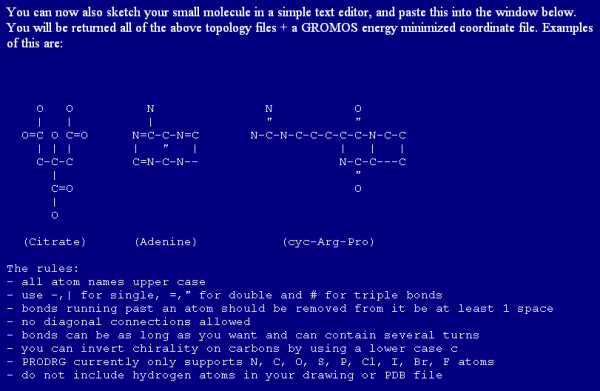
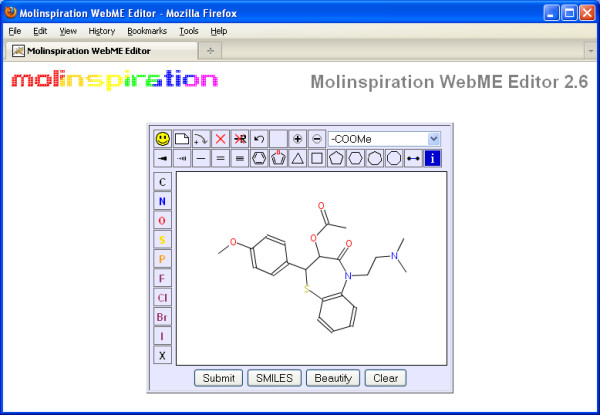
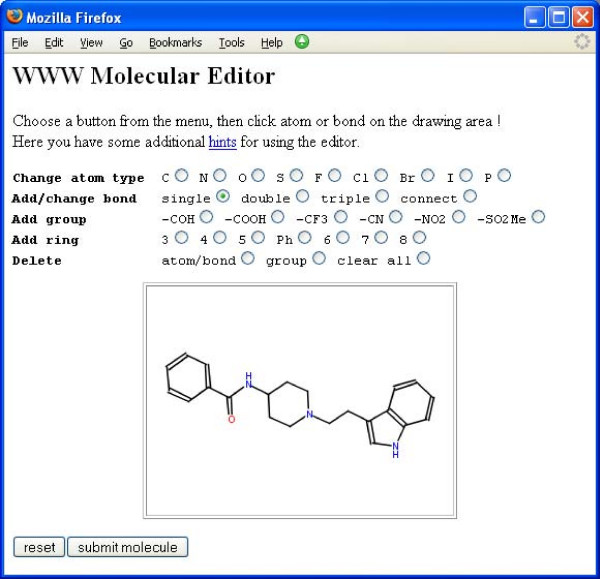
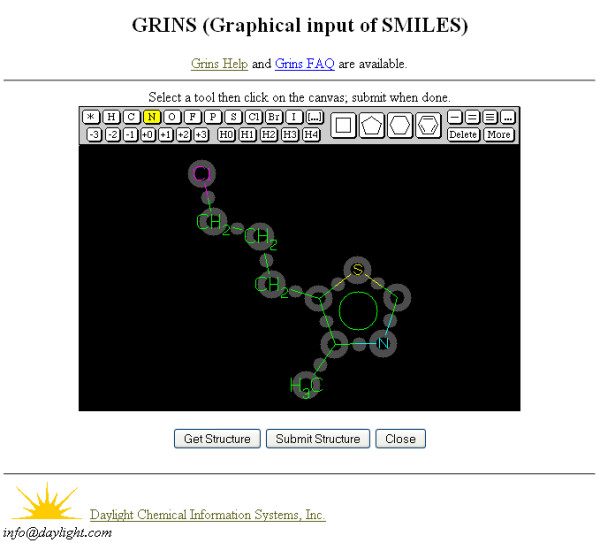
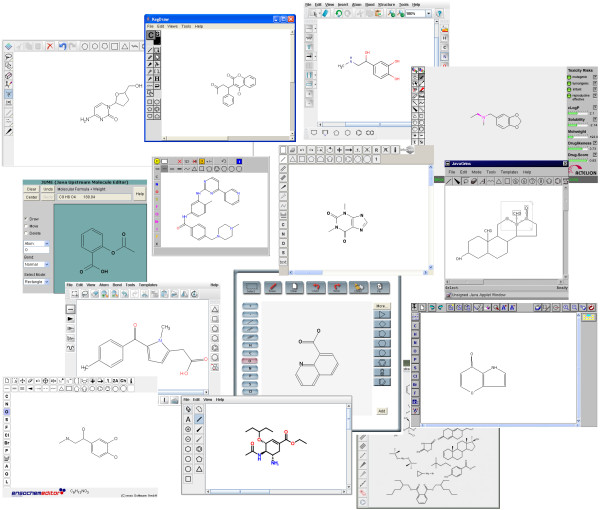
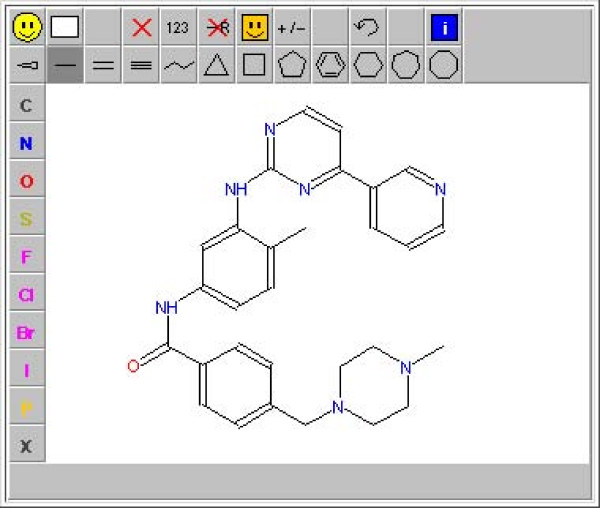
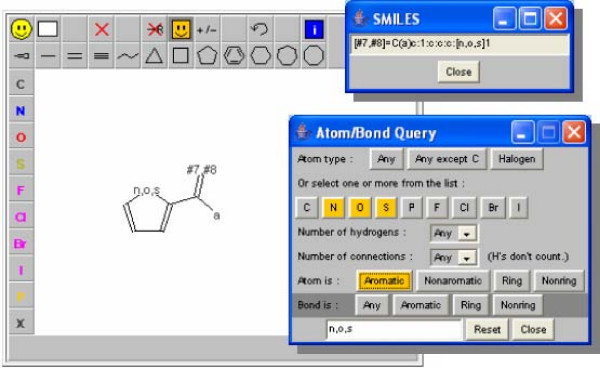
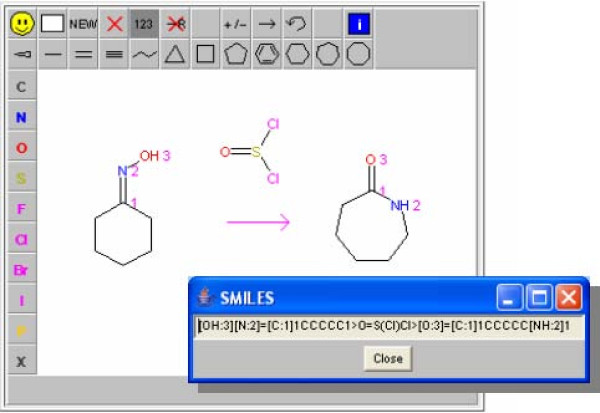
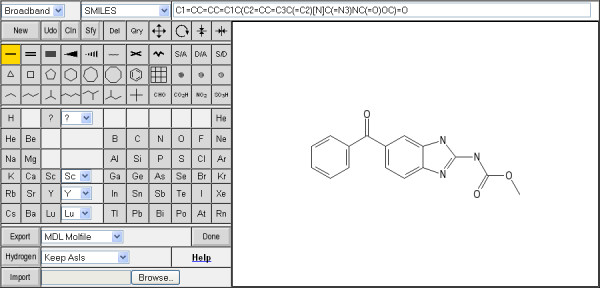
A molecule editor, that is program for input and editing of molecules, is an indispensable part of every cheminformatics or molecular processing system. This review focuses on a special type of molecule editors, namely those that are used for molecule structure input on the web. Scientific computing is now moving more and more in the direction of web services and cloud computing, with servers scattered all around the Internet. Thus a web browser has become the universal scientific user interface, and a tool to edit molecules directly within the web browser is essential.The review covers a history of web-based structure input, starting with simple text entry boxes and early molecule editors based on clickable maps, before moving to the current situation dominated by Java applets. One typical example - the popular JME Molecule Editor - will be described in more detail. Modern Ajax server-side molecule editors are also presented. And finally, the possible future direction of web-based molecule editing, based on technologies like JavaScript and Flash, is discussed.
分子编辑器是化学信息学或分子处理系统中不可或缺的一部分,它是用于输入和编辑分子的程序。本篇综述聚焦于一种特殊类型的分子编辑器,即专门用于在网络上输入分子结构的编辑器。随着科学计算越来越向网络服务和云计算方向发展,服务器分布在互联网的各个角落。因此,网络浏览器已成为通用的科学用户界面,而能够直接在网络浏览器中编辑分子的工具则变得至关重要。本篇综述涵盖了基于网络的结构输入的历史,从简单的文本输入框和基于可点击地图的早期分子编辑器开始,然后介绍了当前以 Java 小程序为主导的现状。将详细描述一个典型示例——流行的 JME Molecule Editor。还介绍了现代的 Ajax 服务器端分子编辑器。最后,讨论了基于 JavaScript 和 Flash 等技术的基于网络的分子编辑的未来可能方向。