Centre for Global Health, Population, Poverty & Policy, University of Southampton, Highfield, UK.
Health Policy Plan. 2010 Sep;25(5):427-36. doi: 10.1093/heapol/czq011. Epub 2010 Mar 23.
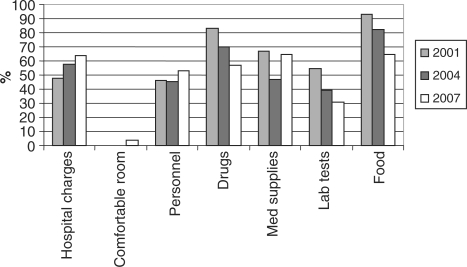
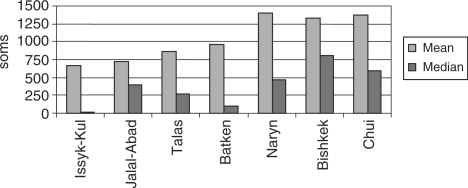
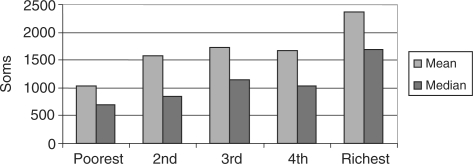
Within the countries of the former Soviet Union, the Kyrgyz Republic has been a pioneer in reforming the system of health care finance. Since the introduction of its compulsory health insurance fund in 1997, the country has gradually moved from subsidizing the supply of services to subsidizing the purchase of services through the 'single payer' of the health insurance fund. In 2002 the government introduced a new co-payment for inpatients along with a basic benefit package. A key objective of the reforms has been to replace the burgeoning system of unofficial informal payments for health care with a transparent official co-payment, thereby reducing the financial burden of health care spending for the poor. This article investigates trends in out-of-pocket payments for health care using the results of a series of nationally representative household surveys conducted over the period 2001-2007, when the reforms were being rolled out. The analysis shows that there has been a significant improvement in financial access to health care amongst the population. The proportion paying state providers for consultations fell between 2004 and 2007. As a result of the introduction of co-payments for hospital care, fewer inpatients report making payments to medical personnel, but when they are made, payments are high, especially to surgeons and anaesthetists. However, although financial access for outpatient care has improved, the burden of health care payments amongst the poor remains significant.
在前苏联国家中,吉尔吉斯共和国是医疗保健融资体系改革的先驱。自 1997 年引入强制性医疗保险基金以来,该国逐渐从补贴服务供应转向通过医疗保险基金的“单一支付者”补贴服务购买。2002 年,政府为住院患者引入了新的共付额,并制定了基本福利套餐。改革的一个关键目标是用透明的官方共付额取代日益增长的医疗保健非官方非正式支付系统,从而减轻贫困人群的医疗保健支出负担。本文利用在改革实施期间进行的一系列全国代表性家庭调查的结果,研究了医疗保健自付费用的趋势。分析表明,人口的医疗保健财务获取能力有了显著提高。在 2004 年至 2007 年期间,向国有医疗机构支付咨询费用的比例有所下降。由于引入了住院医疗共付额,报告向医务人员支付费用的住院患者减少,但支付的金额较高,尤其是外科医生和麻醉师。然而,尽管门诊医疗的财务获取情况有所改善,但贫困人群的医疗保健支付负担仍然很大。