Agricultural Biotech Research Center, Academia Sinica, Taipei, Taiwan.
PLoS One. 2010 Mar 22;5(3):e9784. doi: 10.1371/journal.pone.0009784.
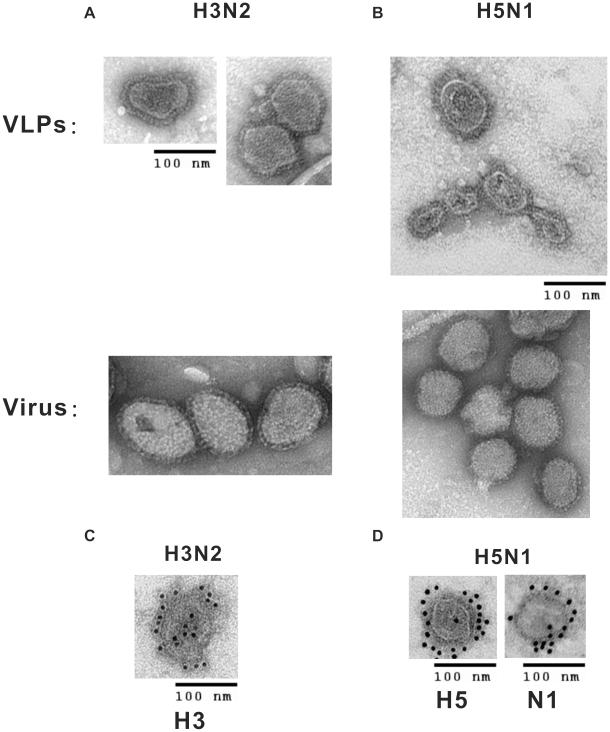
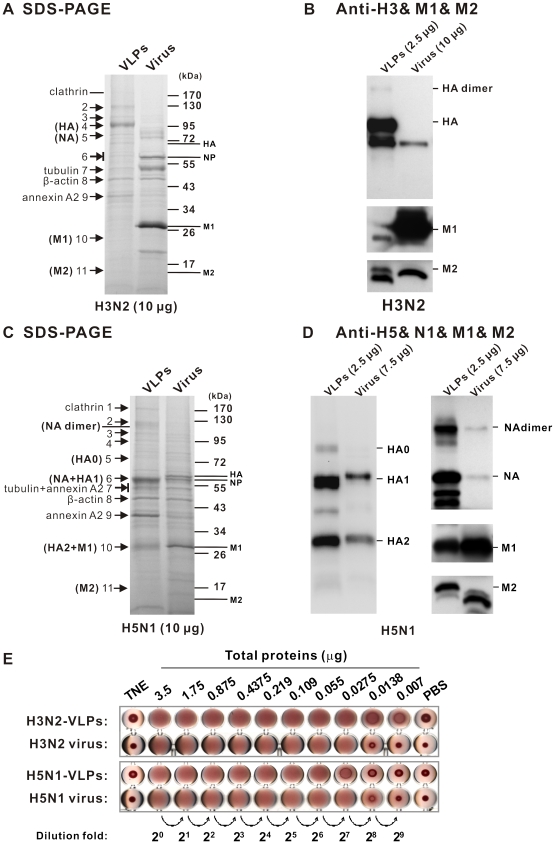
Influenza A viruses are major human and animal pathogens with huge economic and societal impact from illness, hospitalizations, and deaths. Virus-like particles (VLPs) of influenza virus have been suggested as a vaccine candidate offering improved safety and efficacy. To develop this concept further, we established a flexible platform to efficiently generate different subtypes of mammalian-expressed influenza VLPs. Here we demonstrate that these mammalian VLPs strongly resemble the authentic viruses in structure, particle size and composition of host factors, and even glycosylation of viral antigens.
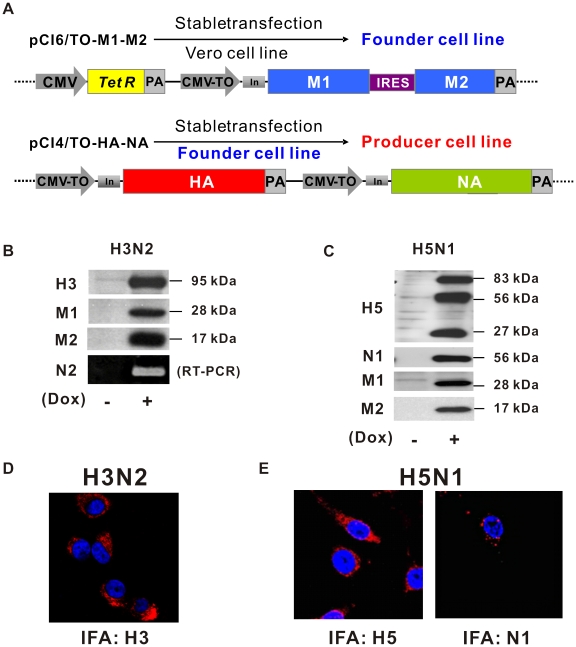
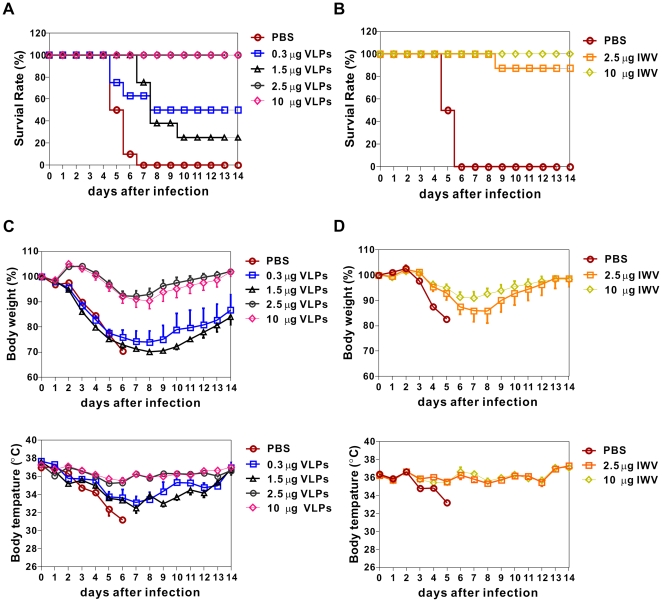
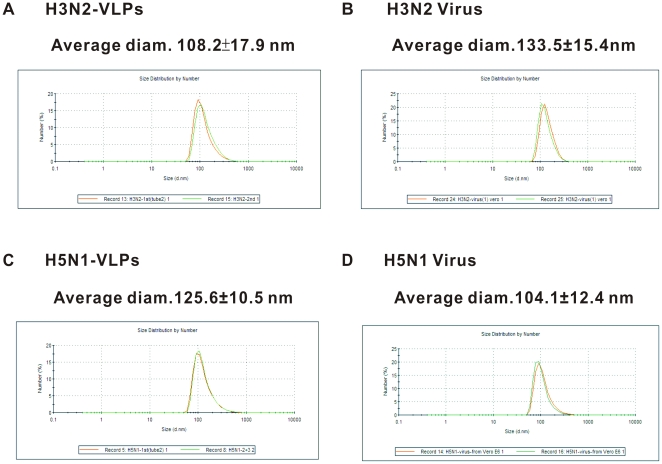
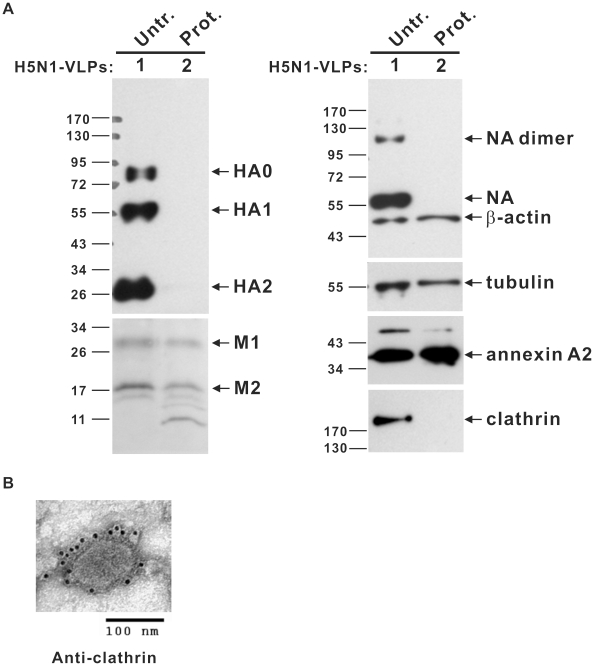
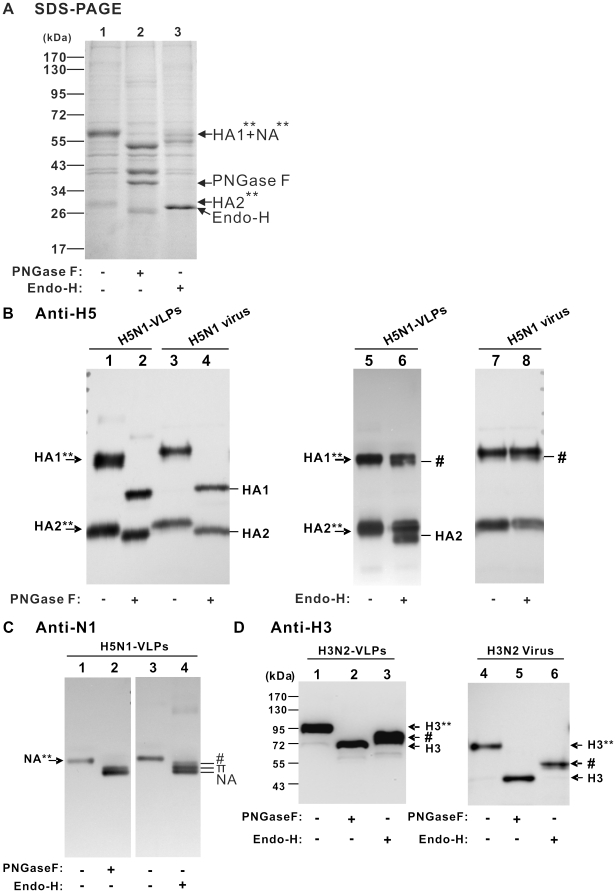
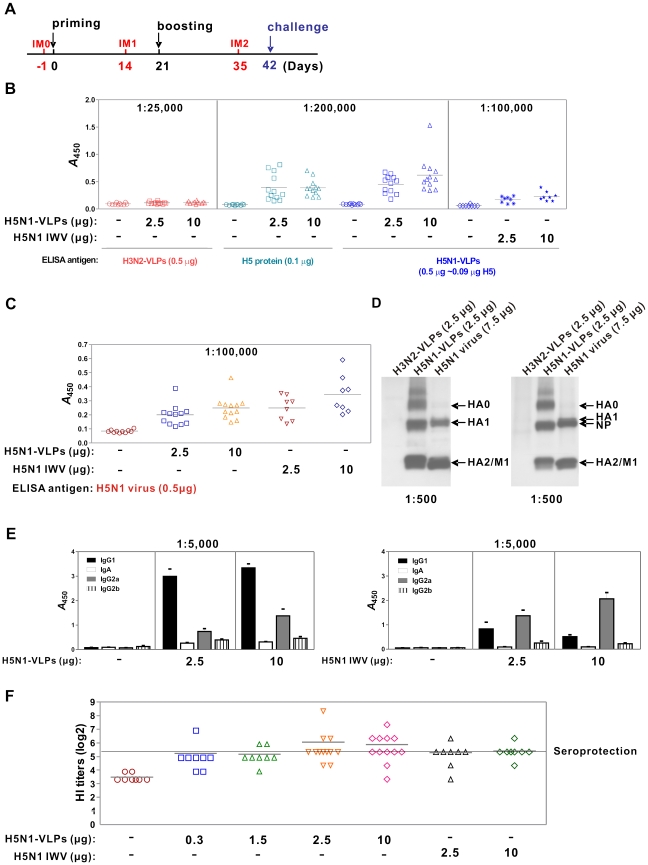
METHODOLOGY/PRINCIPAL FINDINGS: In this study, a mammalian VLP system was established by stable co-expression of four influenza structural proteins (HA, NA, M1, and M2) in a Vero cell line. By replacing the surface glycoproteins of HA and NA, we converted the H3N2-VLP subtype to H5N1-VLP. After centrifugation purification of conditioned media, the particle morphologies, average sizes, and hemagglutination abilities of secreted VLPs were characterized, and the VLP constituents were identified by LC/MS/MS. Protease protection assays demonstrated that specific cellular proteins that co-purified with influenza virions were integrated into mammalian VLPs. The glycosylation profiles of mammalian VLPs as revealed by deglycosylation assays were similar to that of progeny viruses produced from Vero cells. Vaccination of mice with 2.5 microg and above of H5N1-VLP elicited H5-specific IgG1 antibodies and resulted in full protection against lethal infection with homologous virus. These results provide compelling evidence that mammalian VLPs closely emulate the exterior of authentic virus particles not only in antigen presentation but also in biological properties and should provide promising vaccine candidates.
CONCLUSIONS/SIGNIFICANCE: This flexible mammalian influenza VLP system offers a superior alternative to the conventional reverse genetic vaccine platform without concerns over inadequate presentation of immune antigens or limitations imposed by the manipulation of real viruses.
甲型流感病毒是主要的人类和动物病原体,会导致疾病、住院和死亡,给经济和社会带来巨大影响。流感病毒样颗粒(VLPs)已被提议作为一种疫苗候选物,具有更高的安全性和有效性。为了进一步发展这一概念,我们建立了一个灵活的平台,能够高效地生成不同亚型的哺乳动物表达的流感 VLPs。在这里,我们证明这些哺乳动物 VLPs 在结构、颗粒大小和宿主因子组成,甚至病毒抗原的糖基化方面与真实病毒非常相似。
方法/主要发现:在这项研究中,通过在 Vero 细胞系中稳定共表达四种流感结构蛋白(HA、NA、M1 和 M2),建立了一种哺乳动物 VLP 系统。通过替换 HA 和 NA 的表面糖蛋白,我们将 H3N2-VLP 亚型转换为 H5N1-VLP。在离心纯化条件培养基后,对分泌 VLPs 的颗粒形态、平均大小和血凝能力进行了表征,并通过 LC/MS/MS 鉴定了 VLP 成分。蛋白酶保护实验表明,与流感病毒粒子共纯化的特定细胞蛋白被整合到哺乳动物 VLPs 中。通过去糖基化实验揭示的哺乳动物 VLPs 的糖基化谱与从 Vero 细胞中产生的亲代病毒相似。用 2.5 微克及以上剂量的 H5N1-VLP 对小鼠进行免疫接种,可诱导出 H5 特异性 IgG1 抗体,并能完全保护小鼠免受同源病毒的致死性感染。这些结果提供了令人信服的证据,表明哺乳动物 VLPs 不仅在抗原呈递方面,而且在生物特性方面,都非常类似于真实病毒颗粒的外部,应该为提供有前景的疫苗候选物。
结论/意义:这种灵活的哺乳动物流感 VLP 系统提供了优于传统反向遗传学疫苗平台的替代方案,无需担心免疫抗原的呈递不足或对真实病毒操作的限制。