Department of Microbiology & Immunology, New York Medical College, Valhalla, NY 10573, USA.
Future Microbiol. 2010 Apr;5(4):623-38. doi: 10.2217/fmb.10.28.
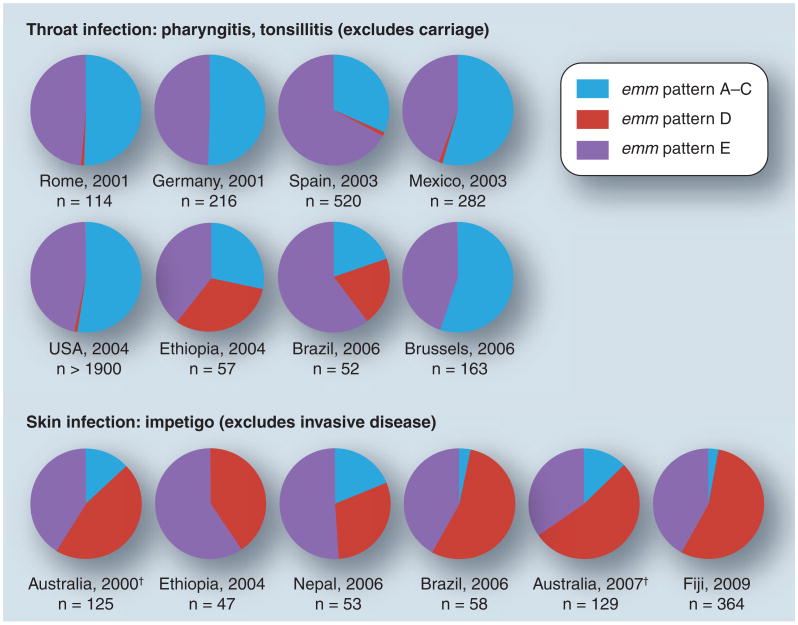
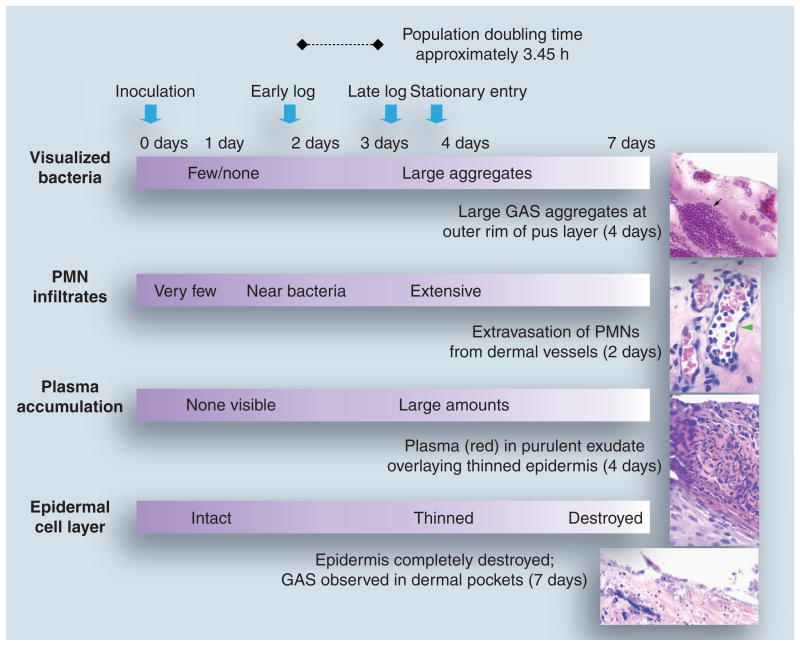
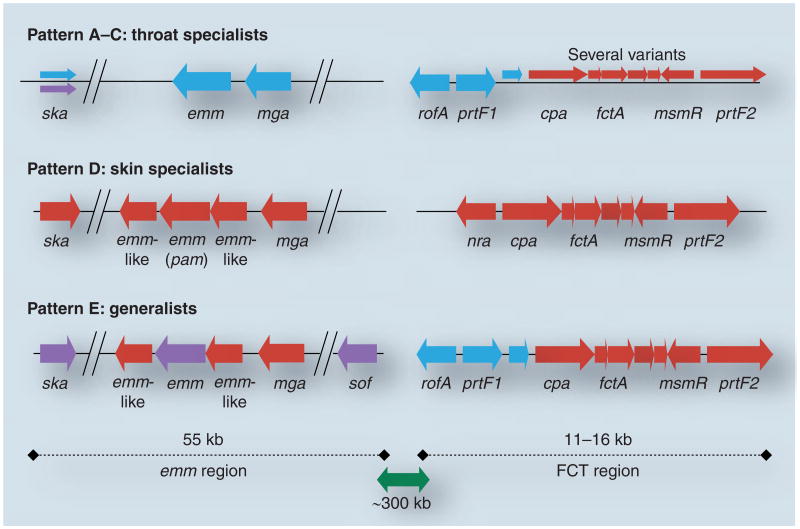
Group A Streptococcus (GAS) is a human-specific pathogen that is highly prevalent throughout the world. The vast majority of GAS infections lead to a mild disease involving the epithelial surfaces of either the throat or skin. The concept of distinct sets of 'throat' and 'skin' strains of GAS has long been conceived. From an ecological standpoint, the epithelium of the throat and skin are important because it is where the organism is most successful in reproducing and transmitting to new hosts. This article examines key features of the epidemiology, population biology and molecular pathogenesis that underlie the tissue site preferences for infection exhibited by GAS, with an emphasis on work from our laboratory on skin tropisms. Recombinational replacement with orthologous gene forms, following interspecies transfer, appears to be an important genetic step leading up to the exploitation of new niches by GAS.
A 组链球菌(GAS)是一种仅感染人类的病原体,在全球范围内广泛存在。绝大多数 GAS 感染导致轻度疾病,涉及咽喉或皮肤的上皮表面。长期以来,人们一直认为 GAS 存在着“咽喉”和“皮肤”菌株的不同集合。从生态学的角度来看,咽喉和皮肤的上皮组织非常重要,因为这是该生物体最成功繁殖和传播到新宿主的地方。本文探讨了 GAS 感染组织部位偏好的流行病学、群体生物学和分子发病机制的关键特征,重点介绍了我们实验室在皮肤嗜性方面的工作。种间转移后,与同源基因形式的重组替换似乎是 GAS 利用新生态位的一个重要遗传步骤。