Shivakumar H N, Desai B G, Deshmukh G
Department of Pharmaceutical Technology, K. L. E. S's College of Pharmacy, Rajajinagar 2 Block, Bangalore - 560 010, India.
Indian J Pharm Sci. 2008 Jan;70(1):22-30. doi: 10.4103/0250-474X.40327.
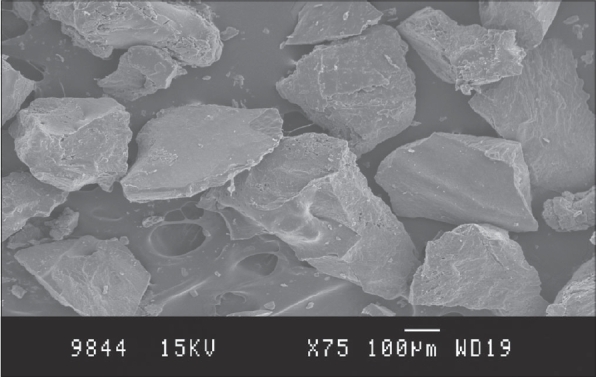
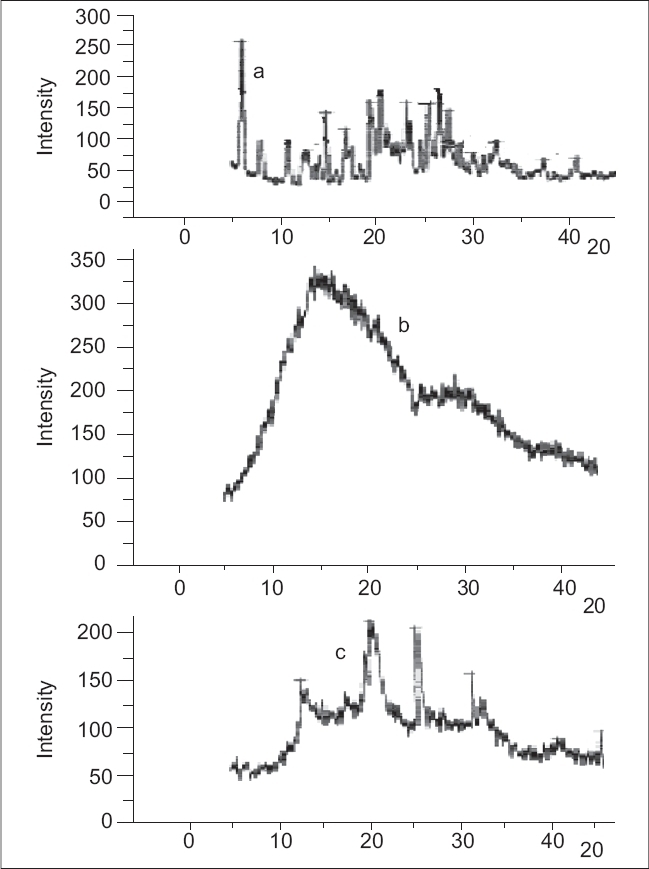
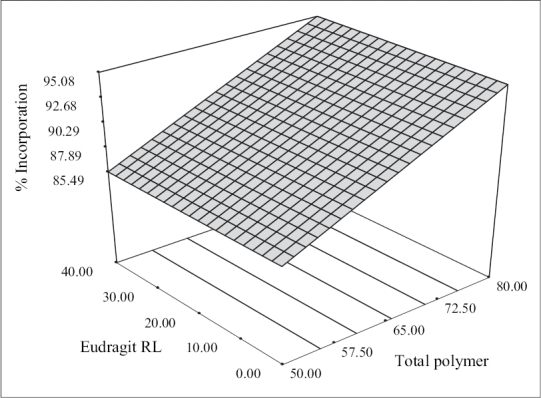
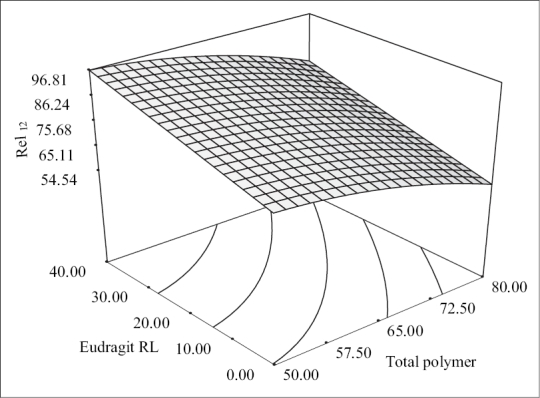
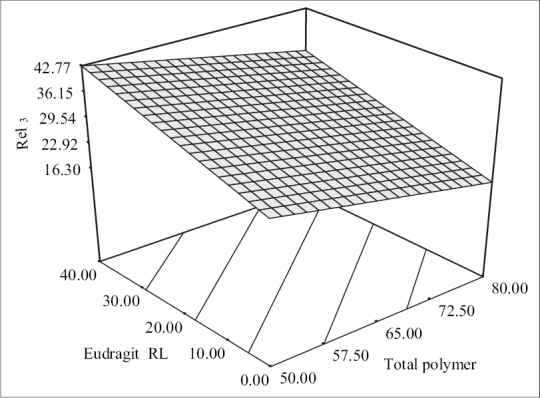
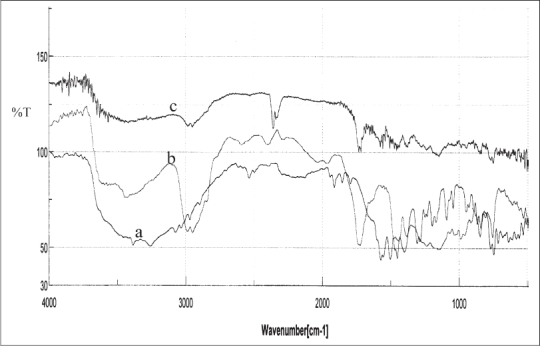
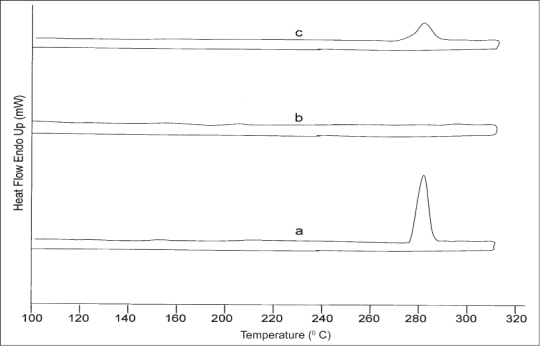
A 3(2) factorial design was employed to produce controlled release solid dispersions of diclofenac sodium in Eudragit RS and RL by coevaporation of their ethanol solution in a flash evaporator. The effect of critical formulation variables namely total polymer pay loads and levels of Eudragit RL on percent drug incorporation (% DI), drug release at the end of 12 hours (Rel(12)) and drug release at the end of 3 hours (Rel(3)) were analyzed using response surface methodology. The parameters were evaluated using the F test and mathematical models containing only the significant terms were generated for each parameter using multiple linear regression analysis and analysis of variance. Both the formulation variables studied exerted a significant influence (p < 0.05) on the drug release whereas the total polymer levels emerged as a lone factor significantly influencing the percent drug incorporation. Numerical optimization technique employing desirability approach was used to develop a new formulation by setting constraints on the dependent and independent variables. The experimental values of % DI, Rel(12) and Rel(3) for the optimized batch were found to be 95.22 +/- 1.13%, 74.52 +/- 3.16% and 29.37 +/- 1.26% respectively which were in close agreement with those predicted by the mathematical models. The Fourier transform infrared spectroscopy, Differential scanning calorimetry and Powder x-ray diffractometry confirmed that the drug was reduced to molecular or microcrystalline form in the hydrophobic polymeric matrices, which could be responsible for the controlled drug release from the solid dispersions. The drug release from the solid dispersions followed first order rate kinetics and was characterized by Higuchian diffusion model.
采用3(2)析因设计,通过在闪蒸器中共同蒸发双氯芬酸钠与尤特奇RS和RL的乙醇溶液,制备双氯芬酸钠控释固体分散体。使用响应面法分析关键处方变量,即聚合物总载药量和尤特奇RL水平对药物包封率(%DI)、12小时末药物释放量(Rel(12))和3小时末药物释放量(Rel(3))的影响。使用F检验评估参数,并通过多元线性回归分析和方差分析为每个参数生成仅包含显著项的数学模型。所研究的两个处方变量均对药物释放有显著影响(p < 0.05),而聚合物总水平是唯一显著影响药物包封率的因素。采用期望函数法的数值优化技术,通过对因变量和自变量设置约束来开发新处方。优化批次的%DI、Rel(12)和Rel(3)的实验值分别为95.22±1.13%、74.52±3.16%和29.37±1.26%,与数学模型预测值密切吻合。傅里叶变换红外光谱、差示扫描量热法和粉末X射线衍射法证实,药物在疏水性聚合物基质中呈分子或微晶形式,这可能是固体分散体实现药物控释的原因。固体分散体的药物释放遵循一级速率动力学,并以Higuchian扩散模型为特征。