Department of Chemistry, Massachusetts Institute of Technology, Cambridge, Massachusetts 02139, USA.
J Am Chem Soc. 2010 Jun 2;132(21):7429-35. doi: 10.1021/ja101495v.
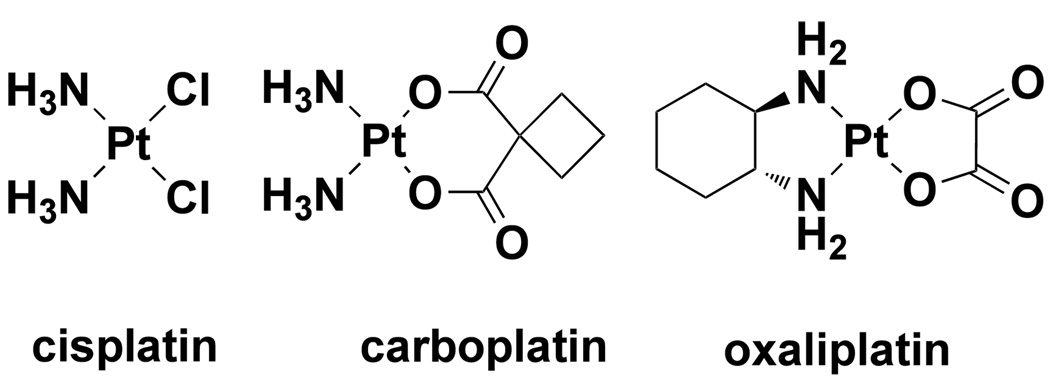
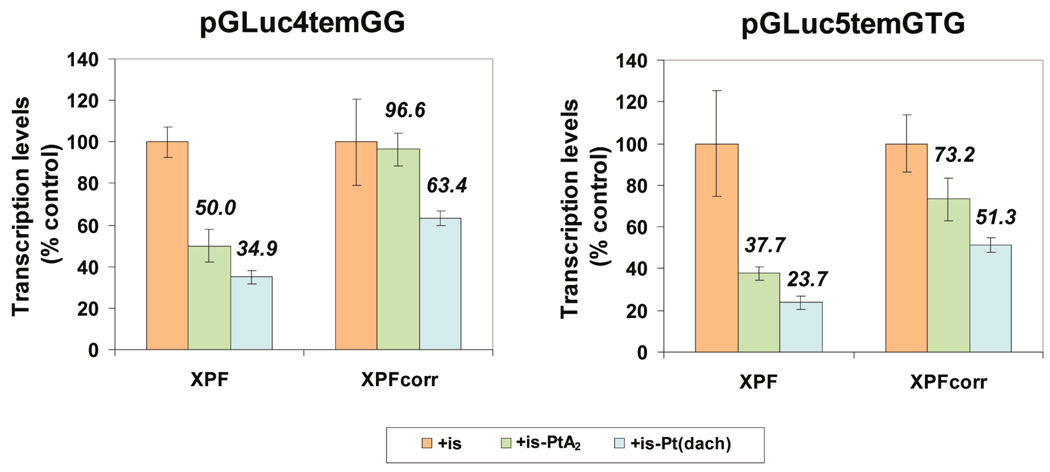
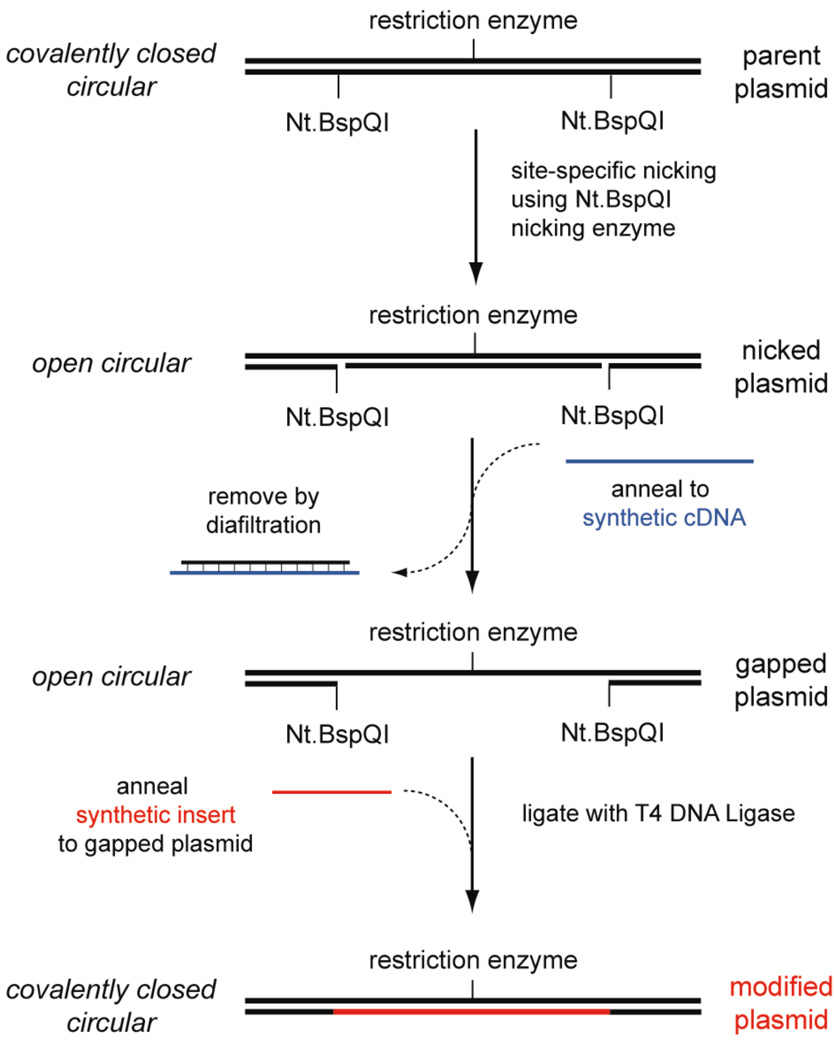
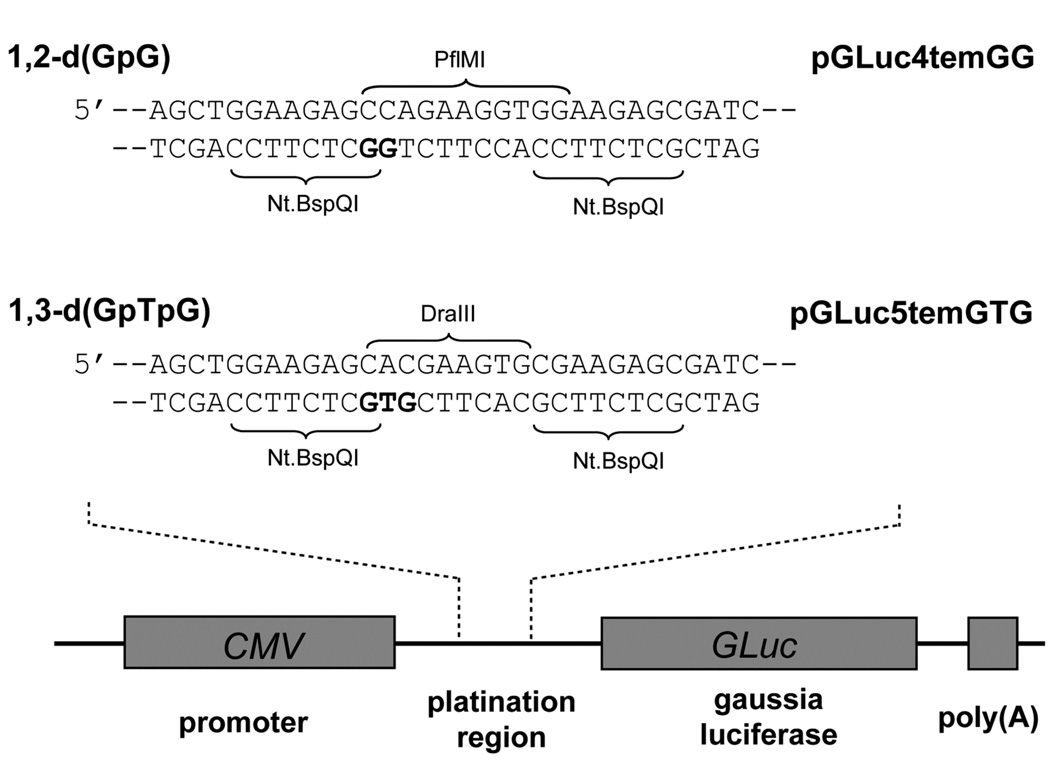
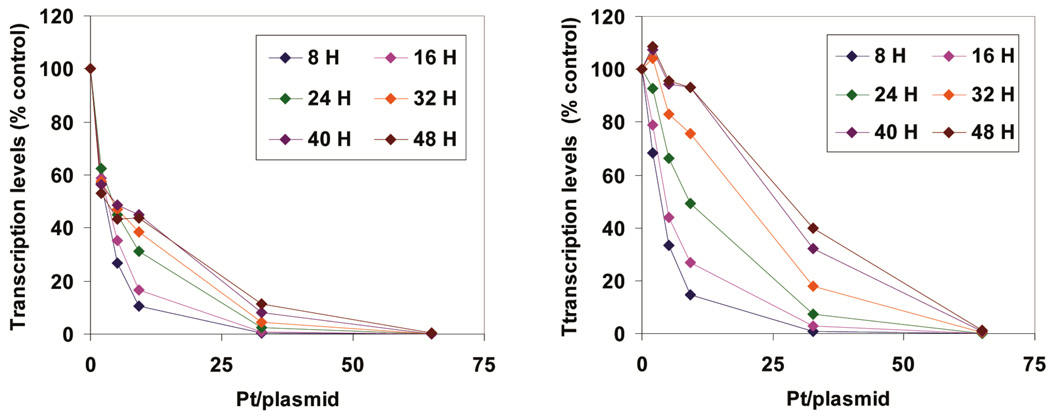
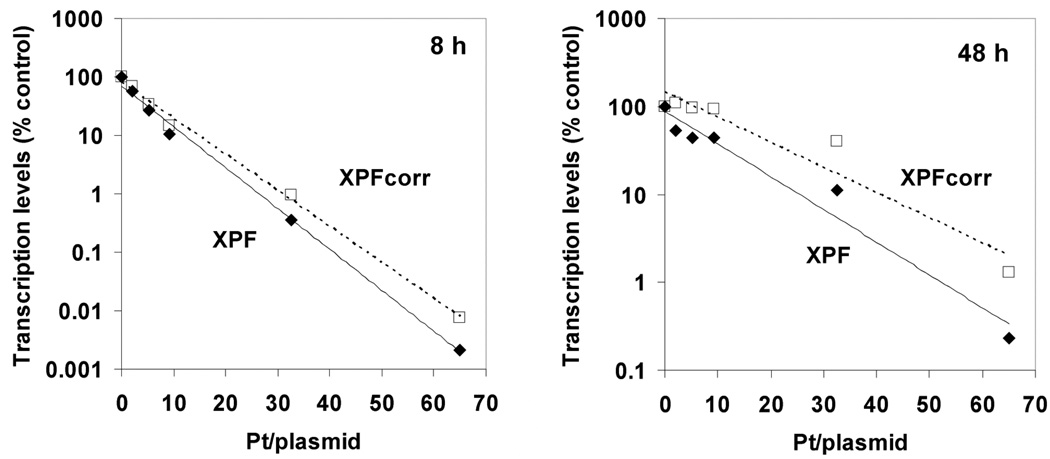
We have investigated the processing of site-specific Pt-DNA cross-links in live mammalian cells to enhance our understanding of the mechanism of action of platinum-based anticancer drugs. The activity of platinum drugs against cancer is mediated by a combination of processes including cell entry, drug activation, DNA-binding, and transcription inhibition. These drugs bind nuclear DNA to form Pt-DNA cross-links, which arrest key cellular functions, including transcription, and trigger a variety of responses, such as repair. Mechanistic investigations into the processing of specific Pt-DNA cross-links are critical for understanding the effects of platinum-DNA damage, but conventional in vitro techniques do not adequately account for the complex and intricate environment within a live cell. With this limitation in mind, we developed a strategy to study platinum cross-links on plasmid DNAs transfected into live mammalian cells based on luciferase reporter vectors containing defined platinum-DNA lesions that are either globally or site-specifically incorporated. Using cells with either competent or deficient nucleotide excision repair systems, we demonstrate that Pt-DNA cross-links impede transcription by blocking passage of the RNA polymerase complex and that nucleotide excision repair can remove the block and restore transcription. Results are presented for approximately 3800-base pair plasmids that are either globally platinated or carry a single 1,2-d(GpG) or 1,3-d(GpTpG) intrastrand cross-link formed by either cis-{Pt(NH(3))(2)}(2+) or cis-{Pt(R,R-dach)}(2+), where {Pt(NH(3))(2)}(2+) is the platinum unit conveyed by cisplatin and carboplatin and R,R-dach is the oxaliplatin ligand, R,R-1,2-diaminocyclohexane.
我们研究了活哺乳动物细胞中特定部位的铂-DNA 交联的处理,以增强我们对铂类抗癌药物作用机制的理解。铂类药物的抗癌活性是通过一系列过程的结合介导的,包括细胞进入、药物激活、DNA 结合和转录抑制。这些药物与核 DNA 结合形成铂-DNA 交联,从而阻止关键的细胞功能,包括转录,并引发各种反应,如修复。对特定铂-DNA 交联处理的机制研究对于理解铂-DNA 损伤的影响至关重要,但传统的体外技术不能充分考虑活细胞内复杂而复杂的环境。考虑到这一局限性,我们开发了一种基于含有定义的铂-DNA 损伤的荧光素酶报告载体的策略,研究转染到活哺乳动物细胞中的质粒 DNA 上的铂交联,这些载体要么是全局的,要么是特异性的。利用具有或不具有核苷酸切除修复系统的细胞,我们证明铂-DNA 交联通过阻止 RNA 聚合酶复合物的通过来阻碍转录,并且核苷酸切除修复可以去除阻塞并恢复转录。结果显示,对于大约 3800 个碱基对的质粒,要么是全局铂化的,要么是携带单个 1,2-d(GpG)或 1,3-d(GpTpG) 顺式-Pt(NH(3))(2) 或顺式-Pt(R,R-dach) 形成的链内交联,其中Pt(NH(3))(2) 是顺铂和卡铂传递的铂单元,而 R,R-dach 是奥沙利铂的配体,R,R-1,2-二氨基环己烷。