Institute of Biochemistry and Department of Biology, Carleton University, 1125 Colonel By Drive, Ottawa, ON, K1S 5B6, Canada.
Curr Genomics. 2009 Dec;10(8):573-84. doi: 10.2174/138920209789503905.
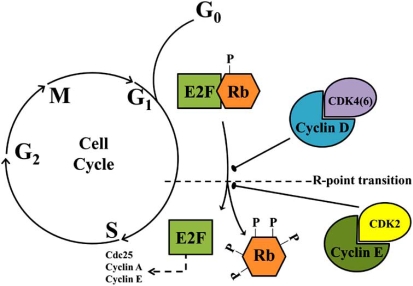
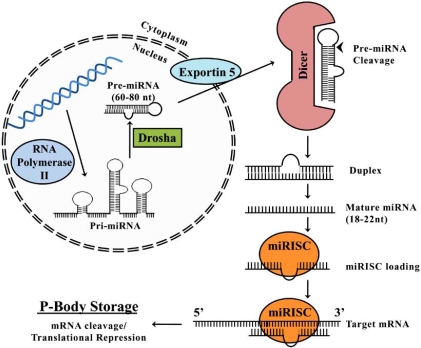
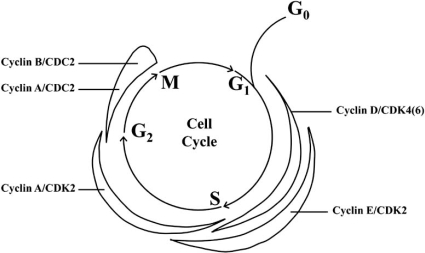
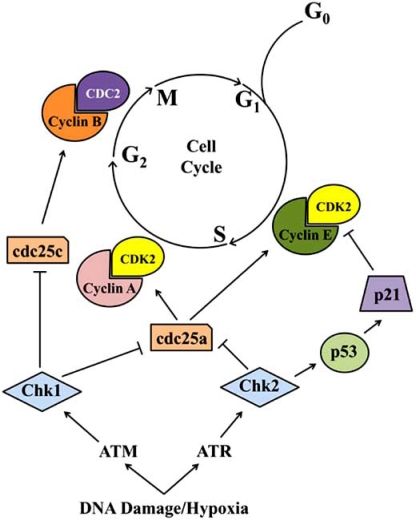
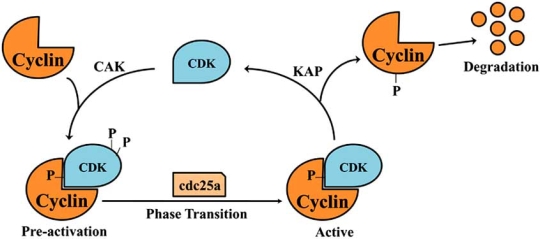
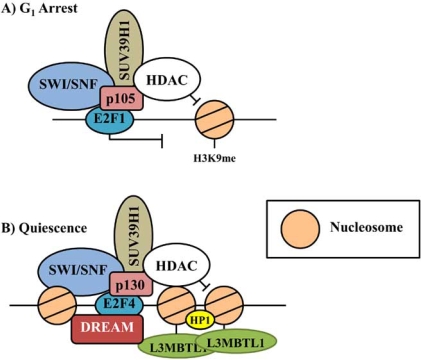
The ability of an animal, normally dependent on aerobic respiration, to suspend breathing and enter an anoxic state for long term survival is clearly a fascinating feat, and has been the focus of numerous biochemical studies. When anoxia tolerant turtles are faced with periods of oxygen deprivation, numerous physiological and biochemical alterations take place in order to facilitate vital reductions in ATP consumption. Such strategies include reversible post-translational modifications as well as the implementation of translation and transcription controls facilitating metabolic depression. Although it is clear that anoxic survival relies on the suppression of ATP consuming processes, the state of the cell cycle in anoxia tolerant vertebrates remain elusive. Several anoxia tolerant invertebrate and embryonic vertebrate models display cell cycle arrest when presented with anoxic stress. Despite this, the cell cycle has not yet been characterized for anoxia tolerant turtles. Understanding how vertebrates respond to anoxia can have important clinical implications. Uncontrollable cellular proliferation and hypoxic tumor progression are inescapably linked in vertebrate tissues. Consequentially, the molecular mechanisms controlling these processes have profound clinical consequences. This review article will discuss the theory of cell cycle arrest in anoxic vertebrates and more specifically, the control of the retinoblastoma pathway, the molecular markers of cell cycle arrest, the activation of checkpoint kinases, and the possibility of translational controls implemented by microRNAs.
动物通常依赖有氧呼吸,但具有暂停呼吸并进入缺氧状态以实现长期生存的能力,这显然是一项令人着迷的壮举,也是众多生化研究的焦点。当耐缺氧海龟面临缺氧期时,为了促进 ATP 消耗的重要减少,会发生许多生理和生化变化。这些策略包括可逆的翻译后修饰以及实施翻译和转录控制,以促进代谢抑制。虽然很明显,缺氧生存依赖于对消耗 ATP 的过程的抑制,但耐缺氧脊椎动物的细胞周期状态仍然难以捉摸。一些耐缺氧的无脊椎动物和胚胎脊椎动物模型在受到缺氧应激时会出现细胞周期停滞。尽管如此,耐缺氧海龟的细胞周期尚未被描述。了解脊椎动物对缺氧的反应具有重要的临床意义。在脊椎动物组织中,不可控制的细胞增殖和缺氧肿瘤进展是不可避免地联系在一起的。因此,控制这些过程的分子机制具有深远的临床意义。本文将讨论缺氧脊椎动物细胞周期停滞的理论,特别是视网膜母细胞瘤途径的控制、细胞周期停滞的分子标记物、检查点激酶的激活以及翻译控制的可能性通过 microRNAs 实现。