Department of Neurobiology, Stanford School of Medicine, Stanford, California, USA.
Nat Neurosci. 2010 Jul;13(7):889-95. doi: 10.1038/nn.2573. Epub 2010 Jun 6.
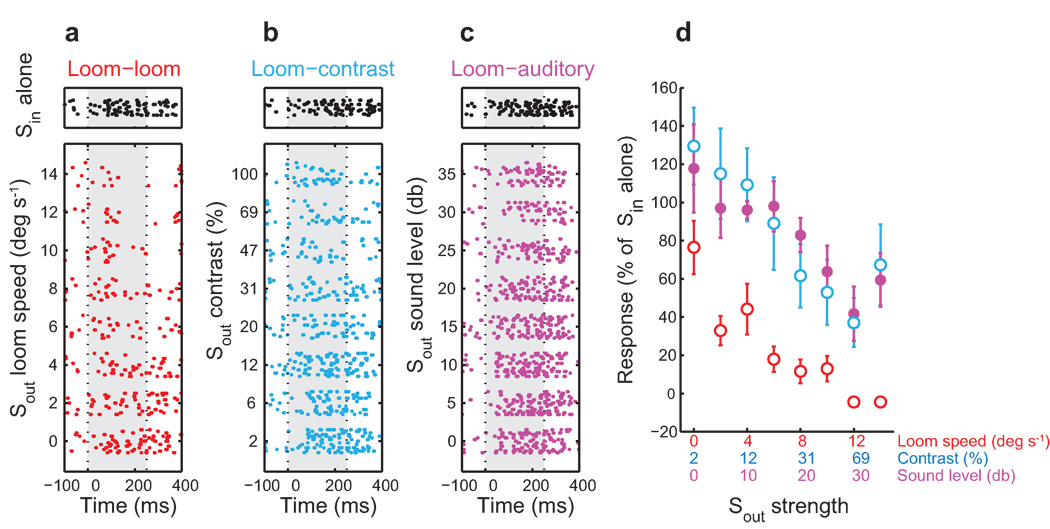
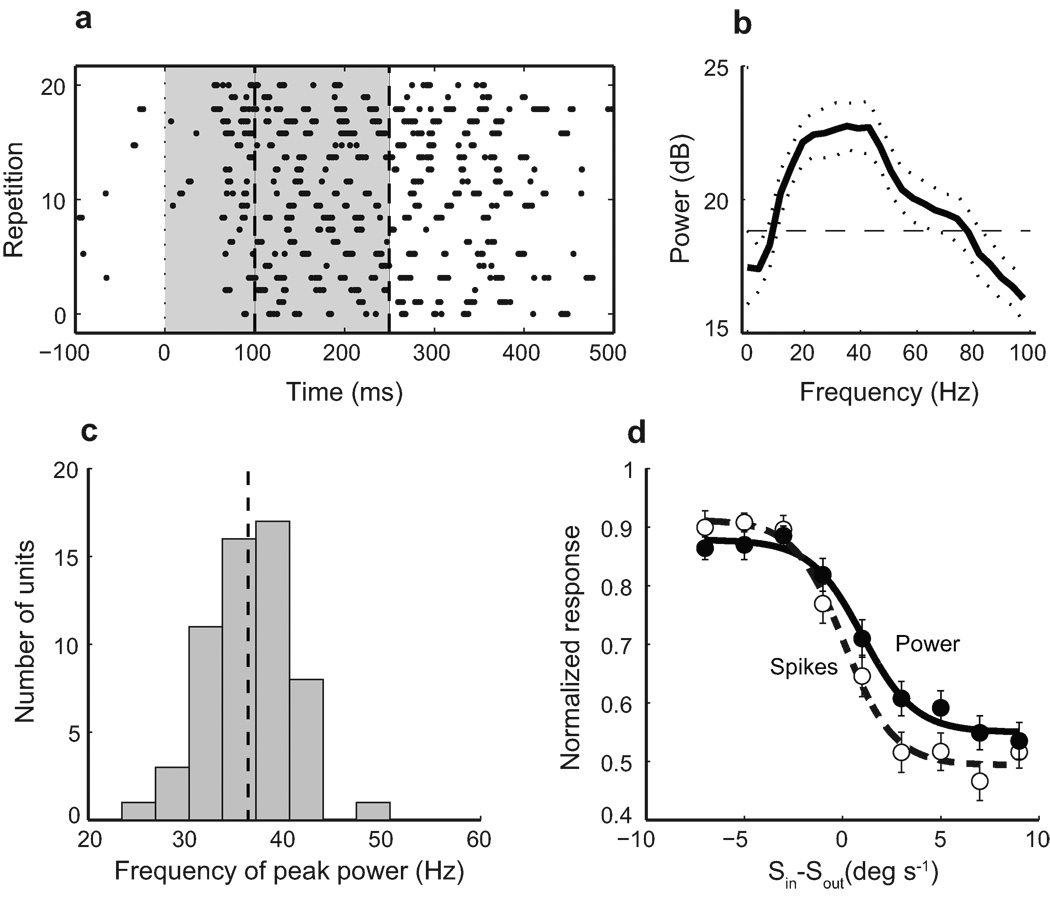
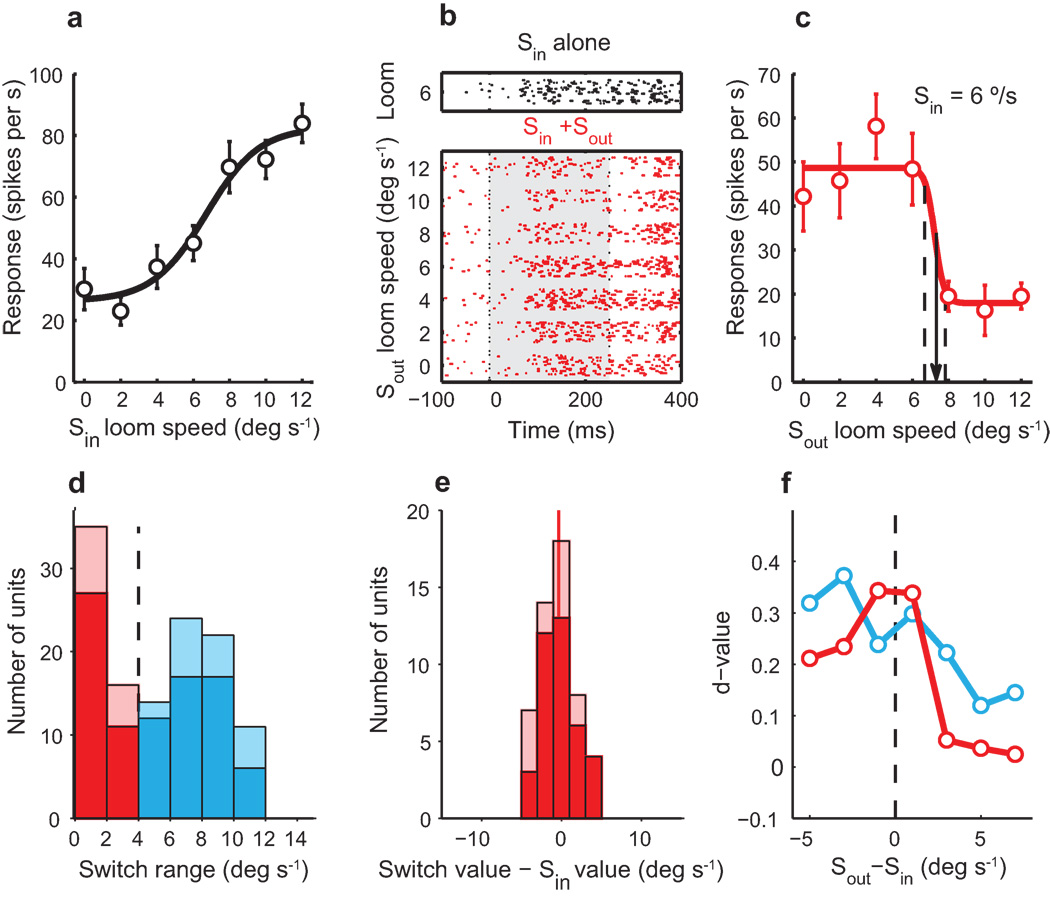
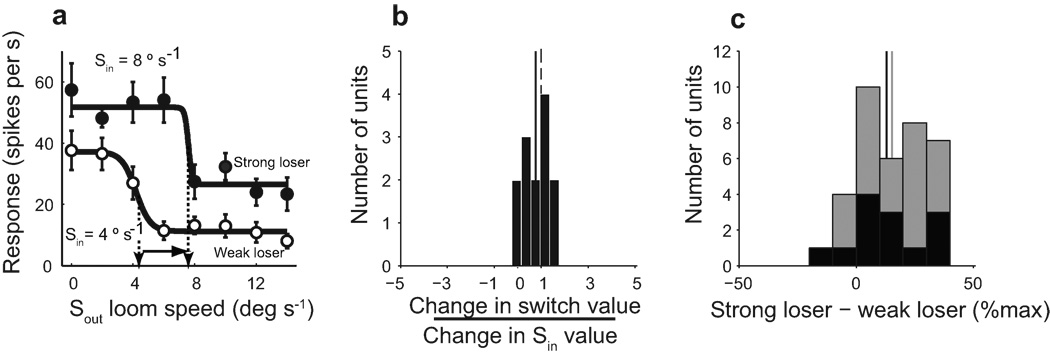
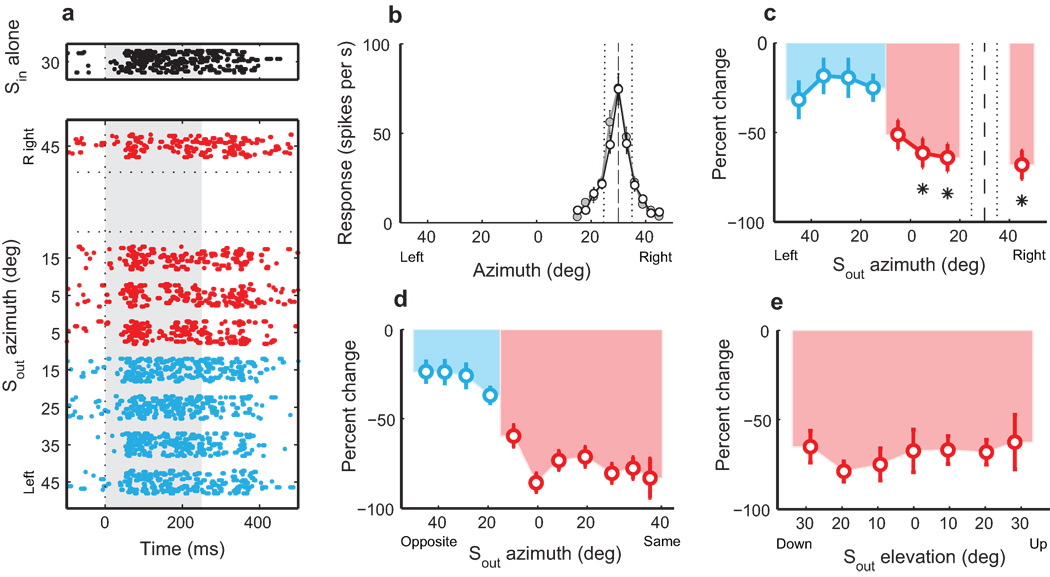
The mechanisms by which the brain selects a particular stimulus as the next target for gaze are poorly understood. A cholinergic nucleus in the owl's midbrain exhibits functional properties that suggest its role in bottom-up stimulus selection. Neurons in the nucleus isthmi pars parvocellularis (Ipc) responded to wide ranges of visual and auditory features, but they were not tuned to particular values of those features. Instead, they encoded the relative strengths of stimuli across the entirety of space. Many neurons exhibited switch-like properties, abruptly increasing their responses to a stimulus in their receptive field when it became the strongest stimulus. This information propagates directly to the optic tectum, a structure involved in gaze control and stimulus selection, as periodic (25-50 Hz) bursts of cholinergic activity. The functional properties of Ipc neurons resembled those of a salience map, a core component in computational models for spatial attention and gaze control.
大脑选择特定刺激作为下一个注视目标的机制尚未被充分理解。猫头鹰中脑的一个胆碱能核团表现出的功能特性表明其在自下而上的刺激选择中发挥作用。丘脑中缝核 pars parvocellularis (Ipc)的神经元对广泛的视觉和听觉特征做出反应,但它们不是针对这些特征的特定值进行调谐。相反,它们编码了整个空间中刺激的相对强度。许多神经元表现出开关样的特性,当它们的感受野中的刺激成为最强刺激时,它们的反应会突然增加。这种信息作为周期性(25-50 Hz)的胆碱能活动爆发,直接传播到与眼球控制和刺激选择相关的视顶盖,即一个结构。Ipc 神经元的功能特性类似于突显图,突显图是空间注意力和眼球控制计算模型的核心组成部分。