Departamento de Biología Celular, Centro de Investigación y de Estudios Avanzados del IPN, México DF, México.
PLoS Negl Trop Dis. 2010 Jun 1;4(6):e697. doi: 10.1371/journal.pntd.0000697.
Giardia passes through two stages during its life cycle, the trophozoite and the cyst. Cyst formation involves the synthesis of cyst wall proteins (CWPs) and the transport of CWPs into encystation-specific vesicles (ESVs). Active vesicular trafficking is essential for encystation, but the molecular machinery driving vesicular trafficking remains unknown. The Rab proteins are involved in the targeting of vesicles to several intracellular compartments through their association with cytoskeletal motor proteins.
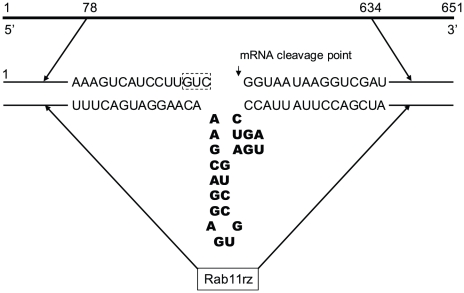
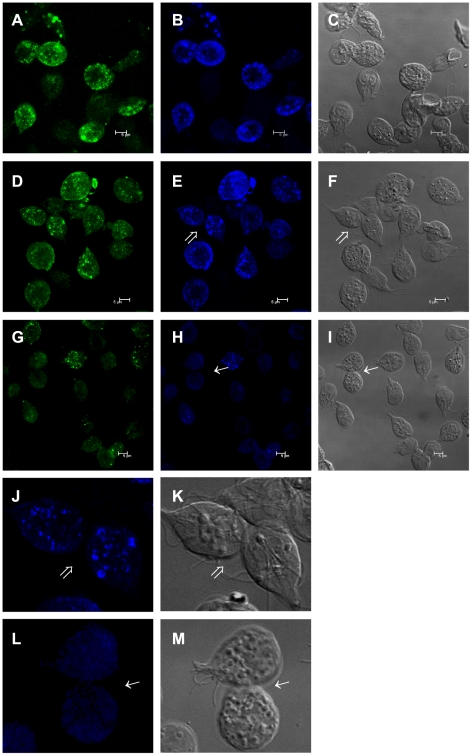
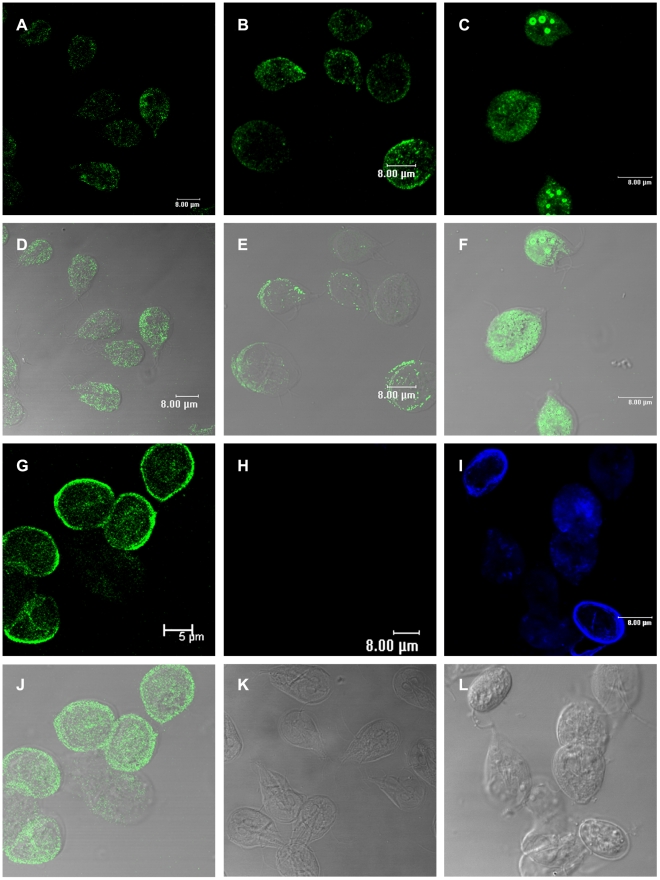
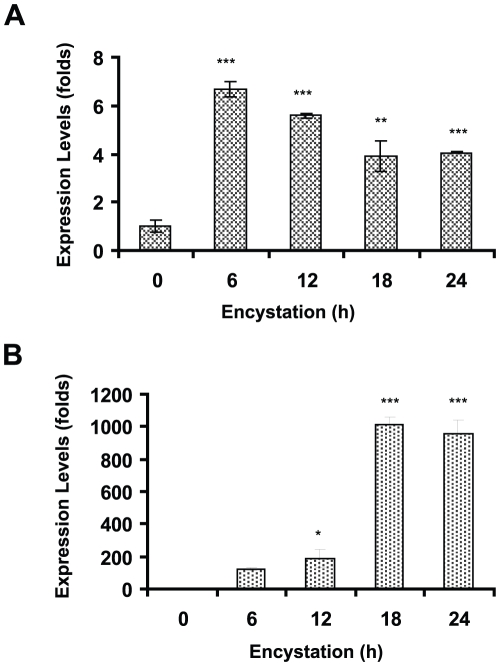
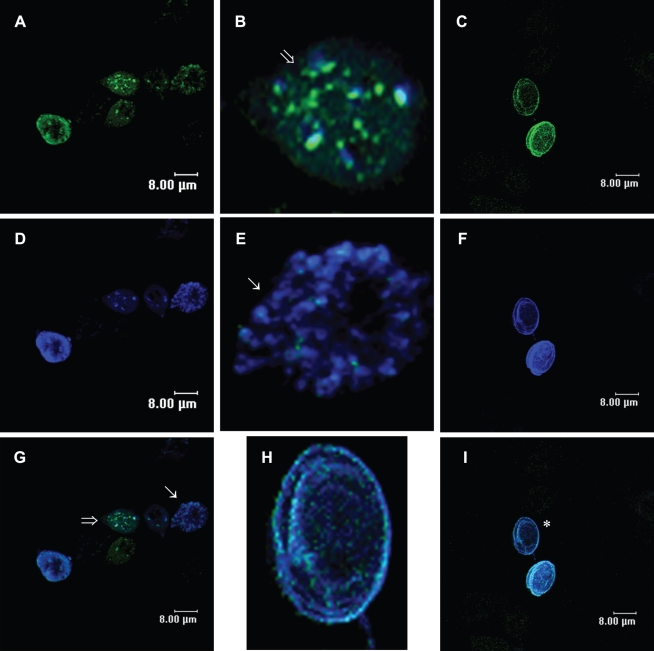
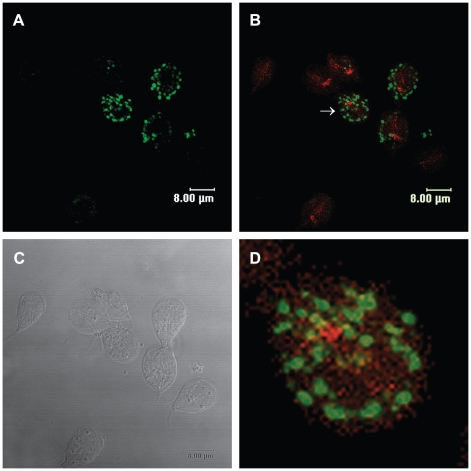
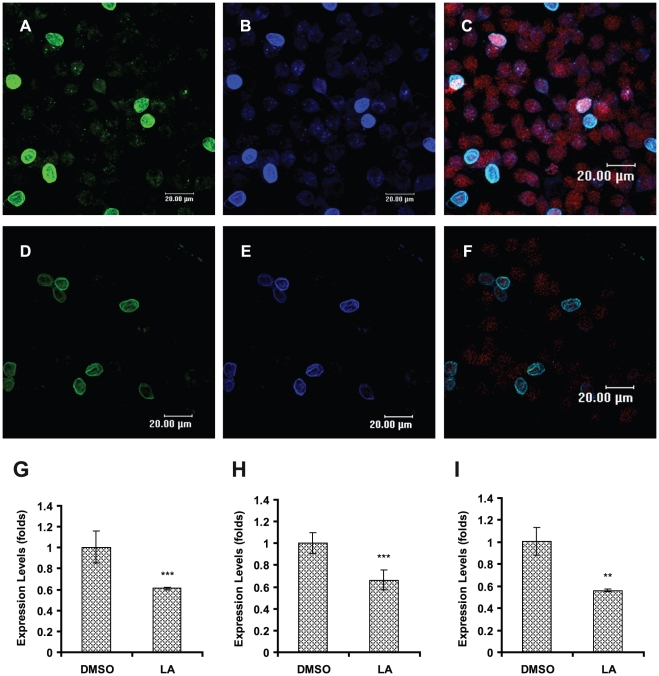
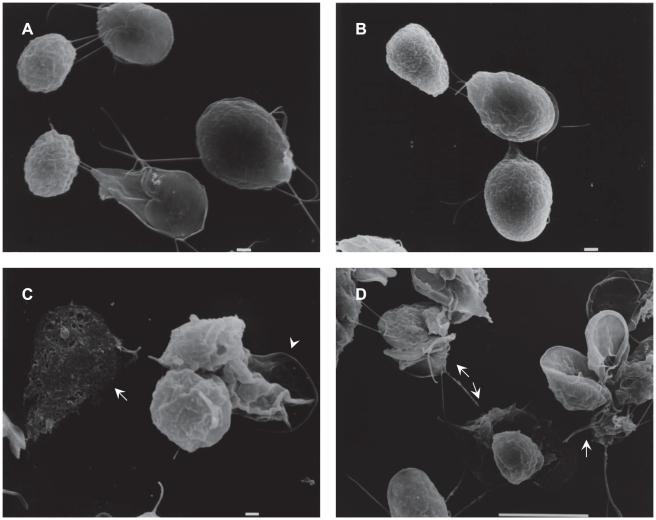
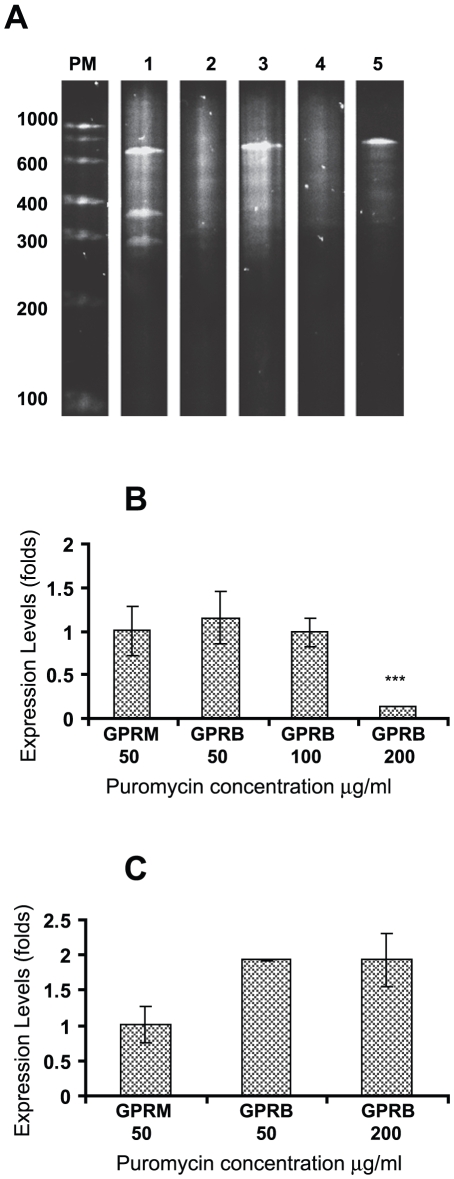
In this study, we found a relationship between Rab11 and the actin cytoskeleton in CWP1 transport. Confocal microscopy showed Rab11 was distributed throughout the entire trophozoite, while in cysts it was translocated to the periphery of the cell, where it colocalized with ESVs and microfilaments. Encystation was also accompanied by changes in rab11 mRNA expression. To evaluate the role of microfilaments in encystation, the cells were treated with latrunculin A. Scanning electron microscopy showed this treatment resulted in morphological damages to encysted parasites. The intensity of fluorescence-labeled Rab11 and CWP1 in ESVs and cyst walls was reduced, and rab11 and cwp1 mRNA levels were down-regulated. Furthermore, knocking down Rab11 with a hammerhead ribozyme resulted in an up to 80% down-regulation of rab11 mRNA. Although this knockdown did not appear lethal for trophozoites and did not affect cwp1 expression during the encystation, confocal images showed CWP1 was redistributed throughout the cytosol.
Our results indicate that Rab11 participates in the early and late encystation stages by regulating CWP1 localization and the actin-mediated transport of ESVs towards the periphery. In addition, alterations in the dynamics of actin affected rab11 and cwp1 expression. Our results provide new information about the molecules involved in Giardia encystation and suggest that Rab11 and actin may be useful as novel pharmacological targets.
贾第虫在其生命周期中经历两个阶段,滋养体和囊包。囊包形成涉及囊壁蛋白(CWP)的合成和将 CWP 运输到囊包特异性囊泡(ESV)中。活跃的囊泡运输对于囊包形成至关重要,但驱动囊泡运输的分子机制尚不清楚。Rab 蛋白通过与细胞骨架马达蛋白的结合,参与将囊泡靶向到几个细胞内隔室。
在这项研究中,我们发现 Rab11 与 CWP1 运输中的肌动蛋白细胞骨架之间存在关系。共聚焦显微镜显示,Rab11 分布在整个滋养体中,而在囊包中,它被转运到细胞外周,在那里与 ESV 和微丝共定位。囊包形成也伴随着 rab11 mRNA 表达的变化。为了评估微丝在囊包形成中的作用,用拉曲库林 A 处理细胞。扫描电子显微镜显示,这种处理导致囊包虫形态损伤。ESV 和囊包壁中荧光标记的 Rab11 和 CWP1 的强度降低,rab11 和 cwp1 mRNA 水平下调。此外,用锤头核酶敲低 Rab11 导致 rab11 mRNA 下调高达 80%。虽然这种敲低对滋养体似乎不是致命的,并且不影响囊包形成过程中的 cwp1 表达,但共聚焦图像显示 CWP1 重新分布到整个细胞质中。
我们的结果表明,Rab11 通过调节 CWP1 定位和 ESV 的肌动蛋白介导运输到外周,参与早期和晚期囊包形成阶段。此外,肌动蛋白动力学的改变影响 rab11 和 cwp1 的表达。我们的结果提供了有关参与贾第虫囊包形成的分子的新信息,并表明 Rab11 和肌动蛋白可能是作为新的药理学靶标有用。