Pain Management Research Institute, Kolling Institute of Medical Research, University of Sydney at Royal North Shore Hospital, St Leonards NSW 2065, Australia.
J Comp Neurol. 2010 Aug 1;518(15):3024-45. doi: 10.1002/cne.22378.
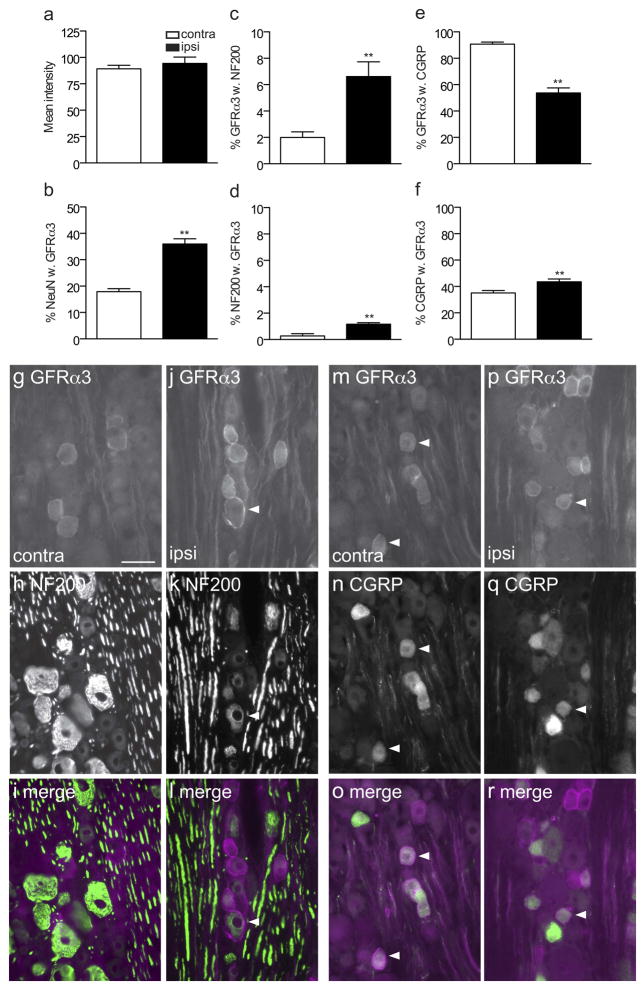
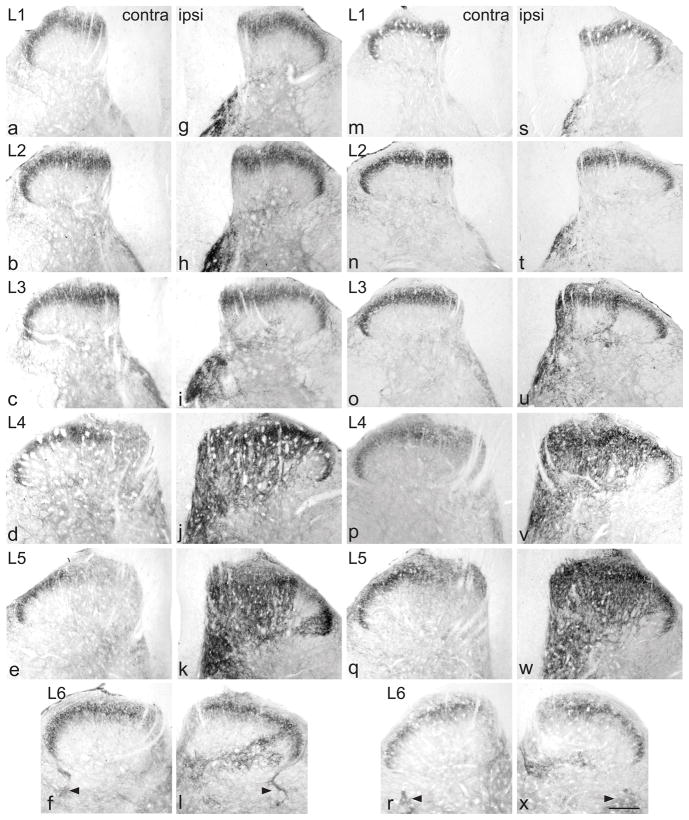
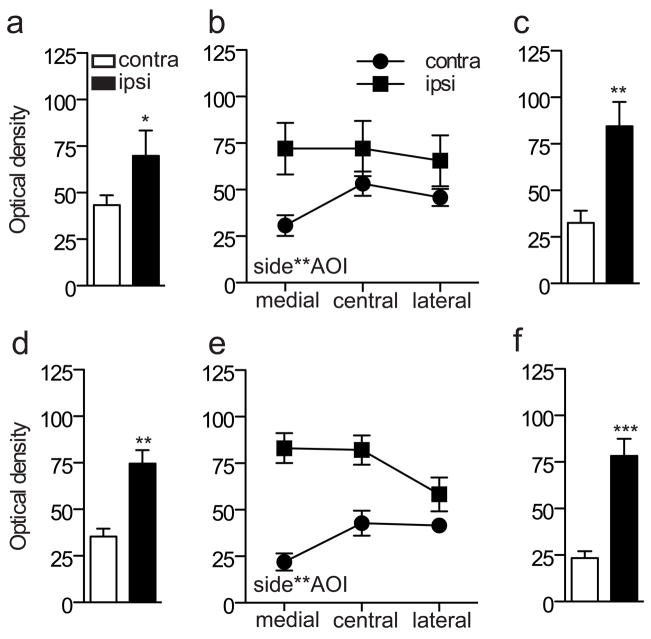
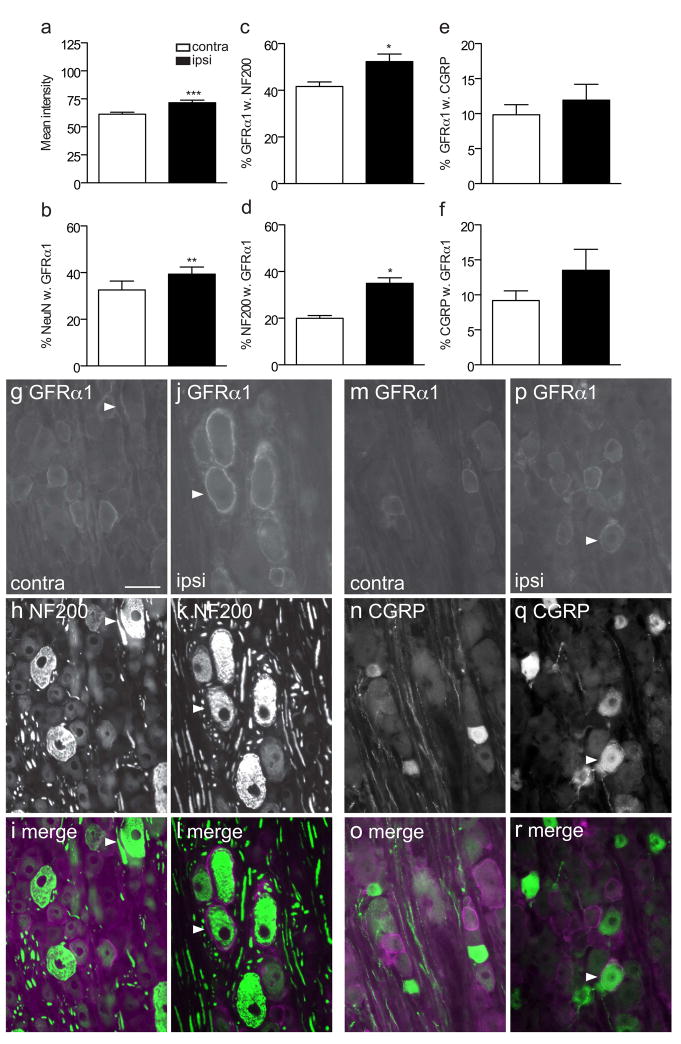
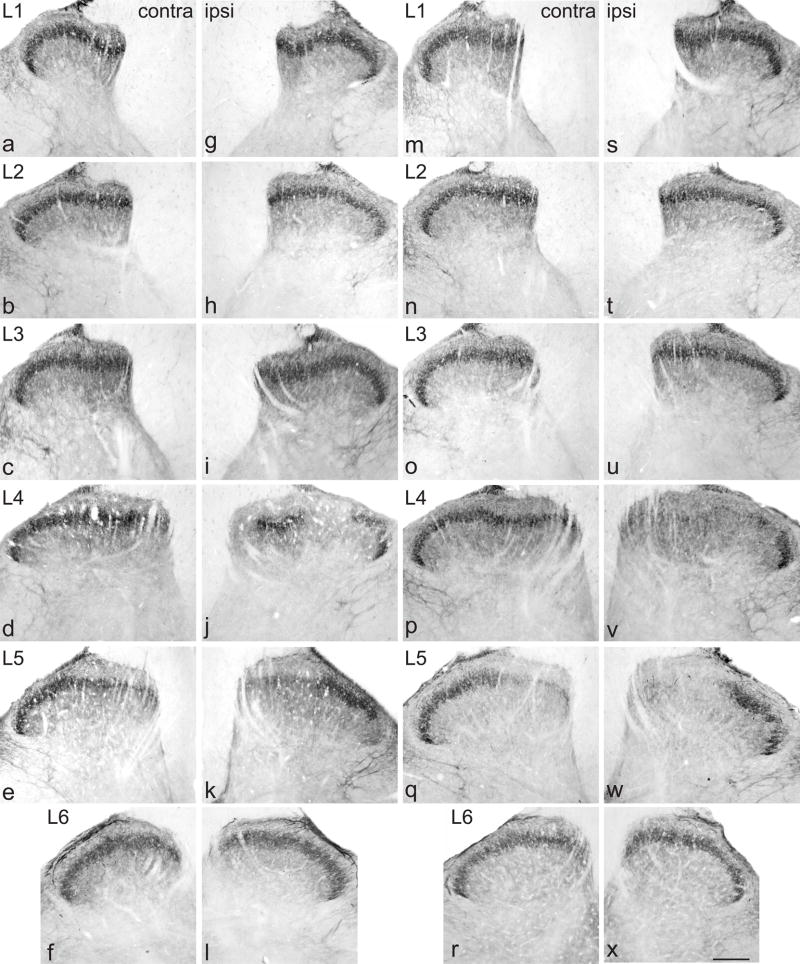
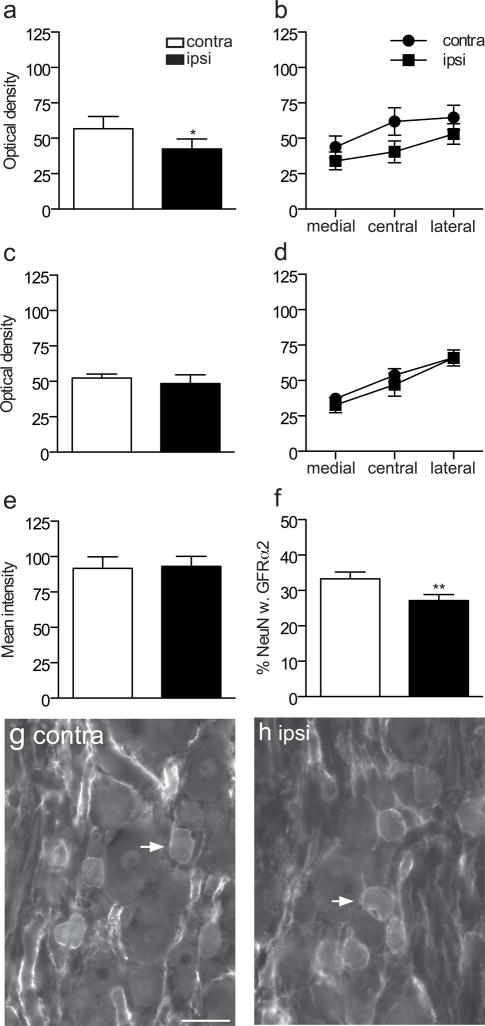
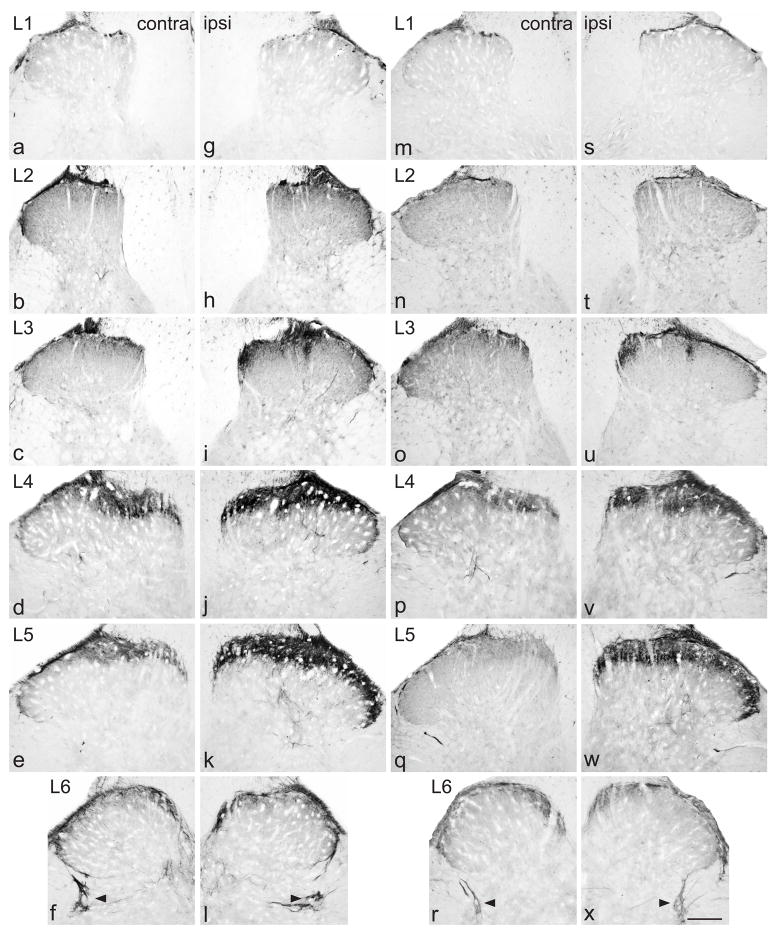
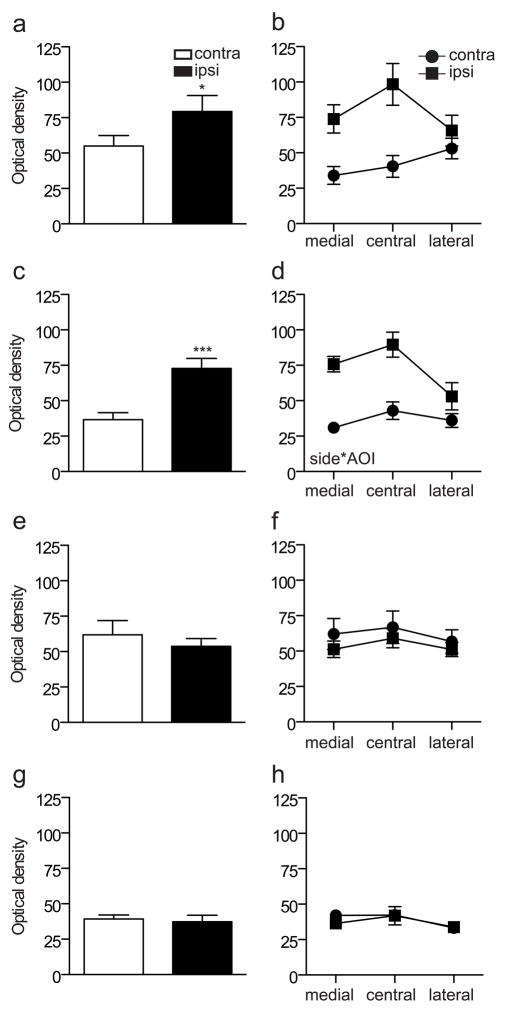
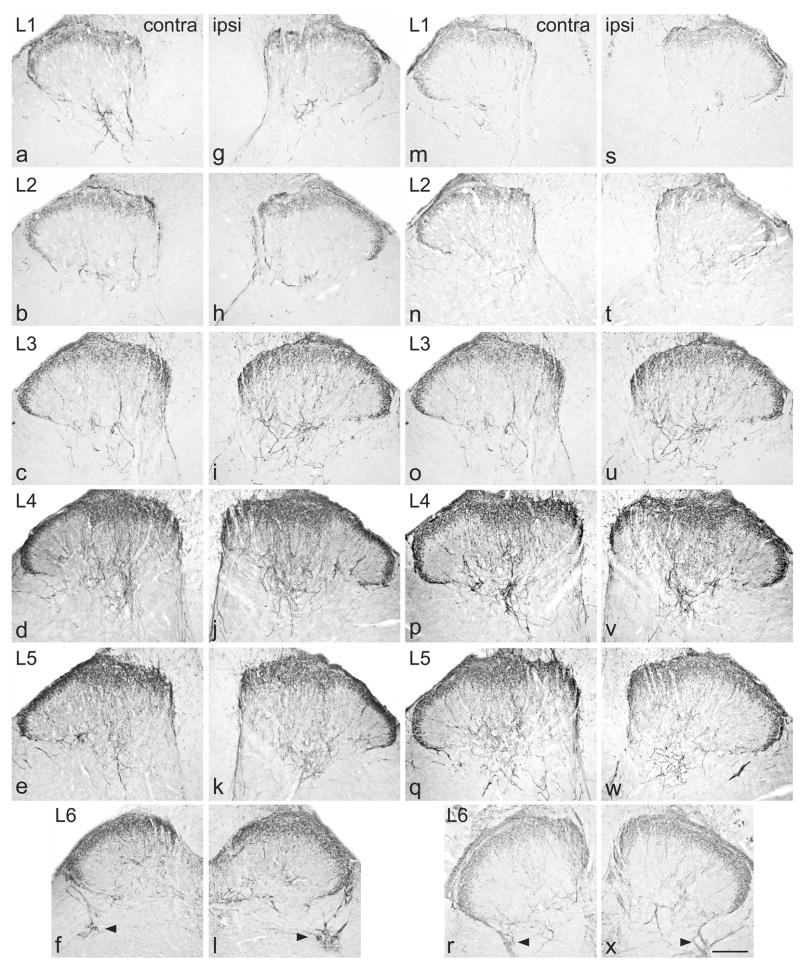
Most small unmyelinated neurons in adult rat dorsal root ganglia (DRG) express one or more of the coreceptors targeted by glial cell line-derived neurotrophic factor (GDNF), neurturin, and artemin (GFRalpha1, GFRalpha2, and GFRalpha3, respectively). The function of these GDNF family ligands (GFLs) is not fully elucidated but recent evidence suggests GFLs could function in sensory neuron regeneration after nerve injury and peripheral nociceptor sensitization. In this study we used immunohistochemistry to determine if the DRG neurons targeted by each GFL change after sciatic nerve injury. We compared complete sciatic nerve transection and the chronic constriction model and found that the pattern of changes incurred by each injury was broadly similar. In lumbar spinal cord there was a widespread increase in neuronal GFRalpha1 immunoreactivity (IR) in the L1-6 dorsal horn. GFRalpha3-IR also increased but in a more restricted area. In contrast, GFRalpha2-IR decreased in patches of superficial dorsal horn and this loss was more extensive after transection injury. No change in calcitonin gene-related peptide-IR was detected after either injury. Analysis of double-immunolabeled L5 DRG sections suggested the main effect of injury on GFRalpha1- and GFRalpha3-IR was to increase expression in both myelinated and unmyelinated neurons. In contrast, no change in basal expression of GFRalpha2-IR was detected in DRG by analysis of fluorescence intensity and there was a small but significant reduction in GFRalpha2-IR neurons. Our results suggest that the DRG neuronal populations targeted by GDNF, neurturin, or artemin and the effect of exogenous GFLs could change significantly after a peripheral nerve injury.
成年大鼠背根神经节(DRG)中的大多数小无髓神经纤维神经元表达一种或多种胶质细胞系衍生神经营养因子(GDNF)、神经生长因子(neurturin)和 artemin 的核心受体(分别为 GFRalpha1、GFRalpha2 和 GFRalpha3)。这些 GDNF 家族配体(GFL)的功能尚未完全阐明,但最近的证据表明,GFL 可能在神经损伤后的感觉神经元再生和外周伤害感受器敏化中发挥作用。在这项研究中,我们使用免疫组织化学方法来确定每种 GFL 靶向的 DRG 神经元在坐骨神经损伤后是否发生变化。我们比较了完全坐骨神经横断和慢性缩窄模型,发现每种损伤引起的变化模式大致相似。在腰椎脊髓中,L1-6 背角中的神经元 GFRalpha1 免疫反应性(IR)广泛增加。GFRalpha3-IR 也增加,但在更局限的区域。相比之下,GFRalpha2-IR 在浅层背角的斑块中减少,横断损伤后这种减少更为广泛。两种损伤后均未检测到降钙素基因相关肽-IR 的变化。对 L5 DRG 切片的双重免疫标记分析表明,损伤对 GFRalpha1 和 GFRalpha3-IR 的主要影响是增加有髓和无髓神经元的表达。相比之下,通过荧光强度分析,在 DRG 中未检测到 GFRalpha2-IR 基础表达的变化,并且 GFRalpha2-IR 神经元的数量略有减少但具有统计学意义。我们的结果表明,在周围神经损伤后,GDNF、neurturin 或 artemin 靶向的 DRG 神经元群体及其外源性 GFL 的作用可能会发生显著变化。