Dept, Biochemistry and Molecular Biology I, School of Biology, Complutense University, Madrid, Spain.
Mol Cancer. 2010 Jul 22;9:196. doi: 10.1186/1476-4598-9-196.
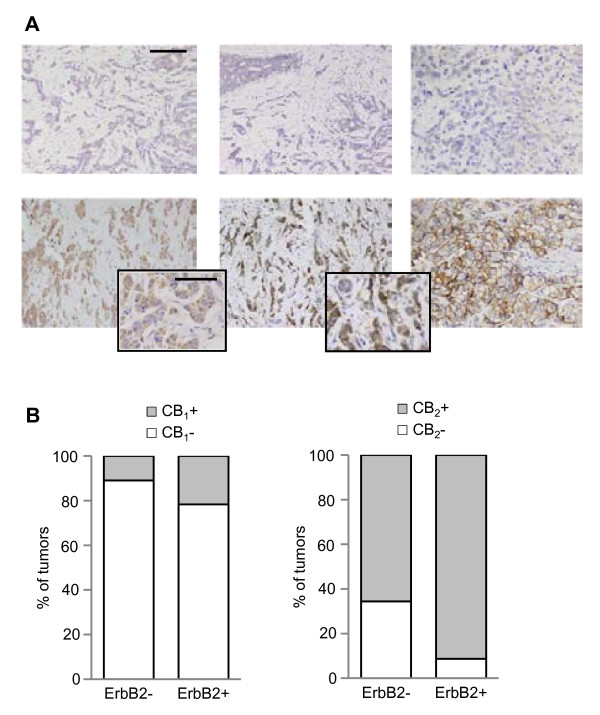
ErbB2-positive breast cancer is characterized by highly aggressive phenotypes and reduced responsiveness to standard therapies. Although specific ErbB2-targeted therapies have been designed, only a small percentage of patients respond to these treatments and most of them eventually relapse. The existence of this population of particularly aggressive and non-responding or relapsing patients urges the search for novel therapies. The purpose of this study was to determine whether cannabinoids might constitute a new therapeutic tool for the treatment of ErbB2-positive breast tumors. We analyzed their antitumor potential in a well established and clinically relevant model of ErbB2-driven metastatic breast cancer: the MMTV-neu mouse. We also analyzed the expression of cannabinoid targets in a series of 87 human breast tumors.
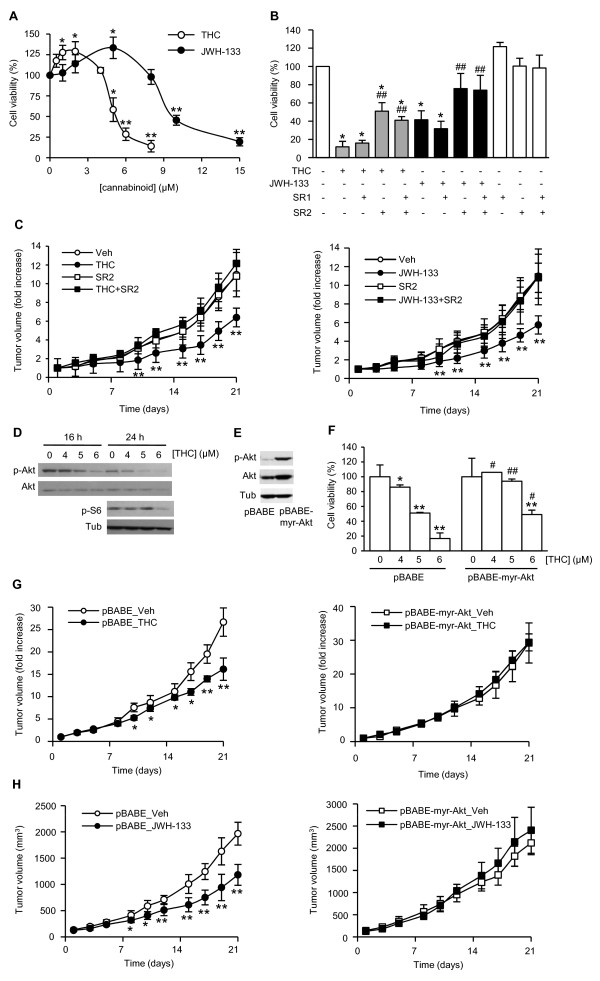
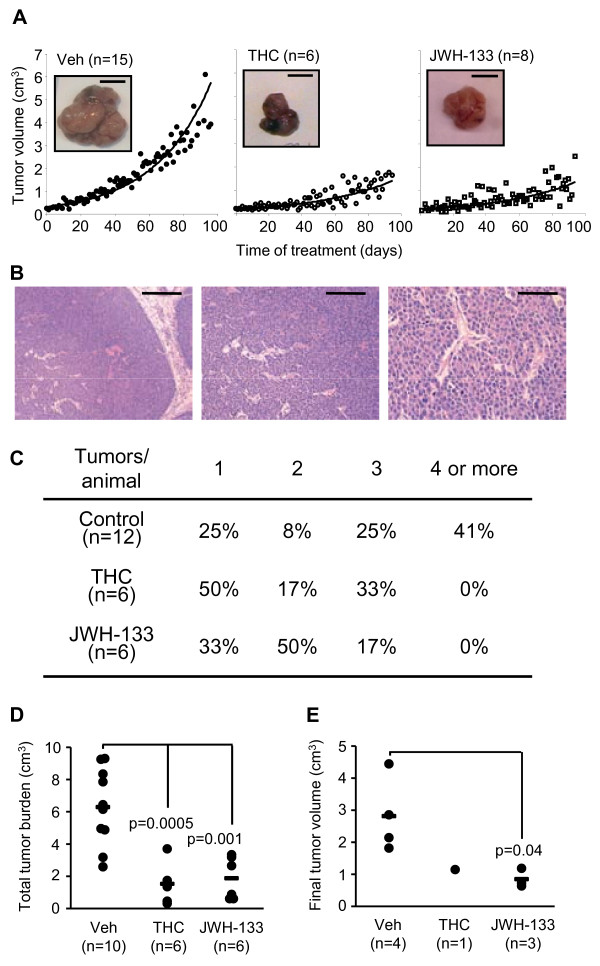
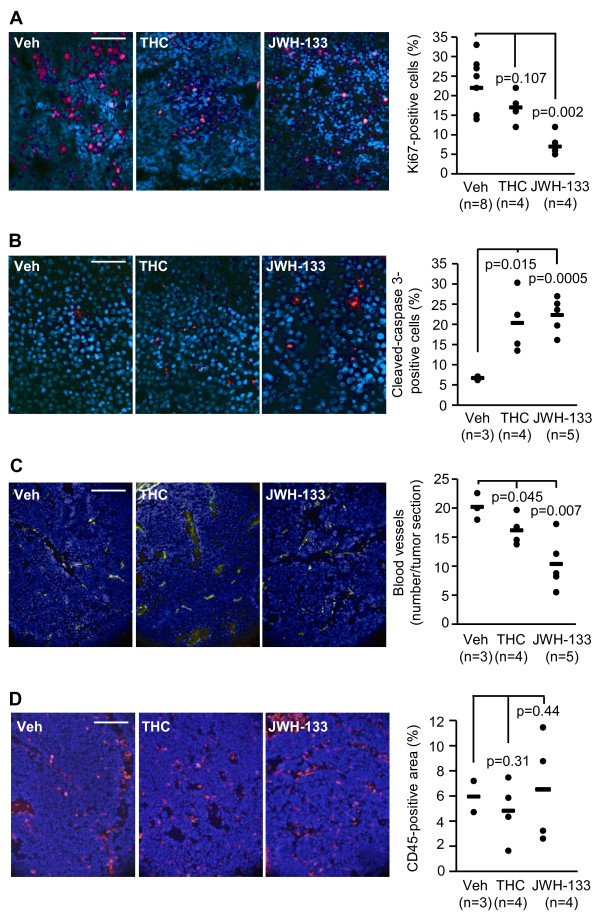
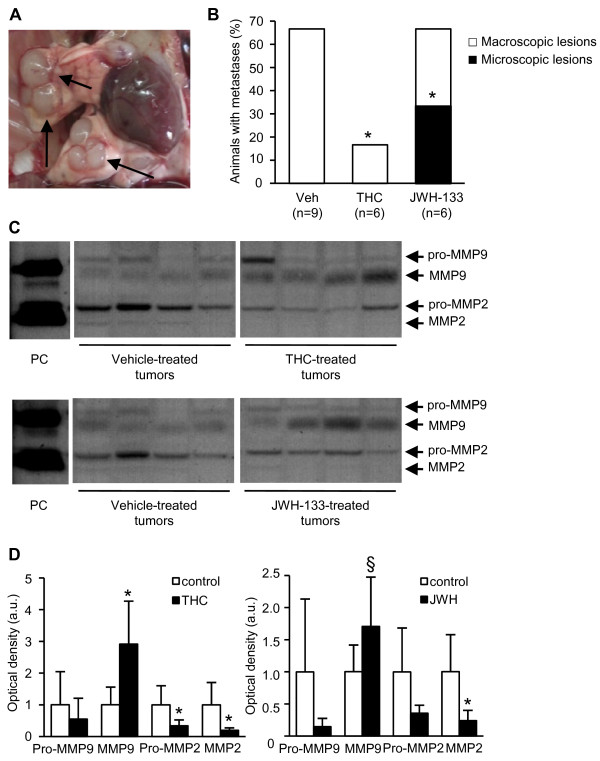
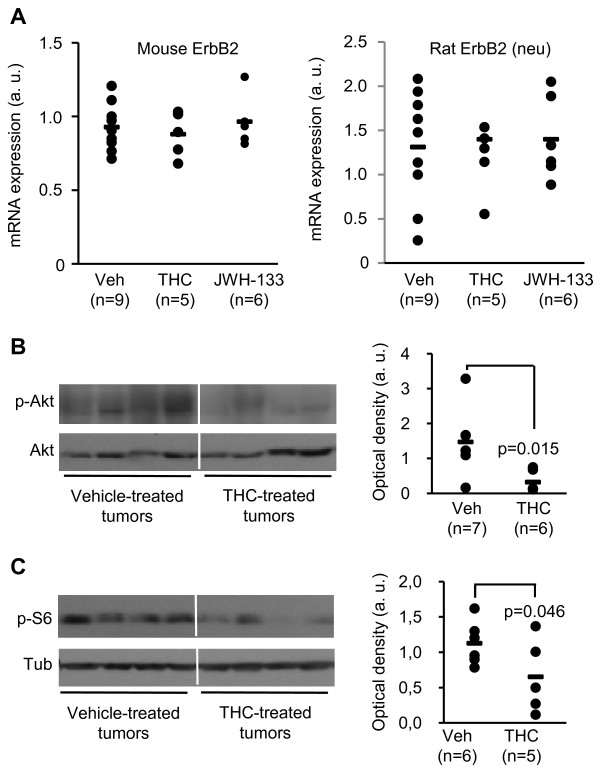
Our results show that both Delta9-tetrahydrocannabinol, the most abundant and potent cannabinoid in marijuana, and JWH-133, a non-psychotropic CB2 receptor-selective agonist, reduce tumor growth, tumor number, and the amount/severity of lung metastases in MMTV-neu mice. Histological analyses of the tumors revealed that cannabinoids inhibit cancer cell proliferation, induce cancer cell apoptosis, and impair tumor angiogenesis. Cannabinoid antitumoral action relies, at least partially, on the inhibition of the pro-tumorigenic Akt pathway. We also found that 91% of ErbB2-positive tumors express the non-psychotropic cannabinoid receptor CB2.
Taken together, these results provide a strong preclinical evidence for the use of cannabinoid-based therapies for the management of ErbB2-positive breast cancer.
ErbB2 阳性乳腺癌的特点是具有高度侵袭性的表型,对标准治疗反应降低。尽管已经设计了特定的 ErbB2 靶向治疗方法,但只有一小部分患者对这些治疗有反应,而且大多数最终都会复发。这种特别具有侵袭性、对治疗无反应或复发的患者群体的存在促使人们寻求新的治疗方法。本研究的目的是确定大麻素是否可能成为治疗 ErbB2 阳性乳腺癌肿瘤的新治疗工具。我们在一种已建立的、具有临床相关性的 ErbB2 驱动的转移性乳腺癌模型中分析了它们的抗肿瘤潜力:MMTV-neu 小鼠。我们还分析了大麻素靶点在一系列 87 个人类乳腺癌中的表达。
我们的结果表明,大麻中含量最丰富、效力最强的大麻素 Delta9-四氢大麻酚和非精神活性 CB2 受体选择性激动剂 JWH-133 均可减少 MMTV-neu 小鼠的肿瘤生长、肿瘤数量和肺部转移的严重程度。对肿瘤的组织学分析表明,大麻素抑制癌细胞增殖,诱导癌细胞凋亡,并损害肿瘤血管生成。大麻素的抗肿瘤作用至少部分依赖于抑制促肿瘤 Akt 途径。我们还发现,91%的 ErbB2 阳性肿瘤表达非精神活性大麻素受体 CB2。
综上所述,这些结果为基于大麻素的治疗方法用于管理 ErbB2 阳性乳腺癌提供了强有力的临床前证据。