Department of Neuroscience, Georgetown University Medical Center, New Research Building, 3970 Reservoir Rd, Washington, DC 20057, USA.
Eur J Neurosci. 2010 Aug;32(4):570-8. doi: 10.1111/j.1460-9568.2010.07325.x. Epub 2010 Jul 28.
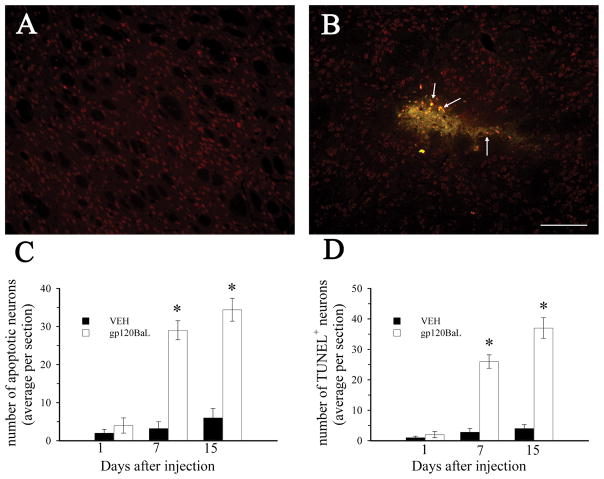
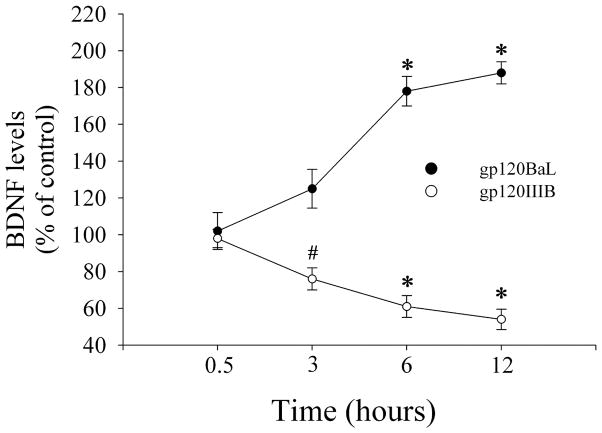
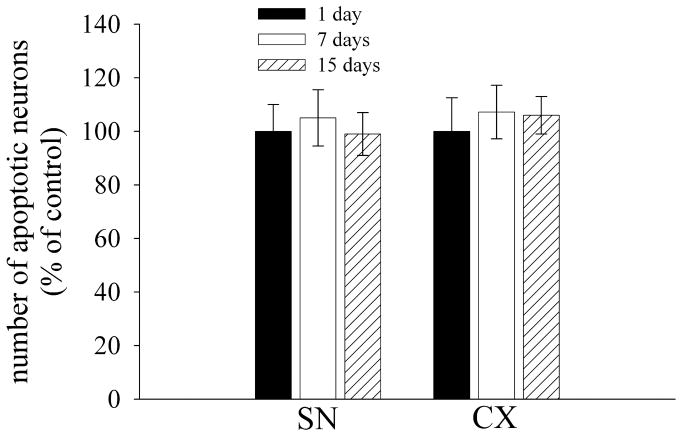
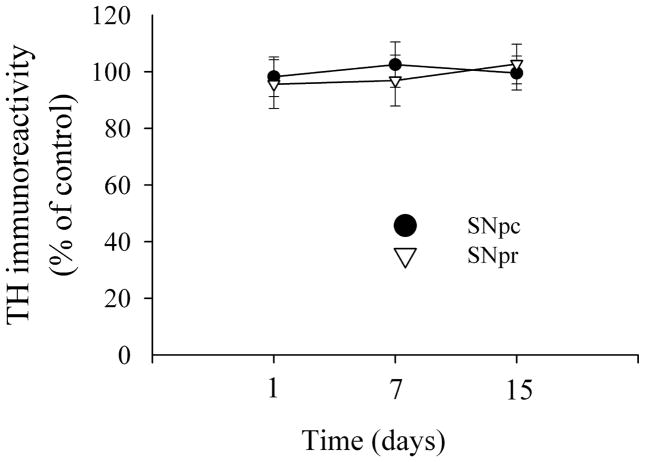
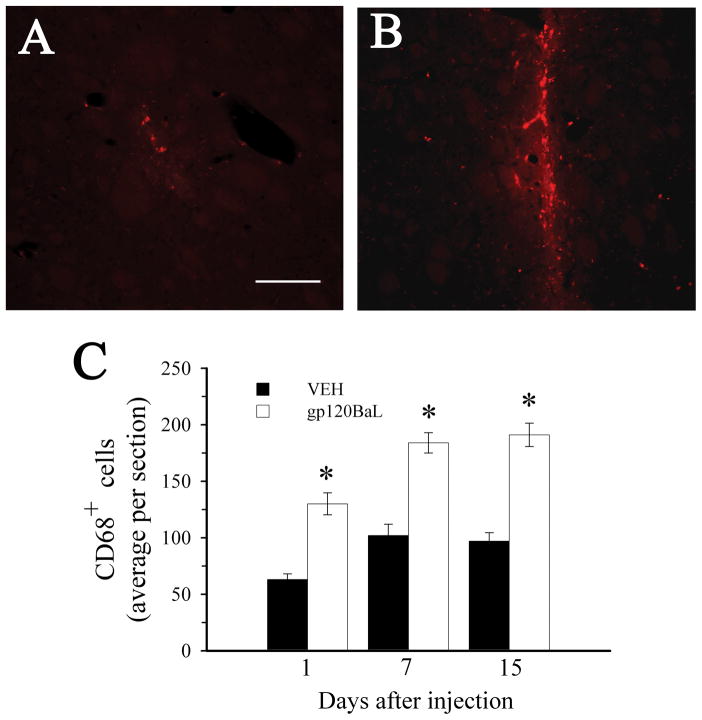
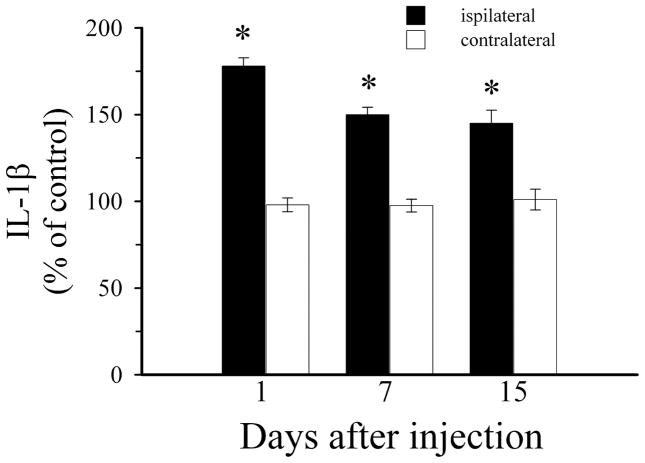
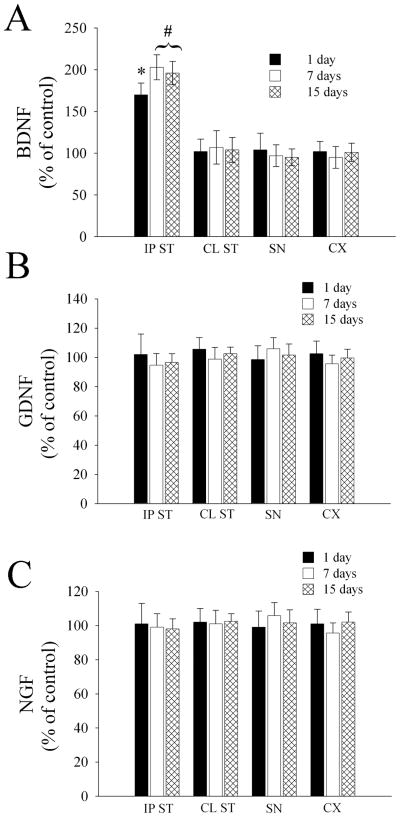
Most early human immunodeficiency virus type 1 (HIV-1) strains are macrophage (M)-tropic HIV variants and use the chemokine receptor CCR5 for infection. Neuronal loss and dementia are less severe among individuals infected with M-tropic strains. However, after several years, the T-cell (T)-tropic HIV strain, which uses the CXCR4 variant, can emerge in conjunction with brain abnormalities, suggesting strain-specific differences in neuropathogenicity. The molecular and cellular mechanisms of such diversity remain under investigation. We have previously demonstrated that HIV envelope protein gp120IIIB, which binds to CXCR4, causes neuronal apoptosis in rodents. Thus, we have used a similar experimental model to examine the neurotoxic effects of M-tropic gp120BaL. gp120BaL was microinjected in the rat striatum and neuronal apoptosis was examined in the striatum, as well as in anatomically connected areas, such as the somatosensory cortex and the substantia nigra. gp120BaL promoted neuronal apoptosis and tissue loss that were confined to the striatum. Apoptosis was associated with microglial activation and increased levels of interleukin-1beta. Intriguingly, gp120BaL increased brain-derived neurotrophic factor in the striatum. Overall, our data show that gp120BaL demonstrates a different neuropathological profile than gp120IIIB. A better understanding of the pathogenic mechanisms mediating HIV neurotoxicity is vital for developing effective neuroprotective therapies against AIDS-associated dementia complex.
大多数早期人类免疫缺陷病毒 1 型(HIV-1)株是巨噬细胞(M)嗜性 HIV 变体,使用趋化因子受体 CCR5 进行感染。感染 M 嗜性株的个体中,神经元丧失和痴呆的程度较轻。然而,数年后,使用 CXCR4 变体的 T 细胞(T)嗜性 HIV 株可能会与脑异常一起出现,这表明在神经致病性方面存在株特异性差异。这种多样性的分子和细胞机制仍在研究中。我们之前已经证明,与 CXCR4 结合的 HIV 包膜蛋白 gp120IIIB 会导致啮齿动物的神经元凋亡。因此,我们使用了类似的实验模型来研究 M 嗜性 gp120BaL 的神经毒性作用。将 gp120BaL 微注射到大鼠纹状体中,并检查纹状体以及解剖连接区域(如躯体感觉皮层和黑质)中的神经元凋亡。gp120BaL 促进了局限于纹状体的神经元凋亡和组织丧失。凋亡与小胶质细胞活化和白细胞介素-1β水平升高有关。有趣的是,gp120BaL 增加了纹状体中的脑源性神经营养因子。总的来说,我们的数据表明,gp120BaL 表现出与 gp120IIIB 不同的神经病理学特征。更好地了解介导 HIV 神经毒性的发病机制对于开发针对艾滋病相关痴呆症的有效神经保护疗法至关重要。