Sbarro Health Research Organization, Center for Biotechnology, College of Science and Technology, Temple University, Philadelphia, Pennsylvania, USA.
Mol Cancer. 2010 Aug 4;9:208. doi: 10.1186/1476-4598-9-208.
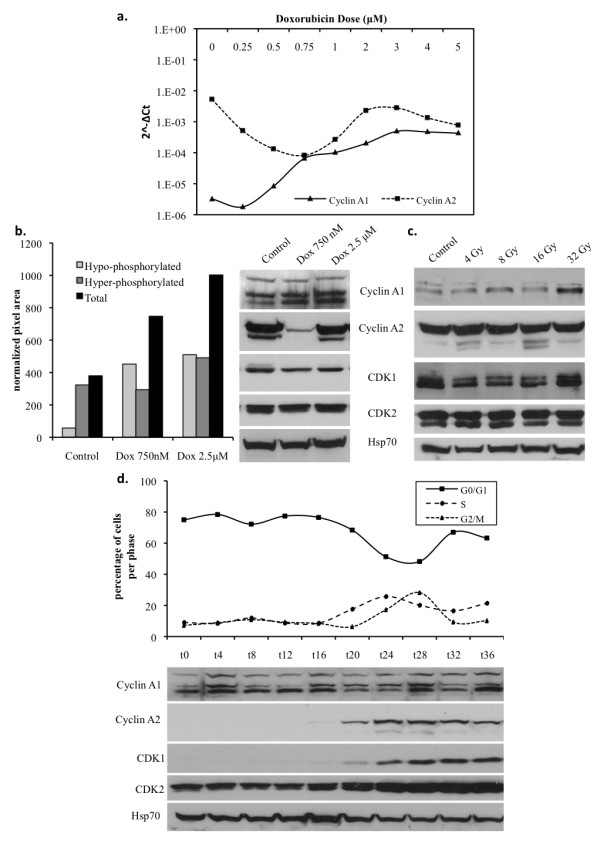
CDK-inhibitors can diminish transcriptional levels of cell cycle-related cyclins through the inhibition of E2F family members and CDK7 and 9. Cyclin A1, an E2F-independent cyclin, is strongly upregulated under genotoxic conditions and functionally was shown to increase NHEJ activity. Cyclin A1 outcompetes with cyclin A2 for CDK2 binding, possibly redirecting its activity towards DNA repair. To see if we could therapeutically block this switch, we analyzed the effects of the CDK-inhibitor R-Roscovitine on the expression levels of cyclin A1 under genotoxic stress and observed subsequent DNA damage and repair mechanisms.
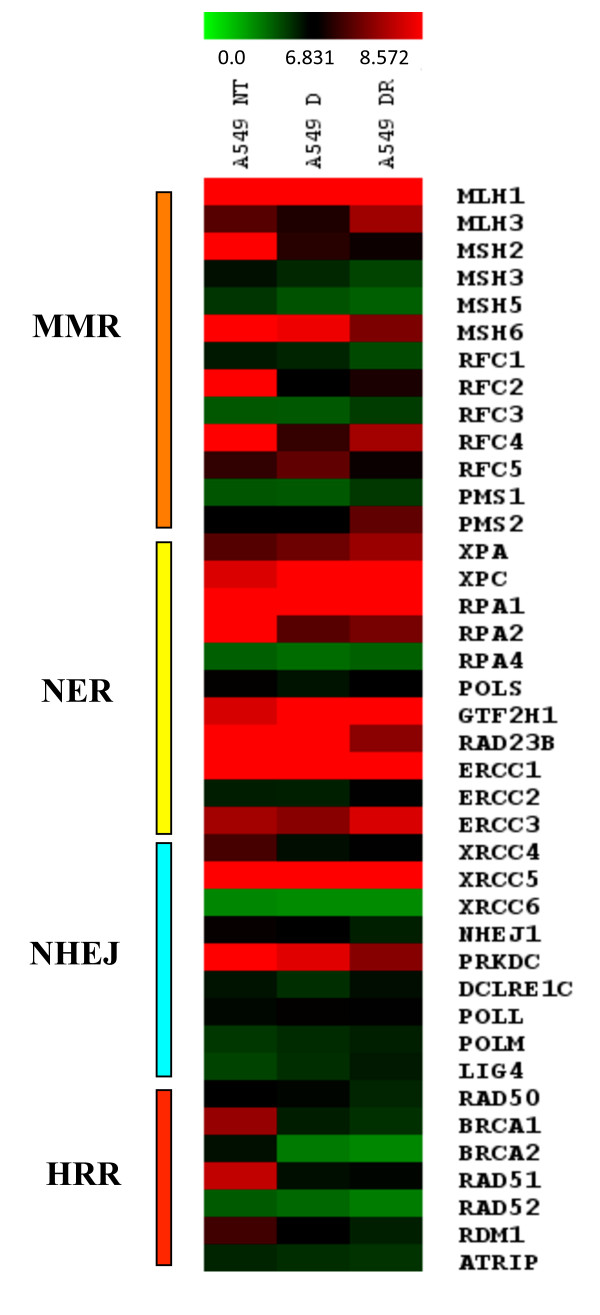
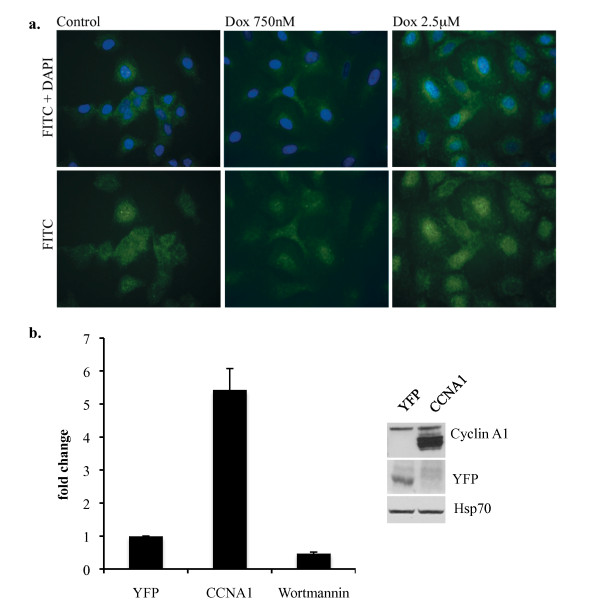
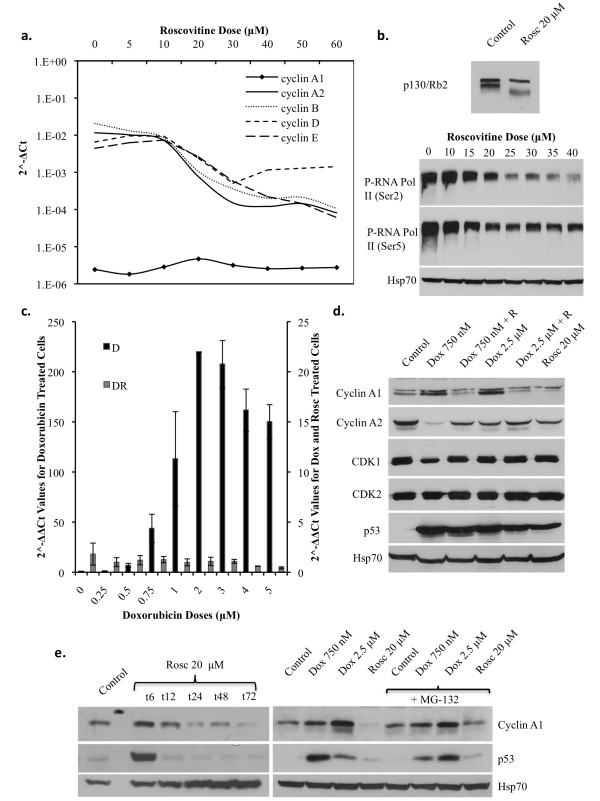
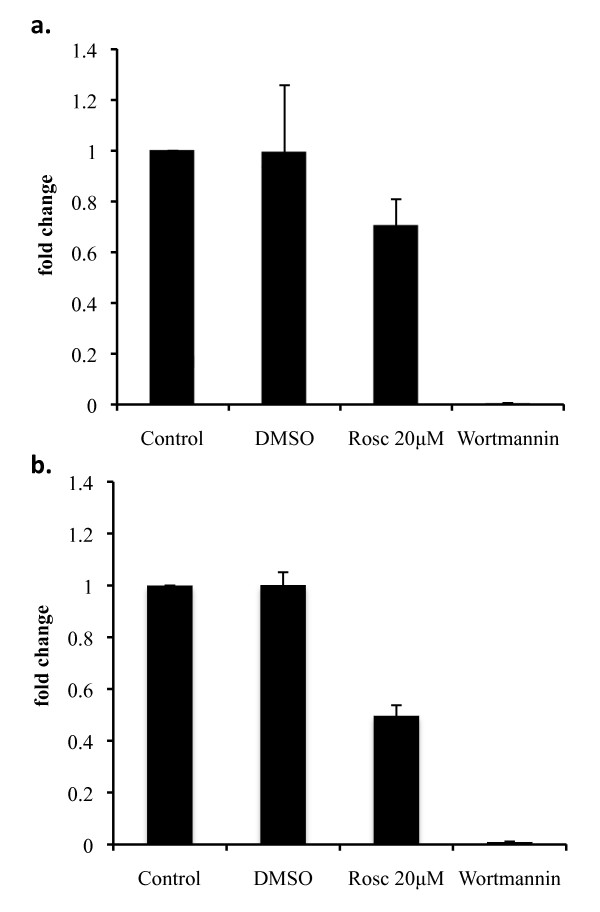
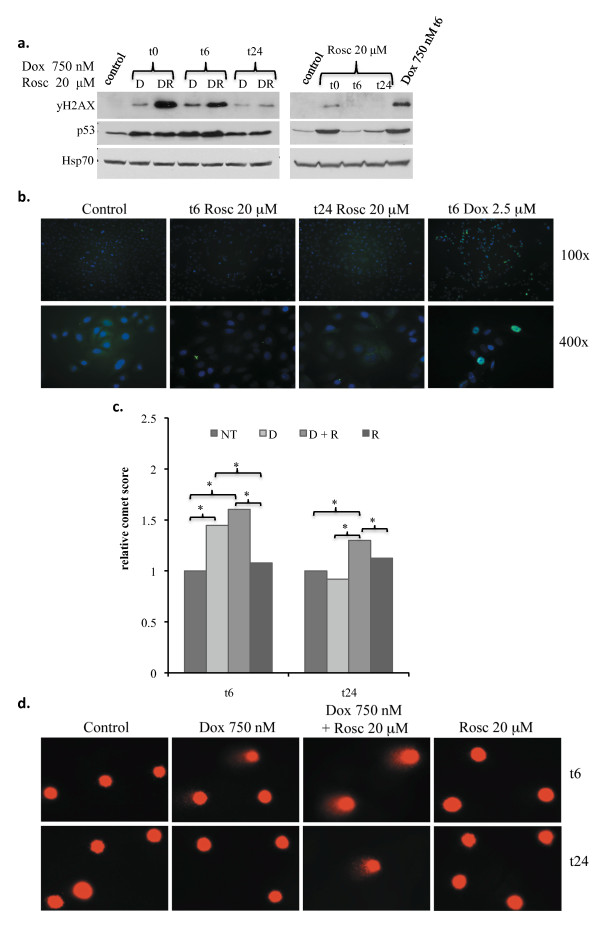
We found that R-Roscovitine alone was unable to alter cyclin A1 transcriptional levels, however it was able to reduce protein expression through a proteosome-dependent mechanism. When combined with DNA damaging agents, R-Roscovitine was able to prevent the DNA damage-induced upregulation of cyclin A1 on a transcriptional and post-transcriptional level. This, moreover resulted in a significant decrease in non-homologous end-joining (NHEJ) paired with an increase in DNA DSBs and overall DNA damage over time. Furthermore, microarray analysis demonstrated that R-Roscovitine affected DNA repair mechanisms in a more global fashion.
Our data reveal a new mechanism of action for R-Roscovitine on DNA repair through the inhibition of the molecular switch between cyclin A family members under genotoxic conditions resulting in reduced NHEJ capability.
CDK 抑制剂可通过抑制 E2F 家族成员和 CDK7 和 9 来降低细胞周期相关细胞周期蛋白的转录水平。细胞周期蛋白 A1 是一种 E2F 非依赖性细胞周期蛋白,在遗传毒性条件下强烈上调,并表现出增加 NHEJ 活性的功能。细胞周期蛋白 A1 与细胞周期蛋白 A2 竞争 CDK2 的结合,可能将其活性重新定向到 DNA 修复。为了观察我们是否可以通过治疗来阻断这种转变,我们分析了 CDK 抑制剂 R-Roscovitine 在遗传毒性应激下对细胞周期蛋白 A1 表达水平的影响,并观察了随后的 DNA 损伤和修复机制。
我们发现 R-Roscovitine 单独使用时无法改变细胞周期蛋白 A1 的转录水平,但它能够通过蛋白酶体依赖性机制降低蛋白质表达。当与 DNA 损伤剂联合使用时,R-Roscovitine 能够在转录和转录后水平上防止 DNA 损伤诱导的细胞周期蛋白 A1 的上调。这导致非同源末端连接 (NHEJ) 的显著减少,同时随着时间的推移,DNA 双链断裂 (DSBs) 和整体 DNA 损伤增加。此外,微阵列分析表明,R-Roscovitine 以更全局的方式影响 DNA 修复机制。
我们的数据揭示了 R-Roscovitine 在遗传毒性条件下通过抑制细胞周期蛋白 A 家族成员之间的分子开关在 DNA 修复中的新作用机制,导致 NHEJ 能力降低。