GReD, INSERM U, CNRS UMR, University of Clermont-Ferrand, France.
Dev Cell. 2010 Aug 17;19(2):317-28. doi: 10.1016/j.devcel.2010.07.008.
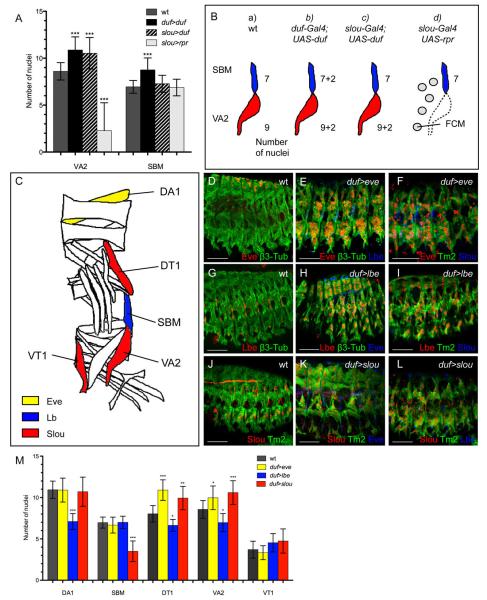
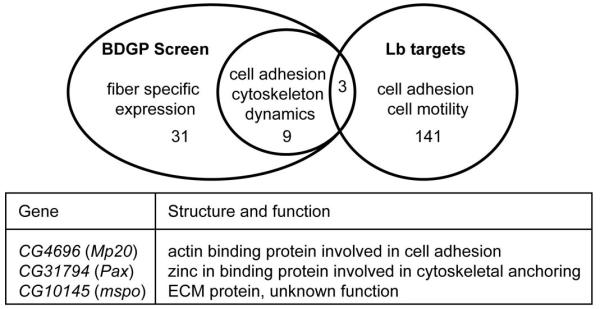
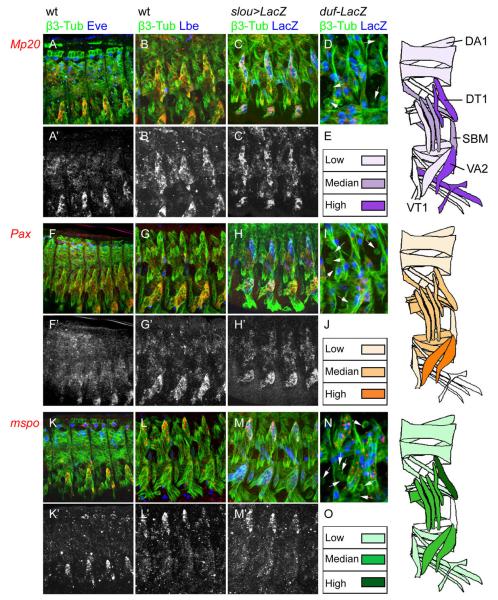
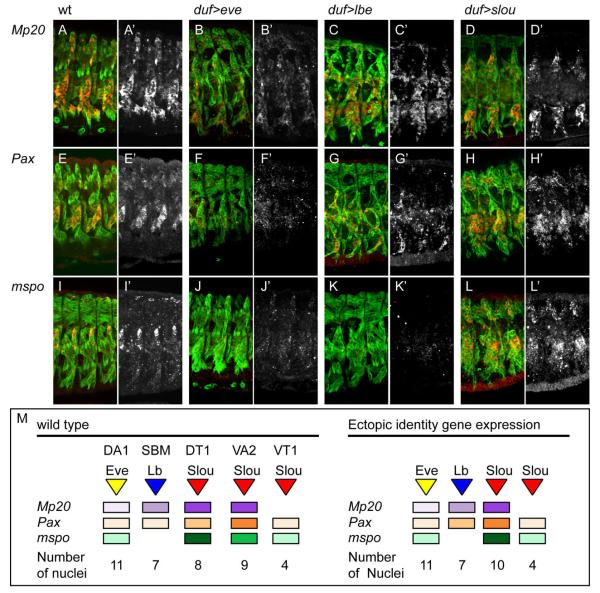
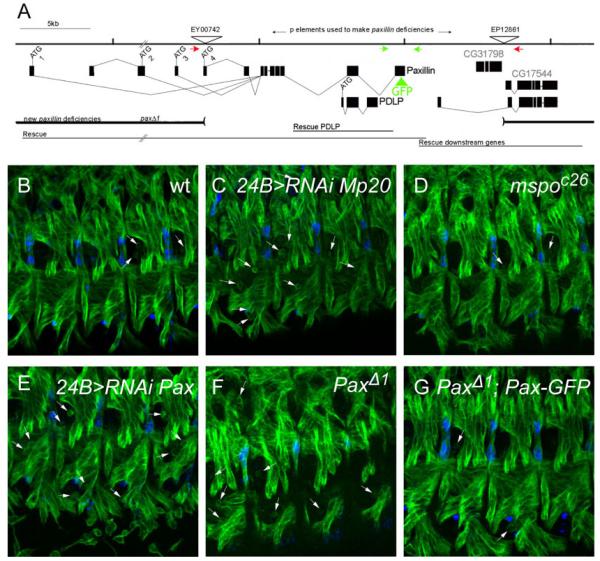
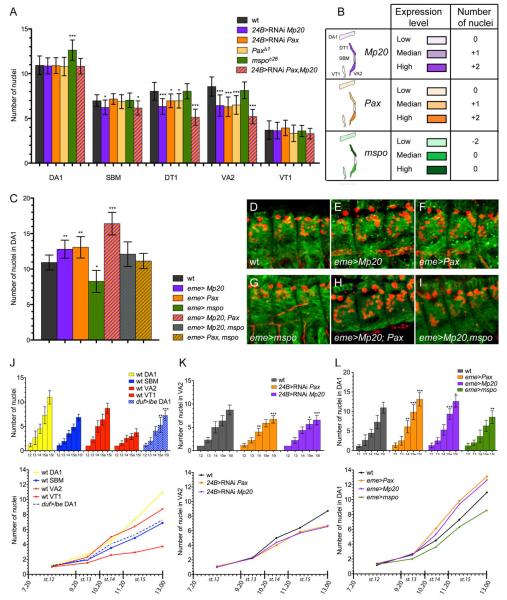
In all metazoan organisms, the diversification of cell types involves determination of cell fates and subsequent execution of specific differentiation programs. During Drosophila myogenesis, identity genes specify the fates of founder myoblasts, from which derive all individual larval muscles. Here, to understand how cell fate information residing within founders is translated during differentiation, we focus on three identity genes, eve, lb, and slou, and how they control the size of individual muscles by regulating the number of fusion events. They achieve this by setting expression levels of Mp20, Pax, and mspo, three genes that regulate actin dynamics and cell adhesion and, as we show here, modulate the fusion process in a muscle-specific manner. Thus, these data show how the identity information implemented by transcription factors is translated via target genes into cell-type-specific programs of differentiation.
在所有后生动物中,细胞类型的多样化涉及细胞命运的决定和随后特定分化程序的执行。在果蝇肌肉发生过程中,身份基因决定创始肌母细胞的命运,所有个体幼虫肌肉均由这些细胞衍生而来。在这里,为了了解驻留在创始细胞内的细胞命运信息在分化过程中是如何被翻译的,我们关注三个身份基因 eve、lb 和 slou,以及它们如何通过调节融合事件的数量来控制单个肌肉的大小。它们通过调节三个基因的表达水平来实现这一点,这三个基因分别是 Mp20、Pax 和 mspo,它们调节肌动蛋白动力学和细胞黏附,正如我们在这里所示,它们以肌肉特异性的方式调节融合过程。因此,这些数据表明转录因子实施的身份信息如何通过靶基因转化为细胞类型特异性的分化程序。